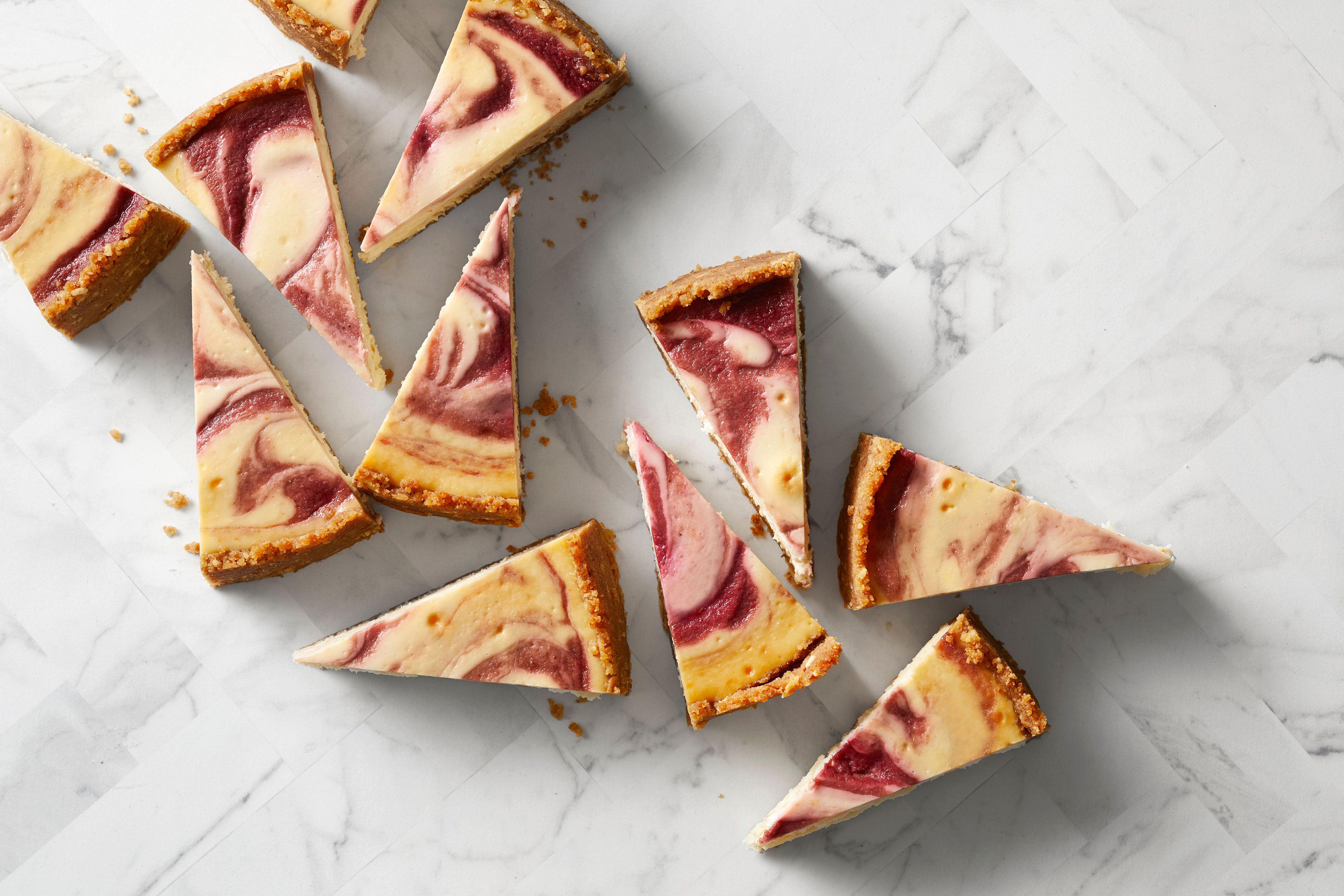

Generated with GPT-5.4 Thinking
Cheesecake is one of those desserts that somehow manages to feel fancy, comforting, and slightly dramatic all at once. Set one on the table and people act like they’ve just been handed concert tickets. And honestly? Fair. A great cheesecake is rich without being heavy, creamy without being gloopy, and impressive without requiring a culinary degree or a mystical dessert wand.
This guide to cheesecake recipes is built for real kitchens, real schedules, and real people who have absolutely stared into an oven window whispering, “Please don’t crack.” You’ll find three crowd-pleasing styles here: a classic baked cheesecake, a bright no-bake berry cheesecake, and a deeply caramelized Basque cheesecake for the bakers who like a little edge with their sweetness. Along the way, we’ll cover the techniques that actually matter, the mistakes that quietly sabotage texture, and the flavor upgrades that make a good cheesecake taste unforgettable.
What Makes a Great Cheesecake?
The best cheesecake recipes all rely on the same big ideas: quality cream cheese, room-temperature ingredients, gentle mixing, patient cooling, and enough chill time to let the texture settle into something silky and sliceable. That sounds simple because it is simple. Cheesecake isn’t hard so much as it is picky. It rewards calm energy. It punishes chaos.
Here’s the short version. Use full-fat cream cheese for the richest texture. Let the cream cheese, eggs, and dairy lose their refrigerator chill before mixing so the batter turns smooth instead of lumpy. Once the eggs go in, mix just until combined. Too much whipping adds extra air, and extra air is how you end up with a cheesecake that puffs, sinks, and cracks like it’s going through something personal.
And then there’s the finish. A cheesecake is usually done when the edges look set and the center still has a slight wobble. Not a wave. Not a slosh. More of a confident little jiggle. It keeps setting as it cools, which is why overbaking is one of the fastest roads to dry texture.
Recipe #1: Classic Creamy Baked Cheesecake
This is the dependable, classic-style cheesecake that earns permanent dessert status. It has a buttery graham cracker crust, a tangy filling, and enough structure to slice neatly while staying creamy in the middle.
Ingredients
For the crust
- 1 3/4 cups graham cracker crumbs
- 5 tablespoons unsalted butter, melted
- 2 tablespoons granulated sugar
- Pinch of salt
For the filling
- 24 ounces full-fat cream cheese, softened
- 3/4 cup granulated sugar
- 3 large eggs, room temperature
- 3/4 cup sour cream
- 1 teaspoon pure vanilla extract
- 2 teaspoons fresh lemon juice
- 1 tablespoon all-purpose flour
- Pinch of salt
Instructions
- Preheat the oven to 325°F. Grease a 9-inch springform pan.
- Mix the graham cracker crumbs, melted butter, sugar, and salt until the crumbs look like wet sand. Press the mixture firmly into the bottom of the pan. Bake for 8 minutes, then cool slightly.
- Beat the softened cream cheese and sugar until smooth. Add the flour and salt. Mix in the sour cream, vanilla, and lemon juice.
- Add the eggs one at a time, mixing on low speed just until each egg disappears into the batter.
- Pour the filling over the crust. Tap the pan gently on the counter once or twice to release large air bubbles.
- For an extra-smooth result, place the springform pan inside a larger roasting pan and add hot water to the outer pan until it reaches about halfway up the sides. If that sounds annoying, it is slightly annoying, but it works.
- Bake for 55 to 70 minutes, until the edges are set and the center still jiggles slightly.
- Turn off the oven, crack the door open, and let the cheesecake sit for 1 hour. Remove it, cool completely, then refrigerate for at least 6 hours, preferably overnight.
Best Toppings for This Cheesecake
- Fresh strawberries or blueberries
- Warm cherry sauce
- Salted caramel
- Whipped cream and lemon zest
- Chocolate ganache for people who believe subtlety is overrated
Recipe #2: No-Bake Berry Cheesecake
Not every cheesecake needs oven drama. A no-bake cheesecake recipe is perfect for summer gatherings, busy weekends, or those days when turning on the oven feels like a betrayal. This version is light, creamy, and topped with fresh berries for color and brightness.
Ingredients
For the crust
- 2 cups vanilla cookie or graham cracker crumbs
- 6 tablespoons unsalted butter, melted
- 1 tablespoon sugar
For the filling
- 16 ounces full-fat cream cheese, softened
- 3/4 cup powdered sugar
- 1 teaspoon vanilla extract
- 2 tablespoons lemon juice
- 1 cup cold heavy cream
For the topping
- 2 cups mixed berries
- 2 tablespoons berry jam
- 1 teaspoon lemon juice
Instructions
- Combine the crust crumbs, melted butter, and sugar. Press into the bottom and slightly up the sides of a 9-inch pie dish or springform pan. Chill while you make the filling.
- Beat the cream cheese until smooth. Add powdered sugar, vanilla, and lemon juice, and mix until creamy.
- In a separate bowl, whip the heavy cream to medium peaks. Fold it gently into the cream cheese mixture until no streaks remain.
- Spoon the filling into the chilled crust and smooth the top.
- Stir the jam and lemon juice together, then toss with the berries. Spoon over the cheesecake.
- Refrigerate for at least 6 hours, or overnight for the cleanest slices.
Why This Recipe Works
This style leans on whipped cream for lift, so the filling feels lighter than a baked cheesecake. The lemon juice keeps the richness from feeling flat, and the berry topping adds both freshness and a little visual swagger. It’s a great starter cheesecake if you’re cheesecake-curious but not yet ready to commit to water baths and oven door choreography.
Recipe #3: Burnt Basque Cheesecake
If classic cheesecake is polished and elegant, Basque cheesecake is its artsy friend in a linen shirt who somehow looks cooler with messy hair. It has no crust, a deeply caramelized top, and a center that stays luscious and custardy. The beauty of this recipe is that cracks are not a disaster. They’re practically part of the aesthetic.
Ingredients
- 24 ounces full-fat cream cheese, softened
- 3/4 cup granulated sugar
- 3 large eggs
- 1 cup heavy cream
- 1 teaspoon vanilla extract
- 2 tablespoons all-purpose flour
- 1/4 teaspoon salt
Instructions
- Preheat the oven to 425°F. Line a 9-inch springform pan with parchment paper, letting the paper come up well above the rim.
- Beat the cream cheese and sugar until smooth. Add the eggs one at a time, mixing gently.
- Mix in the cream, vanilla, flour, and salt until fully combined. Strain the batter if you want an extra-smooth finish.
- Pour into the prepared pan and bake for 45 to 55 minutes, until the top is deeply browned and the center still has movement.
- Cool at room temperature for at least 2 hours. Chill for a firmer texture, or serve slightly cool for a softer center.
Flavor Variations
- Add orange zest for brightness
- Swap vanilla for almond extract in tiny amounts
- Top with macerated cherries
- Drizzle with honey just before serving
How to Avoid Cheesecake Mistakes
1. Using cold ingredients
Cold cream cheese is the enemy of smooth batter. You can beat it for ages and still end up with tiny lumps that never fully disappear. Let ingredients come to room temperature first. Future you will be grateful and dramatically less annoyed.
2. Overmixing after adding eggs
Eggs help set the cheesecake, but they also trap air if beaten too aggressively. That extra air expands in the oven, then collapses during cooling. The result is often a cratered top or a crack running straight through the center like dessert lightning.
3. Skipping the chill time
Freshly cooled cheesecake is not ready to slice, no matter how persuasive it looks. Chilling allows the texture to firm up and the flavor to settle. Overnight is ideal for baked cheesecake, and no-bake versions also benefit from patience.
4. Baking until it looks completely firm
A cheesecake that looks fully set in the oven often ends up overbaked on the plate. Pull it when the center still wiggles slightly. It will continue to finish from residual heat.
5. Forgetting balance
Cheesecake is rich by design, so it needs contrast. Lemon juice, sour cream, berries, a pinch of salt, or a bitter chocolate topping all help the flavor feel lively instead of one-note. Richness needs a wingman.
Cheesecake Recipe Ideas to Try Next
Once you master the basics, a whole universe of easy cheesecake recipes opens up. Pumpkin cheesecake is a fall staple with warm spice and deep flavor. Lemon cheesecake tastes brighter and lighter, especially with blueberry topping. Chocolate cheesecake is dense, dramatic, and excellent for celebrations. Mini cheesecakes are ideal for parties because people love a dessert that already understands portion control. You can also try Oreo crusts, Biscoff crusts, ricotta-based cheesecakes, or cheesecake bars for simpler slicing.
If you’re baking for guests, match the cheesecake to the occasion. A classic baked cheesecake is your reliable dinner-party move. No-bake cheesecake is perfect for spring and summer. Basque cheesecake looks especially impressive with almost no decoration, which is a wonderful option when time is short and you’d still like to seem effortlessly stylish.
Serving and Storing Cheesecake
Serve cheesecake chilled or slightly cool, depending on the style. For the cleanest slices, dip a sharp knife in hot water and wipe it between cuts. Store leftovers tightly covered in the refrigerator so the cake stays creamy and doesn’t absorb every mysterious smell floating around in there. Cheesecake also freezes surprisingly well. Chill it fully first, wrap it well, and thaw overnight in the refrigerator before serving.
Experiences From the Cheesecake Trenches
Anyone who bakes enough cheesecake eventually collects a set of oddly specific experiences. You learn, for instance, that the phrase “just one more minute” has ruined many perfectly good desserts. Cheesecake looks so calm in the oven that it tempts you into overconfidence. Then you open the door too often, bake it too long, or decide cooling rules are merely “suggestions,” and the cake reminds you that physics remains employed.
One of the most common cheesecake experiences is the panic over cracks. New bakers often treat a crack like a public scandal. In reality, a cracked cheesecake still tastes excellent. Cover it with sour cream topping, berries, lemon curd, chocolate ganache, or caramel, and suddenly it looks intentional. Cheesecake has a generous personality that way. It forgives, even when we do not.
There’s also the universal experience of discovering that room-temperature ingredients are not baking snobbery; they are survival. The first time you try to mix cold cream cheese, you realize you are no longer making dessert. You are negotiating with a stubborn brick. Once you switch to softened ingredients, the batter turns silky and glossy, and you feel like a magician even though you have simply learned to wait 45 minutes before starting.
Many home bakers also discover that cheesecake changes depending on the crowd. For holidays, people love classic flavors: cherry, pumpkin, chocolate, or caramel. For birthdays, taller cheesecakes with dramatic toppings get the applause. For casual weekends, no-bake versions win because they deliver the creamy payoff without heating up the kitchen. And for dinner parties, Basque cheesecake often steals the show because it looks rustic, tastes luxurious, and somehow makes you appear far more relaxed than you probably were while baking it.
Then there is the refrigerator test of character. Cheesecake teaches patience better than almost any dessert. Cookies come out fast. Brownies don’t make you wait long. Cheesecake, on the other hand, asks you to bake carefully, cool slowly, and chill thoroughly. This can feel rude when your house smells amazing and the cake is right there. But the wait matters. Slice too early and the texture can seem loose or unfinished. Wait until the next day and suddenly the flavor is deeper, the crumb is cleaner, and the whole thing feels worth every minute.
Perhaps the best experience tied to cheesecake recipes is how adaptable they are. Once you understand the base formula, you can start customizing with confidence. Add citrus zest for brightness. Fold in melted chocolate for richness. Top with roasted strawberries for sweetness, or use a cookie crust for extra crunch. Cheesecake has structure, but it also has range. It can be nostalgic, elegant, playful, or downright excessive depending on what you want from dessert that day.
And that is why cheesecake remains such a beloved classic. It gives you a little challenge, a big reward, and the kind of first bite that makes a table go quiet for a second. That silence? That’s not awkwardness. That’s respect.