
Filling up your car in Canada is not exactly a wilderness survival challenge. Still, if you are visiting from the United States or another country, the first stop can feel oddly dramatic: prices are shown by the liter, totals are in Canadian dollars, some pumps ask for a postal code, and the nozzle seems to be silently judging your life choices.
The good news is that buying gas in Canada is simple once you know the routine. Whether you are driving through Toronto traffic, cruising the Trans-Canada Highway, heading toward Banff, or trying not to run out of fuel in the middle of a snowy northern road, this guide walks you through the process safely and confidently.
Here are nine easy steps for filling gas in Canada, along with practical travel tips, payment advice, fuel-selection guidance, and real-world experiences that can make your road trip smoother.
Before You Start: What Makes Canadian Gas Stations Different?
Most Canadian gas stations work much like those in the United States. You pull up, select a fuel grade, pay at the pump or inside, fill the tank, replace the nozzle, and drive away feeling like you have successfully completed a small adult task.
The main differences are usually the units and payment process. Gas prices are displayed in Canadian dollars per liter, not U.S. dollars per gallon. One U.S. gallon is about 3.785 liters, so a price that looks low at first glance can become less charming after a quick mental calculation.
For example, gas priced at CAD $1.65 per liter may seem less expensive than a U.S. price of $4.00 per gallon. But CAD $1.65 multiplied by 3.785 liters equals roughly CAD $6.25 per U.S. gallon before currency conversion. The math is not trying to ruin your vacation; it is simply reminding you that liters are sneaky.
Also, many stations require prepayment, especially late at night or in busy areas. You may pay at the pump with a card, use a mobile wallet, or go inside to prepay a specific dollar amount.
How to Fill Gas in Canada: 9 Simple Steps
Step 1: Choose a Safe, Convenient Gas Station
Look for a station that is well lit, open, and easy to enter and exit. Major brands, supermarket fuel stations, highway service areas, and busy local stations are usually straightforward choices. A busy station can also be reassuring because fuel turns over quickly and the staff is more likely to be nearby if you need help.
When driving in unfamiliar areas, avoid waiting until your fuel gauge is flirting with empty. In large cities, gas stations are common. On rural roads, in mountain regions, or during winter travel, stations can be much farther apart than you expect.
A smart road-trip habit is to refill when your tank reaches around one-quarter full, especially when traveling through remote parts of Canada. This is not paranoia. It is simply a way to avoid becoming the main character in a story called “We Thought There Would Be Another Gas Station.”
Step 2: Pull Up to the Correct Pump
Park close enough that the fuel nozzle reaches your vehicle comfortably without stretching the hose like you are trying to lasso a moose. Check which side your fuel door is on before pulling in. Many vehicles have a small arrow next to the fuel gauge indicating whether the fuel door is on the driver’s side or passenger’s side.
Stop the vehicle, shift into park, set the parking brake if needed, and turn off the engine. Do not smoke, use an open flame, or create a personal action-movie scene near the pump. Gasoline vapors are highly flammable, so calm behavior is the best behavior.
Take a quick look around before starting. If the pump, hose, card reader, or nozzle appears damaged, leaking, unusually loose, or suspiciously altered, choose another pump or tell the attendant.
Step 3: Check Your Vehicle’s Fuel Requirement
Before selecting a fuel grade, check the sticker inside the fuel door or consult your owner’s manual. Many gasoline vehicles can use regular fuel, often labeled 87 octane. Some performance, luxury, turbocharged, or high-compression engines require premium fuel, which may be labeled 91 or higher.
Do not assume premium gas automatically makes every car run better. If your vehicle is designed for regular fuel, paying extra for premium may simply make your wallet lighter without giving your engine a standing ovation.
On the other hand, if your vehicle requires premium gasoline, use the recommended grade. Fuel requirements are set by the manufacturer, not by your cousin who insists his car “runs better on the fancy stuff.”
If you drive a diesel vehicle, double-check the labels carefully. Never rely only on nozzle color because color systems can vary between stations. Read the pump label before fueling. Gasoline in a diesel engine or diesel in a gasoline engine can create expensive problems very quickly.
Step 4: Understand Canadian Gas Prices by the Liter
Canadian fuel prices are generally posted in cents per liter. A sign showing 165.9 usually means CAD $1.659 per liter, not CAD $165.90 per liter. You are not buying liquid gold, even though it may feel that way after a long highway drive.
To estimate the equivalent price per U.S. gallon, multiply the Canadian price per liter by 3.785. Then remember that the result is still in Canadian dollars. Currency exchange rates and possible foreign transaction fees may affect what appears on your final card statement.
You do not need to calculate every fill-up perfectly. A quick estimate is enough for budgeting. What matters most is knowing that Canadian fuel prices are shown differently, so avoid comparing the number on the sign directly with a U.S. price per gallon.
Step 5: Choose How You Want to Pay
Most gas stations in Canada accept major credit cards, debit cards, tap-to-pay cards, Apple Pay, Google Pay, and cash. Pay-at-the-pump is common, but some stations may require you to pay inside before fueling.
If you are using a U.S. credit card, the pump may ask for a postal code. Canadian postal codes use letters and numbers, while U.S. ZIP codes use numbers only. Some foreign cards may not pass the pump’s address-verification system, even when the card itself is valid.
When that happens, do not waste ten minutes trying random numbers or inventing a postal code that belongs to somebody’s apartment building in Manitoba. Go inside and ask the cashier to process the transaction. Most attendants are familiar with travelers using foreign cards.
For road trips, it is wise to carry more than one payment method. Bring a primary credit card, a backup card, and some Canadian cash for small purchases or stations with temporary card-reader issues. A card may also place a temporary authorization hold on your account before the final fuel total is posted, so keep enough available credit or funds.
Step 6: Inspect the Card Reader and Start the Pump
Before inserting or tapping your card, take a fast look at the payment terminal. Gas pumps are frequent targets for card skimmers because they process many payments and may not always be closely monitored. If the card reader looks loose, bulky, damaged, or different from the other pumps, use another pump or pay inside.
Once the payment is approved, choose the fuel grade listed on the pump. The screen may ask you to select a spending limit or may automatically authorize a temporary amount before fueling begins.
If you pay inside, tell the cashier your pump number and the amount you want to prepay. For example, you might say, “Pump four, please, CAD $60.” If your tank takes less than that amount, the unused balance is usually refunded automatically to your card or available for you to collect inside, depending on the station’s policy.
Step 7: Fuel the Vehicle Carefully
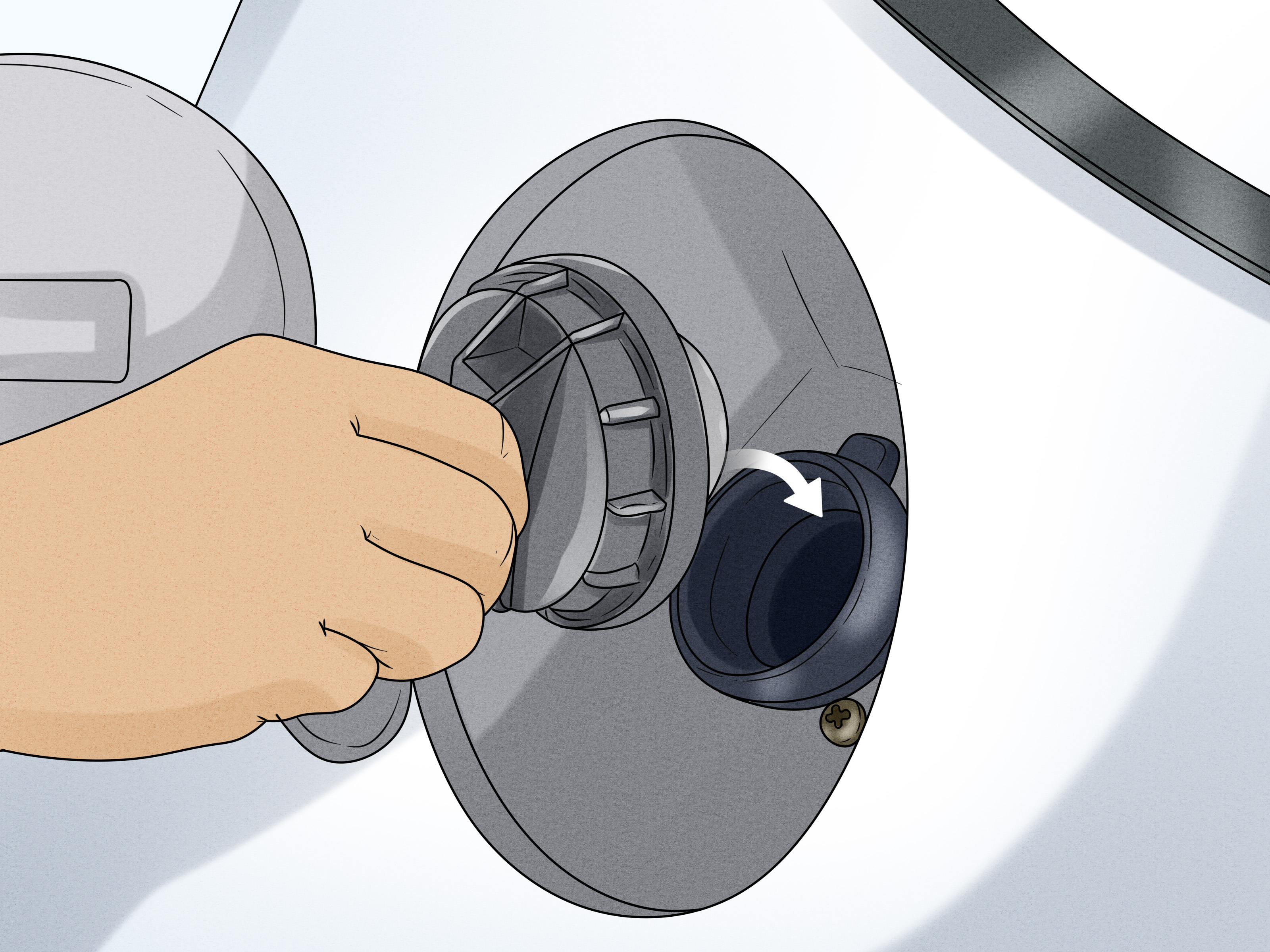
Open the fuel door, remove the gas cap if your vehicle has one, and place the nozzle securely into the filler opening. Select the handle setting and begin fueling. Stay near the pump while the tank fills.
Avoid getting back into your vehicle during fueling. Moving in and out of the car can create static electricity, particularly in dry weather. It is also a good idea to avoid distractions. Save the dramatic group-chat argument, playlist debate, or text message until you are back in the car.
Keep the nozzle in the filler neck while fueling. Do not try to hold it at an odd angle, pull it partly out, or perform experimental gas-pump choreography. Let the equipment do its job.
If gasoline spills, stop fueling immediately and notify station staff. Do not start the engine or try to wash the fuel away yourself. Staff members have procedures and absorbent materials for handling spills safely.
Step 8: Stop When the Nozzle Clicks Off
When the nozzle automatically shuts off, your tank is full enough. Resist the temptation to squeeze in “just a little more.” Topping off can cause spills, waste fuel, and potentially interfere with your vehicle’s vapor-control system.
That final extra splash rarely improves your road trip. It mostly increases the chance that gasoline ends up on your shoes, paint, or hands. Your car does not need a bonus round.
After the nozzle clicks off, wait a moment for any remaining fuel to drain from the nozzle, then carefully remove it and place it back in the pump cradle.
Step 9: Secure the Cap, Check the Receipt, and Drive Away
Replace the gas cap securely or close the capless fuel door according to your vehicle’s design. Make sure the fuel door is fully closed before leaving. A loose gas cap can sometimes trigger a check-engine warning light in vehicles with evaporative-emissions monitoring systems.
Take or decline the receipt based on your preference, but consider keeping it during a trip. Receipts are useful for tracking expenses, checking a disputed charge, documenting mileage, or simply proving to yourself that yes, you really did spend that much on gas.
Before driving away, check your mirrors, look for pedestrians or other vehicles, and pull out slowly. Gas stations can be busy little obstacle courses filled with cars, delivery trucks, pedestrians, and people walking while staring at their phones as if the parking lot is a meditation retreat.
Extra Tips for Filling Gas in Canada
Be Prepared for Weather
Canadian weather can turn a routine fill-up into a chilly experience. In winter, keep gloves in your vehicle, especially if you are traveling through colder provinces or mountain areas. Metal fuel nozzles can be unpleasantly cold, and a windy fuel stop can make you question every vacation decision that led you there.
If your fuel door is frozen shut, do not force it open with sharp tools or use an open flame. Warm the vehicle if possible, use a proper de-icer product if appropriate, or ask station staff for help.
Know That Station Policies Can Vary
Some Canadian stations are fully self-service. Others may have attendants available, especially at certain locations, during severe weather, or where local practices differ. Follow posted instructions and ask for help if the pump interface is unfamiliar.
You may also encounter membership-based fuel stations, grocery-store stations, highway travel centers, and remote stations with limited hours. In rural locations, do not assume every station is open late or accepts every card type.
Use the Right Fuel Blend for Your Vehicle
Many modern gasoline vehicles can use fuel containing low levels of ethanol, but fuel blends can vary by location and station. Check your owner’s manual if you drive an older vehicle, a classic car, a motorcycle, a boat, a small engine, or a vehicle with special fuel requirements.
Never use a high-ethanol blend unless your vehicle is specifically approved for it. Flex-fuel vehicles are designed for certain ethanol blends, but ordinary gasoline vehicles may not be. When in doubt, follow the manufacturer’s instructions rather than taking advice from a pump label you read while hungry.
Common Mistakes to Avoid When Buying Gas in Canada
- Comparing Canadian cents per liter directly with U.S. dollars per gallon.
- Choosing premium fuel when your vehicle only requires regular.
- Using diesel fuel because the pump color “looked right.”
- Trying to force a foreign credit card through a postal-code prompt.
- Leaving the vehicle running while fueling.
- Getting back into the vehicle during fueling and creating unnecessary static risk.
- Topping off after the nozzle automatically clicks.
- Driving away without securing the gas cap or closing the fuel door.
- Waiting until the tank is almost empty before entering a remote area.
Real-World Experiences: What Filling Gas in Canada Actually Feels Like
The first Canadian fill-up for many travelers begins with confidence. You see a sign that says 159.9 and think, “Great, this gas is cheaper than back home.” Then you remember the number is cents per liter, not dollars per gallon, and your brain begins doing conversion math while a driver behind you patiently waits for the pump.
One of the most memorable moments for cross-border travelers is the payment screen. A U.S. visitor may tap a credit card, see a request for a postal code, and suddenly feel like they are taking a surprise exam in Canadian geography. The best move is usually simple: if the pump does not accept your card, walk inside. Cashiers at busy stations near borders, airports, and tourist routes have seen this situation many times. They are usually far less surprised than you are.
Another common experience is realizing how different a fuel stop feels in winter. At a station in Alberta, Quebec, Manitoba, or northern Ontario, a routine three-minute stop can become a full-body weather event. Wind cuts through your jacket, the nozzle feels like it was stored in a freezer, and the car door may decide that closing properly is now a luxury feature. Travelers who keep gloves, a warm coat, and a windshield scraper in the vehicle usually feel much more prepared than those who pack only sunglasses and optimism.
Road trips through Canada also teach drivers the value of fueling early. In a major city, it is easy to assume another station will appear around every corner. On longer routes, however, gas stations can be separated by many miles, especially in rural areas or near national parks. A traveler who refills at one-quarter tank may feel slightly overcautious at first. That feeling disappears quickly when the next highway sign says the nearest fuel is 90 kilometers away.
Many visitors are also surprised by how quickly a large fill-up can add up when they see the total in Canadian dollars. Imagine putting 47 liters into the tank at CAD $1.69 per liter. The total is close to CAD $80. That can look alarming until you remember you are buying more than 12 U.S. gallons of fuel and paying in a different currency. The number is not necessarily a disaster; it is just a reminder to compare equivalent units before declaring bankruptcy in the parking lot.
Then there is the premium-fuel temptation. A traveler sees several buttons, notices the word “premium,” and assumes it must be better in the same way a premium hotel room is better. Fuel grades do not work like hotel rooms. Your engine needs the octane level specified by the manufacturer. If regular is recommended, regular is usually the practical choice. Spending extra on unnecessary premium fuel is rarely a performance upgrade; it is more like buying a tuxedo for a grocery run.
The smoothest Canadian gas-station experience usually comes from a few small habits: know your fuel grade, carry a backup payment method, refill before the tank gets too low, check prices by the liter, and pay attention to posted instructions. Once you have filled up a couple of times, the process becomes completely normal. Soon you will be casually saying things like, “Let’s grab 40 liters before we hit the highway,” as though you have always measured your road-trip destiny in metric units.
Ultimately, filling gas in Canada is less about mastering complicated rules and more about staying alert. Read the labels, respect the safety signs, avoid topping off, and let the pump click when it is ready. The rest is just driving, scenery, snacks, and trying to agree on who controls the music.
Conclusion
Learning how to fill gas in Canada is easy once you understand the basics. Prices are shown in Canadian dollars per liter, payment systems may differ slightly from those in the United States, and your vehicle still needs the correct fuel grade. By choosing a safe station, checking your vehicle’s requirements, paying carefully, avoiding overfilling, and keeping your tank above empty in remote areas, you can fuel up with confidence anywhere in Canada.
Note: This guide provides general travel and vehicle-fueling information. Always follow the instructions on your vehicle’s fuel door, in the owner’s manual, and on the station’s posted safety signs. Payment rules, pump interfaces, accepted cards, and fuel availability can vary by province, station, and location.