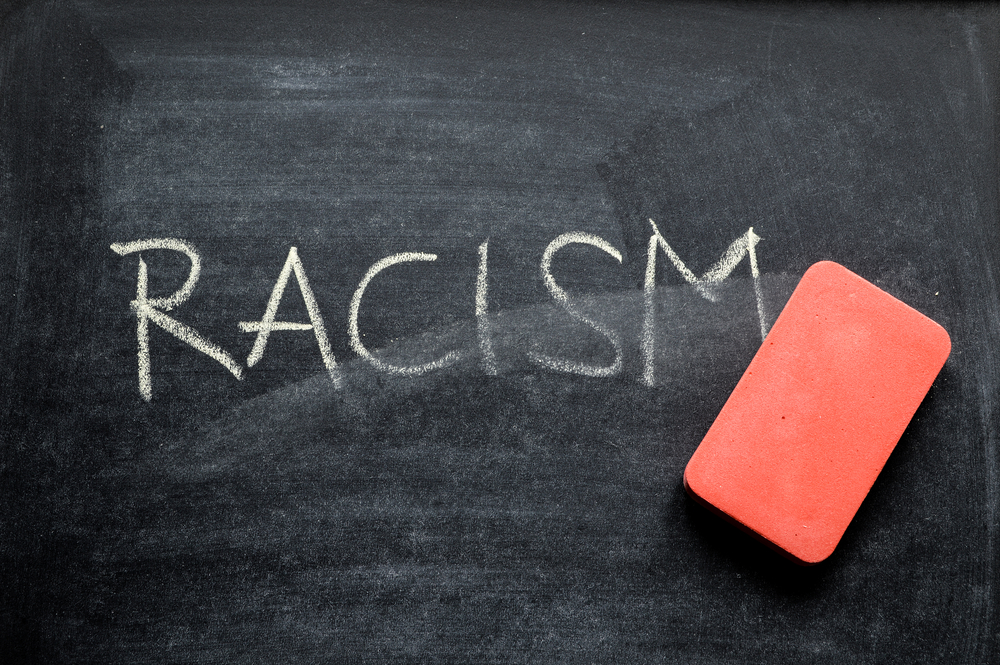
Educational curricula, policies, and parenting that support anti-racism beginning in pre-school

There is a charming myth that preschoolers are too young to notice race. It sounds sweet, tidy, and reassuring, which is exactly why it survives so well at dinner tables and school board meetings. The problem is that it is also wrong. Young children notice patterns, differences, fairness, and who gets centered long before they can spell the word “equity.” By the time adults decide a child is “old enough” to talk about race, that child has already been gathering clues from books, playgrounds, television, teacher reactions, family comments, and the mysterious but powerful curriculum known as what grown-ups avoid talking about.
That is why anti-racism in preschool matters. Not as a trendy slogan. Not as a one-week bulletin board with carefully laminated hands in different shades of beige. And definitely not as an annual performance where diversity is celebrated for forty-five minutes and forgotten by snack time. Anti-racist early childhood education is the daily work of helping children build healthy identities, understand differences without fear, recognize unfairness, and practice kindness with backbone. It also means designing school policies and parenting habits that make those lessons real.
Strong anti-racist support in the early years rests on three pillars: curriculum, policy, and parenting. When those three line up, children get a consistent message that every person matters, unfair treatment is not normal, and community is something we build on purpose. When they do not line up, children still learn a lesson, just not the one adults intended.
Why anti-racism has to begin in preschool
Preschool is where children begin making sense of identity and belonging. They are learning who they are, where they fit, whose stories count, and what adults do when something unfair happens. In other words, preschool is not a waiting room before “real learning” starts. It is where the blueprint gets sketched.
Research and professional guidance from child-development, pediatric, and psychology organizations all point in the same direction: children notice human differences early, and silence does not protect them from bias. Silence simply leaves them alone with stereotypes, incomplete ideas, and whatever they absorb from the world around them. An anti-racist approach gives children language, context, and practice. It replaces confusion with clarity and fear with curiosity.
This matters for development as much as morality. Racism is not just a social problem “out there.” It affects children’s stress, sense of safety, classroom participation, and relationships with adults. If a child consistently sees their skin color, hair texture, language, culture, or family background treated as lesser, that child is not merely having a bad moment. They are receiving a message about worth. Meanwhile, children who are privileged by race also need early guidance so they do not confuse comfort with fairness. Anti-racism helps all children develop better social judgment, stronger empathy, and a more honest understanding of community life.
What an anti-racist preschool curriculum actually looks like
An anti-racist curriculum is not a scolding lecture for four-year-olds. It is a thoughtful, developmentally appropriate way of organizing what children see, hear, discuss, and do. It should feel natural in the classroom, not bolted on like a last-minute science-fair volcano.
1. Identity is taught with warmth, not awkwardness
Children need books, posters, music, dramatic-play materials, and classroom language that reflect a wide range of races, cultures, family structures, abilities, and ways of living. Not as decoration. As normal life. A good classroom offers children “mirrors” that reflect who they are and “windows” into other people’s lives. That means storybooks featuring Black joy, Asian American families, Latino communities, Indigenous histories, multilingual homes, and children whose identities are not treated as side notes.
Teachers can support this by inviting children to talk about family traditions, names, foods, neighborhoods, and celebrations without turning anyone into the official spokesperson for an entire people. The goal is belonging, not a tiny press conference.
2. Diversity is explored, not flattened
“We’re all the same” sounds polite, but it is not enough. Children should learn that people have differences and that differences are normal, interesting, and worthy of respect. Skin color, hair, language, clothing, and customs can be discussed matter-of-factly. When adults panic the second a child mentions race, children learn that race is either shameful or dangerous to discuss. A better response is calm, accurate, and age-appropriate: “Yes, people have different skin colors, and all skin colors are important.”
Curricula can build this through art, storytelling, family interviews, community maps, music, and picture sorting activities that focus on observation without ranking. The message is simple: human variety is real, and real does not mean bad.
3. Fairness is taught as a skill
One of the smartest moves in anti-bias education is teaching fairness early. Preschoolers care deeply about what is fair. Usually with dramatic intensity. Usually regarding the last cracker. That instinct can be expanded into broader moral thinking. Teachers can use stories, role-play, and classroom conflicts to ask questions like: “Was that fair?” “Who got left out?” “How can we fix it?”
This is where anti-racist learning becomes more than multicultural wallpaper. Children begin to understand that bias and exclusion are not just rude; they are unfair. They can practice standing up for peers, inviting others into play, questioning stereotypes in stories, and noticing when classroom rules do not work well for everyone.
4. Anti-racism is woven through the day
The best preschool anti-racist curriculum does not live only in a special lesson. It appears in circle time, block play, family engagement, read-alouds, classroom jobs, conflict resolution, and teacher language. If anti-racism only shows up during one carefully branded “diversity month,” children receive the educational equivalent of a vegetable hidden in a cupcake. They may swallow it, but they will notice the trick.
Instead, teachers can normalize respectful conversations, correct stereotypes gently but clearly, and choose materials that show people of different racial backgrounds as scientists, artists, caregivers, builders, leaders, and neighbors. Children need repeated examples that counter narrow social scripts.
Policies that make anti-racist education real
Curriculum matters, but policy is what keeps the curriculum from becoming wishful thinking laminated in color. Without school and system-level policies, anti-racist teaching depends too heavily on individual heroes. Heroes burn out. Policies scale.
1. Professional learning must be ongoing
Teachers and administrators need sustained training in child development, anti-bias education, implicit bias, culturally responsive teaching, and reflective practice. One workshop is not transformation. It is a calendar event. Schools that take anti-racism seriously build regular opportunities for staff to examine classroom materials, discipline patterns, family communication, and their own responses to children’s comments or conflicts.
That work should be supportive, not performative. Staff need room to grow, make corrections, and build skill. The goal is not perfect vocabulary. The goal is better decisions for children.
2. Discipline policy must be examined closely
Anti-racist preschool policy cannot ignore discipline. Federal education data have repeatedly shown racial disparities in preschool suspension and expulsion, with Black children experiencing exclusion at rates that do not match their enrollment share. That should alarm everyone, because preschoolers are still learning how to line up without becoming a tiny traffic disaster. If very young children are already being pushed out unequally, the problem is not “bad kids.” The problem is the system.
Programs should review referral, suspension, and expulsion data by race, gender, disability status, and language background. They should expand coaching, mental health consultation, and family partnership before discipline becomes exclusion. Anti-racism in policy means asking not only, “What did this child do?” but also, “How are adult perceptions, classroom conditions, and institutional habits shaping this outcome?”
3. Family engagement has to be more than a newsletter
Schools need policies that welcome families as partners, not guests who are permitted to clap quietly from the back. That means translation support, flexible meeting options, respect for home languages, transparent communication, and real mechanisms for parent input. It also means not treating some families as “involved” and others as “hard to reach” when the real issue may be whether the school is hard to enter.
Anti-racist family engagement asks whose knowledge counts. Grandparents, foster parents, immigrant caregivers, nontraditional families, and working parents should all be treated as full members of the educational community.
4. Hiring, materials, and leadership should reflect the mission
If a school claims to value anti-racism but the leadership team is homogeneous, classroom libraries are stale, and the dolls all look like they arrived from one suspiciously uniform planet, children will notice. Policy should support diverse hiring, fair advancement, culturally rich materials, community partnerships, and budget lines for continuous improvement. In practical terms, what schools purchase and who they promote say as much as what they print on the website.
How parenting can reinforce anti-racism at home
Parents do not need a graduate seminar to raise anti-racist children, but they do need intention. Many adults avoid conversations about race because they worry they will say the wrong thing. Fair concern. But children do not need flawless parents; they need honest, responsive ones.
1. Talk early, talk simply, talk often
If a child asks why someone’s skin is darker, why a classmate speaks another language, or why a storybook character was treated unfairly, answer directly. Do not shush, dodge, or act like the question just summoned a legal team. Calm answers teach that race is a real part of life and safe to discuss. Over time, repeated conversations help children connect race, fairness, identity, and empathy.
Parents can say things like, “People have different skin colors because our bodies have different amounts of melanin,” or “That was unfair because someone was treated badly because of race.” Clear beats complicated.
2. Curate the home environment
Books, shows, toys, and art matter. Children should regularly encounter stories that center children and families from many racial and cultural backgrounds in joyful, ordinary, complex ways. Not every book about Black children needs to be about struggle. Not every Asian character needs to be a math prodigy. Not every story about Indigenous people should be trapped in the past. Parents can build a home library that treats diversity as the fabric of life, not an occasional guest star.
3. Model repair and courage
Children learn as much from adult mistakes as from adult lessons. If a parent uses a stereotype, laughs at something they should not, or realizes they missed a biased moment, repair is powerful. “I said that wrong. Let me try again.” That sentence deserves more credit. It shows humility, accountability, and growth. Anti-racist parenting is not about looking morally polished. It is about showing children what it means to keep learning.
4. Connect values to action
At home, anti-racism can look like speaking up when a relative says something biased, choosing schools and programs with inclusive practices, attending community events, supporting libraries and teachers, and helping children practice being kind and brave at the same time. “Be nice” is incomplete. Children also need “notice what is unfair” and “do something helpful.”
Common mistakes adults should stop making
First, do not confuse anti-racism with generic kindness. Kindness matters, but anti-racism also requires truth, fairness, and action. A child can be taught to share crayons and still absorb harmful ideas about whose lives matter more.
Second, do not rely on silence. Children notice race even when adults pretend otherwise. Avoidance does not create innocence. It creates confusion.
Third, do not reduce anti-racist education to holidays, heroes, and food festivals. Those can be valuable, but if the curriculum never addresses unfairness, stereotypes, exclusion, or systemic patterns, the lesson stays shallow.
Fourth, do not place the burden on children who experience racism to educate everyone else. The adults are the architects here. They should do the heavy lifting.
What success looks like
A successful anti-racist preschool environment does not look tense or joyless. It looks alive. Children see themselves in the room. Families feel welcomed rather than inspected. Teachers respond to bias clearly and calmly. Books and materials reflect the actual world. Policies reduce exclusion instead of normalizing it. Children learn to describe differences respectfully, challenge unfairness, and include others in play.
Most importantly, anti-racism beginning in preschool helps children develop the habits of a democratic community: curiosity, honesty, fairness, courage, and care. That is not political theater. That is education doing its real job.
Experiences from classrooms and families: what this work feels like in real life
In real classrooms, anti-racist education rarely begins with a grand speech. It usually begins with a small moment that leaves an adult two choices: ignore it or teach through it. A child says another child’s hair is “weird.” Someone refuses to play with a classmate because their skin is dark. A book basket contains twenty smiling animals, twelve trucks, and one human family that looks suspiciously copied from the same catalog page since 1998. The teacher notices the gap. That noticing matters.
One common experience teachers describe is how quickly children respond when adults respond well. A teacher reads a story featuring a Black family, and one child says, “Her hair goes up!” Instead of rushing in with nervous panic, the teacher says, “Yes, her hair has a beautiful texture and style. People’s hair can look very different.” The room relaxes. Curiosity gets guided instead of punished. The class moves from awkwardness to learning in under a minute. That is anti-racism in preschool at work: calm truth, no drama cape required.
Parents often experience a similar shift at home. A child points out skin color in a grocery store line and the parent feels that classic flash of social terror, as if every cart in aisle three is now judging their soul. But when the parent answers simply and respectfully, the moment becomes constructive instead of embarrassing. “Yes, people have different skin colors, and all of them are important.” The child nods, accepts the information, and often moves on to a more pressing matter, like whether crackers count as dinner. Adults are usually the ones sweating more than the kids.
Another real experience is the surprise many adults feel when children begin to connect fairness across situations. A preschooler who has practiced saying, “That’s not fair” during block conflicts may later use the same language when noticing biased treatment in a story or on the playground. Those moments are powerful because they show that anti-racist learning is not abstract. It becomes part of a child’s moral toolkit.
Schools that take this work seriously often report that the climate changes in ways that are both subtle and obvious. Family nights become more representative. Classroom libraries start looking like actual neighborhoods. Teachers become less defensive and more reflective. Hard conversations get easier because they are no longer rare. Children begin using inclusive language more naturally. They invite, ask, question, and notice. Not perfectly. They are still preschoolers. Someone will still lick the table eventually. But the culture improves.
Families also describe the long-term benefit of repeated, ordinary conversations. Instead of one dramatic “talk,” anti-racist parenting becomes part of daily life: discussing a book character, noticing who is missing in a TV show, asking why a rule feels unfair, celebrating heritage without stereotyping others, and showing children how to apologize when harm happens. These repeated experiences build confidence. Children stop treating race as a taboo topic and start treating fairness as a normal responsibility.
Perhaps the most meaningful experience, though, is this: children often become braver than the adults who teach them. Give them language, consistency, and care, and they will use it. They will say, “You can’t say that,” or “She can play too,” or “That’s not kind and it’s not fair.” Those short sentences may sound small, but they signal something big. A child is learning that belonging is not accidental and justice is not someone else’s job. When curriculum, policy, and parenting all support that lesson from the very beginning, preschool stops being only preparation for school. It becomes preparation for citizenship, friendship, and a more honest world.
Conclusion
Educational curricula, policies, and parenting that support anti-racism beginning in preschool do not ask young children to carry adult burdens. They ask adults to do adult work. The curriculum should help children build identity, appreciate diversity, recognize unfairness, and act with care. School policy should support teacher learning, equitable discipline, inclusive materials, and authentic family engagement. Parenting should reinforce all of it with honest conversations, representative media, and steady modeling.
When these pieces work together, children do not become “too aware” of race. They become more humane, more accurate, and better prepared to live in a diverse society. That sounds like exactly what education should be doing in the first place.