
Pronation and supination sound like the kind of words a doctor says right before charging your insurance company. But these terms are actually simple once you strip away the medical drama. They describe natural motions your body uses every day. Your foot pronates when it rolls inward slightly as you walk or run. Your forearm supinates when you turn your palm up, like you are holding a bowl of soup. Yes, that is the famous “soup-ination” memory trick, and yes, it is cheesy. It also works.
Understanding these motions matters because they influence balance, shock absorption, joint alignment, grip, lifting, sports performance, and sometimes pain. When pronation and supination stay within a healthy range, your body moves efficiently. When they become excessive, limited, or poorly controlled, they can contribute to foot fatigue, ankle instability, wrist strain, elbow pain, and movement problems farther up or down the chain.
This guide breaks down what pronation and supination mean in the foot and arm, how the motions differ, when they are normal, when they become a problem, and what you can do if your body starts acting like it is running its own side quest.
What Do Pronation and Supination Mean?
In the forearm and arm
In the arm, pronation means turning the forearm so the palm faces down. Supination means turning the forearm so the palm faces up. This motion happens because the radius rotates around the ulna. That is why you can twist a doorknob, use a screwdriver, flip a pancake, or accept a trophy you may or may not deserve.
Several muscles help with this action. The pronator teres and pronator quadratus help turn the palm down. The biceps is a major supinator, especially when the elbow is bent, which is one reason lifting and twisting can feel harder when the biceps tendon is irritated.
In the foot
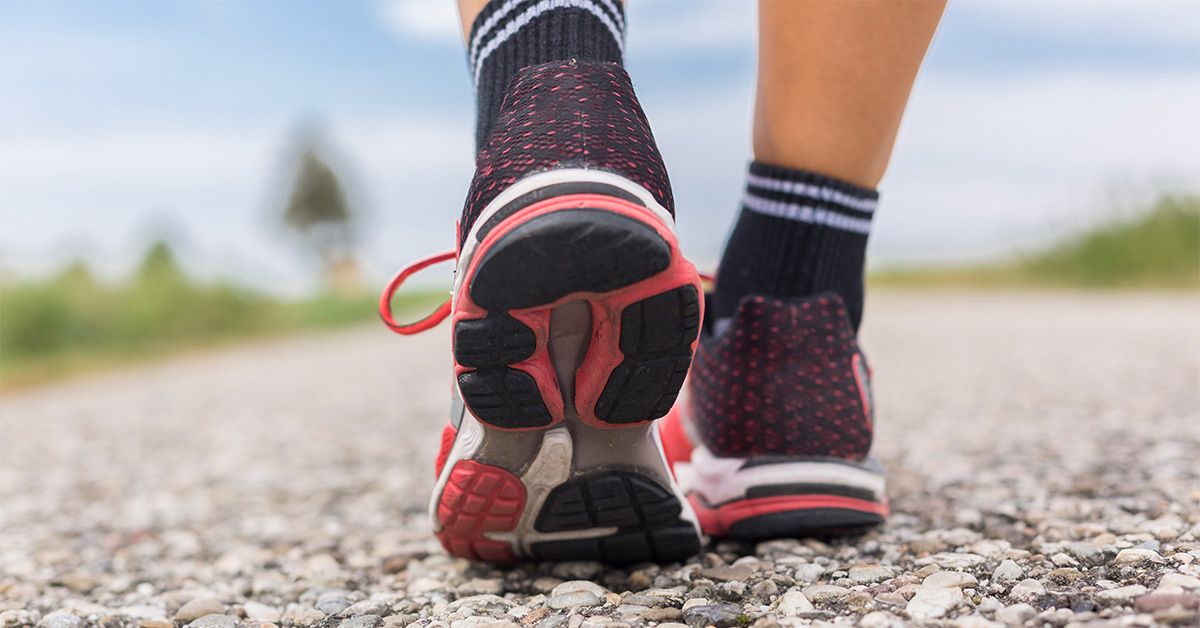
In the foot, the terms are a little trickier because they describe a combined movement pattern rather than one simple twist. Pronation in the foot generally refers to the foot rolling inward after the heel hits the ground. This is normal and useful. It helps the foot adapt to the ground and absorb shock. Supination, sometimes called underpronation in walking or running, means the foot rolls outward more and stays more rigid, which can reduce shock absorption.
Here is the big takeaway: in the foot, pronation is not automatically bad. In fact, some pronation is necessary. Problems usually show up when there is too much pronation, too little pronation, poor timing, weakness, pain, or a structure that cannot support the motion well.
Why These Motions Matter
Your body loves teamwork. The foot, ankle, knee, hip, wrist, elbow, and shoulder are all part of connected chains. When one link is off, the others may have to compensate.
In the foot, normal pronation allows the body to absorb impact. As you move forward, the foot then becomes more rigid again so you can push off. If the arch collapses too much or the heel shifts excessively, soft tissues may work overtime. If the foot stays too supinated, the outer edge may take more load than it bargained for.
In the arm, pronation and supination let you place the hand where you need it. These motions are essential for typing, opening jars, turning keys, brushing teeth, carrying a plate, using a phone, throwing a ball, and pretending to know what you are doing at the gym.
Normal vs. Problematic Pronation and Supination in the Foot
Normal foot pronation
A healthy foot typically lands more toward the outside of the heel, rolls inward a bit, then moves forward so the body can push off. This inward roll is not a design flaw. It is built-in suspension.
Overpronation
Overpronation happens when the foot rolls inward too much or for too long. This can flatten the arch more than usual and place extra stress on muscles, tendons, and ligaments that support the foot. Some people are born with flatter feet. Others develop the issue over time because of tendon changes, ligament laxity, weight gain, overuse, aging, injury, or certain structural patterns.
Common clues can include:
- Flattening of the arch
- Shoes wearing down more on the inside
- Foot fatigue after standing or walking
- Pain along the inside of the ankle or arch
- Heel drifting outward
- Difficulty with balance or single-leg control
That said, not every person with pronated feet has pain. Many people with flat or flexible feet function just fine. This is important because the internet loves to diagnose everyone with “broken biomechanics” after one shoe-store scan. Reality is less dramatic.
Supination or underpronation
Supination in the foot means the foot stays more on its outer edge and does not roll inward enough to absorb shock well. This is often seen in people with higher arches or stiffer feet. The foot becomes great at acting tough and less great at sharing the impact.
Possible signs include:
- Pressure on the outside of the foot
- High arches
- Frequent ankle rolling or sprains
- Calluses on the outer foot
- Pain in the heel, forefoot, or outer toes
What Causes Foot Pronation or Supination Problems?
There is rarely one single cause. Usually, it is more like a group project nobody asked for.
Contributors to overpronation
- Flexible flat feet
- Posterior tibial tendon dysfunction
- Ligament laxity
- Obesity or increased load
- Improper footwear
- Weakness in the foot, ankle, or hip
- Previous injury
Contributors to foot supination
- High arches
- Stiff foot mechanics
- Certain neurologic or inherited conditions
- Old ankle injuries
- Poor shock absorption from worn shoes
Also worth noting: the relationship between foot posture and injury is not perfectly simple. Some studies suggest altered foot mechanics can affect the lower-limb chain, while other research shows foot pronation alone does not automatically predict injury. In plain English, your feet matter, but they are not the villain in every musculoskeletal mystery.
Pronation and Supination in the Arm: When Twisting Becomes Trouble
Forearm pronation and supination should feel smooth, controlled, and fairly effortless. You use them constantly, often without realizing it. When these motions become painful or limited, daily life gets annoying fast.
Common examples of arm pronation and supination
- Turning a key in a lock
- Opening a jar
- Using a screwdriver
- Carrying a tray with palms up
- Typing and mouse use
- Golf, tennis, baseball, and weight training
What can cause problems?
Several conditions can make forearm rotation painful or weak:
- Tendon irritation: Overuse around the elbow or wrist can make rotation uncomfortable.
- Distal biceps problems: The biceps helps with supination, so pain or weakness can show up when turning the palm upward.
- Elbow injuries: Fractures or dislocations can affect rotation range.
- Wrist issues: Ulnar-sided wrist pain, TFCC irritation, and repetitive strain can worsen with twisting.
- Nerve compression: Some nerve problems in the forearm can be aggravated by repeated rotation.
- Arthritis or stiffness: Joint changes can reduce motion and create a crunchy soundtrack nobody requested.
Common symptoms in the arm
- Pain when turning a doorknob or opening containers
- Weakness with lifting or carrying objects palm-up
- Loss of rotation range
- Clicking or discomfort near the wrist or elbow
- Pain after repetitive tool use, sports, or keyboard work
How Doctors Evaluate These Movements
A clinician usually starts with the basics: where it hurts, what activities trigger it, whether the issue is new or gradual, and whether there was an injury. After that comes the physical exam.
For the foot
The exam may include:
- Watching you stand, walk, and sometimes jog
- Looking at arch shape and heel alignment
- Checking whether the arch reforms when you rise on your toes
- Testing flexibility, strength, and tenderness
- Examining shoe wear patterns
If symptoms are significant, imaging such as X-rays, MRI, or CT may be used, especially if the provider suspects tendon injury, arthritis, or a rigid structural problem.
For the arm
The exam often includes:
- Measuring pronation and supination range
- Testing grip and forearm strength
- Checking pain with resisted twisting
- Looking for swelling, instability, deformity, or nerve symptoms
- Ordering X-rays or advanced imaging if trauma or internal derangement is suspected
Treatment Options for Foot and Arm Problems
Treatment depends on the cause, not just the label. “You pronate” is not a full diagnosis. It is one piece of the puzzle.
Foot treatment strategies
- Footwear changes: Supportive, well-fitting shoes can help a lot.
- Orthotics: Off-the-shelf or custom inserts may reduce strain in some people.
- Strengthening: Exercises for the foot, ankle, calf, and hip can improve control.
- Stretching: Tight calves and Achilles tendons can worsen mechanics.
- Activity modification: Temporary changes can calm irritated tissues.
- Weight management: Less load can mean less stress on the arch and joints.
- Medical care: Persistent pain, deformity, weakness, or repeated sprains deserve evaluation.
Arm treatment strategies
- Rest from aggravating movements: Especially repetitive twisting or gripping
- Therapy: Range-of-motion work and targeted strengthening can help restore function
- Ergonomic changes: Helpful for keyboard use, tool work, or repetitive tasks
- Bracing or splinting: Sometimes used after injury or during recovery
- Medication: Short-term pain relief may be appropriate under medical guidance
- Evaluation for tears, fractures, or instability: Especially if weakness is sudden or severe
With both foot and arm issues, the goal is not to chase “perfect” mechanics like a robot built by anxious podiatrists. The goal is comfort, function, strength, and resilience.
When to Seek Medical Care
See a healthcare professional if you have:
- Persistent pain that lasts more than a few days or keeps returning
- Noticeable weakness, especially in the arm when twisting or lifting
- A sudden injury, fall, or popping sensation
- Progressive flattening of the foot or heel drifting outward
- Frequent ankle sprains or repeated wrist and elbow pain
- Numbness, tingling, or loss of function
- Swelling, deformity, or inability to bear weight or rotate the forearm
Specific Everyday Examples
Let’s make this practical.
Example 1: The runner with “mysterious” arch pain
A runner notices the inside of one ankle aches after longer runs. The arch looks flatter on that side, and old shoes are worn down along the inside edge. That pattern can suggest overpronation or even a problem with the posterior tibial tendon, especially if there is swelling or increasing flattening.
Example 2: The desk worker with wrist and forearm irritation
Someone spends all day using a mouse, then feels pain near the wrist and forearm when rotating the hand or lifting a pan. In that case, repetitive strain, tendon irritation, or wrist-related issues may be more relevant than any grand theory about “bad posture.”
Example 3: The person with high arches and rolling ankles
Another person has high arches, wears out shoes on the outer edge, and rolls the ankle every few months. That pattern fits foot supination or underpronation more than overpronation. The treatment focus may shift toward shock absorption, balance work, and ankle stability.
Example 4: The gym-goer who cannot twist without pain
A lifter notices pain in the front of the elbow while doing curls or carrying something with the palm up. Because the biceps helps with supination, this may point toward distal biceps irritation or a related forearm issue. Translation: maybe stop trying to impress the dumbbells for a minute.
Experiences Related to Supination and Pronation in Real Life
Many people first learn about pronation and supination only after something starts hurting. A runner may go years without thinking about foot mechanics, then one training cycle later they are suddenly studying shoe midsoles like they are preparing for a licensing exam. What often stands out is not one dramatic injury, but a pattern. The feet feel tired sooner. One ankle feels less stable. The calves tighten. The knees complain. It becomes clear that the body has been adapting for a while before the pain finally sends a formal complaint.
People dealing with foot overpronation often describe a slow, sneaky kind of discomfort. Their shoes lean inward. Their arches feel tired after errands, not just workouts. Standing in line becomes a greater challenge than the line itself. They may notice one foot looks flatter than the other, or that one leg always feels “off” during squats, lunges, or long walks. Once they switch to more supportive shoes, add some calf stretching, and strengthen the foot and hip, the difference can feel surprisingly dramatic. It is rarely magic. It is usually consistency.
Those with foot supination or high arches describe a different experience. Their feet often feel stiff rather than floppy. They may put heavy pressure on the outside edge of the foot and go through phases of ankle rolling that are both painful and deeply annoying. Some say they never understood why certain shoes felt terrible until they learned their feet did not absorb shock very well. Cushioned footwear, balance drills, and ankle-strengthening work often make daily movement feel less punishing.
Arm-related pronation and supination issues show up in equally ordinary ways. Someone may notice they can lift a grocery bag but hate turning a stubborn jar lid. Another person feels a sharp, weird pain at the elbow when using a screwdriver or carrying a skillet palm-up. Office workers sometimes feel it after long days of keyboard and mouse use, especially when the wrist and forearm stay in awkward positions for hours. Athletes notice it during tennis, golf, baseball, or weight training, where repeated twisting adds up quickly.
What many people share is frustration at how small motions can create outsized problems. Twisting a key should not feel like a major event. Walking to the mailbox should not require a postgame recovery routine. But once a person understands what pronation and supination actually are, the problem becomes less mysterious and more manageable. They can choose shoes more wisely, adjust training, improve ergonomics, strengthen neglected muscles, and seek care earlier instead of waiting until every step or twist turns into a complaint session from the musculoskeletal system.
Final Thoughts
Pronation and supination are not scary medical buzzwords. They are normal motions with important jobs. In the foot, pronation helps absorb shock, while too much or too little can affect comfort and alignment. In the arm, pronation and supination let the hand move into useful positions for everything from sports to cooking to opening a suspiciously stubborn pickle jar.
The smartest approach is not to panic over labels. It is to pay attention to symptoms, function, and change over time. If your feet or forearms move well and do not hurt, great. If they ache, weaken, stiffen, or keep sabotaging your daily routine, it may be time for better shoes, better training habits, smarter ergonomics, or a medical evaluation.
In other words, your body does not need perfection. It needs support, strength, and a little less chaos.