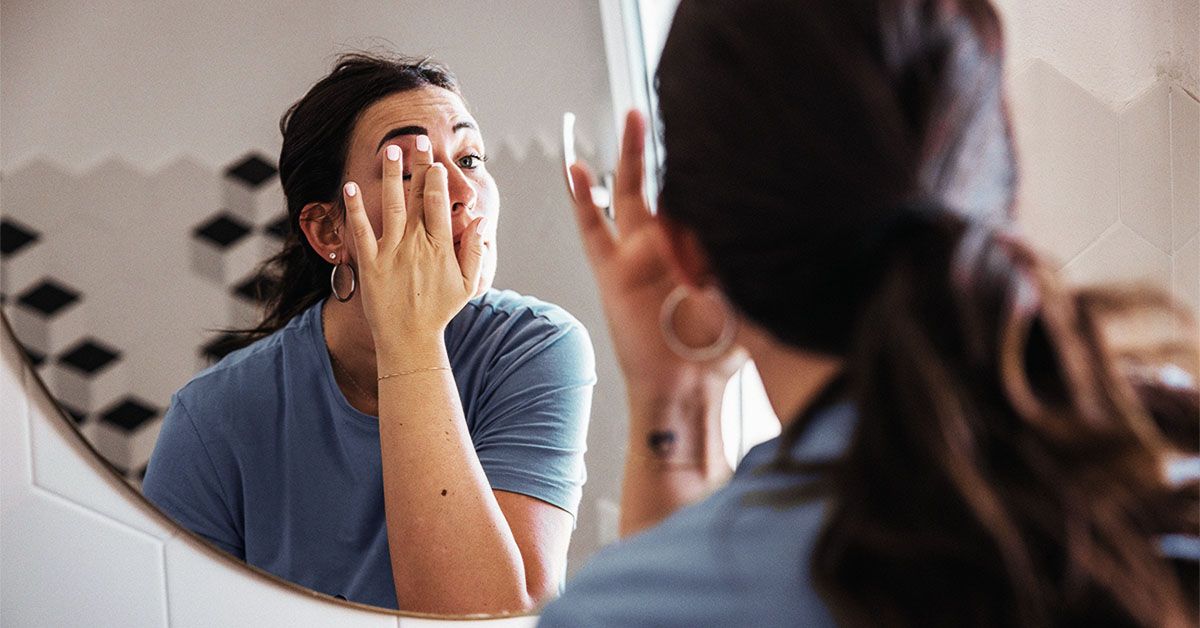

Eyebrow dandruff can feel like your face decided to start snowing without asking permission. One minute your brows look polished, and the next, tiny white or yellowish flakes are sitting in the hairs, clinging to the skin underneath, or falling onto your glasses, makeup, or shirt. Annoying? Absolutely. Rare? Not at all.
Although people often think of dandruff as a scalp problem, the same kind of flaking can appear in oily areas of the face, including the eyebrows, eyelids, sides of the nose, ears, beard area, and hairline. In many cases, eyebrow dandruff is linked to seborrheic dermatitis, a common inflammatory skin condition that causes flaky, itchy, sometimes greasy-looking patches. The good news: eyebrow dandruff is usually manageable with the right skin care routine, targeted treatments, and a little patience. The less fun news: it can come back, especially when stress, weather, harsh products, or oily skin decide to join the party.
This guide explains what causes eyebrow dandruff, how to tell it apart from similar skin issues, which treatments may help, and what home remedies are actually worth your time.
What Is Eyebrow Dandruff?
Eyebrow dandruff refers to visible flaking, scaling, or crusting in and around the eyebrows. The flakes may be dry and powdery, or they may look slightly greasy, yellow, or stuck to the skin. Some people also notice redness, itching, burning, tenderness, or irritation around the brow area.
The most common medical cause is seborrheic dermatitis. This condition tends to affect areas with more oil-producing glands, which is why the eyebrows are such a popular target. Think of your brows as tiny decorative awnings sitting in a high-oil neighborhood. When oil, skin yeast, inflammation, and sensitivity collide, flakes can appear.
Eyebrow dandruff is not contagious, and it does not mean you are dirty. In fact, over-washing or scrubbing the area can make irritation worse. The goal is not to attack your eyebrows like they owe you money. The goal is to calm the skin, reduce flaking, control triggers, and protect the delicate eye area.
Common Symptoms of Eyebrow Dandruff
Eyebrow dandruff can vary from mild flakes to more noticeable irritation. Symptoms may include:
- White, gray, or yellowish flakes in the eyebrows
- Dry or greasy scales under the brow hairs
- Itching, stinging, or mild burning
- Redness or discoloration around the eyebrows
- Flaking near the hairline, nose, beard, ears, or eyelids
- Crusty patches that return after washing
- Temporary brow hair shedding from scratching or inflammation
If the skin is painful, swollen, oozing, bleeding, or affecting your eyes, it is time to check in with a healthcare professional or dermatologist. Eyebrow flakes may be common, but eye-area problems deserve extra caution.
What Causes Eyebrow Dandruff?
1. Seborrheic Dermatitis
Seborrheic dermatitis is the leading suspect behind many cases of eyebrow dandruff. It is associated with inflammation and an overreaction to Malassezia, a type of yeast that naturally lives on the skin. Everyone has some yeast on their skin, so this is not a hygiene failure. The issue is how your skin responds to it.
In seborrheic dermatitis, the skin may become flaky, itchy, red, and oily-looking. The flakes often appear around the scalp, eyebrows, eyelids, nose folds, ears, chest, and beard area. It may improve with treatment, then flare again later. In other words, it is less like a one-time visitor and more like that relative who keeps “just stopping by.”
2. Dry Skin
Dry skin can also make the eyebrow area flaky. This usually creates smaller, lighter, powdery flakes rather than greasy yellow scales. Dryness may be triggered by cold weather, low humidity, hot showers, over-cleansing, harsh soaps, acne products, retinoids, or exfoliating too enthusiastically.
If your whole face feels tight, rough, or thirsty after washing, dryness may be part of the problem. A gentle cleanser and fragrance-free moisturizer can make a noticeable difference.
3. Contact Dermatitis
Contact dermatitis happens when the skin reacts to something it touches. Around the eyebrows, possible triggers include brow gels, pencils, pomades, tinting dyes, fragrances, essential oils, sunscreen, face creams, makeup removers, hair dye, nail polish transferred from fingers, and even shampoo running down the face.
Contact dermatitis may cause itching, redness, swelling, scaling, burning, or a rash with a sharp border. If your eyebrow dandruff started after adding a new product, changing your makeup routine, tinting your brows, or using a new hair product, the culprit may be hiding in plain sight.
4. Eczema
Facial eczema can cause dry, itchy, sensitive, flaky skin around the brows and eyelids. People with eczema often have a weaker skin barrier, meaning the skin loses moisture more easily and reacts strongly to irritants. Flare-ups may be triggered by fragrance, weather, sweat, stress, allergens, or harsh cleansers.
Because the eye area is delicate, eczema around the eyebrows should be treated gently. Strong steroid creams or aggressive exfoliants near the eyes can cause problems if used incorrectly.
5. Psoriasis
Psoriasis can sometimes affect the face, hairline, and eyebrow area. It often causes thicker, well-defined patches with silvery-white scale. Unlike typical dandruff, psoriasis plaques may be more stubborn and may appear on other areas such as the elbows, knees, scalp, nails, or behind the ears.
If your flakes are thick, recurring, painful, or paired with patches elsewhere on the body, a dermatologist can help determine whether psoriasis is involved.
6. Blepharitis and Eyelid Irritation
When flakes appear near the eyebrows, eyelids, and eyelashes, blepharitis may also be part of the picture. Blepharitis is inflammation of the eyelids and can cause crusting at the lash line, itching, burning, watery eyes, gritty sensations, and redness. Seborrheic dermatitis can contribute to blepharitis, so the two may overlap.
Because this involves the eyes, avoid experimenting with strong dandruff shampoos, acids, or oils near the lash line unless a clinician tells you exactly how to use them.
Eyebrow Dandruff vs. Dry Skin: How to Tell the Difference
Dry skin and seborrheic dermatitis can look similar, but there are clues. Dry skin usually feels tight and may improve quickly with moisturizer. Flakes are often fine, white, and loose. Seborrheic dermatitis often causes oily or waxy flakes, redness, itching, and recurring patches in oily zones like the scalp, eyebrows, nose creases, and ears.
Another clue is timing. Dry skin may flare during winter, after travel, or after using drying skin care products. Seborrheic dermatitis may also worsen in cold weather, but it often returns even when you moisturize faithfully. If moisturizer helps a little but the flakes keep coming back with a dramatic “hello again,” seborrheic dermatitis may be more likely.
Best Treatments for Eyebrow Dandruff
1. Use an Anti-Dandruff Shampoo Carefully
Many eyebrow dandruff treatments borrow from scalp dandruff care. Over-the-counter anti-dandruff shampoos may contain ingredients such as ketoconazole, selenium sulfide, zinc pyrithione, salicylic acid, or coal tar. These ingredients can help reduce yeast, oiliness, scale, and inflammation.
For eyebrows, the key word is carefully. These products are made for the scalp, and the eye area is sensitive. A common approach is to apply a tiny amount of lather to the eyebrows, keep it away from the eyes, leave it briefly, and rinse thoroughly. Do not let medicated shampoo drip into your eyes. If it stings, burns, or irritates your skin, stop using it and ask a healthcare professional for guidance.
2. Try an Antifungal Cream
Since seborrheic dermatitis is often linked to Malassezia yeast, antifungal creams may help. Some people benefit from over-the-counter or prescription antifungal products, such as ketoconazole or clotrimazole, depending on the diagnosis and severity.
Do not assume every flake needs antifungal treatment. If the issue is contact dermatitis or eczema, an antifungal alone may not fix it. A dermatologist can confirm the cause and recommend the right product for your skin.
3. Use Low-Strength Anti-Inflammatory Treatment When Needed
For red, itchy, inflamed eyebrow dandruff, doctors may recommend a short course of low-potency hydrocortisone or another anti-inflammatory medication. However, steroid creams near the eyes must be used cautiously and usually only for short periods. Overuse can thin the skin and may carry eye-related risks if used improperly.
For recurring facial dermatitis, a clinician may suggest non-steroid options such as topical calcineurin inhibitors. These can be useful for sensitive facial areas when appropriate.
4. Switch to a Gentle Skin Care Routine
Your eyebrows do not need a 12-step spa retreat. They need consistency, mildness, and fewer irritating surprises. Use a gentle, fragrance-free cleanser, rinse well, and avoid scrubbing flakes with rough towels, brushes, or exfoliating acids.
After cleansing, apply a lightweight, fragrance-free moisturizer around the brow area. If your skin is dry or sensitive, look for ingredients such as ceramides, glycerin, hyaluronic acid, or petrolatum. These help support the skin barrier and reduce water loss.
5. Pause Potential Triggers
If your eyebrow dandruff appeared after a new product, stop using that product for a couple of weeks and watch what happens. Common eyebrow-area triggers include brow waxes, gels, pencils, pomades, tinting kits, fragranced creams, retinoids, exfoliating toners, hair dye, and essential oils.
When reintroducing products, add one at a time. This makes it easier to identify the troublemaker instead of blaming your entire bathroom shelf.
Home Remedies for Eyebrow Dandruff
Warm Compresses
A warm compress can soften flakes and calm mild irritation. Wet a clean washcloth with warm water, wring it out, and hold it over the eyebrows for a few minutes. Follow with gentle cleansing and moisturizer. The goal is to loosen flakes, not scrape them off like old wallpaper.
Fragrance-Free Moisturizer
Moisturizer is not glamorous, but it is reliable. A bland, fragrance-free moisturizer can help if dryness or barrier irritation is contributing to flaking. Apply a thin layer after washing your face. Avoid heavy creams that migrate into the eyes.
Avoid Picking and Scratching
Picking flakes may feel satisfying for about three seconds, but it can worsen irritation, create tiny wounds, and increase the risk of infection. If itching is intense, cool compresses and proper treatment are better than turning your brows into a scratch zone.
Be Careful With Oils
Some people use oils such as coconut oil, olive oil, or tea tree oil for flakes. Oils may soften scale, but they can also irritate sensitive skin, clog pores, or worsen certain types of dermatitis. Tea tree oil, in particular, can cause allergic reactions and should never be used undiluted or close to the eyes.
If you try any natural remedy, patch test it first on a small area away from your eyes. Stop immediately if you notice burning, redness, swelling, or worsening flakes.
How to Prevent Eyebrow Dandruff From Coming Back
Prevention is about maintenance, not perfection. Eyebrow dandruff can be recurring, especially when seborrheic dermatitis is involved. These habits may help reduce flare-ups:
- Wash your face gently every day, especially after sweating.
- Use fragrance-free, non-irritating skin care products.
- Rinse shampoo and conditioner thoroughly so residue does not sit on your brow area.
- Limit harsh exfoliants, scrubs, and alcohol-heavy toners.
- Clean brow tools and makeup brushes regularly.
- Replace old eye and brow makeup.
- Manage stress when possible, since flare-ups may worsen during stressful periods.
- Use dermatologist-recommended maintenance treatment if dandruff returns often.
When to See a Dermatologist
Most mild eyebrow dandruff can improve with gentle care and over-the-counter treatments. However, you should seek medical advice if the flakes are severe, painful, spreading, or not improving after a few weeks of consistent care.
Make an appointment sooner if you have swelling around the eyes, crusting at the eyelashes, pus, bleeding, hair loss, open sores, vision changes, or a rash that appears suddenly after a new product or medication. You should also get checked if you have thick plaques, symptoms on multiple body areas, or frequent flare-ups that interfere with your daily life.
A dermatologist can determine whether the cause is seborrheic dermatitis, eczema, psoriasis, contact dermatitis, blepharitis, a fungal infection, or another condition. The right diagnosis matters because the wrong treatment can irritate your skin or delay improvement.
Eyebrow Dandruff Treatment Routine: A Simple Example
Here is a gentle routine that may help mild eyebrow dandruff:
Morning
Cleanse your face with a mild, fragrance-free cleanser. Pat dry with a soft towel. Apply a thin layer of fragrance-free moisturizer around the brows. If you use brow makeup, choose simple products and remove them fully at night.
Evening
Wash your face again to remove oil, sunscreen, and makeup. If your clinician has recommended an antifungal cream or medicated product, apply it as directed. Moisturize lightly afterward if your skin feels dry.
Two or Three Times Weekly
If appropriate for your skin, use a medicated dandruff shampoo carefully on the brows as a short-contact wash. Keep it out of your eyes and rinse thoroughly. Do not combine multiple strong treatments at once unless a healthcare professional approves the plan.
Makeup Tips for Flaky Eyebrows
Makeup can hide flakes temporarily, but it can also make them more obvious if applied over dry, raised scale. Before using brow makeup, soften the area with moisturizer and let it absorb. Avoid heavy waxy products when the skin is actively irritated. A light brow pencil may be less irritating than thick pomades or gels.
Remove makeup every night with a gentle cleanser or non-irritating makeup remover. Do not sleep in brow gel and hope the flakes will “sort themselves out emotionally.” They will not. Clean skin has a better chance to recover.
Experience-Based Section: Living With Eyebrow Dandruff in Real Life
Eyebrow dandruff is one of those small skin issues that can feel much bigger when it is happening on your own face. A tiny flake in the mirror may not be medically dramatic, but when it lands on your black shirt during a meeting, it suddenly becomes the main character. Many people first notice it while applying makeup, trimming their brows, washing their face, or taking a very honest selfie in natural light. Nothing exposes skin texture like bathroom lighting and a front-facing camera with no mercy.
One common experience is the “I thought it was just dry skin” phase. Someone may start with extra moisturizer, only to find that the flakes return by lunch. Then they scrub harder, which feels logical but often backfires. The skin becomes redder, itchier, and more irritated. This is when people realize eyebrow dandruff is not always about being dry. Sometimes the skin is inflamed, oily, and flaky at the same time, which feels unfair but is very possible.
Another familiar scenario is the product detective game. Maybe the flakes started after a new brow gel, a tinted eyebrow treatment, a fragranced moisturizer, or a shampoo that runs down the forehead in the shower. The hard part is that reactions are not always instant. A product can seem fine for days before the skin starts protesting. Keeping a simple routine for two weeks can be surprisingly helpful. When you remove the extra serums, scrubs, oils, and brow products, your skin gets a chance to reveal what it actually likes.
People who wear makeup often face a special challenge. Flakes can make brow pencil look patchy, while brow gel may cling to scale and create a crunchy texture that nobody requested. The best practical trick is to treat the skin first and decorate second. A thin layer of moisturizer, a few minutes of waiting, and a lighter hand with makeup can make brows look smoother. On flare-up days, skipping heavy brow products may help the skin calm down faster.
Stress is another real-life factor. Many people notice flakes during busy work weeks, poor sleep, exams, travel, illness, or seasonal changes. This does not mean stress is “all in your head.” Skin and the immune system communicate constantly. When life gets chaotic, skin conditions often become louder. A maintenance routine can help reduce the intensity of these flare-ups, even if it cannot prevent every single one.
There is also the confidence side. Facial flakes can make people self-conscious, especially because eyebrows frame the eyes. The reassuring truth is that most people are not inspecting your brows as closely as you are. Still, your comfort matters. If eyebrow dandruff keeps returning, professional help is worth it. A dermatologist can save you months of guessing and help you avoid treatments that are too harsh for the eye area.
The biggest lesson from real-world eyebrow dandruff is this: gentle consistency usually beats aggressive experimentation. Do not panic-scrub. Do not apply five remedies in one night. Do not put strong essential oils near your eyes because someone online said it “changed their life.” Start simple, protect the skin barrier, use proven treatments carefully, and get medical help when symptoms persist. Your eyebrows are not being dramatic on purpose. They are just asking for the right kind of attention.
Conclusion
Eyebrow dandruff is common, manageable, and usually not a sign of poor hygiene. The most common cause is seborrheic dermatitis, but dry skin, eczema, contact dermatitis, psoriasis, and eyelid inflammation can also play a role. The best treatment depends on the cause, which is why it helps to pay attention to symptoms, triggers, and patterns.
For mild cases, gentle cleansing, fragrance-free moisturizer, careful use of medicated dandruff shampoo, and avoiding irritating products may improve flakes. For stubborn, painful, recurring, or eye-related symptoms, a dermatologist can provide a clear diagnosis and safer treatment plan. With the right approach, your brows can go back to doing their real job: framing your face, expressing suspicion, and making you look more awake than you feel.