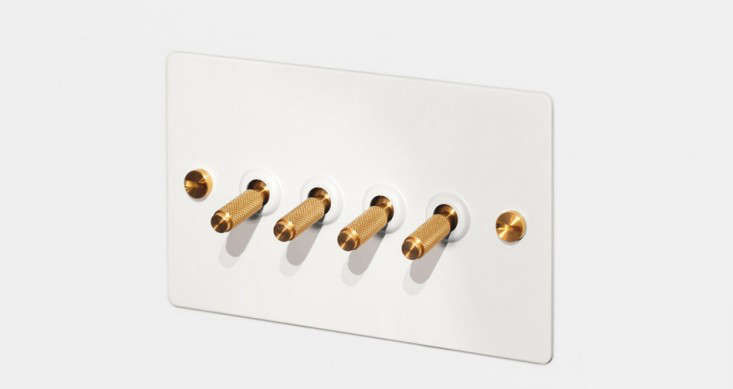

At first glance, the phrase “4G Toggle Switch 2G UK Plug Sockets” sounds like a gadget that might connect your toaster to a mobile network. Thankfully, your kettle is not about to start streaming movies. In electrical accessory language, “4G” usually means “four gang,” while “2G” means “two gang.” A 4G toggle switch gives you four separate switch controls on one faceplate, and a 2G UK plug socket provides two socket outlets in one unit. Together, they are common choices for homes, hotels, offices, retail interiors, rental properties, workshops, and renovation projects where clean control and tidy power access matter.
These fittings may look small, but they do a big job. The right switch and socket combination can make a wall feel polished, organized, and intentional. The wrong one can make even a beautiful room look like someone made a lighting plan during a power cut. Whether you are choosing polished chrome toggle switches for a boutique-style hallway or practical white double sockets for a busy kitchen, understanding the terminology, standards, ratings, finishes, and installation considerations will help you buy smarter and plan safer.
What Does 4G Toggle Switch Mean?
A 4G toggle switch is a four-gang switch plate. “Gang” refers to the number of separate switches on a single plate. A four-gang switch can control four individual lighting circuits or groups of lights. For example, one 4G switch near a living room entrance might control the ceiling lights, wall sconces, display cabinet lighting, and outdoor patio light. Instead of installing four separate single switches, you get one streamlined plate with four neat toggles.
The word toggle describes the switch mechanism. Unlike a broad rocker switch that presses up and down, a toggle switch uses a small lever. Toggle switches are popular in classic, industrial, farmhouse, vintage, and luxury interiors because they add a tactile, old-school charm. They make a room feel more designed, almost as if the wall has put on cufflinks.
What Is a 2-Way Toggle Switch?
Many 4 gang toggle switches are described as 2 way. This does not mean two switches are included; it means the switch can be wired so that one light is controlled from two different locations. A common example is a hallway light controlled from both ends of the hallway. Another example is a stair light operated from upstairs and downstairs.
A 2-way switch can often be used in a simple 1-way setup as well, depending on the product and wiring plan. That flexibility is one reason 2-way switches are widely stocked and frequently chosen by electricians. For homeowners, the key takeaway is simple: “2 way” is about control points, not the number of buttons.
What Does 2G UK Plug Socket Mean?
A 2G UK plug socket is a two-gang socket outlet, commonly known as a double socket. It has two plug-in positions on one faceplate. In the UK, standard domestic plug sockets are designed for Type G plugs and are commonly associated with 13 amp socket outlets. Most modern UK sockets also include shutters, which help prevent access to live contacts when a plug is not inserted.
Double sockets are used everywhere: bedrooms, living rooms, kitchens, home offices, shops, reception areas, and commercial fit-outs. In today’s world of phone chargers, laptops, routers, lamps, smart speakers, monitors, and mystery cables nobody admits owning, a single socket often feels like bringing one sandwich to a family picnic. A 2G socket gives more flexibility while keeping the installation tidy.
Why 4G Toggle Switches and 2G UK Plug Sockets Are Popular
The popularity of 4G toggle switches and 2G plug sockets comes down to three practical benefits: space-saving design, better control, and visual consistency. A four-gang switch reduces wall clutter. A double socket reduces the need for extension leads. Matching finishes across switches and sockets can make a room feel planned instead of patched together.
Interior design has also helped these products gain attention. Decorative wiring accessories are no longer treated as afterthoughts. Brushed steel, polished chrome, matte black, antique brass, satin nickel, white molded plastic, screwless flat plates, and raised-edge designs all create different effects. A polished chrome toggle switch can suit a modern kitchen. Antique brass can warm up a traditional hallway. Matte black can sharpen an industrial loft. White plastic remains the reliable, budget-friendly classic that quietly does its job without demanding applause.
Key Standards and Safety Considerations
UK plug sockets and switches should be selected with safety and compliance in mind. UK socket outlets are associated with the BS 1363 family of standards, while many wall switches are designed to meet switch standards such as BS EN 60669-1. For socket outlets, buyers commonly look for 13A ratings, shuttered outlets, strong terminal design, reliable switching, and suitable faceplate construction. For light switches, common ratings include 10AX for lighting circuits, although the correct rating depends on the intended use and installation.
Standards matter because a socket or switch is not just decoration. It is part of a mains electrical system. Poor-quality accessories can overheat, fail mechanically, loosen at terminals, or create shock risks. When buying online, look for recognized brands, clear specifications, proper markings, genuine approvals, and trustworthy sellers. A bargain switch with vague labeling is not a bargain if it turns your wall into a drama series.
Metal Faceplates Need Proper Earthing
Decorative metal switches and sockets are stylish, but they must be installed correctly. Metal faceplates normally require proper earthing. The earth connection helps ensure that if a fault occurs, protective devices can operate and reduce the risk of electric shock. This is especially important in older properties where wiring may not match modern expectations.
If you are replacing plastic switches with metal ones, do not assume everything behind the plate is ready. Some older lighting circuits may lack a circuit protective conductor at the switch position. In that case, a metal switch may not be suitable without remedial work. This is where a qualified electrician earns their tea.
RCD Protection and Modern Installations
Modern electrical installations often require additional protection through a 30mA residual current device, commonly called an RCD. RCDs help reduce the risk of serious electric shock by disconnecting power when leakage current is detected. This is particularly important for socket outlets and circuits used in higher-risk areas. Kitchens, utility rooms, outdoor-accessible sockets, and renovated spaces deserve careful planning.
For homeowners and landlords, the practical advice is straightforward: do not treat switches and sockets as purely cosmetic purchases. Choose quality products, confirm suitability, and use competent installation. The prettiest socket in the world still needs safe wiring behind it.
Common Types of 4G Toggle Switches
Not all 4G toggle switches are the same. The right choice depends on wiring needs, wall box depth, finish, style, and room function.
1. 4 Gang 2 Way Toggle Switch
This is one of the most flexible options. It can control four lighting circuits and may support two-location switching where needed. It is useful in hallways, large living areas, open-plan spaces, and rooms with layered lighting.
2. 4 Gang Intermediate Toggle Switch
Intermediate switches are used when a lighting circuit needs to be controlled from three or more locations. These are more specialized and should be planned carefully. They are often used in long corridors, staircases, and larger properties.
3. Decorative Flat Plate Toggle Switch
Flat plate switches sit close to the wall for a sleek look. They work best on smooth, even walls and may require deeper back boxes. They are popular in premium interiors where small details matter.
4. Raised Plate Toggle Switch
Raised plate switches are more forgiving on uneven walls and often easier to retrofit. They may not look as minimal as flat plates, but they are practical, sturdy, and widely used.
Common Types of 2G UK Plug Sockets
Double sockets also come in several versions. Choosing the right one depends on location, appearance, load requirements, and daily use.
1. Standard 2 Gang Switched Socket
This is the familiar double socket with two outlets and two switches. It is practical for bedrooms, living rooms, offices, and general-purpose use. The individual switches allow users to turn each outlet off without unplugging devices.
2. Unswitched 2 Gang Socket
Unswitched sockets are less common in domestic UK settings but may be used in certain commercial or controlled installations. They provide outlets without individual front switches.
3. USB 2 Gang Socket
USB sockets combine standard plug outlets with USB charging ports. They are convenient near beds, desks, and kitchen counters. However, buyers should choose reputable products with proper ratings and protection, especially because USB standards and charging expectations continue to evolve.
4. Decorative Metal 2G Socket
Metal double sockets are available in brushed steel, chrome, brass, black nickel, and other finishes. They look premium but require correct earthing and careful installation.
Where to Use 4G Toggle Switches and 2G Plug Sockets
These accessories are especially useful in rooms with multiple lighting zones and high power demand. A kitchen might use a 4G switch for ceiling lights, island pendants, under-cabinet lights, and dining-area lighting. The same kitchen may need multiple 2G sockets for appliances, chargers, coffee machines, and countertop devices.
In a living room, a four-gang toggle switch can control ceiling lights, picture lights, wall lights, and exterior lighting. Double sockets can be positioned near media units, sofas, and work corners. In a bedroom, a 2G socket near each side of the bed is almost essential unless you enjoy negotiating charger rights like a tiny domestic treaty.
Commercial spaces also benefit. Hotels use decorative switches and sockets to create a consistent guest experience. Retail stores use multi-gang switches for display lighting, signage, and mood lighting. Offices need practical double sockets around desks and meeting areas. In all cases, planning ahead prevents clutter later.
Design Tips for Matching Switches and Sockets
The easiest way to make electrical accessories look intentional is to keep the finish consistent within each room. You do not have to use the same finish throughout an entire property, but each area should feel coherent. For example, use brushed steel in the kitchen, antique brass in the hallway, and matte black in a home office. Mixing too many finishes in one room can make the wall look like a sample board escaped from a showroom.
Also consider the wall color. White sockets blend into white walls. Black accessories create contrast on pale walls. Brass warms up dark paint. Chrome reflects light and suits contemporary spaces. Flat plate designs look best when walls are smooth. Raised plates are often better for older walls with uneven plaster.
Buying Checklist for 4G Toggle Switches and 2G UK Plug Sockets
Before buying, check the product description carefully. For a 4G toggle switch, confirm the number of gangs, whether it is 1 way, 2 way, or intermediate, the current rating, voltage rating, terminal type, plate size, required back box depth, and finish. For a 2G socket, check whether it is switched or unswitched, the amperage rating, shuttering, USB output if included, terminal capacity, faceplate material, and compliance markings.
Brand reputation matters. Established manufacturers usually provide clearer datasheets, consistent finishes, better terminal design, and replacement availability. This is helpful if you later need matching switches, dimmers, fused spurs, cooker switches, or data outlets. Nothing is more annoying than finding the perfect finish and discovering the matching socket was discontinued sometime around the invention of dial-up internet.
Installation: What Homeowners Should Know
Electrical installation is not the place for guesswork. In the UK, minor replacements may be allowed in some situations if the person doing the work is competent and the location is not special or restricted. However, new circuits, bathroom work, kitchen alterations, outdoor supplies, and many rental or commercial scenarios can involve additional rules, certification, or professional requirements.
Always isolate the power before any work is carried out. Test that the circuit is dead using suitable equipment. Check that cable identification is correct. Confirm earthing continuity. Make sure terminals are tight but not damaged. Use the correct back box depth. Avoid forcing accessories into shallow boxes, especially flat plate or USB sockets, because cramped wiring can stress conductors and connections.
If there is any uncertainty, hire a qualified electrician. This is not defeat; it is wisdom wearing a high-vis vest. A professional can test the circuit, confirm compatibility, issue appropriate documentation where needed, and reduce the risk of overheating, nuisance tripping, or unsafe installation.
Common Mistakes to Avoid
Choosing by Looks Alone
A beautiful switch still needs the correct rating and configuration. Do not buy a 4G toggle switch simply because it matches your cabinet handles. Check whether it is suitable for the circuit and lighting arrangement.
Ignoring Back Box Depth
Flat plate accessories, dimmers, and USB sockets often need more depth than basic white plastic fittings. If the wall box is too shallow, the plate may not sit flush or the wiring may be compressed.
Mixing Finishes Without a Plan
Chrome, brass, nickel, and black can all look great, but not necessarily on the same wall. Choose a finish strategy before ordering.
Using Metal Accessories Without Confirming Earth
Metal faceplates should be correctly earthed. If the existing wiring does not provide suitable earthing, stop and get professional advice.
Buying Vague, Unbranded Products
Electrical accessories should have clear specifications. Avoid products with poor documentation, unclear ratings, or suspiciously low prices.
Real-World Examples
Imagine a renovated open-plan kitchen and dining room. The homeowner wants four lighting zones: main ceiling downlights, island pendants, under-cabinet task lighting, and dining table feature lights. A 4 gang 2 way toggle switch near the main entrance can bring all four controls into one elegant plate. If there is another entrance from the garden, selected lights may need 2-way control from both positions.
Now picture a home office. A 2G UK plug socket near the desk can power a monitor and laptop charger, while another double socket near the printer handles office equipment. If USB charging is needed, a reputable USB double socket may reduce the number of plug-in adapters. The result is cleaner, safer, and less likely to become a cable jungle where dust bunnies go to build civilizations.
Maintenance and Long-Term Use
Good switches and sockets should feel firm, secure, and consistent. Toggle levers should not wobble excessively. Socket switches should operate smoothly. Plugs should fit securely without looseness. If a socket becomes warm, crackles, smells unusual, sparks repeatedly, or shows discoloration, stop using it and call an electrician.
Cleaning should be gentle. Turn off power where appropriate and use a dry or lightly damp cloth. Avoid spraying cleaners directly onto switches or sockets. Metal finishes can be sensitive to abrasive products, so treat them like the visible design features they are.
Experience-Based Notes on 4G Toggle Switch 2G UK Plug Sockets
From real renovation planning and product-selection experience, the most important lesson about 4G toggle switches and 2G UK plug sockets is that they should be chosen early, not at the very end when everyone is tired and the budget has started making tiny whimpering noises. Switches and sockets affect wiring routes, back box depth, wall finishes, furniture placement, and the final look of a room. Leaving them until the last minute can create awkward compromises.
One common experience is that homeowners underestimate how many sockets they need. A living room may seem fine with two double sockets until the TV, streaming box, router, lamp, phone charger, game console, and occasional vacuum cleaner all arrive at the party. A 2G socket in the right place is far better than an extension lead dragged across the floor like a trip hazard with a plug on the end.
Another practical lesson is that toggle switches feel different from rocker switches. Many people choose them for style, then discover they also enjoy the tactile click. A good toggle switch gives a satisfying sense of control. It feels deliberate. That matters in spaces where design and daily comfort overlap, such as bedrooms, hallways, boutique rentals, and hospitality interiors.
However, toggle switches are not always the best choice for every household. In homes with very young children, older users, or people with limited hand mobility, wide rocker switches may be easier to operate. The smartest design choice is not always the most fashionable one. It is the one that works beautifully for the people using the space every day.
Finish selection is another area where experience helps. Polished chrome looks glamorous in product photos but shows fingerprints more easily. Brushed steel hides marks better and works with many modern appliances. Antique brass adds warmth but can clash with cool-toned interiors if used without thought. Matte black is striking, but on a dark wall it may disappear more than expected. Ordering a sample plate before buying the whole property’s worth of accessories can prevent expensive regret.
Back box depth is a surprisingly common issue. Basic plastic switches may fit existing shallow boxes, while decorative flat plate switches or USB sockets may need deeper boxes. During renovations, it is wise to confirm this before plastering and decorating. Nobody wants to chip into a freshly painted wall because a beautiful new socket sits out like it is trying to leave.
For landlords and property managers, durability and replaceability matter as much as appearance. A premium finish is attractive, but it should be part of a range that includes matching spares. Tenants may damage a socket, cleaners may scratch a plate, and future repairs are easier when the product line is still available. Consistency also makes inspections and maintenance simpler.
In kitchens, the best experience comes from planning sockets around real habits. Where will the kettle sit? Where does the coffee machine live? Will there be under-cabinet lighting? Does the island need power? Are appliance switches accessible but discreet? A 4G toggle switch can organize multiple lighting layers, while well-placed 2G sockets keep countertops useful without becoming cluttered.
Finally, professional installation is worth it. Even confident DIYers can misread old wiring, overlook missing earth connections, or underestimate the importance of testing. A qualified electrician can confirm that the accessory is suitable, the circuit is safe, and the finished installation is more than just good-looking. When dealing with mains electricity, “probably fine” is not a strategy. It is a warning label in disguise.
Conclusion
4G toggle switches and 2G UK plug sockets may be small wall accessories, but they influence safety, convenience, design, and everyday comfort. A four-gang toggle switch can bring multiple lighting controls into one elegant location, while a two-gang UK socket provides practical power access for modern life. The best results come from choosing compliant products, matching finishes thoughtfully, confirming ratings and back box requirements, and using competent installation.
Whether you are updating a single room or planning a full renovation, treat switches and sockets as part of the design, not an afterthought. Done well, they blend function with style so smoothly that nobody notices them for the wrong reasons. And in home improvement, that is often the quietest kind of success.