Guy Decides Not To Give Up A Kidney For Best Friend’s Sister As She Intentionally Disrespects Him

Note: This article is based on publicly discussed relationship dilemmas and general medical and ethical guidance about living kidney donation from reputable U.S. health and transplant organizations. It is for informational and editorial purposes only, not medical or legal advice.
When Friendship Meets a Life-Changing Ask
Friendship can ask a lot from us. It may ask us to show up at 2 a.m., help move a couch that is somehow heavier than a compact car, or listen patiently to the same breakup story for the ninth time. But donating a kidney? That is not “best friend duty.” That is major surgery, lifelong health consideration, and an emotional commitment rolled into one very serious decision.
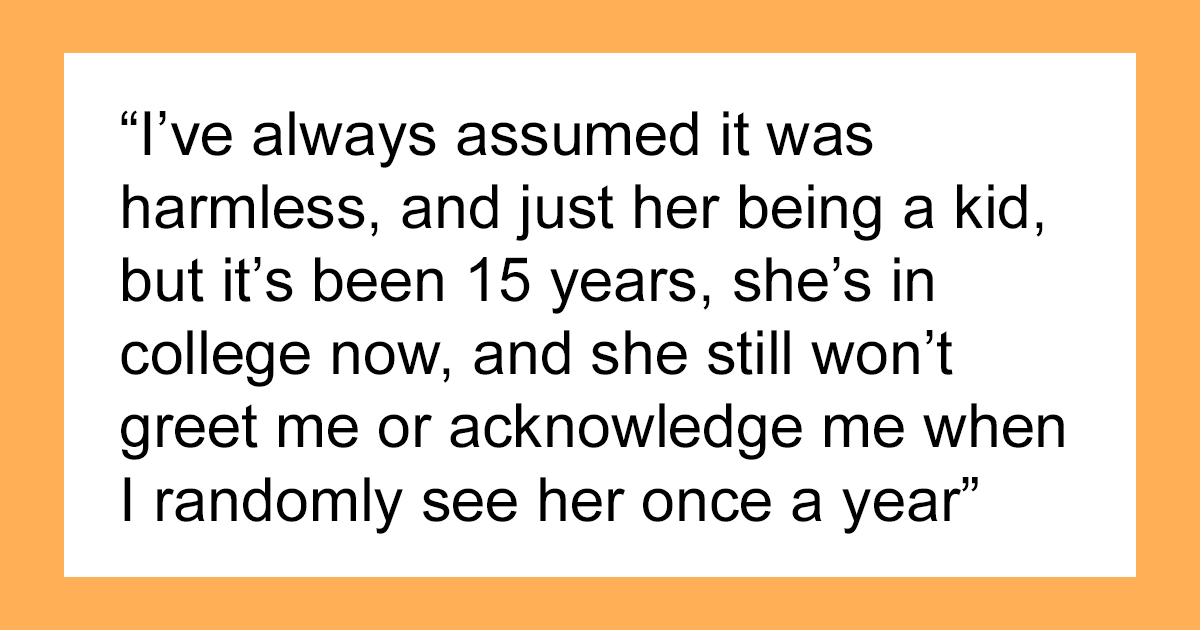
The story centers on a man who was asked whether he would consider donating a kidney to his best friend’s sister. On paper, it sounds like the kind of dramatic moral test that makes everyone in the group chat suddenly become a philosopher. The best friend was someone he deeply cared about. The sister, however, had spent years treating him coldly, rudely, and dismissively. According to the situation, her disrespect was not a single awkward teenage phase that vanished after graduation. It followed them into adulthood like an unpaid subscription nobody could cancel.
So when the possibility of kidney donation came up, the man hesitated. Not because he wished harm on her. Not because he lacked empathy. But because giving up an organ is not the same as lending someone a jacket. You do not get to say, “Actually, I need that back next weekend.”
The Core Conflict: Is He Wrong for Saying No?
The emotional conflict is easy to understand. His best friend’s sister needed help, and kidney failure is no small matter. A transplant can dramatically improve quality of life for many people with end-stage kidney disease. Living donor kidneys often function well and can reduce waiting time compared with waiting for a deceased donor. From the recipient’s side, a willing living donor can feel like hope walking through the front door wearing sneakers.
But the donor’s side matters just as much. Living kidney donation requires extensive medical testing, psychological evaluation, informed consent, surgery, recovery time, and long-term follow-up. In the United States, transplant programs are expected to make sure a potential donor is acting voluntarily and understands the risks. A donor should not be pressured, guilted, cornered, or emotionally blackmailed into surgery. The medical system does not treat hesitation as a charming little quirk. It treats it as important information.
That is why many people reacting to this kind of scenario focus on bodily autonomy. A person can support someone’s health crisis, care about their pain, and still say no to donating an organ. Compassion does not require self-sacrifice without limits. Boundaries are not cruelty wearing sunglasses.
Living Kidney Donation Is Generous, But It Is Not Casual
Living kidney donation is possible because most people can live healthy lives with one kidney. The remaining kidney adapts and takes on additional work. Many living donors recover well and return to normal daily activities after several weeks. That is the encouraging part.
The serious part is that donation is still major surgery. Possible short-term risks include pain, bleeding, infection, blood clots, hernia, complications from anesthesia, and wound issues. Some donors may experience fatigue, digestive discomfort, or temporary physical limitations during recovery. There are also long-term considerations, including changes in kidney function and the need to protect overall health with regular checkups.
Most donors do well, but “most” is not the same as “risk-free.” Anyone considering donation deserves honest counseling, private medical conversations, and the freedom to walk away. Informed consent is not a decorative formality. It is the ethical foundation of living donation.
Why the Sister’s Disrespect Matters Emotionally
Some readers may argue that a person’s rude behavior should not matter when a life is at stake. That sounds noble, and in some situations, people may choose to help someone who treated them poorly. Humans are complicated; occasionally we are heroic, occasionally we are petty, and occasionally we eat cereal for dinner because adulthood has no referee.
Still, emotional history matters. Donation is not only a medical event. It can create a lasting psychological connection between donor and recipient, especially when the recipient is someone known personally. If the potential donor already feels dismissed, disrespected, or treated like an outsider, the request can feel less like an invitation to help and more like a demand: “We do not value you much, but we would like your kidney, please.” That is a difficult emotional package to unwrap.
The man’s concern was not simply that the sister had once been unpleasant. It was that she had repeatedly treated him like he did not matter. When someone has spent years showing you where you stand, it is reasonable to believe them. A medical crisis may inspire compassion, but it does not automatically erase the past.
Friendship Does Not Equal Ownership
One of the most important lessons from this story is that friendship cannot be used as a title deed over another person’s body. A best friend may ask for support. They may ask for help navigating transplant options, rides to appointments, fundraising support, emotional backup, or help spreading the word about donor registration. But they cannot demand an organ as proof of loyalty.
Healthy friendship leaves room for “no.” If a relationship only works when one person sacrifices beyond their comfort, it is not loyalty; it is a hostage negotiation with birthday cards.
The man’s fear was that refusing would make him seem heartless. That fear is common in high-stakes family and medical situations. People often feel pressured to perform goodness in visible, dramatic ways. But morality is not measured only by the most extreme thing you are willing to give. A person can be kind, loyal, and decent while keeping both kidneys exactly where nature installed them.
The Ethics of Consent: No Pressure, No Guilt, No Coercion
In living organ donation, consent must be voluntary. Transplant teams typically evaluate not just physical compatibility but also the donor’s emotional readiness, motivation, understanding of risks, and freedom from coercion. A potential donor who feels pressured by family expectations, friendship obligations, financial dependence, or fear of social punishment may not be an ideal candidate.
This matters because organ donation can be surrounded by powerful emotions. When someone is very sick, loved ones may panic. Panic can turn into persuasion. Persuasion can turn into pressure. Pressure can turn into guilt. Suddenly, the potential donor is not making a free choice; they are trying to escape being labeled a villain.
That is why private donor advocacy exists. A donor should be able to speak honestly with medical professionals away from the recipient and family. In many transplant settings, there are ways for a potential donor to confidentially decline or be ruled out without publicly explaining every personal reason. This protects donors from backlash and protects the integrity of the donation process.
Could He Still Support His Friend Without Donating?
Absolutely. Saying no to kidney donation does not mean disappearing into the bushes like a cartoon raccoon. There are many ways to support a friend whose family member needs a transplant.
He Could Help With Practical Support
He could offer rides, meals, help with errands, or assistance during appointments. Chronic illness affects the whole family, and practical help can reduce stress in meaningful ways.
He Could Help Spread Awareness
He could share accurate information about living donation, deceased donor registration, paired kidney exchange programs, and transplant resources. Sometimes a person who is not the right donor can still help the recipient find a path forward.
He Could Support His Best Friend Emotionally
His best friend may be terrified, overwhelmed, and desperate. A compassionate conversation can acknowledge that pain without surrendering bodily autonomy. The key is to be honest without turning the sister’s medical crisis into a courtroom drama about her personality.
How He Might Say No Without Being Cruel
Because the relationship matters, communication should be careful. A blunt “Your sister was rude, so my kidney is staying home” may be emotionally satisfying for three seconds and then detonate the friendship like a microwave full of foil.
A calmer response could sound like this:
“I love you and I’m truly sorry your family is going through this. I’ve thought seriously about it, and I’m not comfortable becoming a living donor. I know that may be hard to hear, but this is a medical and personal decision I have to make for myself. I still want to support you in other ways.”
This approach does three things. It validates the friend’s pain, gives a clear answer, and avoids unnecessary debate. He does not need to list every wound from the last 15 years unless he chooses to have that deeper conversation later.
Why “But She Needs It” Is Not the Whole Argument
Need creates urgency, but it does not create entitlement. Many people need blood, organs, money, housing, caregiving, or emotional support. Need can make a request understandable, but it cannot automatically override another person’s consent.
That distinction is crucial. The sister’s condition may be heartbreaking. Her family’s fear may be real. The best friend’s desperation may be sincere. But none of that transforms the man’s body into community property.
When we forget this, we create a dangerous moral shortcut: the person in crisis becomes the only person whose wellbeing counts. But living donors are patients too. They deserve protection, dignity, privacy, and choice.
The Role of Gratitude and Relationship Repair
One uncomfortable part of the story is the man’s doubt about whether the sister would even appreciate the sacrifice. Ideally, organ donation should not be transactional. A donor should not give a kidney expecting worship, lifelong favors, or a commemorative parade with balloons shaped like renal anatomy.
However, gratitude still matters in human relationships. If someone has treated you badly for years and suddenly needs something enormous, it is natural to wonder whether they see you as a person or a resource. A sincere apology from the sister might not change his decision, but it could change the emotional tone. Respect should not appear only when someone needs access to your internal organs.
That said, the man does not owe donation even if she apologizes. Apology can repair dignity; it cannot purchase a kidney.
What This Story Reveals About Boundaries
This situation is extreme, but the lesson applies to ordinary life too. Many people struggle to say no because they fear disappointing others. They lend money they cannot afford, babysit when exhausted, host relatives who insult them, or take on emotional labor because “family” or “friendship” says they should.
Kidney donation simply makes the boundary visible. It turns an everyday problem into a surgical-level question: How much of yourself are you required to give to remain a good person?
The answer is not “everything.” Giving should come from willingness, not fear. A boundary is not a lack of love. Sometimes it is the only way love can remain healthy.
Public Reaction: Why So Many People Side With the Donor
Online discussions about this kind of dilemma often lean strongly toward the potential donor. The reason is simple: most people recognize that organ donation is one of the clearest examples of personal choice. You can encourage donation in general. You can admire living donors. You can hope more people register as organ donors. But you cannot morally draft someone into surgery.
People also react strongly to the sister’s long-term disrespect. Social media audiences may be dramatic, but they have a sharp radar for hypocrisy. When someone ignores, insults, or devalues another person for years, then benefits from that person’s sacrifice, the imbalance feels unfair. It is the emotional equivalent of refusing to water a plant and then asking it for shade.
The Bigger Picture: Organ Donation Needs Compassion and Consent
The United States continues to face a major need for kidney transplants. Many patients spend years managing dialysis while waiting for a compatible organ. Living donation can be life-changing, and paired donation programs can help when a willing donor is not a direct match. Public education about donation matters deeply.
But ethical donation must protect both sides. Recipients deserve hope, care, and access to transplant options. Donors deserve honest information, privacy, and the ability to decline. A system that pressures people into donation would damage trust and turn generosity into obligation.
The best version of living donation is not “prove you love me.” It is “I understand the risks, I freely choose this, and I have support before and after.” Anything less deserves serious pause.
Final Takeaway: He Is Allowed to Keep His Kidney
The man in this story is not wrong for deciding not to give up a kidney for his best friend’s sister. He may feel sadness, guilt, or fear about how his friend will react, but discomfort does not equal wrongdoing. This is a deeply personal medical decision, and he has the right to say no without being painted as cold or selfish.
Could he handle the conversation with kindness? Yes. Should he avoid mocking or blaming a sick person? Also yes. But must he undergo major surgery for someone who has intentionally disrespected him for years? No.
Real generosity requires freedom. If someone cannot decline, then it is not a gift; it is extraction with better lighting.
Experience-Based Reflections: What Similar Situations Teach Us
Many people will never be asked to donate a kidney, but almost everyone will face a moment when someone asks for more than they can comfortably give. The request may involve money, caregiving, time, emotional support, housing, or forgiveness. The pressure can feel especially intense when the person asking is connected to someone we love.
One common experience is the “relationship middleman” problem. In this story, the man’s strongest bond is with his best friend, not the sister. That makes the request emotionally tangled. He may not want to hurt his friend, yet the sacrifice would be for someone who has never treated him warmly. Many people experience a smaller version of this when a friend asks them to help a difficult relative, attend an uncomfortable family event, or forgive someone who has never apologized. The real question becomes: Am I helping because I want to, or because I am afraid of losing the relationship?
Another lesson is that resentment grows when respect is missing. People are often willing to go above and beyond for those who make them feel valued. They drive across town, cover shifts, lend money, and show up during emergencies. But when someone has repeatedly been dismissive, even a small request can feel heavy. A huge request can feel outrageous. Respect is not a luxury item in relationships. It is basic maintenance, like changing the oil in a car before the engine starts making sounds expensive enough to ruin your month.
There is also the experience of guilt after saying no. Even when a boundary is reasonable, people may replay the conversation for days. They may wonder if they were too harsh, too selfish, or too protective of themselves. In medical crises, guilt can become even louder because the stakes are so high. But guilt is not always a moral compass. Sometimes it is just the emotional echo of disappointing someone.
People who have navigated difficult family or friendship boundaries often learn that a clear no is kinder than a resentful yes. Saying yes to something enormous while feeling pressured can poison the relationship later. The person who agreed may feel used. The person who received help may sense hidden anger. Everyone ends up walking on eggshells, and nobody even ordered eggs.
In situations like this, it helps to separate compassion from compliance. Compassion might sound like, “I am so sorry you are going through this, and I want to help in ways I realistically can.” Compliance sounds like, “I will do whatever you ask because I cannot tolerate your disappointment.” The first is healthy. The second is a recipe for burnout with a side of silent screaming.
The story also reminds readers that apologies matter before emergencies. If the sister had recognized her behavior earlier, treated the man with basic kindness, or built even a modest relationship with him, the emotional landscape might have been different. That does not mean he would owe her a kidney, but the request would not carry the same sting. People cannot neglect relationships for years and then expect sacrifice to appear on demand like same-day delivery.
Finally, this scenario teaches that the body is the final boundary. We may compromise on plans, opinions, schedules, and holiday menus. We may endure awkward dinners and help people move despite knowing they own too many books. But when the request involves surgery, long-term health, and permanent physical change, the standard must be absolute consent. No one should have to justify keeping their own organ.
The most humane answer is balanced: the man can care about his friend, feel sympathy for the sister, and still decline. He can support the search for a donor, encourage professional transplant guidance, and remain emotionally present for his friend. But the kidney decision belongs to him alone. That is not selfishness. That is bodily autonomy doing exactly what it is supposed to do.
Conclusion
The dilemma of a guy deciding not to give up a kidney for his best friend’s sister is not just internet drama. It is a sharp reminder that kindness has limits, consent matters, and personal sacrifice must be freely chosen. Living kidney donation can be an extraordinary act of generosity, but it should never be treated as a friendship tax or a moral invoice.
The sister’s history of intentional disrespect adds emotional weight, but even without that history, the answer would remain the same: no one is obligated to donate an organ. A person may choose to help in other meaningful ways, but surgery requires full willingness, not guilt, fear, or social pressure.
In the end, the man’s decision is understandable. He can be compassionate without becoming a donor. He can love his best friend without giving up a kidney. And he can say no without becoming the villain of the story. Sometimes the bravest boundary is the one that keeps you whole.