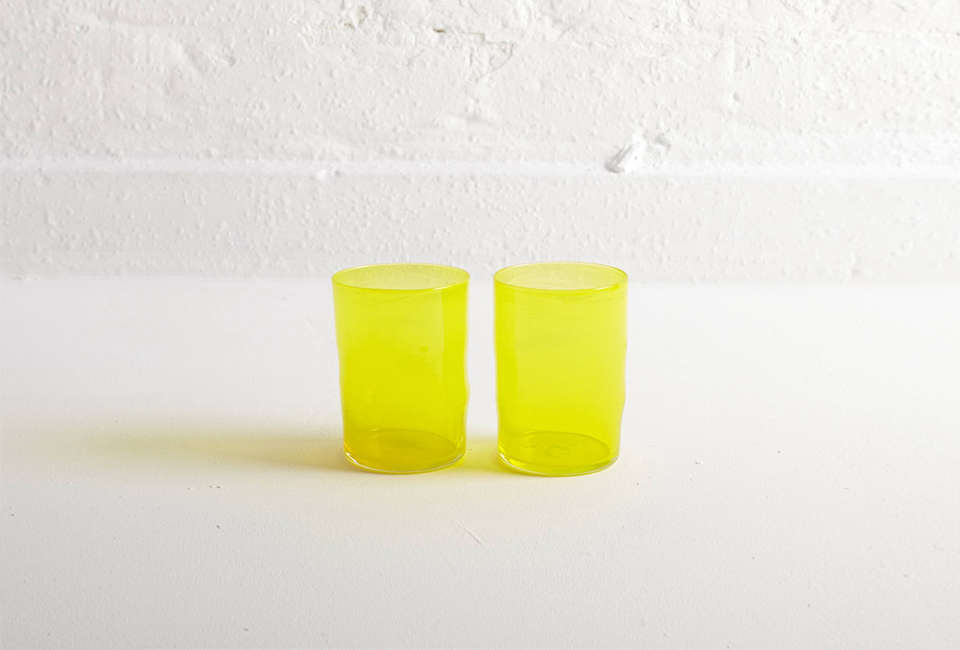

A pair of hand-blown glasses is one of those small home upgrades that quietly changes the way you drink, host, decorate, and occasionally pretend your sparkling water is a rare imported mineral water from a mountain only accessible by goat. Unlike mass-produced tumblers that come marching out of a factory line looking perfectly identical, hand-blown glasses carry the charm of human touch: slight variations in shape, tiny bubbles, subtle color movement, and a silhouette that feels alive rather than stamped into existence.
That is the real magic of hand-blown glassware. Each piece begins as molten glass, shaped by heat, breath, gravity, tools, and timing. The result is functional art you can actually use. A pair of hand-blown glasses can serve wine, cocktails, iced tea, water, juice, mocktails, espresso tonic, or the last heroic pour from a bottle of lemonade hiding in the refrigerator door. They are practical, beautiful, and just fancy enough to make a Tuesday dinner feel like it has hired a stylist.
This guide explores what makes hand-blown glasses special, how they are made, what to look for when buying a pair, how to care for them, and why they make such excellent gifts. We will also dive into real-life experiences with hand-blown glasses at the end, because glassware is not just about specs. It is about the clink, the feel, the table, the mood, and the person across from you saying, “Wait, where did you get these?”
What Are Hand-Blown Glasses?
Hand-blown glasses are drinking vessels shaped by artisans using traditional glassblowing techniques. In the simplest terms, hot glass is gathered on the end of a blowpipe, inflated into a bubble, shaped with tools or molds, and then slowly cooled so the finished glass becomes stable and usable. The process sounds simple in the same way baking a perfect croissant sounds simple: technically, yes; emotionally, no.
Because these glasses are made by hand, no two pieces are exactly alike. Even when sold as a pair, one glass may be a millimeter taller, slightly wider at the rim, or have a tiny air bubble suspended in the wall. These are not flaws. They are signatures of the process. A handmade pair should feel coordinated, not cloned.
Common Features of Hand-Blown Glasses
Many hand-blown glasses have a few qualities that shoppers immediately notice. They may feel lighter than expected, have a smoother lip, display gentle ripples, or show color that shifts slightly depending on the light. Some are clear and minimalist; others feature swirls, speckles, smoky tones, amber bases, cobalt rims, recycled-glass tints, or artistic imperfections that look like the glass had a very stylish dream.
The appeal is both visual and tactile. A good pair of hand-blown glasses should feel balanced in the hand, comfortable at the rim, and pleasing on the table. The best ones do not scream for attention. They simply make everything around them look more intentional.
How Hand-Blown Glasses Are Made
The glassblowing process is a dance between control and chaos. Molten glass is extremely hot, fluid, and constantly changing. The glassblower must keep the material moving, rotate it evenly, reheat it when needed, shape it quickly, and know when to stop. Too much heat, and the form can collapse. Too little heat, and the glass becomes stiff before the shape is finished. In other words, the glass has opinions.
Step 1: Gathering the Molten Glass
The process begins at the furnace, where glass is heated until it becomes a glowing, honey-like material. The artisan dips a blowpipe into the molten glass and gathers a small amount onto the end. The amount gathered depends on the desired size and thickness of the final glass. For a drinking glass, the gather must be just right: enough material to create strength, but not so much that the tumbler feels like a paperweight with beverage ambitions.
Step 2: Forming the Bubble
After gathering, the glassblower introduces air through the pipe. This creates the first bubble inside the molten glass. That bubble becomes the hollow interior of the drinking glass. The maker may roll the glass on a metal surface, use wet wooden tools, or work with jacks and paddles to guide the form.
Step 3: Shaping the Glass
Depending on the design, the glass may be shaped freely or with the help of a mold. Free-blown glasses often show more organic variation, while mold-assisted pieces can offer more consistency between the two glasses in a pair. Both approaches can be highly skilled. The goal is to create a pleasing silhouette, a stable base, and a rim that feels smooth when drinking.
Step 4: Finishing the Rim and Base
The rim may be opened, widened, cut, polished, or fire-finished. The base is also refined so the glass sits evenly. This detail matters more than people realize. A gorgeous tumbler that wobbles like it has just heard shocking gossip is not ideal for a dinner table.
Step 5: Annealing and Cooling
Once formed, the glass is placed into an annealing oven, where it cools slowly. This step reduces internal stress. Without proper annealing, glass can crack later, even if it looks finished. Slow cooling is what allows a delicate-looking object to become strong enough for everyday use.
Why Choose a Pair Instead of a Full Set?
A pair of hand-blown glasses is an excellent entry point into artisan glassware. Full sets can be expensive, especially when each piece is individually made. A pair gives you the beauty and experience of handmade glass without requiring you to redesign your entire kitchen cabinet around your new personality as a glassware collector.
Pairs are also ideal for couples, close friends, home bars, small apartments, and gift-giving. They feel intimate. A pair says, “Let’s sit down and enjoy something together.” It works for wine, whiskey, cocktails, dessert drinks, or simply cold water after a long day. Sometimes the best luxury is not rare champagne. Sometimes it is drinking ordinary water from a glass that makes your kitchen counter look like a boutique hotel lobby.
Best Uses for Hand-Blown Glasses
Everyday Water Glasses
Hand-blown glasses can absolutely be used for water. In fact, that may be their highest calling. A beautiful water glass turns a basic daily habit into something more mindful. It also encourages you to hydrate, which is helpful if your current wellness routine is mostly coffee and optimism.
Cocktails and Mocktails
Hand-blown tumblers are excellent for cocktails like an Old Fashioned, Negroni, Paloma, spritz, or whiskey sour over ice. Their visual texture catches the light beautifully, especially when paired with citrus, herbs, or a large clear ice cube. For mocktails, they make sparkling water, ginger beer, shrubs, and fruit-forward drinks look restaurant-ready.
Wine and Aperitifs
Stemless hand-blown glasses are popular for casual wine service. They are easier to store than stemware and often feel more relaxed. A gently rounded bowl can work well for red, white, rosé, orange wine, or chilled vermouth. While serious wine lovers may still prefer stemmed glasses for certain bottles, a hand-blown pair is perfect for easy evenings and low-pressure hosting.
Desserts and Small Servings
Do not limit these glasses to drinks. They can hold layered pudding, panna cotta, fruit, affogato, granita, yogurt parfaits, or tiny scoops of ice cream. A clear hand-blown glass with dessert inside looks far more impressive than the effort required. This is the kind of kitchen math we support.
What to Look for When Buying Hand-Blown Glasses
1. Comfortable Weight
A good drinking glass should feel balanced. Some hand-blown glasses are feather-light, while others have a thicker, grounded base. Neither is automatically better. Lightweight glass feels elegant; heavier glass feels sturdy. Choose based on how you plan to use the pair. For daily use, a little weight can be reassuring. For wine or aperitifs, a thinner profile may feel more refined.
2. Smooth Rim
The rim is where the experience happens. Look for a rim that is smooth, even, and pleasant against the lips. Thin rims tend to feel more luxurious, while slightly thicker rims may offer durability. Avoid anything rough, sharp, or uneven in a way that affects drinking comfort.
3. Stable Base
Place the glass on a flat surface and check for wobble. A handmade glass may have subtle variation, but it should not feel unstable. Stability matters, especially if you plan to use the glasses for cocktails, dinner parties, or any table where elbows, pets, or enthusiastic storytelling are involved.
4. Size and Capacity
Think about what you drink most often. Smaller glasses around 8 to 10 ounces work well for cocktails, juice, wine, and aperitifs. Larger glasses around 12 to 16 ounces are better for water, iced tea, soda, and mixed drinks with ice. A versatile pair often sits somewhere in the middle.
5. Dishwasher Guidance
Some hand-blown glasses are labeled dishwasher-safe, while others should be hand-washed. Always check the maker’s care instructions. Even when dishwasher use is allowed, hand-washing can help preserve clarity, finish, and delicate details. Think of it as spa treatment for your glassware, minus the cucumber water because the glass is already holding it.
Hand-Blown Glasses vs. Machine-Made Glasses
Machine-made glasses are consistent, affordable, and practical. They are great for large households, restaurants, and anyone who has ever watched a glass leap from a drying rack for no reason. But hand-blown glasses offer something different: individuality.
The differences are easy to spot. Machine-made glasses usually have identical dimensions, uniform thickness, and highly repeatable shapes. Hand-blown glasses may show small variations, a softer profile, and a more organic feel. The beauty is in the evidence of the maker. A pair of hand-blown glasses reminds you that someone shaped them, not just something.
Are Hand-Blown Glasses Durable?
Hand-blown does not automatically mean fragile. Many artisan glasses are designed for regular use. Durability depends on the glass composition, wall thickness, annealing quality, shape, and care habits. A very thin hand-blown wine glass will need gentler handling than a thick recycled-glass tumbler. That is not a defect; it is a design choice.
For everyday durability, choose glasses with a stable base, moderate wall thickness, and a shape that is easy to grip. Avoid stacking unless the maker specifically says the glasses are stackable. Hand-blown rims and bodies can rub against each other, causing scratches or chips over time.
How to Care for Hand-Blown Glasses
Wash Gently
Use warm water, mild dish soap, and a soft sponge or cloth. Avoid abrasive scrubbers, harsh powders, and aggressive twisting motions. If the glass has a narrow shape, use a soft bottle brush. The goal is clean, not combat.
Avoid Thermal Shock
Sudden temperature changes can stress glass. Do not pour boiling liquid into a cold hand-blown glass unless the maker confirms it is heat-resistant. Likewise, avoid moving a hot glass directly into cold water. Glass appreciates drama in its appearance, not in its temperature schedule.
Dry Immediately
To prevent water spots, dry glasses with a lint-free or microfiber towel. Air drying can leave mineral marks, especially in areas with hard water. If cloudiness appears, a gentle vinegar soak can help remove mineral buildup.
Store with Space
Give hand-blown glasses a little breathing room in the cabinet. Do not crowd them against heavier mugs or stack them under dishes. If you are storing them for special occasions, wrap them in soft cloth or place them on a stable shelf away from high-traffic chaos.
Why Hand-Blown Glasses Make Great Gifts
A pair of hand-blown glasses makes a thoughtful gift because it feels personal without being too risky. You do not need to know someone’s clothing size, wall color, or complicated relationship with scented candles. Glassware is useful, beautiful, and suitable for weddings, anniversaries, housewarmings, birthdays, holidays, and “I saw this and thought of you” moments.
They are especially good for people who appreciate design, cooking, cocktails, wine, handmade objects, or small rituals at home. Add a bottle of sparkling cider, craft soda, local honey, coffee beans, or cocktail bitters, and suddenly you have a gift set that looks curated instead of panic-purchased on the way to the party.
Styling Ideas for a Pair of Hand-Blown Glasses
Minimalist Table Setting
Pair clear hand-blown glasses with white plates, linen napkins, and simple flatware. The subtle irregularity of the glass keeps the table from feeling too sterile. It adds warmth without shouting, “I spent three hours arranging this napkin.”
Colorful Dinner Party
If your glasses have tinted rims, smoky bases, or colorful swirls, let them lead the palette. Match them with flowers, candles, or placemats in similar tones. A pair can even sit at the heads of the table for hosts while simpler glasses fill in for guests.
Home Bar Display
Place the pair on a tray with a decanter, cocktail shaker, citrus bowl, or small vase. Hand-blown glasses make a home bar look intentional even when the actual bar inventory is one bottle of gin and three mysterious mixers.
Buying Tips: How to Choose the Right Pair
Before buying, ask yourself three questions. First, are these for daily use or special occasions? Second, do I prefer clear glass or colored glass? Third, do I want lightweight elegance or sturdy comfort?
For daily use, choose a shape that is easy to wash and hold. For gifting, look for a pair with a story: recycled glass, regional craftsmanship, a studio-made finish, or a distinctive color. For cocktails, consider a lower, wider profile. For water and iced drinks, choose taller tumblers with enough capacity for ice.
Also pay attention to product descriptions. Handmade glassware should clearly state care instructions, approximate dimensions, and whether variations are expected. The word “approximate” is normal in handmade glass. It means the object was made by a person, not generated by a kitchenware photocopier.
Experience Notes: Living With a Pair of Hand-Blown Glasses
Using a pair of hand-blown glasses changes the rhythm of small moments at home. The first thing you notice is not necessarily the look, although the look certainly helps. It is the feeling. A handmade glass has presence. You pick it up and sense the curve, the weight, the slight difference between one side and another. It feels less like an object and more like a quiet collaboration between you and the person who made it.
One of the best experiences is using them for an ordinary drink. Pour cold water into a clear hand-blown tumbler, add ice, and suddenly the most basic beverage in human history looks like it belongs in a design magazine. The ice catches the tiny bubbles in the glass. Light moves through the rim. The table feels calmer. You may not become a more organized person, but for three minutes, your drink will suggest otherwise.
They also make hosting feel more intimate. When you serve a guest from a pair of hand-blown glasses, it creates a small pause. People notice handmade things. They turn the glass slightly. They ask about it. The conversation opens naturally, which is helpful if your previous hosting strategy was pointing at the snack bowl and saying, “There are chips.” A beautiful pair of glasses can become an easy bridge between design, travel, craft, food, and memory.
Another pleasure is assigning the pair to a ritual. Maybe they become your Friday evening cocktail glasses. Maybe they are used only for sparkling water with lime after work. Maybe they are the glasses you bring out for dessert wine, iced coffee, or homemade lemonade. The pair becomes attached to a mood. Over time, that mood becomes part of the object. This is why handmade home goods are so satisfying: they collect meaning without asking for shelf space in your emotions. Well, maybe a little shelf space.
There is also a practical lesson. Hand-blown glasses encourage slower handling. You wash them more carefully. You dry them instead of abandoning them in a dish rack like kitchen orphans. You store them with a bit more space. This is not because they are impossibly fragile, but because they feel worth caring for. That small act of care can be surprisingly grounding. In a world full of disposable things, using something handmade reminds you that not everything has to be rushed, replaced, or optimized until it loses its soul.
Of course, living with hand-blown glasses also teaches acceptance. They may not match perfectly. One may hold a fraction more liquid than the other. A tiny bubble may sit near the base like a permanent thought. But those variations become the reason you love them. The pair feels like siblings, not twins. Coordinated, compatible, slightly different, and better together.
If you are new to artisan glassware, start with one pair and use it often. Do not hide it forever in a cabinet labeled “special.” Special things become more special when they participate in real life. Let the glasses hold morning juice, evening spritzes, Sunday iced tea, or the water on your nightstand. Let them catch fingerprints, conversation, candlelight, and compliments. That is what they were made for.
In the end, a pair of hand-blown glasses is more than drinkware. It is a small upgrade to attention. It asks you to notice the color of your drink, the weight in your hand, the sound of a toast, and the beauty of objects made slowly. That may sound poetic for two glasses, but then again, the best home pieces often do more than their job. They make the ordinary feel chosen.
Conclusion
A pair of hand-blown glasses brings together craftsmanship, beauty, and everyday usefulness. Whether you use them for water, wine, cocktails, mocktails, desserts, or quiet moments at the kitchen counter, they offer something mass-produced glassware rarely can: personality. Each piece carries subtle variations that reveal the human skill behind it, turning a simple drink into a small daily ritual.
When choosing hand-blown glasses, focus on comfort, balance, rim quality, capacity, durability, and care instructions. Treat them gently, wash them thoughtfully, and store them with enough space to protect their shape and finish. Most importantly, use them. Handmade glass is not meant to live in hiding. It is meant to catch light, hold flavor, start conversations, and make even ordinary days feel a little more artful.