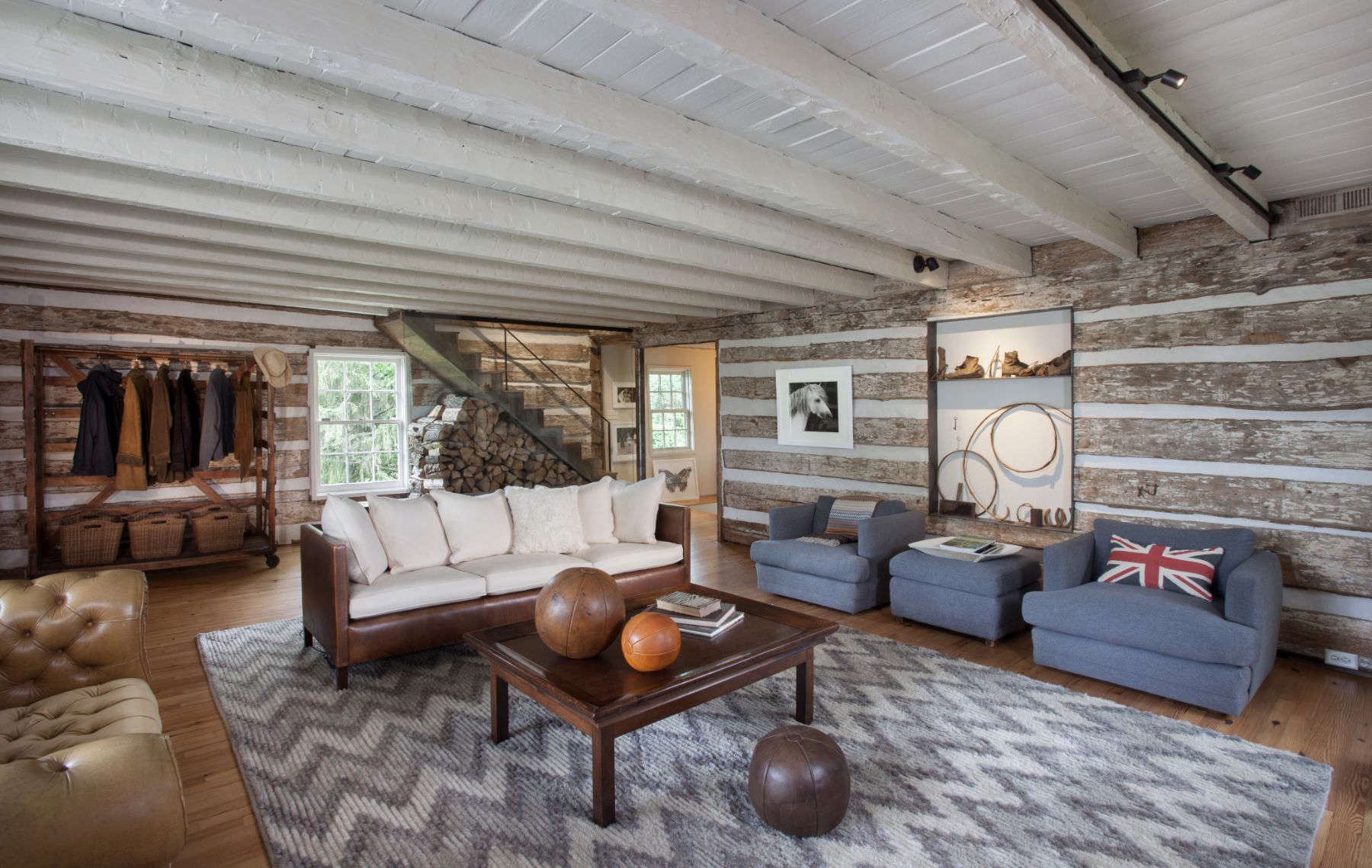

Renovating an heirloom farm cottage is not the same as remodeling a regular house. A regular house politely asks for new cabinets, better lighting, and maybe a bathroom that does not look like it lost a fight with 1987. An heirloom farm cottage, however, arrives with opinions. It has creaky floors, hand-worn trim, a front porch that remembers every summer storm, and at least one door that refuses to close unless you lift it, whisper encouragement, and negotiate.
That is exactly what makes an heirloom farm cottage renovation so meaningful. The goal is not to erase age. The goal is to make the home safe, comfortable, efficient, and functional while preserving the character that made everyone fall in love with it in the first place. Done well, a renovated farm cottage can feel like a family story you can live inside: charming, practical, layered, and slightly stubborn in the best possible way.
This guide explores how to approach a farm cottage remodel with respect, strategy, and a healthy sense of humor. We will cover historic preservation, layout planning, kitchen and bathroom updates, materials, energy improvements, storage, outdoor living, and real-life renovation experiences that can help homeowners avoid expensive surprises. Spoiler alert: there will be surprises anyway. Old houses consider them part of the hospitality package.
What Makes an Heirloom Farm Cottage Worth Saving?
An heirloom farm cottage is more than a small farmhouse with nice bones. It is usually a home connected to family history, rural heritage, or a long-standing landscape. It may have been built in stages, expanded as families grew, patched during lean years, and decorated according to whatever was practical, affordable, or available at the feed store plus a miracle.
These cottages often include details that modern construction tries hard to imitate: original wood floors, simple millwork, beadboard walls, old brick chimneys, wavy glass windows, stone foundations, wide porches, built-in cabinets, and quirky room proportions. Those details give the home soul. They are also the reason a careful renovation plan matters.
The best heirloom farm cottage renovation begins with one guiding question: “What should stay, what must change, and what can be improved without ruining the magic?” That question keeps the project from turning into a generic farmhouse fantasy with too much shiplap and not enough personality.
Start With a Preservation-First Renovation Plan
Before choosing tile, paint colors, or the perfect vintage-style pendant light, start with documentation. Photograph every room, every exterior wall, every built-in, every piece of trim, and every charming oddity. Measure rooms carefully. Note what appears original, what was added later, and what is damaged beyond repair.
A preservation-first plan does not mean freezing the cottage in time. Families today need reliable plumbing, grounded electrical systems, better insulation, modern appliances, and bathrooms that do not require Olympic-level patience. The trick is to update the systems while protecting character-defining features.
Create a “Save, Restore, Replace” List
Divide the cottage into three categories. The “save” list might include original flooring, porch posts, staircase railings, fireplace mantels, interior doors, and old hardware. The “restore” list may include windows, plaster walls, wood siding, or built-ins that need repair. The “replace” list should be reserved for items that are unsafe, badly deteriorated, incompatible, or poorly added in previous remodels.
This simple list helps prevent emotional decision-making during demolition. Because once someone picks up a pry bar, things can get dramatic. A renovation plan is the adult in the room.
Inspect the Bones Before Decorating the Outfit
Every beautiful farm cottage renovation depends on what is happening behind the walls, under the floors, and above the ceiling. Before investing in finishes, hire qualified professionals to inspect the foundation, roof, framing, electrical system, plumbing, septic system, HVAC, drainage, and chimney condition.
Older farm cottages often have moisture issues because they were built before modern waterproofing standards. Crawl spaces may be damp. Foundations may need repointing. Gutters may be too small or missing. Soil may slope toward the house instead of away from it. These are not glamorous problems, but neither is a newly renovated living room with a musty smell and floorboards doing interpretive dance.
Moisture Control Comes First
Water is the villain in many old-house stories. Before installing insulation or refinishing floors, solve drainage problems. Extend downspouts, improve grading, repair roof leaks, ventilate or encapsulate crawl spaces where appropriate, and address foundation cracks. A dry cottage is a happy cottage, and a happy cottage is less likely to send you mysterious repair bills at midnight.
Respect Original Windows Whenever Possible
Original wood windows are often among the most beautiful features in an heirloom cottage. They may have true divided lights, old-growth wood, and glass with gentle imperfections that catch sunlight in a way modern panes rarely do. While replacement windows are sometimes necessary, repair is often worth exploring first.
Old windows can frequently be improved with reglazing, sash repair, weatherstripping, storm windows, and careful maintenance. This approach keeps the cottage’s historic appearance while improving comfort. It also avoids the common mistake of replacing delicate original windows with units that look too flat, too shiny, or too “new subdivision wearing a straw hat.”
Design a Kitchen That Works Without Looking Brand-New
The kitchen is often the heart of a farm cottage renovation. It is also where homeowners are most tempted to over-modernize. A great heirloom cottage kitchen should feel fresh, efficient, and bright, but not like it was dropped in by a showroom helicopter.
Start with layout. Many old cottages have small kitchens because earlier households used space differently. Consider whether a wall can be opened, a pantry can be reclaimed, or a modest addition can create a better connection to the dining area, mudroom, or porch. However, do not assume “open concept” is always the answer. Cottage charm often comes from rooms with purpose, cozy transitions, and human scale.
Farm Cottage Kitchen Materials That Feel Authentic
Choose materials that age gracefully. Shaker-style or inset cabinets, painted wood, natural stone, butcher block, soapstone-look surfaces, beadboard details, unlacquered or aged brass, iron hardware, and simple ceramic tile can all feel at home in a cottage setting. Open shelving can work beautifully when used sparingly, especially for everyday dishes, crocks, and glass jars. Just remember: open shelving displays your lifestyle. If your lifestyle includes seven mismatched mugs and a cereal box avalanche, plan some closed storage too.
A farmhouse sink, vintage-inspired faucet, warm lighting, and a worktable-style island can bring character without turning the kitchen into a theme park. The best result feels collected, not decorated in one afternoon with a shopping cart and too much caffeine.
Make the Mudroom a Renovation Hero
Farm cottages need mudrooms the way gardens need rain. Boots, coats, baskets, pets, tools, sports gear, and muddy evidence of outdoor fun all need a place to land. A hardworking mudroom protects the rest of the house from chaos and keeps everyday routines smoother.
If the cottage does not already have one, look for underused space near a back entry, porch, laundry area, or kitchen. Built-in benches, peg rails, cubbies, tile or brick floors, utility sinks, and closed cabinets can make a small mudroom incredibly useful. In an heirloom farm cottage, a mudroom should look practical rather than precious. It is allowed to be beautiful, but it should not panic when a wet dog enters the chat.
Bathrooms: Add Comfort Without Losing Cottage Character
Bathrooms in old cottages are often later additions, which means they may be awkward, tiny, or located in places that make guests wonder if they took a wrong turn into a closet. Renovation offers a chance to improve privacy, ventilation, storage, and comfort.
For a cottage look, consider classic materials: hex tile, penny tile, beadboard, marble-look surfaces, painted vanities, bridge faucets, medicine cabinets, and warm sconces. A walk-in shower can be modern and practical, while a clawfoot or apron-front tub can preserve vintage charm. Good ventilation is essential, especially in compact bathrooms where moisture can quickly damage finishes.
Upgrade Energy Efficiency Carefully
Energy improvements are important in a farm cottage renovation, but older homes need thoughtful treatment. Adding insulation without understanding moisture movement can create problems inside walls. Air sealing, attic insulation, weatherstripping, and mechanical ventilation should be planned as a system, not as random weekend heroics.
Start with an energy assessment when possible. Attics are often one of the most effective places to improve comfort because warm air escapes upward. Sealing gaps around plumbing penetrations, chimneys, attic hatches, and wiring routes can reduce drafts before insulation is added. Doors and windows can often be improved with weatherstripping and storm panels.
Do Not Trap Moisture in Old Walls
Many historic cottages were built with materials that dry differently than modern wall assemblies. Before filling walls with insulation, consult professionals who understand old buildings. The wrong product in the wrong location can trap moisture, leading to rot, peeling paint, or mold. In other words, insulation should keep the cottage cozy, not turn the walls into a science experiment.
Handle Lead Paint and Old Materials Safely
If the farm cottage was built before 1978, assume lead-based paint may be present until testing proves otherwise. Renovation work that disturbs old painted surfaces can create hazardous dust. Homeowners should use lead-safe practices and hire certified professionals when required. This is especially important around windows, doors, trim, porches, and exterior siding.
Older homes may also contain asbestos in certain flooring, insulation, adhesives, or mechanical materials. Do not sand, scrape, or demolish suspicious materials casually. Testing and proper abatement may not be the most exciting renovation expense, but safety is a design feature. A very important one.
Preserve Floors, Doors, Trim, and Hardware
Original cottage details carry enormous visual value. Wide-plank floors, simple baseboards, old doors, porcelain knobs, iron latches, and built-in cupboards tell the story of the home. Even when imperfect, they often add warmth that new materials cannot fully replicate.
Refinishing original floors can transform a cottage, but avoid sanding too aggressively if the boards are thin or historically significant. Sometimes a gentle screen-and-coat approach is better than a full refinish. Old doors can be repaired, rehung, stripped carefully, or repainted. Hardware can often be cleaned and reused. The goal is not perfection; it is continuity.
Choose a Cottage Color Palette With Staying Power
Color can make an heirloom farm cottage feel calm, cheerful, and connected to its setting. Soft whites, warm creams, muted greens, dusty blues, mushroom taupes, faded ochres, and earthy browns often work well. Exterior colors should respect the architecture and landscape. Interior colors can shift by room, but the whole cottage should feel related.
Avoid making every surface bright white unless the home truly calls for it. Old cottages often look better with layered neutrals and gentle contrast. A creamy wall, painted trim, wood floor, and vintage rug can feel far richer than a flat white box. Besides, farm life includes dirt. Pure white is brave. Sometimes too brave.
Mix Antique, Vintage, and New Pieces
An heirloom farm cottage should feel collected over time. Pair family antiques with practical new upholstery. Use vintage tables, old trunks, Windsor chairs, handmade quilts, iron beds, braided rugs, and weathered frames. Then balance them with comfortable sofas, good mattresses, efficient lighting, and durable performance fabrics.
The secret is contrast. Too many antiques can make a cottage feel like a museum where everyone whispers. Too many new pieces can erase the story. A balanced room might include an old pine table, modern slipcovered chairs, a vintage landscape painting, a simple linen shade, and a jute rug. The result feels relaxed, not staged.
Bring the Outdoors Into the Renovation
A farm cottage belongs to its landscape. Porches, gardens, paths, trees, barns, sheds, and fields all shape the experience of home. Renovation should improve the relationship between indoors and outdoors.
Consider restoring the front porch, adding French or Dutch doors where appropriate, improving kitchen garden access, or creating a gravel patio for outdoor meals. Use native plants, simple fencing, stone paths, raised beds, and classic porch furniture. A cottage garden does not need to be perfect. In fact, if it looks slightly self-directed, it is probably doing its job.
Plan Storage Like a Practical Person
Old cottages are charming, but they are not always generous with closets. Many were built before modern families developed hobbies involving six categories of seasonal decor and seventeen charging cables. Smart storage is essential.
Add built-ins where they look natural: under stairs, beside fireplaces, in dormers, along mudroom walls, or in pantry nooks. Use benches with lift-up lids, peg rails, wall hooks, skirted utility shelves, and freestanding armoires. In the kitchen, include deep drawers, pantry cabinets, tray dividers, and appliance garages. Storage should support daily life without making the cottage feel overbuilt.
Budget for Surprises, Because the Cottage Has Secrets
Every old-house renovation needs a contingency fund. Once walls are opened, homeowners may discover outdated wiring, hidden water damage, undersized framing, old pest damage, abandoned pipes, or mysterious previous repairs performed by someone with confidence but no level.
A realistic budget should prioritize structure, safety, and systems before finishes. It is tempting to spend early on tile, lighting, and furniture, but the cottage will not care how pretty the pendant lights are if the roof leaks. Build the project in phases if necessary. Renovating slowly and correctly is better than rushing toward expensive regret.
Common Mistakes in Heirloom Farm Cottage Renovation
Removing Too Much Character
Do not strip the home of its best details in the name of “cleaning it up.” Uneven floors, old trim, and repaired plaster can be part of the charm. Preserve what gives the house identity.
Choosing Trendy Finishes Over Timeless Ones
Trends fade quickly. Classic materials such as wood, stone, brick, ceramic tile, linen, iron, and brass tend to age better in a farm cottage setting.
Ignoring the Exterior
Curb appeal matters, but so do gutters, drainage, siding, paint, porch stability, and roof condition. The outside protects everything inside.
Forgetting Modern Comfort
Preservation should not mean discomfort. A renovated heirloom cottage can have great lighting, efficient heating and cooling, modern plumbing, and excellent storage while still honoring its roots.
Real-Life Experiences From an Heirloom Farm Cottage Renovation
One of the biggest lessons from renovating an heirloom farm cottage is that the house reveals itself slowly. You may begin the project thinking the kitchen is the main event, only to discover that the porch, pantry, attic, or old staircase is where the real story lives. The best renovations leave room for discovery.
For example, imagine opening a wall between a cramped kitchen and a forgotten service nook. Behind the drywall, you find original beadboard, still wearing layers of paint from several generations. Instead of covering it again, you clean it, patch the damaged boards, and make it the backdrop for a breakfast corner. Suddenly, the room has texture, history, and a reason to exist beyond “we needed more space.” That is the kind of decision that makes a cottage renovation feel personal.
Another common experience is learning that old materials are tougher than they look. A scratched pine floor may seem hopeless until it is cleaned and gently refinished. A rusty latch may work beautifully after careful restoration. A sagging porch may need structural help, but its original posts might still be reusable. Renovation teaches patience. It also teaches you to label every removed piece, because “we will remember where this goes” is one of the great lies of home improvement.
Living through the renovation can also change how homeowners think about space. Many people begin by wanting bigger rooms, then realize the cottage’s smaller rooms create comfort. Instead of forcing a giant open plan, they may widen a doorway, improve sightlines, add better lighting, and make each room work harder. A cozy dining room with a restored built-in cupboard can be more memorable than a large, undefined space with no personality.
The kitchen often becomes the emotional center of the project. In one practical approach, the renovation might keep the original window placement, add custom cabinets that reach the ceiling, install a deep farmhouse sink, and use a vintage worktable instead of a massive island. The result supports cooking, gathering, and storage without overwhelming the cottage scale. A pantry cabinet can hide small appliances. A peg rail can hold aprons and market bags. A small breakfast bench can turn an awkward corner into everyone’s favorite seat.
Bathrooms usually require compromise. The dream may be a large spa-like retreat, but the cottage may offer exactly one narrow room and a sloped ceiling. Instead of fighting the architecture, a smart renovation leans in. A compact vanity, wall-mounted faucet, recessed medicine cabinet, glass shower panel, and light-reflecting tile can make a small bathroom feel calm and useful. Add a vintage mirror, warm sconces, and a painted door, and the room feels intentional rather than squeezed into place by destiny and plumbing codes.
Exterior work brings its own lessons. A front porch may look decorative, but it shapes how the home welcomes people. Repairing porch flooring, restoring railings, repainting columns, and adding simple seating can revive the cottage’s personality before anyone steps inside. Landscaping does not need to be fancy. Gravel paths, herbs near the kitchen, hydrangeas, native grasses, and a shade tree can do more for the mood than an overly formal design.
The most valuable experience is learning when to stop. Not every imperfection needs correction. A slightly uneven plaster wall, a patched floorboard, or a door with old hinge marks can remind everyone that the cottage has lived a life. The goal is not to make the house look new. The goal is to make it feel loved, cared for, and ready for another century of muddy boots, birthday cakes, porch conversations, and family stories that get better every time they are told.
Conclusion: Renovating the Past for a Better Future
An heirloom farm cottage renovation is a balancing act between memory and modern life. It asks homeowners to preserve original details, repair what matters, improve comfort, and make thoughtful updates that support daily living. The most successful projects do not chase trends or erase age. They honor the home’s history while giving it strong systems, practical rooms, safer materials, and a renewed connection to the land around it.
Whether the cottage has been in the family for generations or simply feels like it has, renovation should protect its emotional value. Save the worn floors where possible. Repair the windows if they can be repaired. Give the kitchen better function. Let the mudroom do heroic work. Make the bathrooms comfortable. Improve energy performance carefully. Above all, allow the house to remain itself.
Because when an heirloom farm cottage is renovated with patience and respect, it becomes more than a pretty old house. It becomes a living bridge between past and future, with better plumbing. And honestly, that is a beautiful thing.