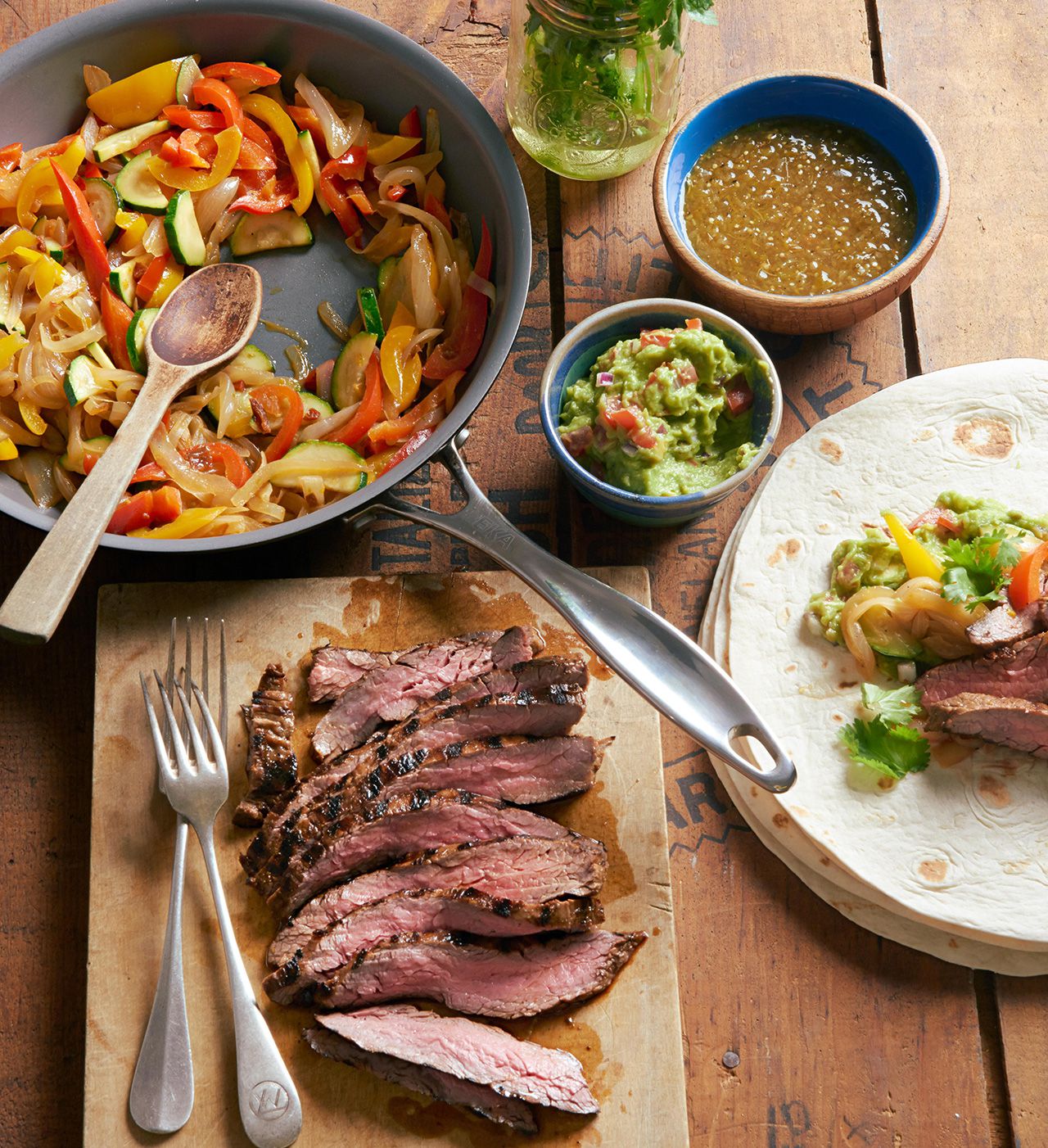

If a sizzling skillet of fajitas and a burrito had a delicious little life event and registered it at the tortilla aisle, you’d get steak fajita burritos. They’re smoky, juicy, and proudly overstuffed in that “I regret nothing” waywithout falling apart halfway through (because we’re going to build these like an engineer with a lime wedge).
This recipe pulls together the best ideas from classic Tex-Mex fajita techniques and burrito-wrapping wisdom: a bold citrusy marinade, fast high-heat cooking, charred peppers and onions, and a simple assembly order that keeps tortillas intact and your shirt clean. (Mostly.)
Why You’ll Love These Steak Fajita Burritos
- Big flavor, low drama: a quick marinade + a hot pan = steak that tastes like you tried way harder than you did.
- Restaurant vibes at home: charred peppers/onions, melty cheese, and a burrito that actually holds its shape.
- Meal-prep friendly: wrap, chill, freezefuture you will be emotionally moved.
- Customizable: go smoky, spicy, cheesy, bean-heavy, rice-lightthis burrito respects your choices.
Main Keywords and Flavor Mission
This steak fajita burritos recipe is built around three goals: tender steak, properly charred vegetables, and a burrito wrap that doesn’t collapse like a lawn chair at a backyard party.
Ingredients
For the steak fajita marinade
- 1/4 cup fresh lime juice (about 2 limes)
- 2 tbsp orange juice (or pineapple juice for a slightly sweeter, more tenderizing vibe)
- 3 tbsp neutral oil (avocado/canola/vegetable)
- 1 tbsp soy sauce or Worcestershire sauce
- 3 cloves garlic, minced
- 1 1/2 tsp ground cumin
- 1 1/2 tsp chili powder
- 1/2 tsp smoked paprika (optional, but highly recommended for “grill energy”)
- 1/2 tsp dried oregano
- 1 tsp kosher salt
- 1/2 tsp black pepper
- 1 tsp brown sugar or honey (optional, helps browning)
For the fajita steak and veggies
- 1 1/2 lb skirt steak or flank steak (or flat iron / sirloin in a pinch)
- 1 large onion, thinly sliced
- 2 bell peppers, thinly sliced (any colors; they all taste like victory when charred)
- 1 poblano or jalapeño (optional, for heat)
- 1–2 tbsp oil for cooking
For burrito assembly
- 4 large flour tortillas (10–12 inch “burrito size”)
- 1 cup cooked rice (optional, but great for structure)
- 1 cup black beans or pinto beans, warmed and drained
- 1–1 1/2 cups shredded cheese (cheddar, Monterey Jack, pepper jack)
- Salsa or pico de gallo
- Sour cream or Mexican crema
- Guacamole or sliced avocado
- Chopped cilantro + extra lime wedges
Choosing the Best Steak for Fajitas
For steak fajita burritos, you want a cut that’s flavorful, cooks fast, and becomes tender when sliced correctly. Skirt steak is the classic: super beefy and perfect for high heat. Flank steak is also greatleaner, still bold, and loves a marinade. Flat iron and sirloin can work too, especially if that’s what your store has on hand.
The real secret isn’t only the cutit’s the combo of hot-and-fast cooking plus slicing against the grain. That’s how you get “tender enough to make you pause mid-bite” results.
Recipe: Steak Fajita Burritos (Serves 4)
Step 1: Marinate the steak
- In a bowl or zip-top bag, whisk together all marinade ingredients.
- Add the steak and turn to coat. Marinate 30 minutes to 8 hours (refrigerated).
- If marinating longer than 2 hours, keep the acid reasonable (this recipe does) so the outside doesn’t get mushy. Translation: tender, not “ceviche-adjacent.”
Step 2: Prep your burrito “supporting cast”
- Cook rice if using. Warm beans and drain well.
- Slice onion and peppers. Keep them fairly uniform so they cook at the same speed.
- Set out cheese, salsa, crema, and guac so assembly is fast (and your steak stays juicy, not waiting around).
Step 3: Cook the steak (hot and fast)
- Remove steak from marinade, let excess drip off, then pat dry. Dry steak = better sear.
- Heat a cast-iron skillet (or grill) over high heat until very hot. Add a thin film of oil.
- Cook steak about 2–4 minutes per side depending on thickness, aiming for a deep brown crust. (If your pan isn’t big enough, cook in batches. Overcrowding = steaming = sadness.)
- Transfer to a cutting board and rest 5–10 minutes.
- Slice thinly against the grain. For extra tenderness, cut the steak into shorter segments first, then slice each piece across the fibers.
Step 4: Cook the peppers and onions
- In the same skillet (don’t you dare wash away that flavor), add a splash of oil if needed.
- Add onions and peppers. Cook over medium-high heat 6–10 minutes, stirring occasionally.
- You want them tender with browned, charred edgesnot limp, not raw, not “boiled vegetable cosplay.” If you like, squeeze in a little lime at the end.
Step 5: Warm tortillas (non-negotiable)
Warm tortillas are flexible tortillas. Cold tortillas crack. Cracked tortillas leak. Leaky tortillas ruin moods. Warm each tortilla in a dry skillet about 10 seconds per side, or microwave in a damp paper towel 15–25 seconds.
Step 6: Assemble like a burrito architect
The order matters. You’re building a delicious cylinder that must survive the journey from plate to mouth. Here’s the structural plan:
- Base layer: rice (optional) and/or beans (drained). This absorbs juices and protects the tortilla.
- Hot layer: steak + fajita veggies (keep them centered, not spread to the edges).
- Melt layer: cheese on warm ingredients so it melts and helps “glue” the filling.
- Cool layer: salsa/pico (not too wet), crema, guac, cilantro.
Step 7: Wrap so it doesn’t fall apart
- Place filling slightly below center in a tight, horizontal line.
- Fold the left and right sides inward over the filling.
- Fold the bottom up and over the filling, then roll forward tightly.
- Set seam-side down. For extra security, toast seam-side down in a dry skillet 30–60 seconds to “seal the deal.”
Pro Tips for the Best Steak Fajita Burritos
1) Don’t skip the dry-steak step
Marinade adds flavor, but moisture kills browning. Patting the steak dry before it hits the pan gives you that crave-worthy crustaka the “why does this taste so good?” moment.
2) Slice against the grain (seriously)
This is the difference between “tender” and “jaw workout.” Look for the direction of the muscle fibers and cut across them.
3) Control moisture or accept sogginess
Drain beans, don’t drown with salsa, and use rice (or a thin smear of refried beans) as a moisture buffer. Your tortilla will thank you by staying intact.
4) Char is flavor
Let peppers and onions sit in the hot pan long enough to brown. Stir less. Trust the process. The caramelized edges are where the “fajita magic” lives.
Easy Variations (Because You’ll Make These Again)
Sheet-pan steak fajita burritos
Toss sliced peppers and onions with oil, salt, and a pinch of cumin/chili powder. Broil or roast hot until charred, and cook the steak separately in a skillet or under the broiler. Great when you want less stovetop babysitting.
Smoky chipotle-lime
Add 1–2 minced chipotle peppers in adobo (or 1 tsp adobo sauce) to the marinade. Big smoky heat, minimal effort.
Breakfast-for-dinner fajita burritos
Add scrambled eggs and crispy potatoes, keep the steak and veggies, and suddenly it’s brunch with better boundaries.
Burrito bowl mode (no wrap, no problem)
Serve steak, veggies, rice, beans, cheese, and toppings in a bowl. Same flavors, fewer structural concerns.
Serving Ideas
- Classic: tortilla chips + salsa + limey slaw
- Weeknight-friendly: a simple green salad with cilantro-lime dressing
- Party move: set up a burrito bar and let everyone overstuff responsibly
- Heat lovers: pickled jalapeños, hot sauce, or a smoky salsa roja
Storage, Reheating, and Meal Prep
Fridge
Wrap burritos tightly in foil and refrigerate up to 3–4 days. Keep very wet toppings (like lots of salsa) on the side if you’re meal-prepping.
Freezer
For freezer burritos, skip guac and fresh salsa inside (add after reheating). Wrap in parchment, then foil, and freeze up to 2–3 months.
Reheating
- From fridge: microwave 60–90 seconds, then crisp in a skillet 1–2 minutes per side.
- From frozen: microwave in 1-minute bursts until hot, then crisp in skilletor bake at 350°F until heated through.
Troubleshooting (AKA Burrito Therapy)
My steak is tough
- You sliced with the grain. Next time, rotate the knife 90 degrees.
- You cooked it too long. High heat + short time is the goal for fajita cuts.
- Try a slightly longer rest before slicing so juices redistribute.
My tortilla ripped
- It wasn’t warm enough. Warm tortillas are flexible tortillas.
- You overstuffed it. (No shame. Just… physics.)
- Too much wet salsa inside. Keep it modest, or add after rolling.
It tastes bland
- Salt is not optional. Season the steak and veggies properly.
- Add lime at the end. Acid wakes everything up.
- Use a smoky element: smoked paprika, chipotle, or a quick skillet char on the tortilla.
Food Safety Quick Notes
For steaks, a commonly cited safe minimum is 145°F with a 3-minute rest. Refrigerate leftovers promptly and reheat until steaming hot. Use a thermometer if you want confidence (and fewer “is this done?” debates).
of “Been There” Experiences (So You Don’t Have To)
If you’ve ever made burritos at home and thought, “Why doesn’t this look like the one I bought?”welcome. The good news is that steak fajita burritos are incredibly forgiving, and most of the “oops” moments are easy to fix once you know what’s actually going wrong.
One super common experience: the steak tastes great, but it’s a little… chewy. That’s usually not a marinade problemit’s a slicing problem. Skirt and flank steak have very visible muscle fibers, and if you cut in the same direction as those fibers, you’re basically making long strands that your teeth have to fight. Slice against the grain and suddenly the exact same steak becomes burrito-friendly. It’s almost rude how much this matters.
Another classic: the tortilla rips, the filling escapes, and you end up eating “steak fajita salad” while pretending it was the plan. The culprit is almost always a cold tortilla or an overfilled burrito (sometimes both, in an unholy alliance). Warming the tortilla for even 20 seconds makes it pliable. And if you’re the kind of person who believes “more filling is always better,” here’s the compromise: keep the filling in a tight line, don’t spread it to the edges, and fold the sides in firmly before you roll. You can still pack itjust pack it with intention.
Moisture management is another thing home cooks notice the second they start meal-prepping. Fresh fajita veggies release steam and juices, salsa adds liquid, and beans can be watery if you don’t drain them. If you assemble burritos for later, that moisture can turn the bottom of the tortilla into a sad, damp situation. The fix is simple: let the veggies cool a few minutes (so they stop steaming), drain beans well, and put a “buffer” down firstrice, refried beans, even a sprinkle of cheese. That buffer absorbs juices and keeps the wrap intact.
Then there’s the “my veggies are soft but not flavorful” experience. Fajita vegetables need heat and a little patience. If you stir constantly, they’ll cook through but won’t brown. Let them sit. Let them char. Those browned edges taste like the sizzle you hear in restaurant fajitasand that’s the whole point.
Finally: the first bite test. If it tastes like it needs “something,” that something is usually lime and salt. A squeeze of lime right before rolling (or right before eating) makes everything pop, and a final pinch of salt on the cooked veggies can pull the whole burrito together. The best part? Once you dial in these small details, steak fajita burritos become one of those meals you can make on autopilotand they still feel like a treat.