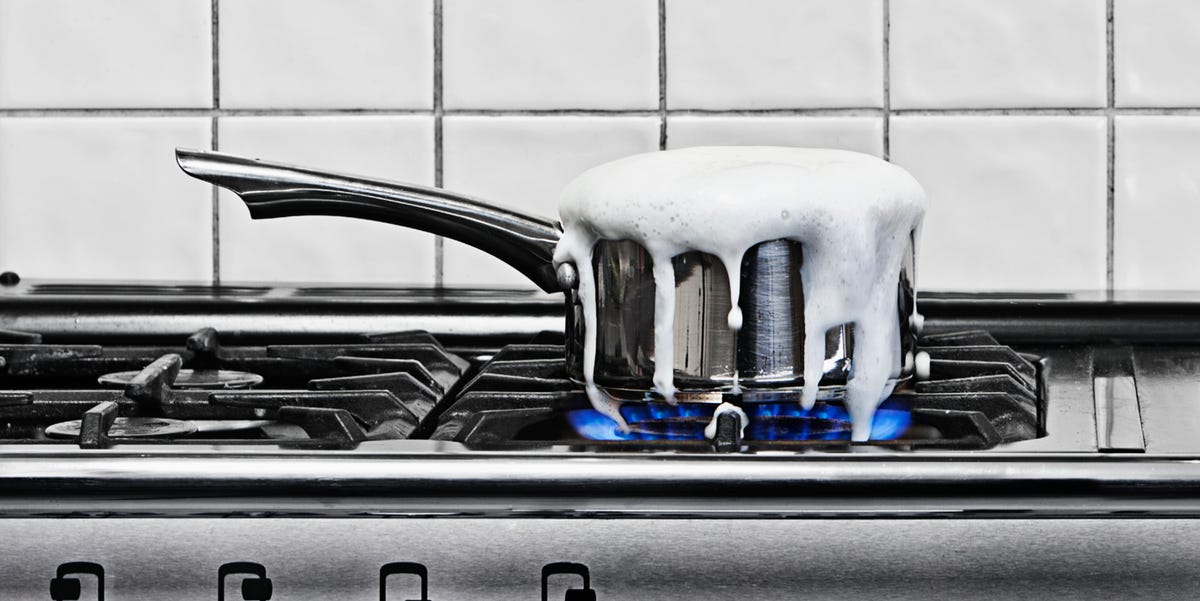

Stainless steel pans are the hardworking overachievers of the kitchen. They sear steak like a restaurant pro, brown chicken beautifully, and make pan sauces that taste like you secretly attended culinary school. Then dinner ends, the lights come up, and there it is: a pan wearing a dramatic costume of brown bits, cloudy spots, rainbow stains, and one mysterious black patch that looks like it has its own zip code.
The good news? Most stainless steel pans are far less fragile than they look. Cleaning experts, cookware makers, and test-kitchen pros generally agree on a simple rule: start gentle, use heat and water to loosen stuck-on food, then bring in baking soda or a cookware-safe stainless steel cleaner only when needed. In other words, do not attack your pan like it insulted your grandmother’s lasagna.
This guide explains exactly how to clean stainless steel pans, remove burnt food, fix discoloration, prevent water spots, and keep your cookware shiny without ruining the finish. Whether your skillet has everyday grease or a “forgotten pasta sauce incident,” you can usually bring it back with patience, warm water, dish soap, and a little strategic scrubbing.
Why Stainless Steel Pans Get Dirty So Easily
Stainless steel is durable, nonreactive, and excellent for high-heat cooking, but it is not magic. Food can stick when proteins bond to the hot surface, oil can polymerize into sticky brown film, and minerals in water can leave chalky residue. High heat can also create blue or rainbow discoloration, which looks alarming but is usually harmless.
Unlike nonstick cookware, stainless steel does not have a slippery coating to hide your cooking crimes. That is actually part of its charm. Those browned bits on the bottom of the pan, called fond, are the foundation of great sauces. Unfortunately, fond becomes less charming when it sits overnight and turns into culinary cement.
The key is knowing which type of mess you are dealing with. A greasy pan needs soap. Stuck-on food needs soaking or simmering. Burnt stains need baking soda or a stainless steel cookware cleaner. Rainbow discoloration needs a quick acidic wipe. Water spots need drying discipline. Yes, drying discipline is boring. It also works.
What You Need to Clean Stainless Steel Pans
You do not need a professional cleaning cart or a chemistry degree. For most stainless steel cookware, keep these basics nearby:
- Mild dish soap
- Warm or hot water
- A nonabrasive sponge or soft dish brush
- A nylon scrub pad for tougher residue
- Baking soda
- Distilled white vinegar
- A wooden spoon or silicone spatula
- A clean towel for drying
- Cookware-safe stainless steel cleaner, such as Bar Keepers Friend, Bon Ami, or a manufacturer-recommended polish
Avoid steel wool, harsh scouring pads, bleach, oven cleaner, grill cleaner, and highly abrasive powders not designed for cookware. Stainless steel is tough, but it is not a sidewalk.
How to Clean Stainless Steel Pans After Everyday Cooking
For daily cleaning, simple is best. Let the pan cool first. This matters because plunging a hot pan into cold water can cause thermal shock, which may warp the metal. A warped pan does not sit flat, heats unevenly, and quietly ruins your pancakes while pretending nothing happened.
Step 1: Let the Pan Cool
Set the pan aside until it is warm or room temperature. If there are loose food particles, wipe them out with a paper towel or scrape gently with a wooden spoon.
Step 2: Wash with Hot, Soapy Water
Add dish soap and hot water, then scrub with a nonabrasive sponge. For most grease, sauce residue, and light browning, this is enough. Work around rivets and corners where oil likes to hide.
Step 3: Rinse Thoroughly
Rinse until no soap remains. Soap residue can leave streaks and make the pan look dull.
Step 4: Dry Immediately
Dry the pan with a clean towel instead of letting it air-dry. This prevents water spots, especially if your tap water is mineral-heavy. Your pan will look shinier, and you get to feel like a responsible adult for seven seconds.
How to Remove Stuck-On Food from Stainless Steel Pans
When food is glued to the bottom, do not start with aggressive scrubbing. Use heat and water first. This is the cleaning equivalent of asking nicely before bringing in backup.
The Simmer Method
- Add enough water to cover the stuck-on food.
- Add a few drops of dish soap.
- Place the pan on the stove and bring the water to a gentle simmer.
- Let it simmer for 5 to 10 minutes.
- Use a wooden spoon or silicone spatula to loosen the softened bits.
- Turn off the heat, let the pan cool, then wash normally.
This method works beautifully for pasta sauce, eggs, rice, caramelized vegetables, and the bottom layer of “I swear I only looked away for a minute.” It is also safer for the pan than furious dry scrubbing.
How to Clean Burnt Stainless Steel Pans
Burnt food is different from ordinary stuck-on food. It usually needs a little abrasion and a little chemistry. Baking soda is one of the best first choices because it is mildly abrasive, inexpensive, and widely recommended for stainless steel cookware.
Baking Soda Paste Method
- Let the pan cool completely.
- Sprinkle baking soda over the burnt area.
- Add just enough water to make a paste.
- Spread the paste over the stain and let it sit for 10 to 15 minutes.
- Scrub with a nonabrasive sponge or nylon pad.
- Wash with dish soap, rinse, and dry.
For light burn marks, this may solve the problem quickly. For heavier scorch marks, repeat the process instead of switching immediately to something harsh. Stainless steel pans often clean up in rounds, like laundry, taxes, and emotional maturity.
Baking Soda Boil Method for Serious Scorching
For a pan with a blackened bottom or thick burnt-on food, use heat to help the baking soda work harder.
- Add enough water to cover the burnt area.
- Add 2 to 4 tablespoons of baking soda.
- Bring the mixture to a boil.
- Reduce to a simmer for several minutes.
- Use a wooden spoon to loosen residue carefully.
- Let the pan cool before scrubbing and washing.
This method is especially useful for burnt starches, sticky sauces, and oil residue that has bonded to the pan. If the water turns brown and ugly, congratulations. That means the mess is leaving your pan and entering its villain era somewhere else.
How to Use a Stainless Steel Cookware Cleaner Safely
For stubborn stains, brown oil buildup, and dull-looking interiors, a cookware-safe stainless steel cleaner can be very effective. The important phrase is “cookware-safe.” Some stainless steel appliance cleaners are designed for refrigerator doors and may leave coatings that do not belong on cooking surfaces.
General Cleaner Method
- Wet the pan with warm water.
- Sprinkle a small amount of cleaner or apply a cream cleanser according to the label.
- Make a paste with water if using powder.
- Rub with a soft cloth or nonabrasive sponge.
- Do not let strong cleaners sit longer than directed.
- Rinse very thoroughly.
- Wash again with dish soap, then dry completely.
Many cleaning experts recommend circular motions for cookware because you are cleaning a cooking surface, not polishing an appliance door. Still, use common sense: light pressure, repeated passes, and a full rinse are better than one heroic scrub that leaves scratches.
How to Remove Rainbow Stains from Stainless Steel Pans
Rainbow discoloration usually comes from heat. It may look like your pan joined a disco band, but it is normally a thin oxide layer on the surface. A little diluted vinegar can help remove it.
Vinegar Wipe Method
- Add a splash of white vinegar to the cooled pan.
- Wipe the stained area with a soft sponge or cloth.
- Rinse thoroughly with water.
- Wash with dish soap if needed.
- Dry immediately.
Do not soak stainless steel pans in straight vinegar for a long time. Vinegar is acidic, and prolonged exposure can dull or affect the finish. Think of vinegar as a quick visitor, not a roommate.
How to Remove White Spots and Cloudy Residue
White spots are often caused by minerals in water, especially calcium. They are common in areas with hard water and can make a clean pan look dirty. Luckily, they are usually easy to remove.
Vinegar and Water Method
- Add one part vinegar and three parts water to the pan.
- Bring the mixture to a brief boil.
- Turn off the heat and let it cool.
- Wash with dish soap.
- Rinse and dry thoroughly.
For smaller spots, you can wipe the pan with a damp sponge and a sprinkle of baking soda, then rinse and dry. The best prevention is simple: do not let water sit in the pan after washing.
How to Clean the Outside Bottom of Stainless Steel Pans
The outside bottom of a stainless steel pan often takes the most abuse. Oil drips, burner heat, and spills can bake into brown or black marks. This area can usually handle a bit more scrubbing than the shiny interior, but you still want to avoid deep scratches.
Make a paste with baking soda and water or use a cookware-safe stainless steel cleaner. Apply it to the stained bottom, let it sit briefly, then scrub with a nonabrasive pad. Rinse thoroughly. If the stain remains, repeat. Old oil buildup may take several rounds, especially if it has been slowly tanning itself over months of weeknight dinners.
If your pan has an aluminum or copper exterior layer, check the manufacturer’s instructions before using any cleaner. Not all metals respond the same way, and the goal is to clean your pan, not conduct a regrettable science fair project.
What Not to Use on Stainless Steel Pans
Knowing what to avoid is just as important as knowing what to use. The wrong cleaner can scratch, pit, discolor, or damage the pan’s finish.
- Do not use bleach. Chlorine can damage stainless steel and may lead to corrosion.
- Do not use oven cleaner. It is too harsh for cookware surfaces.
- Do not use steel wool. It can scratch the pan and leave particles that rust.
- Do not use abrasive floor or bathroom cleaners. Cookware needs food-safe cleaning methods.
- Do not shock a hot pan with cold water. Sudden temperature changes can warp the metal.
- Do not leave acidic cleaners sitting too long. Vinegar and lemon can help with stains, but they should be rinsed away promptly.
Can Stainless Steel Pans Go in the Dishwasher?
Some stainless steel pans are labeled dishwasher-safe, but hand-washing is usually the better long-term habit. Dishwasher detergent, high heat, and repeated cycles can dull the finish, encourage water spots, and make beautiful cookware look tired before its time.
If you do use the dishwasher, check your manufacturer’s care guide first. Place the pan so water can drain properly, and dry it after the cycle if spots remain. But for expensive stainless steel cookware, a quick hand wash is often the smarter move. Your future self, standing in front of a shiny skillet, will approve.
How to Prevent Food from Sticking in the First Place
Cleaning starts before the food hits the pan. Better cooking technique means less scrubbing later. Stainless steel rewards patience, which is rude but true.
Preheat the Pan Properly
Heat the pan over medium heat before adding oil. A properly preheated stainless steel pan helps food release more easily. If the pan is too cold, food may cling. If it is too hot, oil can burn and create sticky residue.
Add Oil After Preheating
Once the pan is hot, add oil and let it shimmer before adding food. This creates a temporary barrier between the food and the metal surface.
Let Food Release Naturally
Proteins such as chicken, fish, and steak often stick at first, then release as they brown. If you try to move them too early, you may tear the food and leave more residue behind. Give it a minute. The pan is not ignoring you; it is developing flavor.
Avoid Salting Cold Water in the Pan
When boiling pasta or vegetables, add salt after the water is boiling. Salt sitting undissolved on the bottom of a stainless steel pan can contribute to pitting, which creates tiny permanent marks.
Best Cleaning Method by Type of Mess
Here is a quick guide for choosing the right approach:
| Problem | Best Cleaning Method |
|---|---|
| Light grease | Hot water, dish soap, and a soft sponge |
| Stuck-on food | Simmer water with dish soap, then scrape gently |
| Burnt food | Baking soda paste or baking soda boil |
| Brown oil stains | Cookware-safe stainless steel cleaner |
| Rainbow discoloration | Quick wipe with diluted vinegar, then rinse |
| White water spots | Vinegar-water boil or immediate towel drying |
Expert-Style Cleaning Routine for Shiny Stainless Steel
For the best results, think in stages. First, remove food. Second, remove grease. Third, treat stains. Fourth, rinse thoroughly. Fifth, dry immediately. Skipping the dry step is like washing your car and parking it under a sprinkler.
A practical weekly routine looks like this: after each use, wash with hot soapy water and dry. Once a week, inspect the pan for brown oil buildup or rainbow marks. Use baking soda for dull residue and diluted vinegar for heat tint. Once a month, use a stainless steel cookware cleaner if the pan needs extra polishing.
This routine keeps pans functional and attractive without turning every dinner cleanup into a dramatic kitchen restoration documentary.
Common Mistakes That Make Stainless Steel Harder to Clean
Using Heat That Is Too High
Stainless steel conducts and holds heat well, especially if it has an aluminum or copper core. Medium heat is often enough for everyday cooking. Excessively high heat can burn oil, discolor the pan, and create stubborn residue.
Letting Food Dry Overnight
A pan washed after dinner is a chore. A pan washed the next morning is an archaeological dig. Even if you are tired, add warm water and a little soap to the pan before leaving it. Future you deserves kindness.
Scrubbing Before Soaking
Soaking or simmering saves effort. If food is stuck, soften it first. Your sponge should not have to train for a marathon.
Using the Wrong Cleaner
Always choose products labeled for stainless steel cookware. Appliance polish, bleach-based sprays, and harsh household cleaners can cause problems on cooking surfaces.
Personal Experience: What Actually Works in a Real Kitchen
After years of cooking with stainless steel pans, the biggest lesson is that panic makes cleaning worse. The first time a stainless steel skillet turns brown after searing chicken, it is easy to assume the pan is ruined. It is not. It is usually just covered in cooked-on protein, oil, and fond. The pan is not dead; it is being dramatic.
In my experience, the simmer method is the most underrated trick. After cooking meat, I often add a little water while the pan is still warm, bring it to a gentle simmer, and scrape the bottom with a wooden spoon. Within minutes, the brown bits lift. Sometimes I turn those bits into a sauce with broth, lemon juice, or a splash of cream. Other times I simply wash the pan. Either way, the cleanup becomes much easier because the stuck-on food never gets the chance to harden into kitchen concrete.
For burnt rice, thick sauces, or sugar-based glazes, baking soda is the rescue tool I reach for first. A paste of baking soda and water works well when the stain is moderate. For a serious scorch mark, I prefer adding water and baking soda to the pan and simmering it. The heat softens the burnt layer, and the baking soda helps break up the grime. It may take two rounds, but it usually works without needing to scrape like a raccoon trying to open a cooler.
The other habit that makes a surprising difference is drying the pan immediately. For a long time, I washed stainless steel cookware and left it in the rack to air-dry. Then I wondered why the pans looked cloudy. Once I started towel-drying them, the water spots nearly disappeared. It is a tiny step, but it makes stainless steel look cleaner and newer.
Cookware cleaner also has its place. I do not use it every day, but when the outside bottom of a pan gets brown from oil splatter or the inside looks dull after several heavy cooking sessions, a cookware-safe stainless steel cleaner can restore the shine quickly. The trick is not to overdo it. Use a small amount, keep the surface damp, scrub gently, and rinse thoroughly. More cleaner does not always mean better results; sometimes it just means more rinsing and a sink that looks like it hosted a foam party.
One mistake I learned the hard way is adding cold water to a very hot pan. It makes a satisfying hiss, but that sound is not applause. Sudden temperature changes can warp cookware. Now I let pans cool before washing, or I deglaze while the pan is still on controlled heat. That small change protects the pan and makes cooking more predictable.
Finally, stainless steel becomes much easier to clean when you cook with it correctly. Preheating the pan, adding oil at the right time, and letting food brown before moving it all reduce sticking. Stainless steel is not nonstick, but it does not have to be a nightmare. Once you learn its rhythm, it becomes one of the most reliable tools in the kitchen.
Conclusion
Cleaning stainless steel pans is not about brute force. It is about using the right method for the mess. Start with hot soapy water for everyday cleanup, simmer stuck-on food before scrubbing, use baking soda for burnt residue, and reach for a cookware-safe stainless steel cleaner when stains need extra help. For rainbow discoloration or cloudy water spots, a quick vinegar treatment can restore the finish when used carefully and rinsed well.
The best long-term strategy is prevention: cook over moderate heat, preheat properly, avoid thermal shock, wash soon after cooking, and dry immediately. Do that, and your stainless steel pans can stay shiny, reliable, and ready for everything from weeknight eggs to a steak dinner that makes you feel suspiciously fancy.
Note: This article synthesizes practical guidance from cleaning experts, cookware manufacturers, and kitchen testing resources. Always check your specific pan manufacturer’s care instructions before using any cleaner or method.