
A beautifully decorated buffet table does more than hold food. It sets the mood, guides guests naturally, prevents traffic jams, and quietly says, “Yes, I absolutely have my life together,” even if you were hiding a laundry basket in the bedroom five minutes before the doorbell rang.
Whether you are hosting a birthday brunch, Thanksgiving dinner, bridal shower, holiday open house, backyard barbecue, or casual Sunday gathering, learning how to decorate a buffet table is one of the smartest entertaining skills you can master. A buffet lets guests serve themselves, choose what they like, and go back for seconds without you sprinting around like a restaurant server with a candle addiction.
The secret is balance. Your buffet table should be attractive, practical, easy to navigate, and safe for food service. That means thinking about layout, height, color, lighting, serving pieces, labels, flowers, linens, and traffic flow. The goal is not to create a museum exhibit where guests are afraid to touch anything. The goal is a welcoming spread that looks polished and works beautifully.
Start With a Clear Buffet Table Plan
Before you decorate anything, decide how the buffet will function. A buffet table is not just a flat surface; it is a tiny food highway. If the highway is poorly planned, guests will pile up near the mashed potatoes like rush-hour commuters.
Choose whether guests will move from left to right, right to left, around both sides, or in a circular flow. For most home gatherings, placing plates at the beginning and utensils at the end works best. This keeps guests from juggling forks, napkins, cups, and a plate while trying to spoon salad with dignity.
Ask Three Questions Before Decorating
First, how many guests are coming? A buffet for six people can be compact and charming. A buffet for thirty needs breathing room, backup serving utensils, and possibly a separate drink station.
Second, what kind of food are you serving? A brunch buffet with pastries, fruit, and coffee needs different styling than a dinner buffet with hot casseroles, carved meat, and sauces.
Third, where will guests stand, sit, and return for seconds? The best buffet table decorating ideas are useless if your guests cannot reach the rolls without performing yoga over the centerpiece.
Choose the Right Table and Location
The buffet table should be placed where guests can approach it easily without blocking doorways, kitchen traffic, or seating areas. If possible, leave enough room around the table so people can move comfortably. For larger parties, pulling the table away from the wall allows guests to serve themselves from both sides, which instantly reduces congestion.
For outdoor entertaining, place the buffet in a shaded area away from direct sun, grills, and heavy foot traffic. Shade helps protect food, flowers, candles, and guests who would prefer not to sweat into the potato salad. If the event is outside, also think about wind. Lightweight napkins, place cards, and paper labels can fly away dramatically, which is entertaining only once.
A dining table, kitchen island, sideboard, console table, folding table, or rented banquet table can all work. The trick is to dress the surface so it feels intentional. A simple folding table can look elegant with the right linen, layered serving pieces, and a few thoughtful decorative touches.
Pick a Theme or Color Palette
A buffet table looks more polished when everything feels connected. That does not mean every plate, napkin, flower, and serving spoon must match perfectly. In fact, overly matched tables can feel stiff. Instead, choose a simple theme or color palette to guide your choices.
For a spring brunch, you might use soft pastels, white platters, fresh tulips, and pale linen napkins. For a fall dinner, try warm neutrals, wood boards, amber glass, pumpkins, pears, and brass candleholders. For a modern black-and-white cocktail buffet, keep the palette crisp with black trays, white plates, clear glass, and one bold floral arrangement.
Easy Buffet Table Themes
A rustic farmhouse buffet can include wood boards, woven baskets, stoneware bowls, linen runners, and jars of greenery. A coastal buffet might use blue-and-white dishes, rattan chargers, lemons, shells, and clear glass hurricanes. A holiday buffet can sparkle with metallic accents, greenery, ornaments, ribbon, and unscented candles.
The theme should support the food, not compete with it. If you are serving tacos, lean into colorful napkins, lime wedges, small bowls of toppings, and casual ceramics. If you are serving roast beef and potatoes, richer tones and classic serving pieces will feel more natural.
Layer Linens for Instant Polish
Linens are the fastest way to transform a buffet table. A tablecloth hides folding legs, protects the surface, and creates a clean foundation. A runner adds color, texture, and direction. Napkins introduce personality without taking up much space.
For a formal buffet, choose a full-length tablecloth in white, ivory, navy, charcoal, or another solid color. For a relaxed gathering, use a linen runner, patterned cloth, kraft paper runner, or even a neatly folded throw if it suits the style. Just make sure the fabric is clean, pressed, and safely away from flames.
Do not underestimate the power of wrinkle-free fabric. A gorgeous buffet with a crumpled tablecloth can look like it just woke up from a nap. If ironing is not your favorite hobby, a steamer is your best friend. If you do not own a steamer, hang the cloth in a bathroom while running a hot shower. Is it glamorous? No. Does it help? Absolutely.
Create Height and Visual Interest
One of the biggest secrets to decorating a buffet table is height. If every dish sits flat on the table, the spread can look crowded and dull. Varying the height makes the display more dynamic and helps guests see what is available.
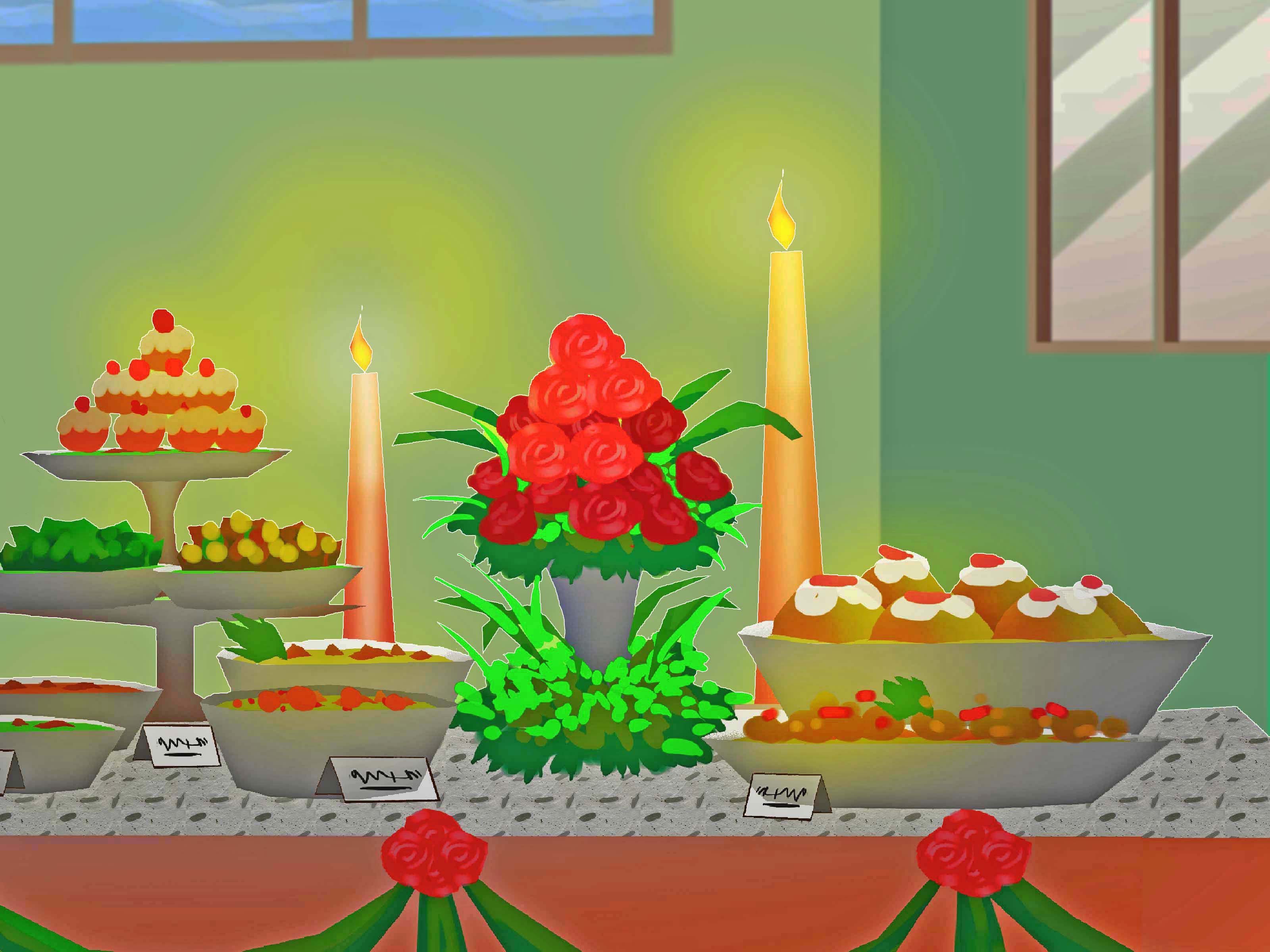
Use cake stands, risers, wooden crates, overturned bowls, stacked books covered with fabric, pedestal trays, or footed serving pieces. Place taller items toward the back if the table is against a wall. If guests can access both sides, keep taller pieces near the center so food remains reachable.
How to Use Height Without Creating Chaos
Keep the tallest decorative pieces away from the busiest serving areas. A vase of branches may look dramatic, but if it blocks the salad tongs, it becomes less “designer moment” and more “botanical obstacle course.”
Use height for foods that are easy to grab, such as cupcakes, rolls, pastries, fruit, or small desserts. Keep heavy hot dishes on the main surface for safety. Nobody wants to lift a bubbling casserole from a wobbly riser while Aunt Linda tells a story behind them.
Arrange Food in a Logical Order
Decorating a buffet table is partly about beauty and partly about psychology. Guests should understand where to start, what to take first, and where to go next without needing a map.
A classic buffet order is plates first, then salads or starters, main dishes, side dishes, breads, condiments, and finally utensils and napkins. Drinks and desserts often work better on separate tables or stations, especially for larger events.
Keep related foods together. Put salad dressing near the salad, gravy near the turkey, butter near the rolls, and salsa near the chips. This sounds obvious until you have watched someone wander across a room holding a biscuit and whispering, “Where is the butter?” like they are in a mystery film.
Use Serving Pieces That Match the Mood
Serving pieces are part of the decor. White platters are timeless because they make food look fresh and colorful. Wood boards add warmth. Glass bowls feel light and elegant. Ceramic dishes create a cozy, handcrafted look. Silver, brass, or gold accents bring instant celebration.
You do not need a full matching set. Mixing pieces can look collected and stylish when you repeat one or two elements. For example, use mostly white dishes with wood boards and green herbs. Or combine vintage platters with modern glassware and simple linen napkins.
Choose serving dishes that fit the food. A giant platter with six cookies looks sad. A tiny bowl overflowing with pasta salad looks stressful. Give each dish enough room to look abundant without making guests fear a lettuce avalanche.
Add a Centerpiece That Does Not Get in the Way
A buffet table centerpiece should enhance the display without blocking access to food. Because guests are standing and moving, buffet centerpieces can often be taller than dining table centerpieces, but they still need to be practical.
Flowers, branches, greenery, fruit bowls, candles, lanterns, seasonal objects, and sculptural vases all work well. The best centerpiece depends on the occasion. A baby shower might feature soft florals and a framed sign. A summer dinner might use lemons, herbs, and garden flowers. A Thanksgiving buffet might include eucalyptus, mini pumpkins, pears, and taper candles.
Centerpiece Mistakes to Avoid
Avoid strongly scented flowers or candles near food. Fragrance can interfere with the aroma and taste of the meal. Unscented candles are safer and more food-friendly.
Avoid glitter, loose confetti, or tiny decorative pieces that can fall into food. Sparkle is fun until someone finds a metallic star in the macaroni and cheese.
Avoid unstable arrangements. If a guest reaches for bread and knocks over a towering vase, the buffet will be memorable for the wrong reason.
Decorate With Food Itself
The food is already the star, so let it help decorate the table. Colorful fruit, fresh herbs, citrus slices, edible flowers, pretty breads, layered desserts, and vibrant salads can make a buffet look beautiful without extra clutter.
Garnish platters thoughtfully. Add rosemary sprigs around roasted potatoes, basil leaves beside tomato mozzarella skewers, lemon wedges near seafood, or parsley over deviled eggs. Keep garnishes edible or clearly decorative and never place anything questionable directly on food.
A grazing-style buffet is especially decorative because the ingredients create the design. Cheeses, crackers, grapes, nuts, olives, vegetables, dips, and charcuterie can be arranged by color, shape, and texture. Add height with bowls, movement with curved lines, and freshness with herbs.
Label Dishes Clearly
Food labels are both practical and decorative. They help guests identify dishes quickly, avoid allergens, and feel confident about what they are eating. Labels are especially helpful for buffets with vegetarian, vegan, gluten-free, dairy-free, or nut-containing options.
Use tent cards, mini chalkboards, wood picks, printed labels, ceramic tags, or small frames. Keep wording simple: “Lemon Herb Chicken,” “Roasted Vegetable Pasta,” “Contains Walnuts,” or “Gluten-Free Brownies.”
For a casual event, handwritten labels feel warm and personal. For a formal event, printed cards in a matching font look clean and elegant. Either way, labels prevent guests from pointing suspiciously at a casserole and asking, “Is this sweet potatoes or dessert?”
Light the Buffet Table Beautifully
Lighting can make a buffet table feel magical. Soft, warm light flatters food, flowers, linens, and guests. Harsh overhead lighting can make even a beautiful buffet look like it is being interrogated.
Use unscented taper candles, votives, lanterns, string lights, battery-operated candles, or small lamps. If using real candles, keep flames away from napkins, greenery, sleeves, and serving traffic. Battery candles are excellent for family parties, outdoor events, and anywhere children may be involved.
For evening gatherings, consider placing a mirror, metallic tray, or glass hurricanes near candles to reflect light. This adds depth and sparkle without requiring a disco ball, unless that is your theme, in which case please proceed with confidence.
Set Up a Separate Drink Station
One of the smartest buffet table setup tips is to move drinks away from the main food line. Beverages slow people down because guests need ice, cups, garnishes, stirring, pouring, and sometimes deep emotional reflection about whether they want lemonade or iced tea.
A separate drink station keeps the buffet moving. Use a bar cart, side table, kitchen counter, or tray. Include glasses, ice, napkins, bottle openers, stirrers, drink labels, and garnishes. For a pretty look, add citrus slices, herbs, flowers, or a small framed menu.
If serving wine, cocktails, or mocktails, pre-batching drinks can reduce stress. A pitcher of sangria, lemonade, iced tea, or infused water looks beautiful and makes hosting easier.
Keep Practical Items Pretty and Accessible
Every buffet needs practical items: napkins, utensils, plates, serving spoons, tongs, trash access, extra plates, and maybe toothpicks or cocktail forks. Instead of treating these as afterthoughts, style them intentionally.
Roll flatware in napkins and place them in a basket, jar, tray, or ceramic crock. Stack plates neatly at the beginning of the line. Put extra napkins in a low basket or tray. Use attractive bowls for toothpicks, sauce packets, or stirrers.
Always provide a serving utensil for each dish. Sharing one spoon between five bowls is how chaos begins. Also place a small spoon rest or saucer near sauces and dips so the table stays cleaner.
Think About Food Temperature and Safety
A decorated buffet still needs to function safely. Hot foods should stay hot, cold foods should stay cold, and everything should be easy to serve. Use chafing dishes, warming trays, slow cookers, insulated dishes, or covered casseroles for hot foods. For cold items, use chilled platters, bowls nested over ice, or smaller portions that can be refreshed from the refrigerator.
Keep the most delicate foods away from heat sources and direct sunlight. For outdoor buffets, covers or mesh food tents can protect dishes from insects. Choose covers that suit the style of the table so they feel like part of the setup rather than emergency equipment.
Food safety may not sound glamorous, but neither is explaining to your guests that the shrimp cocktail has been “sunbathing.” Beautiful entertaining always includes common sense.
Decorate for the Season
Seasonal decor makes a buffet table feel fresh and thoughtful. You do not need to buy new decorations for every event. Often, the best seasonal styling comes from nature, grocery store finds, or items you already own.
Spring Buffet Table Decor
Use tulips, daffodils, hyacinths, pastel linens, fresh herbs, carrots with leafy tops, ceramic bunnies, or pale green accents. A spring brunch buffet looks beautiful with white dishes, glass pitchers, and small vases scattered between platters.
Summer Buffet Table Decor
Think citrus, woven textures, blue-and-white patterns, fresh berries, garden flowers, striped napkins, and pitchers of iced drinks. For outdoor events, use sturdy serving pieces and weighted napkins.
Fall Buffet Table Decor
Use pumpkins, gourds, apples, pears, wheat, eucalyptus, wood boards, copper accents, and warm candles. Fall buffet table decor works best when it feels abundant but not overcrowded.
Winter and Holiday Buffet Table Decor
Try evergreen garlands, cranberries, ornaments, velvet ribbon, metallic trays, white flowers, pinecones, and unscented candles. Keep greenery away from open flames and food surfaces.
Make Small Spaces Work Harder
You can decorate a buffet table beautifully even in a small apartment, tiny dining room, or crowded kitchen. The key is editing. Use vertical space, separate stations, and smaller serving pieces that can be refilled.
Instead of placing every dish on one table, put drinks on a bar cart, desserts on a sideboard, and condiments on a tray near the seating area. Use tiered stands for pastries, cupcakes, fruit, or appetizers. Choose one strong centerpiece instead of several small decorations.
Small buffet tables should be charming, not cluttered. If guests need tweezers to retrieve a cracker between a vase and a candleholder, the table has gone too far.
Buffet Table Decorating Ideas for Different Occasions
Brunch Buffet
For brunch, decorate with fresh fruit, flowers, pitchers of juice, coffee service, pastries on cake stands, and soft linens. Use small bowls for berries, yogurt toppings, jams, and butter. A cheerful color palette makes the table feel sunny even if everyone is still half-asleep.
Birthday Buffet
Add a banner, themed napkins, colorful serving pieces, and a dessert focal point. Keep the cake or cupcakes slightly elevated so they become part of the decor. Photos, balloons, or a small memory display can add personality.
Holiday Buffet
Use seasonal greenery, candles, metallic accents, and family serving pieces. Holiday buffets are a great time to mix heirloom platters with modern pieces. The result feels personal rather than store-bought.
Casual Backyard Buffet
Use baskets, enamelware, melamine plates, mason jars, bandanas as napkins, and potted herbs. Keep the setup relaxed and sturdy. Outdoor decor should survive a breeze and a cousin who gestures enthusiastically while holding barbecue sauce.
Common Buffet Table Decorating Mistakes
The first mistake is overcrowding. Decor is wonderful, but food needs room. If the table is too full, remove something decorative before removing something edible. Guests came for the meal, not a close-up inspection of your ceramic fox collection.
The second mistake is forgetting flow. Plates should be at the start, utensils near the end, and sauces beside the foods they belong to. A beautiful but confusing buffet slows everyone down.
The third mistake is using decor that interferes with food. Strong scents, loose glitter, unstable candles, and oversized centerpieces can make the table less enjoyable.
The fourth mistake is not refreshing the table. As guests serve themselves, platters shift, crumbs appear, labels fall, and serving spoons migrate. Check the buffet occasionally to wipe spills, refill dishes, and restore the look.
A Simple Step-by-Step Buffet Table Formula
Start with a clean table and add a tablecloth or runner. Place plates at the beginning of the buffet. Arrange food in the order guests will eat it. Add height with safe risers and cake stands. Place a centerpiece where it will not block serving. Add labels. Put utensils and napkins at the end. Move drinks to a separate station. Add lighting. Step back and remove anything that feels crowded.
This formula works for almost every occasion. Once you understand the structure, you can change the colors, dishes, flowers, and decorative accents to match the event.
Extra Experience-Based Tips for Decorating a Buffet Table
After decorating many buffet tables, one thing becomes clear: the best-looking table is not always the one with the most decorations. It is the one guests understand instantly. When people walk up and know where to start, what to pick up, and how to move through the line, the buffet feels effortless. That ease is part of the beauty.
A helpful trick is to do a “guest test” before anyone arrives. Pick up a plate and move through the buffet exactly as a guest would. Can you reach every dish comfortably? Is the serving spoon facing the right direction? Do you know what each dish is? Is there a place to set the lid from a covered casserole? Are the napkins easy to grab? This two-minute rehearsal can prevent fifteen tiny problems.
Another useful experience: always keep backup decor nearby but not on the table. Extra candles, flowers, napkins, ribbon, and small bowls can save the day if something looks empty or awkward. However, do not put everything out at once. A buffet table should have breathing room. Negative space is not wasted space; it is what lets the pretty parts shine.
Color also matters more than people think. If the food is mostly beigebread, turkey, potatoes, crackers, pasta, and pastriesadd color with herbs, fruit, flowers, napkins, or serving bowls. Beige food can be delicious, but visually it sometimes needs a little help. A handful of parsley, a bowl of cranberries, sliced oranges, or a blue runner can wake up the whole table.
For family-style events, I like using personal objects as decor. A grandmother’s serving bowl, a vintage cake stand, handwritten recipe cards, or a framed menu can make the buffet feel meaningful. Guests notice those details. They create conversation, and they make the table feel less like a catering setup and more like a home.
One mistake I learned to avoid is placing dessert too close to the main dishes. People will absolutely grab brownies before green beans if brownies are available. This is not a moral failure; it is human nature wearing party shoes. Keep desserts on a separate table or bring them out later if you want the meal to unfold in a more organized way.
For outdoor buffets, wind is the silent villain. Use heavier platters, weighted napkins, low flowers, and covered containers. Avoid tall lightweight signs unless they are secured. If you use a tablecloth outside, clip it underneath or choose a fitted cover. Nothing ruins a charming garden buffet faster than a tablecloth trying to leave the party.
Finally, remember that guests care more about welcome than perfection. A slightly crooked runner, mismatched plates, or grocery-store flowers will not ruin the event. What matters is that the table feels generous, clean, thoughtful, and easy to use. A buffet table is successful when guests feel comfortable going back for seconds without asking permission. That is the real compliment.
Conclusion
Learning how to decorate a buffet table is about combining beauty with function. Start with a smart layout, choose a simple theme, layer linens, vary heights, label dishes, use practical serving pieces, and keep the traffic flow clear. Add flowers, candles, seasonal accents, and personal touches, but never forget that the food must remain easy to reach and enjoyable to eat.
A great buffet table does not need to be expensive or complicated. It needs rhythm, balance, and a little personality. When the setup works, guests serve themselves happily, the table looks inviting, and you get to enjoy your own party instead of hovering near the casserole like a nervous stage manager.
Note: This article is original editorial content based on established entertaining, home styling, food service, and table-setting best practices from reputable U.S. lifestyle and decor publications.