
Chemically burnt hair has a talent for making an entrance. One day, you are dreaming of glossy highle damp spaghetti, snaps when touched, or resembles an unusually stressed broom.
The damage may come from bleach, permanent dye, relaxers, perms, keratin treatments, or overlapping several chemical services. These processes can lift or erode the protective cuticle, alter proteins inside the hair shaft, reduce strength, and make strands more porous. Excessive bleaching can eventually expose and weaken the inner cortex, which is why severely processed hair becomes rough, stretchy, tangled, and prone to breakage. here is an important reality check: no mask can turn a badly damaged strand back into untouched hair. Hair products can reduce friction, temporarily reinforce weak areas, improve softness, and prevent additional breakage, but destroyed sections must ultimately be trimmed or grown out. The goal is not overnight resurrection. It is damage control, careful maintenance, and healthier new growth.
How to Tell Whether Your Hair Is Chemically Burnt
Chemical damage exists on a spectrum. Mildly overprocessed hair may feel dry and frizzy, while severely burnt hair may break before you can finish whispering the word “conditioner.” Common warning signs include:
- A gummy, mushy, or overly stretchy texture when wet
- Hair that snaps with very little tension
- White dots, split ends, or frayed sections along the strand
- Extreme tangling and a rough, straw-like feeling
- Uneven color, excessive porosity, or an inability to hold moisture
- Short broken pieces around the crown, hairline, or previously lightened areas
- Scalp redness, pain, swelling, blisters, crusting, or open sores
Hair breakage involves the shaft, while burning, blistering, or persistent pain involves living scalp tissue. That distinction determines whether you need a gentler routine or prompt medical care.
How to Fix Chemically Burnt Hair in 11 Steps
1. Treat an Active Scalp Burn as an Injury
If bleach, relaxer, dye, or another chemical is still on your scalp and you feel intense burning, rinse it away immediately with plenty of cool or lukewarm running water. Continue flushing for at least 15 minutes unless the product label or a medical professional gives different instructions. Avoid ice, vigorous rubbing, and attempts to “neutralize” the chemical with vinegar, baking soda, lemon juice, or another homemade mixture. Combining substances may create additional heat or irritation. eek urgent medical help for severe pain, facial or eye involvement, extensive swelling, blistering, open wounds, breathing difficulty, or a burn that appears deep. Contact a dermatologist or healthcare provider if scalp pain, rash, or inflammation continues after the first day. Chemical burns can injure follicles, and deep follicular damage may result in permanent scarring hair loss. >2. Stop Every Chemical Service
Put down the bleach bowl. Step away from the box dye. Politely inform your relaxer that the relationship needs space.
Do not try to correct damaged hair immediately with another permanent color, toner, perm, straightener, or relaxer. Even a darker dye can contain ingredients that stress already compromised strands. Overlapping a chemical onto previously processed hair is one of the fastest ways to turn weakness into major breakage.
Wait until the scalp has fully recovered and the hair has enough strength for a professional assessment. The American Academy of Dermatology recommends stopping at-home coloring, perming, chemical straightening, and relaxing when hair is fragile or thinning. The FDA also advises against dyeing or relaxing hair when the scalp is irritated, sunburned, or damaged. >3. Simplify Your Wash Routine
Overprocessed hair does not need a shelf full of aggressive clarifying shampoos. It needs a quiet little vacation.
Choose a gentle shampoo intended for dry, color-treated, or damaged hair. Concentrate it mainly on the scalp instead of scrubbing the fragile lengths into a foamy nest. Let the suds run through the ends as you rinse. Wash as often as your scalp and hair type require, but avoid unnecessary daily cleansing if it leaves your lengths dry and brittle.
Use lukewarm rather than very hot water. Hot water will not “open the pores” and release your bad salon memories; it can simply make dry hair feel rougher. If any shampoo causes burning or stinging on an injured scalp, stop using it and consult a healthcare professional. >4. Get a Strategic Trim
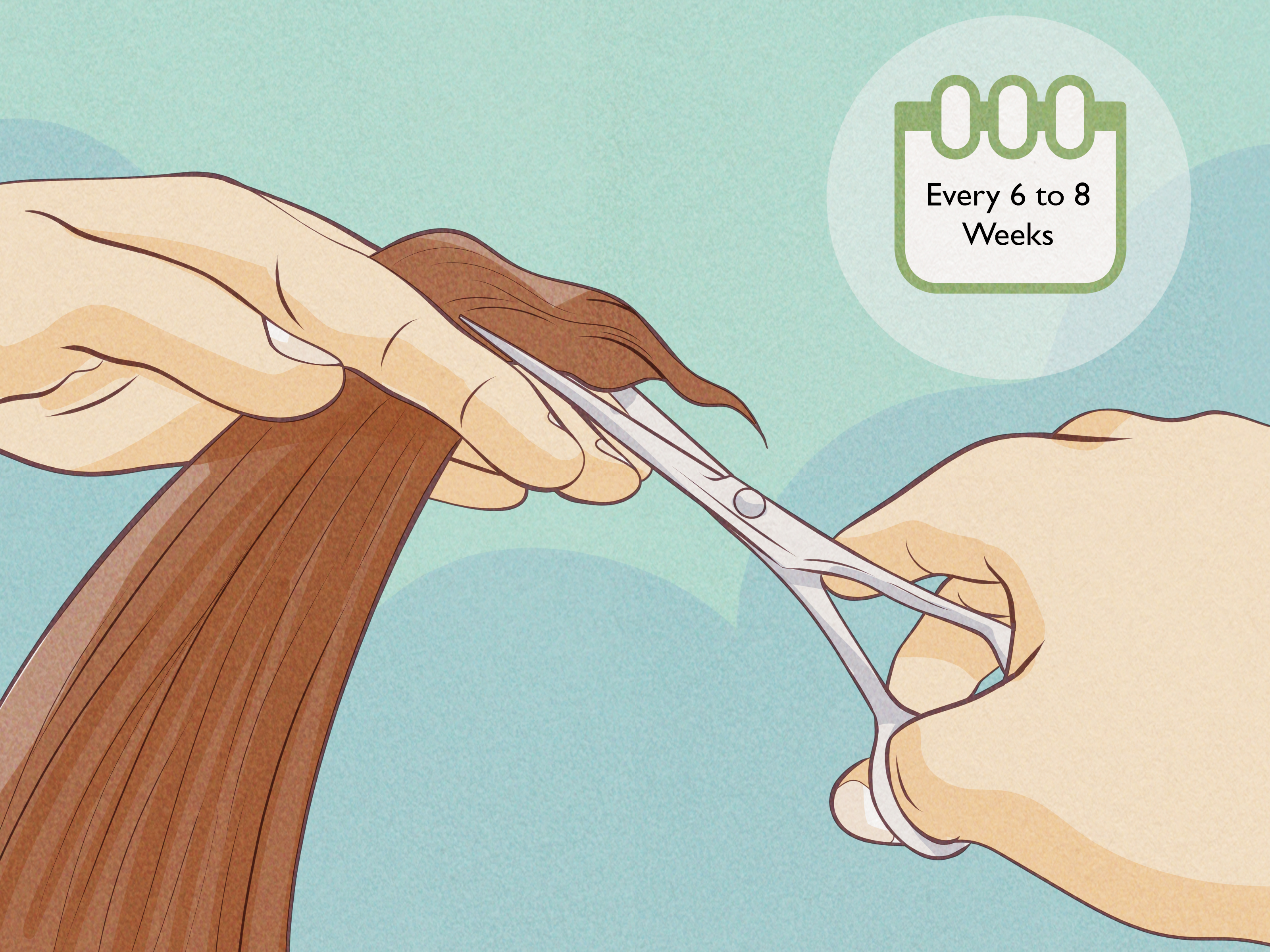
Trimming does not make hair grow faster, but it removes ends that are splitting, tangling, and breaking upward. A small trim may be enough for moderately damaged ends. Severe chemical breakage may require a more substantial cut or several gradual trims.
Ask an experienced stylist to evaluate the hair while it is dry and again when it is damp. The goal is to preserve as much length as possible without keeping sections that disintegrate during normal handling. If the hair stretches excessively, feels mushy, or breaks in clumps, maintaining every inch may create the illusion of length while breakage quietly eats its way upward.
Regular trims can remove damaged ends, but they do not affect the growth rate at the follicle. Think of trimming as stopping a crack in a windshieldnot upgrading the engine. >5. Condition Every Time You Shampoo
Conditioner is not an optional decorative side dish for chemically burnt hair. It is part of the main course.
Apply a generous amount through the mid-lengths and ends after every shampoo. Look for formulas labeled moisturizing, smoothing, strengthening, or designed for chemically treated hair. Conditioning ingredients can coat rough areas, reduce static, improve slip, and lower the friction created during combing.
Leave the conditioner on for the time recommended on the label, then rinse without aggressively squeezing or twisting the hair. Fine hair may prefer a lightweight formula, while coarse, curly, or highly porous hair may benefit from a richer cream. Dermatologists generally recommend conditioner after shampoo because it improves manageability and helps protect fragile strands. >6. Add a Deep-Conditioning Treatment
Use a moisturizing mask once or twice a week at first, adjusting the frequency according to your hair’s response. Ingredients commonly found in useful formulas include fatty alcohols, conditioning polymers, ceramides, plant oils, silicones, and humectants.
A mask cannot permanently reconstruct missing cuticle layers, but it can make damaged hair softer, less tangled, and easier to handle. That matters because every knot you prevent is one less wrestling match between your comb and an already fragile strand.
Do not apply a rich mask directly over blistered or broken scalp skin unless a clinician has approved it. Keep cosmetic treatments on the hair lengths while the scalp heals. Skip extremely hot oil treatments because heat may further stress fragile strands and irritate injured skin. >7. Balance Strengthening Products With Moisture
Chemical processing alters proteins and structural bonds within the hair shaft. Carefully selected protein-containing or bond-support products may temporarily improve strength, elasticity, and resistance to breakage. However, more is not automatically better. Hair that becomes unusually stiff, rough, or brittle after repeated strengthening treatments may need fewer of them and more conditioning.
Introduce one repair product at a time and follow its directions. Avoid stacking a protein shampoo, protein conditioner, protein mask, protein leave-in, and protein styling cream unless your hair has formally requested chain mail.
Observe how your hair behaves over several washes. If it feels stronger and tangles less, continue at a moderate frequency. If it becomes rigid or dry, pause the treatment and return to a simpler moisturizing routine. Research suggests that protein- and polysaccharide-based treatments may improve certain mechanical properties of chemically treated hair, but they should be viewed as protective cosmetic care rather than a biological cure. >8. Detangle With Patience, Slip, and Sections
Damaged wet hair can stretch and break easily, so detangling technique matters almost as much as the products you buy.
Divide the hair into manageable sections. Apply conditioner or leave-in conditioner, then use your fingers or a wide-tooth comb. Begin at the ends and gradually work upward toward the roots. Hold each section above the area you are combing to reduce pulling on the scalp.
Do not rip through a knot from the roots downward. That approach turns one tangle into a small avalanche. Straight hair may be easier to comb after it has partially air-dried, while curly and coily hair is often best detangled while damp and coated with conditioner. >9. Eliminate Heat and Tight Styling
Temporarily retire flat irons, curling irons, hot combs, heated rollers, and high-temperature blow-drying. Chemically weakened hair already has reduced structural integrity, so adding intense heat can increase dryness and breakage.
Let hair air-dry when practical. Gently blot it with a soft microfiber towel or cotton T-shirt instead of rubbing it. When heat styling eventually returns, use a heat protectant, the lowest effective temperature, and as few passes as possible.
Loose styles are safest during recovery. Avoid tight ponytails, slick buns, heavy extensions, tight braids, and clips that repeatedly grip the same fragile area. Heat and tension cannot be negotiated with; they will collect their payment in broken strands. >10. Reduce Friction During Sleep and Daily Life
Small mechanical stresses add up. Use a satin or silk pillowcase, or loosely wrap the hair in a smooth bonnet or scarf before sleeping. Replace tight elastics with fabric-covered scrunchies, and move your ponytail or bun so the same section is not stressed every day.
Protect the hair from chlorinated pools with a swim cap and rinse promptly after swimming. Sun, wind, salt water, and dry indoor air can also make already porous hair feel rougher, so cover it during long outdoor exposure and use a lightweight leave-in conditioner when appropriate.
These steps will not reverse the original chemical reaction, but they can significantly reduce the daily friction that causes weak strands to split and snap. >11. Build a Long-Term Recovery Plan
Hair grows from the scalp, so meaningful recovery occurs as healthier new strands replace the damaged lengths. Depending on your starting length and the severity of the damage, that process may take many months or longer.
Take monthly photographs in similar lighting instead of checking the mirror every 14 minutes. Track breakage, scalp comfort, softness, and the condition of new growth. Schedule gradual trims and avoid another major chemical service until both a qualified stylist and your hair’s behavior suggest it is safe.
When you eventually color or straighten again, use a professional who evaluates elasticity, porosity, scalp health, and previous chemical history. Ask for a strand test before committing to the entire head. Space services apart, prevent chemical overlap, and be honest about everything previously appliedincluding the “natural” dye you bought online at midnight.
See a dermatologist if you have persistent scalp pain, scaling, sores, patchy hair loss, excessive shedding, follicular swelling, or breakage that continues despite stopping chemical treatments. Hair and scalp changes can have causes beyond cosmetic damage and deserve an accurate diagnosis. ion>
What Not to Put on Chemically Burnt Hair
Panic encourages experimentation, but a distressed scalp is not the ideal location for a kitchen chemistry competition. Avoid applying undiluted essential oils, lemon juice, vinegar, baking soda, hydrogen peroxide, household bleach, mayonnaise, eggs, or heavily fragranced DIY mixtures to burned skin.
Do not peel crusts, pop blisters, scratch the scalp, or cover an active burn with thick cosmetic oils. Medical sources advise against putting household salves or unapproved remedies on chemical burns and against disturbing blisters or dead skin. ion>
How Long Does Chemically Burnt Hair Take to Recover?
Manageability may improve within several washes after you stop chemical services and begin gentle conditioning. Breakage may take several weeks to settle because the weakest strands can continue snapping even after the original treatment has ended.
Complete recovery depends on growing out the damaged portion. Products may make old hair look and feel much better, but the structurally altered fiber does not become biologically new again. A short damaged section may be removed through a few trims; long, extensively lightened hair may require a year or more of careful growth and cutting.
The scalp follows a different timeline. Mild irritation may calm quickly after the trigger is removed, whereas blistering, infection, or deep burns require medical management and may take considerably longer to heal.
Recovery Experiences: What Realistic Hair Repair Often Looks Like
The following composite experiences reflect common recovery patterns rather than promises about a specific person. Hair texture, chemical history, scalp condition, and the amount of damage all influence the outcome.
Experience 1: The Hair That Felt Fine Until It Got Wet
A common surprise occurs after a dramatic bleaching session. Dry hair may look fluffy but reasonably intact. Once wet, however, sections become stretchy, sticky, and difficult to rinse. The natural reaction is to apply five masks in one evening and repeatedly test the strands by pulling them. Unfortunately, constant testing can create additional breakage.
A more successful approach is boring in the best possible way: stop all chemicals, shampoo gently, condition thoroughly, detangle once, and leave the hair alone. After a professional removes the most compromised ends, the remaining hair often becomes easier to manage. It is not suddenly virgin hair, but it stops behaving like it is auditioning for a role as chewing gum.
Experience 2: The Search for One Miracle Product
Another familiar pattern is purchasing a popular repair treatment and expecting it to reverse years of overlapping bleach. The first use may produce smoother hair, which feels miraculous. Then the user applies it more frequently, layers it with several strengthening products, and discovers that the hair now feels hard and rough.
The lesson is that chemically damaged hair usually needs a routine, not a hero product. A balanced plan might include gentle shampoo, conditioner after every wash, a moisturizing mask, an occasional strengthening treatment, leave-in protection, and regular trims. The frequency should follow the hair’s response rather than an influencer’s calendar.
Experience 3: Saving Length at Any Cost
People often resist trimming because they have spent years growing their hair. That is understandable. Yet badly split and crumbling ends can make the entire style appear thinner while causing constant knots. Every detangling session then removes more length through breakage than a careful haircut might have removed intentionally.
A gradual trimming strategy can feel less dramatic. Removing a modest amount every six to eight weeks allows healthier new growth to replace damaged ends without requiring one enormous cut. Photographs often reveal progress that is hard to notice day by day: fuller ends, fewer short broken pieces, and improved shape.
Experience 4: Confusing Breakage With Hair Loss
Short pieces in the sink usually suggest breakage, especially when the strands lack a root bulb and vary in length. Full-length strands shedding from the root may indicate a separate issue. Some people experience both at once, which makes self-diagnosis difficult.
This is where a dermatologist becomes valuable. Persistent shedding, smooth bald patches, scalp scaling, swelling, pain, or shiny scarred areas should not be dismissed as ordinary bleach damage. Early evaluation may protect follicles when inflammation or another scalp disorder is involved.
Experience 5: Returning to Color More Carefully
After months of progress, many people eventually want highlights or color again. The best experiences usually involve honest consultation, a strand test, realistic expectations, and no overlap onto previously lightened hair. Sometimes the healthiest answer is fewer highlights, a darker shade, longer intervals between appointments, or a haircut that removes the oldest processed sections first.
Recovery does not mean abandoning creativity forever. It means treating hair chemistry like baking: measurements matter, timing matters, and adding extra developer because you feel optimistic is rarely a scientific breakthrough.
Final Thoughts
To fix chemically burnt hair, begin by protecting the scalp, stopping additional chemical services, and reducing every avoidable source of breakage. Wash gently, condition consistently, trim unsalvageable ends, use strengthening products conservatively, detangle with patience, and take a break from heat and tight styles.
Visible improvement is possible, but recovery requires realistic expectations. Cosmetic treatments can help damaged strands survive and look healthier; truly destroyed hair must be cut away as healthier growth replaces it. When scalp pain, blisters, sores, patchy loss, or persistent inflammation are involved, skip the home-remedy roulette and contact a medical professional.
SEO Information