
There are few travel moments more dramatic than opening your suitcase before a wedding, work meeting, or fancy dinner and discovering your suit has transformed into a wrinkled accordion. It was a jacket when you packed it. Now it looks like it spent the flight wrestling with your shoes.
The good news? Learning how to fold a suit for travel is not some secret skill reserved for hotel concierges, frequent flyers, or that one friend who somehow lands looking freshly steamed. With the right folding method, smart layering, and a tiny bit of patience, you can pack a suit in a carry-on or suitcase and arrive looking polished instead of panic-ironed.
This guide explains exactly how to fold a suit jacket, suit pants, dress shirt, and accessories for travel. You will also learn what to do before packing, how to reduce wrinkles, when to use a garment bag, and how to revive your suit after arrival. No magic wand requiredalthough a travel steamer does come pretty close.
Why Folding a Suit Correctly Matters
A suit is not just another outfit. A T-shirt can survive being rolled into a burrito and shoved beside a phone charger. A suit, on the other hand, has structure: shoulders, lapels, lining, trouser creases, and fabric that is supposed to drape cleanly. Poor folding can flatten the shoulders, bend the lapels, create hard creases, and make even an expensive suit look tired.
The main goal when packing a suit is simple: avoid sharp pressure points. Wrinkles usually form when fabric is folded tightly, crushed under heavy items, or left compressed for too long. That is why the best way to fold a suit for travel is to protect the jacket’s outside surface, support the shoulders, fold along natural lines, and place the suit where it will not be smashed by sneakers, toiletries, or the mysterious “just in case” items we all pack and never use.
Before You Fold: Prepare Your Suit Like a Pro
Start With a Clean, Dry Suit
Never pack a damp or freshly worn suit without letting it air out first. Moisture encourages wrinkles and can trap odors. If your suit needs dry cleaning, do it several days before your trip, not the night before. A newly pressed suit will always pack better than one already carrying wrinkles from last week’s chair-back storage system.
Empty Every Pocket
Remove wallets, receipts, coins, pens, business cards, and anything else hiding in the pockets. A forgotten pen can create pressure marks, and a random receipt can wrinkle the fabric from the inside. Also, nobody wants to arrive at a conference with a suit pocket shaped like a granola bar.
Choose the Right Luggage
A hard-shell carry-on is usually better than a floppy duffel when packing a suit because it protects the jacket from being crushed. A garment bag is even better if you have room and the trip calls for formalwear. But if you are traveling carry-on only, the folding methods below will help your suit survive the journey with dignity.
The Best Method: How to Fold a Suit Jacket for Travel
This inside-out shoulder method is one of the most reliable ways to pack a suit jacket in a suitcase. It protects the outer fabric, keeps the shoulders supported, and reduces visible creasing.
Step 1: Hold the Jacket by the Shoulders
Button the jacket lightly if it has buttons, then hold it upright with the front facing you. Smooth the lapels and sleeves with your hands. Do not yank the fabric. A suit jacket responds better to gentle handling than aggressive folding gymnastics.
Step 2: Turn One Shoulder Inside Out
Take one shoulder and gently push it inside out. You do not need to turn the entire jacket inside outjust one shoulder area. The idea is to create a pocket where the opposite shoulder can fit neatly.
Step 3: Tuck the Other Shoulder Into It
Fold the jacket lengthwise by placing the normal shoulder inside the inverted shoulder. The lining should now be mostly visible, and the outside of the jacket should be protected on the inside of the fold. Match the lapels as neatly as possible so they lie flat instead of twisting.
Step 4: Align the Sleeves
Lay the sleeves along the body of the jacket. They should run smoothly, not bunch near the elbows. If the sleeves are twisted, fix them now. A small twist before packing becomes a stubborn crease after four hours in an overhead bin.
Step 5: Fold the Jacket Horizontally
Fold the jacket in half from bottom to top, or fold it in thirds if your suitcase is smaller. Keep the fold loose. The jacket should look compact but not flattened. Think “carefully placed,” not “vacuum-sealed by emotional baggage.”
How to Fold Suit Pants for Travel
Suit pants are easier than the jacket, but they still need attention. The goal is to preserve the crease and avoid creating new fold lines across the legs.
Step 1: Fold Along the Natural Crease
Hold the pants by the waistband and match the front creases together. Lay them flat on a bed or clean table. Smooth the fabric from waistband to hem.
Step 2: Place the Jacket on the Pants
For a classic bundle method, place the folded suit jacket across the pants around the knee area. This creates a soft core and helps prevent hard creases in the trousers.
Step 3: Wrap the Pants Around the Jacket
Fold the lower part of the pants over the jacket, then fold the upper part over it. You now have a compact suit bundle with the pants protecting the jacket. This method is excellent for carry-on travel because it reduces direct pressure on the jacket and keeps the trousers from being folded sharply by themselves.
How to Pack a Suit in a Carry-On
Once your suit is folded, placement matters. Even the best folding technique cannot defeat a suitcase packed like a junk drawer with wheels.
Create a Soft Base
Pack rolled T-shirts, underwear, socks, or soft casual clothes at the bottom of your suitcase. This creates a cushion. Avoid putting shoes, toiletry bags, chargers, or heavy books directly under the suit.
Place the Suit Near the Top
Your folded suit should sit near the top of the bag, not buried under everything else. Heavy items should go near the wheels or edges of the suitcase. The suit deserves the penthouse suite, not the basement.
Use a Dry-Cleaning Bag or Tissue Paper
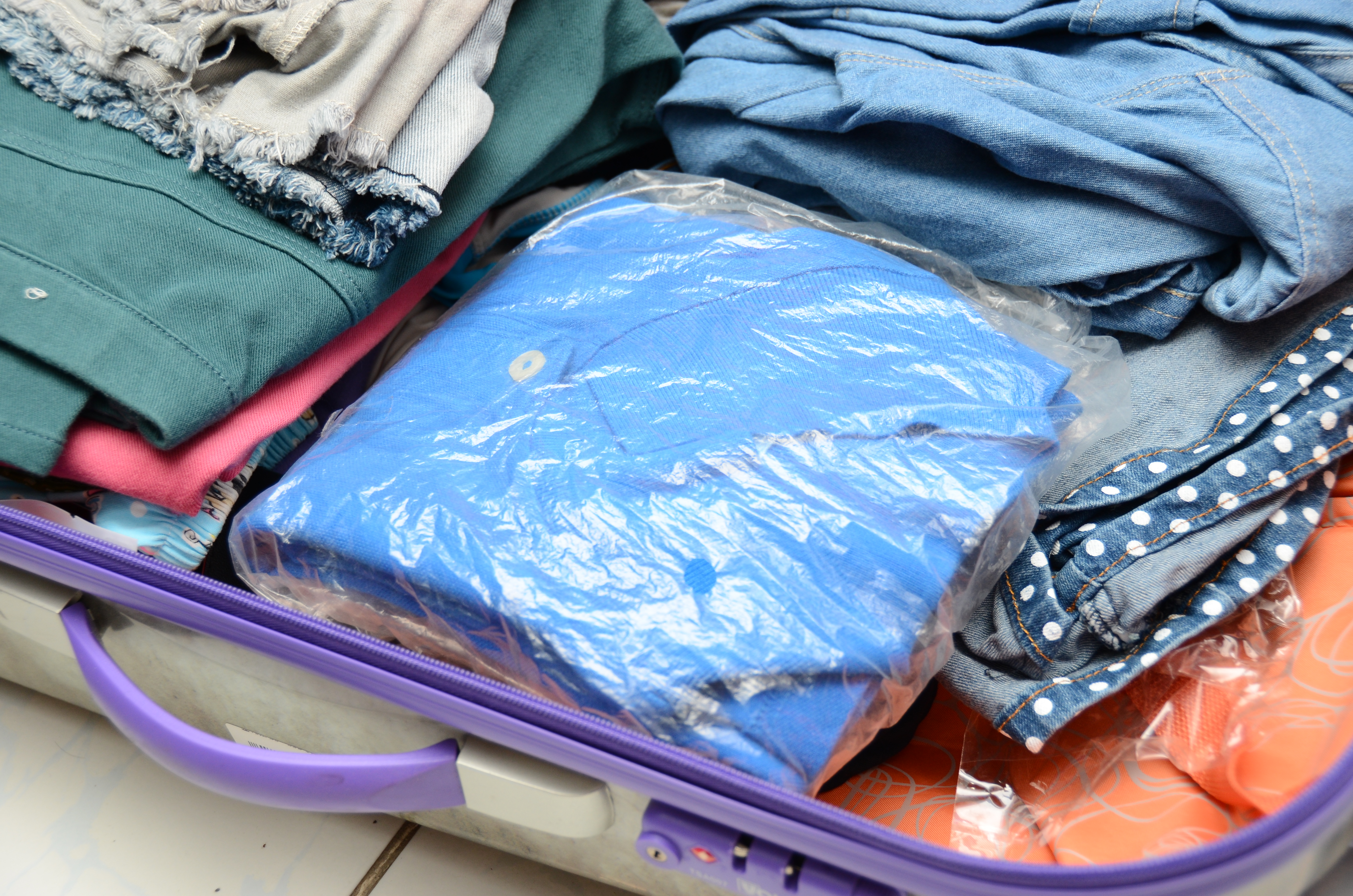
A thin plastic dry-cleaning bag or a few sheets of tissue paper can help fabric slide slightly instead of locking into sharp creases. Place the jacket or suit bundle inside the plastic before packing, or layer tissue paper between folds.
Do Not Overpack
If you have to sit on your suitcase to close it, your suit has already lost the battle. Compression sets wrinkles into fabric. Leave a little breathing room so the suit is held securely but not crushed.
Alternative Method: The Suit Roll
Rolling can work for some jackets, especially softer, unstructured blazers or travel suits made from wrinkle-resistant fabric. However, rolling is not always ideal for structured wool suits with padded shoulders. If you roll too tightly, you can distort the jacket shape.
To roll a suit jacket, use the same inside-out shoulder tuck method first. Then place a soft T-shirt or thin sweater inside the jacket and roll loosely from bottom to top. The soft item acts as a core, preventing hard creases. This method is best for short trips, casual suits, or luggage with limited space.
Should You Use a Garment Bag?
If you are traveling for a wedding, court appearance, black-tie event, major interview, or important business presentation, a garment bag is usually the safest choice. A garment bag lets the suit hang more naturally and reduces the number of folds.
That said, garment bags can be awkward on flights. Some fit in overhead bins, some fold into carry-on dimensions, and some make you feel like you are personally transporting the curtains from a historic theater. If you travel with suits often, a convertible garment duffel or carry-on with a built-in garment sleeve can be worth the investment.
How to Fold a Dress Shirt With Your Suit
A sharp suit paired with a wrinkled shirt is like a sports car with a flat tire. The shirt matters.
Button the Shirt First
Button the shirt all the way up, including the collar. Lay it face down on a flat surface. Smooth the back, sleeves, and collar.
Fold the Sides Inward
Fold one side toward the center, then fold the sleeve down along the folded edge. Repeat on the other side. The shirt should form a neat rectangle.
Fold From Bottom to Top
Fold the bottom third upward, then fold again toward the collar. Place tissue paper inside the folds if the shirt is especially wrinkle-prone. Pack shirts above the suit or in a garment folder if you have one.
How to Pack Suit Accessories
Ties
Roll ties loosely and place them inside shoes, a small pouch, or the corner of your suitcase. Do not fold ties sharply. A creased tie is surprisingly dramatic for such a narrow piece of fabric.
Belts
Coil belts around the inside edge of the suitcase or lay them flat along the perimeter. Avoid placing a belt buckle directly on top of the suit.
Dress Shoes
Pack shoes in shoe bags or plastic bags and place them near the wheels of your suitcase. Stuff socks inside the shoes to save space and help them keep shape. Keep shoe soles away from your suit unless you enjoy living dangerously.
Best Fabrics for Traveling With a Suit
Some suits travel better than others. Wool is naturally resilient and often releases wrinkles better than linen or cotton. High-twist wool, wool blends, and performance travel fabrics are excellent choices for frequent travelers. Linen looks stylish but wrinkles if you look at it with concern. Cotton suits are comfortable but can crease more easily.
If you travel often for business, consider owning one dedicated travel suit in navy or charcoal. Choose a fabric with natural stretch, moderate weight, and wrinkle resistance. A half-lined or unstructured jacket may pack more easily than a heavily padded formal jacket.
What to Do When You Arrive
Your suit care routine does not end when the plane lands. In fact, the first ten minutes after arriving can save you from an emergency ironing session.
Unpack Immediately
As soon as you reach your hotel or destination, remove the suit from your suitcase. Hang the jacket on a proper hanger, not a flimsy wire hanger if you can avoid it. Hang the pants by the waistband or cuffs so gravity can help relax the fabric.
Use Bathroom Steam Carefully
If you do not have a steamer, hang the suit in the bathroom while you take a warm shower. Keep the suit away from direct water. Light steam can help soften minor wrinkles, but do not turn your bathroom into a tropical rainforest. Too much moisture is not good for tailored garments.
Use a Travel Steamer
A compact steamer is one of the best tools for business travelers. Steam the jacket gently from a short distance and avoid pressing hard against the fabric. Let the suit dry fully before wearing it.
Ask the Hotel for Help
Many hotels offer pressing, steaming, or ironing services. If your event is important, ask early. Waiting until 20 minutes before the ceremony is how people end up ironing pants while wearing one dress shoe.
Common Mistakes When Folding a Suit for Travel
Mistake 1: Folding the Jacket Like a Shirt
A suit jacket has structure. Folding it flat like a T-shirt can crush the shoulders and bend the lapels. Always use a method that protects the shoulder shape.
Mistake 2: Packing Heavy Items on Top
Toiletry kits, laptops, books, and shoes can press wrinkles into the fabric. Keep heavy items away from the suit bundle.
Mistake 3: Packing at the Last Minute
Rushed packing leads to twisted sleeves, uneven folds, and overstuffed luggage. Give yourself five extra minutes. Your future self, standing in front of a hotel mirror, will be grateful.
Mistake 4: Ignoring the Arrival Routine
Even a perfectly packed suit should be unpacked and hung quickly. Leaving it folded overnight in your suitcase invites wrinkles to move in and sign a lease.
Quick Checklist: How to Fold a Suit for Travel
- Clean and press the suit before packing.
- Empty all jacket and trouser pockets.
- Turn one jacket shoulder inside out.
- Tuck the opposite shoulder into the inverted shoulder.
- Align lapels and sleeves smoothly.
- Fold the jacket loosely in half or thirds.
- Fold pants along the natural crease.
- Wrap pants around the folded jacket if using the bundle method.
- Use tissue paper or a dry-cleaning bag to reduce friction.
- Pack the suit near the top of your suitcase.
- Unpack and hang the suit immediately after arrival.
Personal Travel Experience: What Actually Works in Real Life
After testing different ways to pack a suit for travel, one thing becomes obvious: the folding method matters, but the entire suitcase strategy matters just as much. A beautifully folded suit can still come out wrinkled if it is trapped under boots, a laptop charger, and three “emergency” hoodies. The suit is not the problem. The suitcase chaos is.
The most reliable method I have used is the inside-out shoulder fold combined with the trouser wrap. It feels odd the first time, almost like you are folding the jacket wrong on purpose. But once the shoulders nest together, the jacket becomes surprisingly compact. The lining faces outward, the visible fabric is protected, and the lapels stay calmer than expected. It is the packing version of giving your suit a tiny armored shell.
For short business trips, I like placing the folded suit bundle on top of soft clothing inside a hard-shell carry-on. Socks and T-shirts go below. Shoes sit near the wheels in separate bags. The suit goes near the top, usually inside a dry-cleaning bag. Dress shirts go above or in a folder. This setup keeps everything stable without crushing the jacket.
I have also learned not to overpack. This is painful because every traveler has a little voice saying, “What if I need another sweater, two extra shirts, and pants for a surprise yacht invitation?” But suits hate compression. If the suitcase is stuffed to the point where the zipper begs for mercy, wrinkles are almost guaranteed. Leaving even a small amount of space makes a noticeable difference.
Another experience-based tip: unpack immediately. Not later. Not after checking messages. Not after “just lying down for five minutes,” which is how time travel happens. The moment you arrive, hang the jacket and pants. A suit that spends six hours folded during travel can recover. A suit that spends six hours folded plus another night in a suitcase may wake up looking like an old map.
For weddings or formal events, I still prefer a garment bag when possible. It is less compact, yes, and occasionally annoying to carry. But if the event is important and photos are involved, the garment bag earns its keep. For routine business trips, though, a careful fold in a carry-on works well enough that you do not need to travel like a wardrobe assistant for a Broadway production.
The biggest lesson is that wrinkle-free travel is not about perfection. A few soft wrinkles are normal. The goal is to avoid deep, obvious creases across the chest, shoulders, lapels, and trouser legs. With the right fold, smart packing order, and quick steaming or hanging after arrival, your suit can look sharp enough for meetings, dinners, ceremonies, and any situation where “I just got off a plane” is not the dress code.
Conclusion
Knowing how to fold a suit for travel is a practical skill that saves time, stress, and possibly your first impression. The best approach is to prepare the suit properly, use the inside-out shoulder fold for the jacket, fold trousers along their natural crease, and pack the suit near the top of your luggage with soft layers around it. Add tissue paper or a dry-cleaning bag for extra wrinkle protection, and always hang the suit as soon as you arrive.
A suit will always need a little care, but it does not need to be treated like a museum artifact. Fold it thoughtfully, pack it gently, and give it room to breathe. Do that, and your suit should arrive ready for actionunlike you after a red-eye flight, but that is what coffee is for.