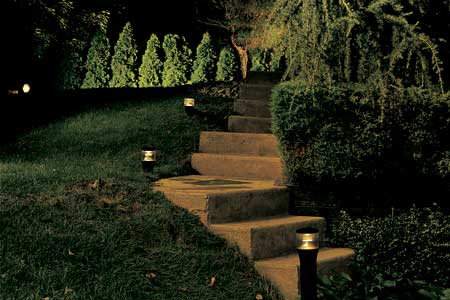

Outdoor lighting is the difference between a home that says, “Welcome, come on in,” and a home that says, “Good luck finding the front steps, brave traveler.” Done well, exterior lighting improves curb appeal, boosts safety, supports security, extends your outdoor living space, and gives your house that soft evening glow usually reserved for magazine covers and very patient real estate photographers.
But optimizing outdoor lighting is not about blasting your yard with enough brightness to guide aircraft. The best outdoor lighting design is layered, purposeful, energy-efficient, and polite to your neighbors, your plants, your wallet, and the night sky. It highlights what matters, hides what does not, and creates mood without making your porch look like a convenience store parking lot.
Whether you are refreshing a front entry, upgrading a patio, lighting a walkway, or turning a backyard into a cozy after-dark retreat, this guide walks through how to optimize outdoor lighting so your home shines beautifully, safely, and smartly.
Why Outdoor Lighting Matters More Than You Think
Outdoor lighting is often treated as a finishing touch, but it works more like a home’s evening personality. During the day, landscaping, siding, doors, and architectural details do the talking. At night, lighting becomes the storyteller.
Good exterior lighting helps guests move safely from the driveway to the door. It makes steps, walkways, and uneven surfaces easier to see. It can discourage unwanted activity by removing hiding spots around entries and dark corners. It also expands the way you use your property. A patio that disappears after sunset becomes a second living room when you add warm string lights, step lights, sconces, or low-voltage landscape lighting.
And yes, it makes your home look better. A well-lit tree, textured stone wall, garden path, or front porch creates depth and character. Outdoor lighting adds drama without requiring you to buy a fog machine, which is almost always the right decision unless you are hosting a haunted-house fundraiser.
Start With a Lighting Plan, Not a Shopping Cart
The most common outdoor lighting mistake is buying fixtures before deciding what they need to do. A pretty light is not always the right light. Before choosing products, walk your property at dusk and ask three simple questions:
- Where do people need to walk safely?
- Which architectural or landscape features deserve attention?
- Where is darkness useful, calming, or necessary?
That last question matters. Darkness is not the enemy. A great outdoor lighting plan uses contrast. If everything is bright, nothing feels special. If you light only the key areas, the eye naturally moves through the space.
Create Lighting Zones
Think of your yard in zones. Common zones include the front entry, driveway, walkways, porch, patio, deck, garden beds, trees, pool area, garage, side yard, and outdoor kitchen. Each zone has a different purpose, so each should have a different lighting strategy.
For example, the front entry needs clarity and warmth. A patio needs comfort and flexibility. A driveway may need motion-sensor lighting. A garden bed may only need subtle accent lights. Treating every area the same is how homeowners end up with one giant floodlight doing the emotional work of an entire lighting plan. It tries hard, but it has no range.
Use Layers for a Professional Outdoor Lighting Design
Indoor designers talk about layered lighting all the time, and the same idea works outside. Instead of relying on one type of fixture, combine several lighting layers to create balance.
Ambient Lighting
Ambient lighting provides overall visibility. Outdoors, this may come from porch lights, wall sconces, ceiling fixtures under a covered patio, or soft string lights. The goal is comfort, not interrogation-room brightness.
Warm ambient lighting works especially well on patios and decks because it makes people look relaxed, food look appetizing, and conversations feel less like a meeting that could have been an email.
Task Lighting
Task lighting helps people do specific things, such as unlocking a door, grilling dinner, walking down steps, or finding the recycling bin without conducting a midnight plastic-bottle treasure hunt. Examples include step lights, under-rail deck lights, outdoor kitchen lights, and focused lights near doors.
Accent Lighting
Accent lighting creates visual interest. It highlights trees, columns, stone walls, fountains, sculptures, container gardens, or textured siding. Spotlights, well lights, uplights, and narrow-beam fixtures are common choices.
Accent lighting should be selective. One beautifully lit Japanese maple or brick façade can look elegant. Every shrub glowing from below can look like the plants are telling ghost stories.
Choose the Right Fixtures for Each Outdoor Area
Outdoor lighting works best when the fixture matches the function. Here are the most useful types and where they shine brightest.
Path Lights
Path lights guide movement along walkways, garden paths, and driveway edges. Place them low, stagger them rather than lining both sides like an airport runway, and avoid excessive brightness. The best path lights gently reveal where to step while adding rhythm to the landscape.
Wall Sconces
Wall sconces are ideal for front doors, garage doors, patios, and side entries. For a polished look, choose fixtures that match your home’s architecture. A modern black cylinder may look fantastic on a contemporary home, while a lantern-style sconce might suit a farmhouse, craftsman, or colonial exterior.
Step and Deck Lights
Step lights are both beautiful and practical. They reduce trip hazards and add a refined glow to stairs, retaining walls, and deck edges. If you have outdoor steps, especially uneven stone steps, this is one of the smartest upgrades you can make.
Spotlights and Uplights
Spotlights and uplights are used to highlight trees, architectural features, columns, and tall shrubs. Aim carefully to avoid glare into windows or neighboring properties. A narrow beam can emphasize a specific feature, while a wider beam can wash a wall or tree canopy with softer light.
Floodlights
Floodlights are best for security and broad visibility, not mood. Use them sparingly and aim them downward. Motion-sensor floodlights near garages, side yards, and back entries can be effective, but constant high-intensity lighting is usually wasteful and visually harsh.
String Lights
String lights are the sweatpants of outdoor lighting: comfortable, friendly, and surprisingly versatile. They work beautifully over patios, pergolas, outdoor dining areas, and small courtyards. Choose outdoor-rated, shatter-resistant bulbs and hang them securely with proper support rather than relying on the cord itself.
Bollard Lights
Bollard lights provide sturdy, modern illumination for driveways, wide paths, and contemporary landscapes. They work best when spaced thoughtfully and shielded to control glare.
Pick the Right Brightness: Lumens Matter More Than Watts
Older lighting decisions often revolved around watts. With LEDs, lumens are more useful because they describe brightness. More lumens mean more light. For outdoor lighting, the trick is choosing enough brightness for safety without turning the yard into a stage production called “The Lawn Awakens.”
As a general guide, path lights often need modest output, while security lights require more. Accent lights depend on the size and distance of the feature. A small ornamental tree may need only gentle illumination, while a large oak or tall stone wall may need stronger output and a wider beam.
When in doubt, start lower and use adjustable fixtures or dimmers where possible. Outdoor spaces usually need less light than people think because darkness provides contrast. Overlighting flattens everything and can create glare, deep shadows, and neighborly side-eye.
Use Warm Color Temperatures for a Welcoming Glow
Color temperature is measured in Kelvin. Lower numbers look warmer and more golden; higher numbers look cooler and bluer. For most residential outdoor lighting, warm white light between about 2200K and 3000K creates the most inviting effect.
Warm light is flattering on brick, stone, wood, plants, and people. Cooler blue-white light can feel harsh, especially around patios and front entries. It may also contribute more to glare and nighttime disruption. For a cozy home exterior, think candlelit dinner, not dental exam.
Control Glare Like a Design Professional
Glare is the villain of outdoor lighting. It happens when the light source shines directly into your eyes instead of onto the thing you meant to illuminate. Glare makes spaces less comfortable and can actually reduce visibility by forcing your eyes to adjust.
To reduce glare, choose shielded fixtures, aim lights downward, hide bulbs from direct view, and avoid placing bright fixtures at eye level. Path lights should cast light onto the ground, not into guests’ faces. Security lights should illuminate activity areas, not the second-floor bedroom across the street.
Make Outdoor Lighting Energy-Efficient
LED lighting is the practical choice for most outdoor applications. LEDs use less energy than traditional incandescent bulbs, last longer, and are available in many brightness levels, beam spreads, and color temperatures. They are especially helpful for fixtures that stay on for several hours each evening.
For even better efficiency, use timers, photocells, motion sensors, and smart controls. A photocell can turn lights on at dusk and off at dawn. A timer can shut patio lights off after bedtime. Motion sensors can activate security lighting only when needed. Smart systems can create schedules, dim zones, and adjust lighting from your phone.
The most efficient light is the one that turns off when nobody needs it. Revolutionary? Perhaps. Also excellent for the electric bill.
Balance Security With Beauty
Outdoor lighting can improve security, but brighter is not always better. A good security plan lights doors, garages, walkways, gates, and vulnerable side areas without creating blinding hotspots or deep shadows.
Motion-sensor lights are useful because sudden illumination can draw attention to movement. Timers and smart lights can also help make a home look occupied. However, outdoor lighting should be part of a broader security plan that may include locks, cameras, trimmed landscaping, and clear sightlines.
For best results, place security lighting high enough to cover the target area, aim it downward, and test it at night. If a light makes you squint from the driveway, adjust it. Your guests should feel welcomed, not scanned by a spaceship.
Respect the Night Sky and Your Neighbors
Responsible outdoor lighting is useful, targeted, low-glare, and no brighter than necessary. That means lighting the ground, paths, doors, and features you actually use rather than sending light into the sky or across property lines.
Choose fully shielded fixtures when possible, use warm color temperatures, install controls, and avoid leaving decorative or security lighting on all night unless there is a real need. This approach reduces wasted energy, improves comfort, protects nighttime views, and keeps neighborhood relations from becoming a porch-light arms race.
Match Lighting to Your Home’s Architecture
Outdoor fixtures should feel like they belong to the house. A sleek modern home often looks best with simple geometric fixtures, linear step lights, and hidden landscape lighting. A craftsman home may suit lantern-style sconces, warm pathway lights, and subtle uplighting on stone or wood details. A traditional brick home might shine with classic wall lanterns, soft façade lighting, and symmetrical entry fixtures.
Scale matters too. Tiny sconces beside a large front door can look timid. Oversized fixtures on a small porch can look like the house is wearing someone else’s hat. As a rule, choose exterior fixtures large enough to be visible from the street but not so large that they dominate the architecture.
Highlight Landscaping Without Overdoing It
Landscape lighting should reveal shape, texture, and depth. Use uplighting for trees with interesting trunks or branching patterns. Use grazing lights close to stone, brick, or textured walls to emphasize surface detail. Use downlighting from trees or structures to mimic moonlight over paths or seating areas.
Be careful with plants. Some plants prefer darker conditions at night, and too much direct artificial light can look unnatural. Keep fixtures away from delicate leaves when heat may be an issue, choose LEDs for lower heat output, and avoid lighting every single plant. The garden should look magical, not like it is reporting for duty.
Use Solar Lights Where They Make Sense
Solar outdoor lights are convenient because they do not require wiring, and they can be useful for paths, garden accents, sheds, fences, and areas far from outlets. They work best in locations with reliable sunlight during the day.
However, solar lights are not perfect for every situation. Shady yards, short winter days, cloudy climates, and low-quality batteries can reduce performance. Use solar where convenience matters and wired low-voltage lighting where consistency is important, such as main walkways, steps, and primary entertaining areas.
Keep Outdoor Electrical Safety Non-Negotiable
Outdoor lighting must handle moisture, temperature changes, dirt, wind, and curious squirrels with suspiciously ambitious life goals. Use fixtures, bulbs, cords, and connectors rated for outdoor use. Plug outdoor lighting into GFCI-protected outlets, especially in wet or damp areas. Inspect cords and fixtures regularly for cracks, fraying, corrosion, or loose connections.
Do not bury standard extension cords, overload circuits, or use indoor-only products outside. Temporary lighting should remain temporary. For permanent fixtures, new outlets, line-voltage work, or complex installations, hire a licensed electrician. Electricity and rain are not a charming duet.
Maintain Your Outdoor Lighting System
Even the best outdoor lighting needs maintenance. Clean lenses and fixture covers because dirt, pollen, hard-water spots, and spider webs can reduce brightness. Trim plants that block path lights or grow over fixtures. Check that spotlights are still aimed correctly after storms, yard work, or enthusiastic pets.
Replace failed bulbs with matching color temperatures so your front yard does not end up with one warm golden light and one icy blue light having a disagreement. For solar lights, clean the panels and replace rechargeable batteries when performance drops.
Common Outdoor Lighting Mistakes to Avoid
Using Too Much Light
More light does not always mean better visibility. Too much brightness creates glare, washes out details, wastes energy, and makes outdoor spaces feel less relaxing.
Ignoring the View From Inside
Outdoor lighting should look good from the street and from inside your home. Before finalizing fixture placement, look out from living rooms, bedrooms, and dining areas. A spotlight aimed into your own window is a design plot twist nobody needs.
Forgetting Controls
Manual switches are fine, but timers, dimmers, motion sensors, and smart controls make outdoor lighting more efficient and convenient. Controls also help tailor brightness for quiet evenings, parties, and security needs.
Mixing Too Many Styles
A little variety adds interest. Too much variety creates chaos. Keep finishes, color temperatures, and fixture styles coordinated across the property for a cleaner look.
Practical Outdoor Lighting Ideas for Every Area
Front Porch
Use a pair of sconces, a pendant, or a ceiling fixture with warm light. Make sure house numbers are visible at night. Add a subtle path light near the entry walk for a welcoming approach.
Walkways
Use staggered path lights, low bollards, or downlights. Keep fixtures low and shielded. The goal is to guide footsteps, not outline the path with military precision.
Driveway
Use motion-sensor lights near the garage, low-voltage lights along edges, or bollards for a modern look. Avoid glare that shines into drivers’ eyes.
Patio or Deck
Combine string lights, sconces, step lights, and dimmable fixtures. Add task lighting near the grill and softer light near seating. A dimmer is your best friend here.
Garden Beds
Highlight one or two focal points, such as a specimen tree, sculpture, or water feature. Leave some areas dark for contrast and depth.
Pool or Water Feature
Use properly rated fixtures designed for wet locations. Reflections can be beautiful, but safety comes first. Hire a professional for electrical work around water.
Experience-Based Tips: What Actually Works in Real Homes
After seeing how outdoor lighting behaves in real yards, one lesson becomes obvious: the best design is rarely the brightest design. Homeowners often start with the idea that every dark area needs a light. Then, after installation, they realize the most beautiful parts of the yard are the areas where light and shadow work together. A softly lit path curving through partial darkness feels more elegant than a walkway that looks ready for a marching band.
A practical first step is to test temporary placement before committing. At dusk, use a flashlight with adjustable brightness to experiment. Shine it up a tree, across a wall, along a path, and down from a higher branch if possible. This simple test shows where shadows fall, where glare appears, and which features are worth highlighting. It can save money because you may discover that three well-placed lights look better than eight random fixtures.
Another real-world tip: always check lighting from multiple angles. A spotlight may look perfect from the sidewalk but terrible from the living room window. A path light may seem subtle from the porch but glaring from the driveway. Walk around, stand where guests stand, sit where you sit, and look through windows. Outdoor lighting is not a one-angle photograph; it is a 360-degree experience.
Warm color temperature also makes a bigger difference than many people expect. A 2700K warm white light can make brick, wood, stone, and greenery feel rich and welcoming. A cooler 5000K light may technically illuminate the same area, but it can make the space feel stark. For security zones, cooler light may sometimes be acceptable, but for patios, gardens, and front entries, warm light usually wins.
Motion sensors are helpful, but they need thoughtful placement. If the sensor faces a busy sidewalk, waving branches, or a neighbor’s driveway, the light may switch on so often that everyone starts ignoring it. Aim sensors toward the specific zone you want to monitor, such as a side gate, back door, or garage approach. Adjust sensitivity and duration so the light provides help without becoming the neighborhood’s most annoying blinking monument.
Maintenance is another underrated part of outdoor lighting optimization. A fixture that looked beautiful in April may be swallowed by ornamental grass in August. Mulch, leaves, snow, irrigation spray, and insects all affect performance. Clean lenses, trim plants, and re-aim fixtures at least a couple of times a year. This small habit keeps the system looking intentional instead of abandoned.
Finally, do not underestimate the emotional power of outdoor lighting. A softly glowing porch can make coming home feel calmer. A lit garden path can make a small yard feel larger. A few warm lights over a dining table can turn a regular Tuesday dinner into something that feels planned, even if the menu is grilled chicken and whatever salad survived in the fridge. Outdoor lighting is practical, yes, but it is also atmosphere. It helps your home tell a better story after sunset.
Conclusion
Optimizing outdoor lighting is about balance. You want enough light for safety, security, and function, but not so much that your yard loses its charm. Start with a plan, divide your property into zones, layer ambient, task, and accent lighting, and choose warm, efficient fixtures that match your home’s style. Use controls to save energy, shield lights to reduce glare, and maintain the system so it keeps looking sharp season after season.
When outdoor lighting is done right, your home does more than shine. It welcomes, guides, protects, and entertains. It turns ordinary walkways into graceful paths, patios into evening retreats, and landscaping into living artwork. Best of all, it proves that curb appeal does not have to clock out at sunset.