
Let’s start with the truth, because your abdomen deserves honesty, not internet circus tricks: you cannot safely “melt” belly fat in seven days. Your body is not a microwave burrito. But you can absolutely feel less bloated, stand taller, activate your core better, improve your digestion, reduce water-related puffiness, and create a more toned-looking midsection in one week.
That is what this guide is about: practical, health-first, realistic ways to get a flatter stomach in a week without crash dieting, dehydration, waist trainers, or doing 700 crunches while questioning your life choices. The goal is not punishment. The goal is smart movement, better meals, less bloating, and a core routine that helps your body look and feel stronger.
Whether you have a beach day, a photo session, a reunion, or simply want to feel more comfortable in your clothes, this seven-day flatter stomach plan focuses on three things: reducing belly bloating, improving core tone, and supporting healthy fat-loss habits that last longer than your motivation playlist.
Can You Really Get a Flatter Stomach in One Week?
Yes, but with an important asterisk the size of a yoga mat. In one week, most visible changes come from less bloating, better posture, improved digestion, and temporary reductions in water retention. True belly fat loss usually takes longer because fat loss depends on consistent nutrition, physical activity, sleep, stress control, and time.
That said, one week is enough to build momentum. When you eat more mindfully, move daily, hydrate well, and practice core engagement, your stomach may look flatter because your digestive system is calmer and your muscles are doing a better job supporting your trunk.
The Difference Between Belly Fat and Belly Bloat
Belly fat is stored body fat. It changes gradually. Belly bloat is often caused by gas, constipation, eating too quickly, high-sodium meals, carbonated drinks, certain foods, hormonal shifts, or stress. Bloat can change from morning to night. Belly fat does not politely leave by dinner.
So if your stomach looks flatter after a few days of smarter habits, that does not mean you performed biological magic. It likely means your digestion, hydration, sodium balance, and posture improved. That still counts as a win. A comfortable, less puffy stomach is a wonderful thing.
The 7-Day Flatter Stomach Strategy
A flatter-looking stomach in a week comes from combining small, repeatable habits. You do not need a celebrity trainer, a refrigerator full of mysterious green liquids, or a dramatic goodbye speech to carbohydrates. You need consistency.
Here is the basic formula: move every day, train your core safely, eat balanced meals, reduce bloat triggers, drink enough water, sleep well, and manage stress. Simple? Yes. Easy? Mostly. Magical? No. Effective? Very possible.
1. Start Each Morning With Water and Gentle Movement
Before coffee, emails, or checking whether the world is still weird, drink a glass of water. Overnight, your body loses fluid through breathing and sweat. Starting the day hydrated supports digestion and helps your body move waste through the digestive tract.
Then add five to ten minutes of gentle movement. Try a relaxed walk, cat-cow stretches, hip circles, or a short mobility flow. Morning movement wakes up your core muscles and may help reduce stiffness that makes your posture collapse forward.
Try This Morning Mini-Routine
Do 30 seconds of cat-cow, 30 seconds of standing side bends, one minute of slow marching in place, one minute of deep belly breathing, and two minutes of easy walking around your home. It is not glamorous, but neither is feeling like a balloon animal after breakfast.
2. Eat Balanced Meals Instead of “Flat Belly” Crash Meals
A flatter stomach does not require starving. In fact, skipping meals can backfire by making you overly hungry later, increasing cravings, and disturbing digestion. Instead, build meals around protein, fiber-rich carbohydrates, healthy fats, and colorful produce.
For example, breakfast might be Greek yogurt with berries and oats, eggs with whole-grain toast and avocado, or a smoothie with protein, spinach, banana, and nut butter. Lunch could be grilled chicken with quinoa and vegetables, turkey lettuce wraps with fruit, or a bean-and-veggie bowl if your stomach tolerates legumes well.
The goal is steady energy, not dietary drama. Your stomach is not impressed by suffering. It prefers rhythm, hydration, and food it recognizes.
Build a Simple Flat-Stomach Plate
Use this easy structure: one palm-sized portion of protein, one fist of vegetables, one cupped-hand portion of whole grains or starchy carbs, and one thumb-sized portion of healthy fat. Adjust based on hunger, activity level, and personal needs.
3. Reduce Bloating Triggers for Seven Days
If your goal is to look less bloated quickly, pay attention to common triggers. Carbonated drinks, very salty foods, large portions, eating too fast, chewing gum, and drinking through straws can all increase swallowed air or water retention. Some people also bloat from dairy, beans, onions, wheat, or certain sugar alcohols.
This does not mean those foods are “bad.” Many are nutritious. But if you want a calmer stomach this week, it can help to notice which foods make you feel inflated. Keep a quick note on your phone: what you ate, how your stomach felt, and when bloating happened.
Easy Swaps That May Help
Try still water instead of soda, roasted potatoes instead of salty fries, plain yogurt instead of sugary dairy desserts, and smaller meals instead of one giant dinner. Eat slowly. Put your fork down between bites. Your digestive system likes a peaceful workplace.
4. Train Your Core Without Abusing Your Spine
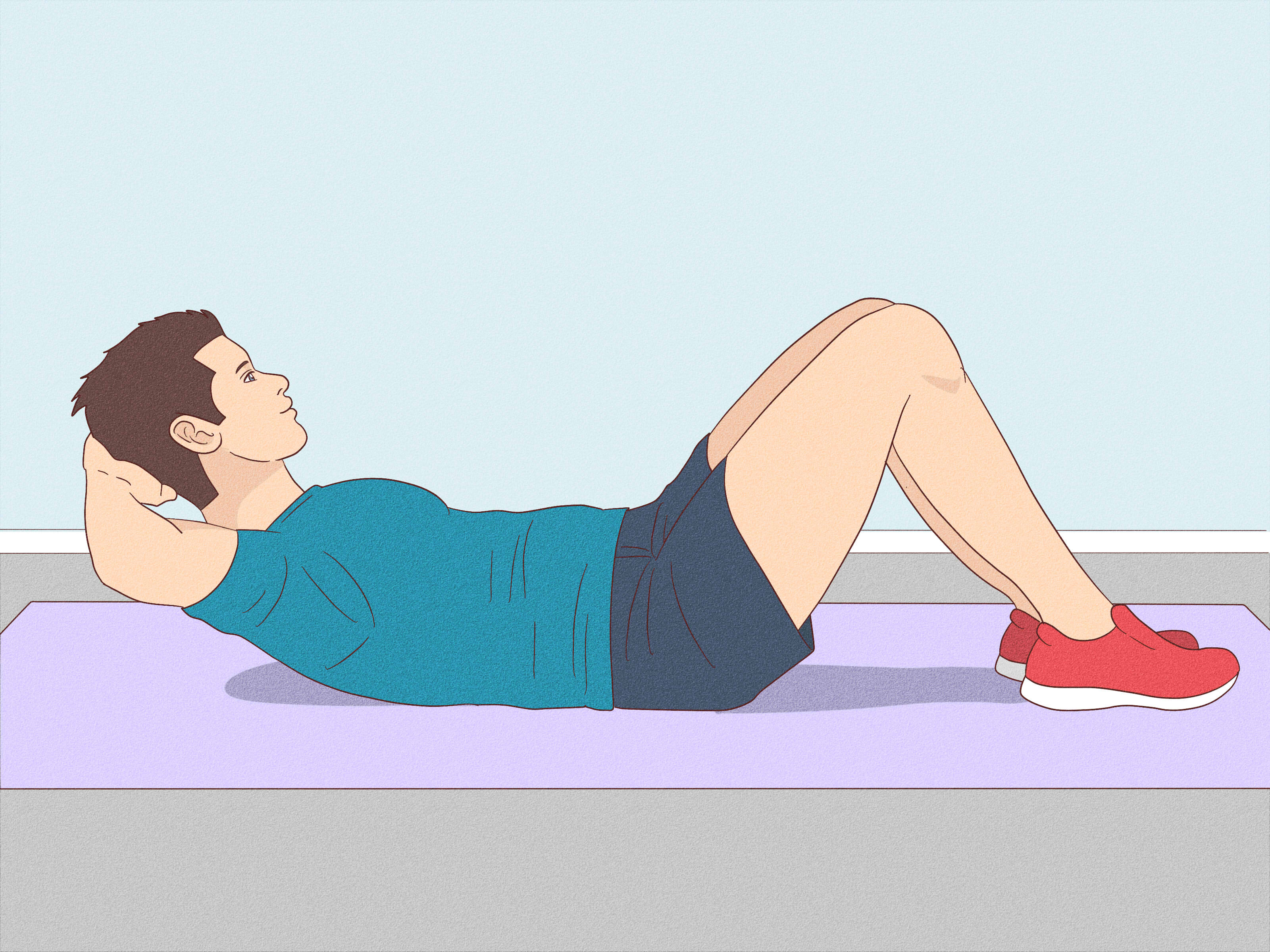
Core training is not just about crunches. Your core includes the muscles around your trunk, including the rectus abdominis, obliques, transverse abdominis, lower back muscles, pelvic floor, and diaphragm. These muscles help stabilize your spine, support posture, and transfer force when you walk, lift, twist, or reach.
For quick toning, focus on exercises that teach control: planks, dead bugs, bird dogs, side planks, and slow mountain climbers. These moves strengthen your midsection while encouraging stability. They also help you practice bracing your core, which can make your stomach appear firmer when standing.
A 10-Minute Beginner Core Circuit
Complete two rounds of the following routine: 20 seconds forearm plank, 10 dead bugs per side, 8 bird dogs per side, 15 seconds side plank per side, and 20 slow mountain climbers. Rest when needed. Keep the movement clean. Shaking a little is normal; collapsing like a folding chair is your cue to stop and reset.
Core Form Tips That Matter
During planks, keep your ribs down, squeeze your glutes gently, and imagine pulling your belly button slightly inward without holding your breath. During dead bugs, move slowly and keep your lower back from arching dramatically. During side planks, stack your shoulder over your elbow and keep your hips lifted.
5. Add Daily Walking for Digestion and Fat-Loss Support
Walking is underrated because it does not look intense on social media. But walking supports calorie burn, improves circulation, reduces stress, and may help digestion after meals. A 10- to 20-minute walk after lunch or dinner can reduce that heavy, stuffed feeling and help your body use energy more efficiently.
You do not need to turn every walk into a heroic fitness montage. Start with brisk but comfortable movement. If you want more challenge, add intervals: walk faster for one minute, then return to a normal pace for two minutes. Repeat five times.
The One-Week Walking Goal
Aim for 7,000 to 10,000 steps per day if that is realistic for you. If you currently walk far less, increase gradually. The best workout is the one your body can recover from and your schedule will actually allow.
6. Strength Train Two or Three Times This Week
Ab exercises can tone your core, but full-body strength training is the bigger long-term move. Muscle tissue supports metabolism, improves body composition, and helps your body look firmer overall. For a flatter stomach plan, train the major muscle groups: legs, back, chest, shoulders, glutes, and core.
Try squats, hip hinges, rows, push-ups, overhead presses, and carries. These movements require core stability, so your abs work even when you are not lying on the floor negotiating with a yoga mat.
Sample 20-Minute Strength Workout
Do three rounds of 10 bodyweight squats, 8 push-ups or incline push-ups, 10 hip hinges, 12 resistance-band rows, 20 seconds of plank, and 30 seconds of suitcase carry on each side if you have a dumbbell or loaded bag. Move with control and stop if you feel sharp pain.
7. Watch Sodium Without Becoming Weird About Salt
Sodium is essential. Your body needs it. But a sudden high-sodium day can make you retain water, especially if it comes from restaurant meals, packaged snacks, processed meats, instant noodles, or salty sauces. For one week, focus on mostly home-prepared meals and season with herbs, lemon, garlic, vinegar, pepper, and moderate salt.
Also increase potassium-rich foods such as bananas, potatoes, spinach, beans, yogurt, and oranges if they fit your diet. Potassium helps support fluid balance. The point is not to fear salt. The point is to avoid turning every meal into a sodium confetti cannon.
8. Improve Posture for an Instant Flatter Look
Posture can change how your stomach looks immediately. When your shoulders round, ribs flare, and pelvis tilts forward, your belly may push outward. Better alignment helps your core support your body more efficiently.
Try this: stand tall, soften your knees, stack ribs over hips, gently zip up your lower belly, and let your shoulders relax down and back. Do not suck in aggressively. That can create tension and shallow breathing. Think “tall and supported,” not “human vacuum bag.”
Posture Reset Exercise
Stand against a wall with your head, upper back, and hips near the wall. Take five slow breaths. On each exhale, gently engage your lower abs. Step away and keep that same stacked feeling. Repeat a few times daily, especially after sitting.
9. Sleep Like Your Waistline Depends on It
Poor sleep can increase hunger, cravings, stress hormones, and late-night snacking. It can also make workouts feel harder and reduce your motivation to cook balanced meals. In other words, sleep is not lazy. Sleep is the quiet manager of your flatter-stomach plan.
For this week, aim for a consistent bedtime, reduce screens before sleep, keep your room cool, and avoid heavy meals right before bed if they cause reflux or bloating. A calmer night often leads to a calmer stomach the next morning.
10. Manage Stress to Calm Your Gut
The brain and gut are connected. Stress can affect digestion, appetite, bloating, and cravings. If your stomach gets tight during stressful days, you are not imagining it. Your nervous system talks to your digestive system all day long, sometimes like a helpful friend and sometimes like a chaotic group chat.
Use simple stress tools: slow breathing, short walks, stretching, journaling, or stepping away from your phone for ten minutes. Even three minutes of slow breathing before meals can help you eat more calmly and notice fullness sooner.
Try Box Breathing Before Meals
Inhale for four counts, hold for four, exhale for four, hold for four. Repeat three to five rounds. This small habit can reduce rushed eating, which may help decrease swallowed air and bloating.
Foods That May Help Your Stomach Feel Flatter
No food magically burns belly fat while you sit on the couch watching cooking videos. However, some foods can support digestion, fullness, hydration, and steady energy. Good options include berries, leafy greens, cucumbers, oatmeal, eggs, Greek yogurt, salmon, chicken, tofu, potatoes, bananas, ginger tea, peppermint tea, and fermented foods if you tolerate them.
Fiber-rich foods are especially helpful, but increase fiber gradually. Jumping from low fiber to giant salads and beans overnight can create the exact opposite of a flat-stomach effect. Your digestive system needs onboarding, not a surprise office relocation.
Foods and Habits to Limit This Week
For seven days, consider limiting carbonated drinks, alcohol, very salty snacks, fried foods, huge late-night meals, excessive sugar alcohols, and foods you already know make you bloated. Also slow down while eating. Eating quickly can increase swallowed air and make fullness signals harder to notice.
Again, this is not about labeling foods as evil. It is about choosing what helps you feel comfortable and energized this week.
A Simple 7-Day Flatter Stomach Plan
Day 1: Reset and Observe
Drink water in the morning, take a 20-minute walk, and write down any foods that commonly cause bloating. Do the beginner core circuit once.
Day 2: Add Strength
Eat balanced meals, reduce carbonated drinks, and complete a 20-minute full-body strength workout. Take a short walk after dinner.
Day 3: Focus on Digestion
Eat slowly, include fiber-rich foods you tolerate, and hydrate consistently. Do gentle stretching and a 10-minute core routine.
Day 4: Improve Posture
Practice posture resets throughout the day. Add a brisk walk with short faster intervals. Keep dinner lighter if large meals make you bloated.
Day 5: Strength and Core
Repeat the strength workout. Add side planks and bird dogs. Focus on form, not speed. Your abs are muscles, not a stopwatch.
Day 6: Calm the System
Prioritize sleep, reduce stress, and choose simple meals. Walk after your largest meal and avoid late-night grazing if it affects digestion.
Day 7: Review and Continue
Notice what changed: bloating, posture, energy, confidence, digestion, and consistency. Keep the habits that made you feel better. A flatter stomach is nice; feeling in control of your routine is even better.
Common Mistakes to Avoid
The first mistake is doing too many crunches. Crunches can strengthen part of the abs, but they do not burn belly fat by themselves. A better approach combines core stability, full-body strength, walking, and nutrition.
The second mistake is cutting calories too aggressively. This can increase fatigue, cravings, irritability, and rebound eating. The third mistake is dehydration. Some people drink less water hoping to look less bloated, but dehydration can worsen constipation and make the stomach feel heavier.
The fourth mistake is expecting perfection. One salty meal or missed workout does not ruin your week. Just return to the next helpful choice.
When to Be Careful
If you are pregnant, recovering from surgery, managing a medical condition, recovering from disordered eating, or experiencing severe abdominal pain, unexplained weight loss, persistent vomiting, blood in stool, or ongoing digestive symptoms, talk with a qualified healthcare professional. Teens should avoid dieting for appearance goals without guidance from a trusted adult or clinician. Health comes first. Always.
Real-Life Experiences: What a One-Week Flatter Stomach Routine Actually Feels Like
The first thing many people notice during a one-week flatter stomach routine is not a dramatic mirror transformation. It is usually comfort. Jeans button more easily. The stomach feels less tight after meals. Energy is more stable. The body feels less like it is arguing with lunch.
For example, someone who normally starts the day with coffee only may notice a difference by drinking water first and eating a protein-rich breakfast. Instead of getting ravenous by noon and inhaling lunch like a competitive event, they feel more steady. That alone can reduce overeating and afternoon bloating.
Another common experience is realizing that posture matters more than expected. After two or three days of posture resets, planks, and dead bugs, people often stand taller. Their stomach may look flatter not because fat disappeared overnight, but because the ribs and pelvis are better aligned. It is the body’s version of cleaning up your desktop: same computer, much better presentation.
Walking after meals can also feel surprisingly powerful. A short dinner walk may reduce that heavy, swollen feeling that often shows up after sitting down immediately after eating. It does not need to be intense. In fact, gentle walking is often better for digestion than trying to sprint with a full stomach, which is a decision most people regret within 90 seconds.
The core routine may feel humbling at first. A 20-second plank sounds easy until time slows down and your elbows begin writing complaint letters. But the goal is not to hold a plank forever. The goal is to build awareness. By day four or five, many beginners notice they can brace better, breathe more smoothly, and move with more control.
Food tracking, even casually, can reveal patterns. Someone may discover that carbonated drinks make them bloated, or that huge salads are not as stomach-friendly as expected. Another person may realize that salty restaurant meals cause next-day puffiness. These observations are useful because they personalize the plan. The best flat-stomach routine is not copied from a stranger; it is adjusted to your body.
The emotional experience matters too. A safe one-week plan should make you feel more capable, not more obsessed. You should not spend the week fearing food, checking your stomach every hour, or punishing yourself with workouts. The healthiest approach feels like skill-building: learning how hydration, meals, movement, sleep, and stress affect your body.
By the end of the week, the biggest win may be confidence. Maybe your stomach looks flatter. Maybe your digestion feels calmer. Maybe your posture improved. Maybe you proved that you can follow a plan without making your life miserable. That is the kind of progress that can continue into week two, week three, and beyond.
So yes, a week can make a difference. Not because of miracle detox teas, plastic wrap, or suspicious “belly blasting” shortcuts, but because small, smart habits stack quickly. Your body responds well when you stop yelling at it and start supporting it. Funny how that works.
Conclusion
Getting a flatter stomach in a week is possible when you define the goal correctly. You are not trying to erase belly fat in seven days. You are reducing bloating, improving digestion, strengthening your core, walking more, sleeping better, and standing taller. These changes can make your stomach look and feel flatter while also building habits that support long-term health.
Skip the crash diets, extreme workouts, and internet gimmicks. Choose water, balanced meals, daily movement, safe core training, stress management, and realistic expectations. Your stomach does not need punishment. It needs consistency, patience, and maybe fewer carbonated drinks before a tight-waistband event.