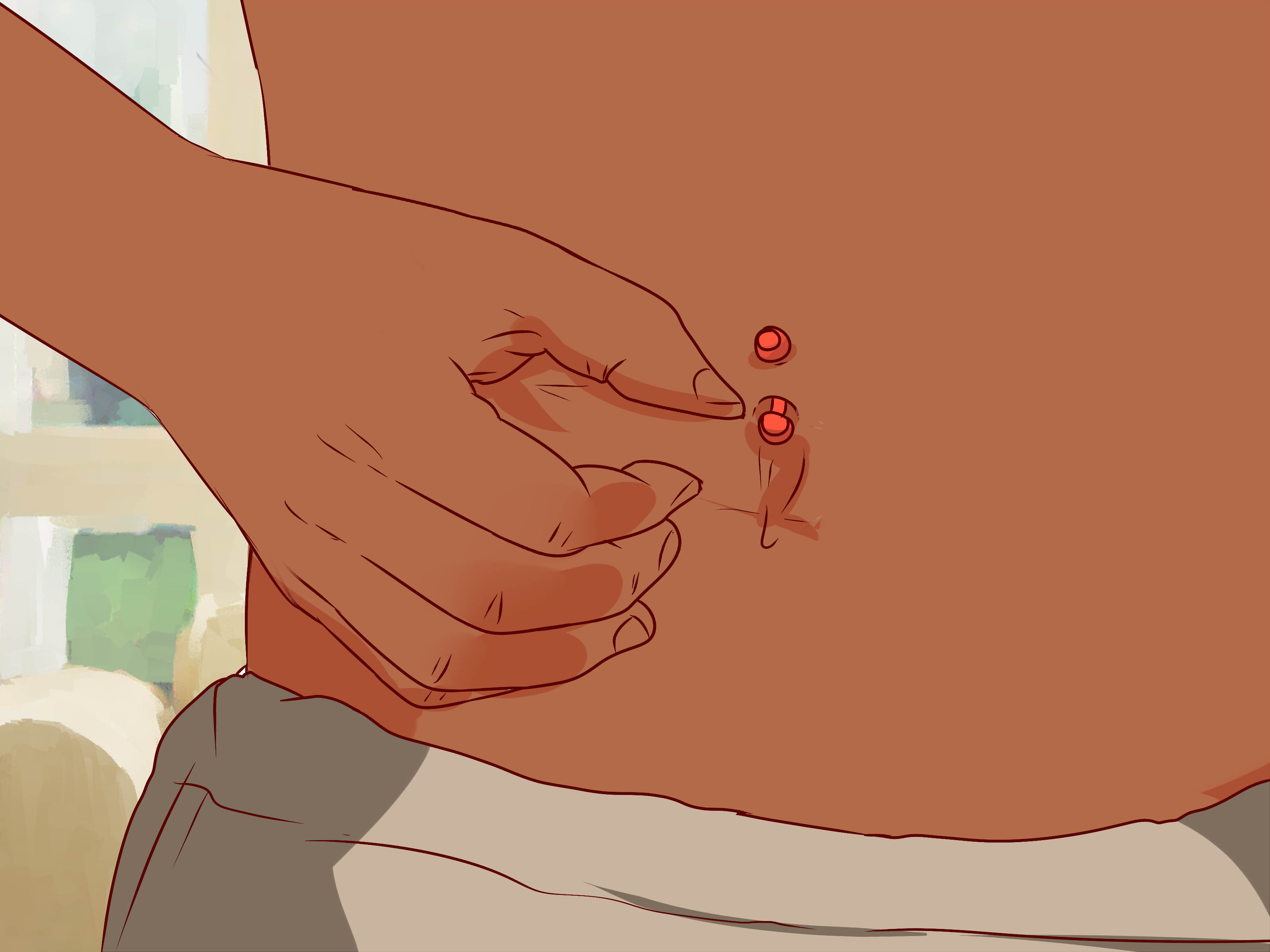

Let’s be honest: the phrase “how to pierce your own belly button at home” usually begins with confidence, a mirror, a questionable online cart, and ends with someone saying, “Wait… is it supposed to look like that?” A belly button piercing can be cute, stylish, and wonderfully Y2K in the best possible way. But doing it yourself at home is not the glow-up most people imagine. Your navel is not a craft project, and your bathroom is not a sterile piercing studio, no matter how aggressively you sprayed the counter.
This guide is written for people who are researching a DIY belly button piercing and want the truth before making a decision. Instead of giving unsafe step-by-step instructions for puncturing your skin, this article explains why at-home navel piercing is risky, what professional piercers do differently, how to prepare for a safer piercing, what aftercare usually involves, and when to get medical help. Think of it as the responsible best friend who stops you before you turn “just one little hole” into three months of irritation, swelling, and regret.
Should You Pierce Your Own Belly Button at Home?
The safest answer is no. Piercing your own belly button at home is not recommended because it involves breaking the skin, creating an open wound, and placing jewelry in an area that is constantly exposed to movement, sweat, clothing friction, and bacteria. Unlike an earlobe, the navel has folds, curves, and anatomy that vary from person to person. A piercing that looks simple from the outside can be surprisingly technical.
A professional belly button piercing requires proper placement, sterile single-use equipment, suitable jewelry, knowledge of anatomy, and experience handling complications. At home, most people do not have access to a professional autoclave, sterile field, implant-grade body jewelry, sharps disposal, or training in safe technique. Even if a kit looks “sterile,” that does not mean the entire environment, jewelry handling, placement, and aftercare are safe.
The biggest issue is not just pain. The real concerns are infection, rejection, migration, scarring, allergic reactions, and poor placement. A crooked or too-shallow navel piercing may never heal properly. A too-deep or badly angled piercing can become irritated, trap bacteria, or leave noticeable scars. In short: the piercing may be small, but the consequences can be annoyingly large.
Why Belly Button Piercings Are Trickier Than They Look
A navel piercing is usually placed through the tissue above the belly button, but not everyone has anatomy that supports a traditional navel piercing. Some people have a collapsing navel when they sit, shallow tissue, a prominent ridge, or skin that moves too much for standard jewelry. A trained piercer checks anatomy before deciding whether a traditional navel piercing, floating navel piercing, or no piercing at all is the safest option.
This matters because belly buttons are active little troublemakers. They bend when you sit, stretch when you stand, rub against waistbands, collect sweat, and occasionally get attacked by high-rise jeans with a personal vendetta. That constant movement can slow healing. A navel piercing may take many months to fully heal, and irritation can come and go even when it looks fine on the surface.
Main Risks of DIY Belly Button Piercing
1. Infection
Any piercing creates a wound. When bacteria enter that wound, infection can develop. Warning signs may include increasing redness, warmth, swelling, pain, yellow or green discharge, a bad smell, fever, chills, or feeling generally unwell. Mild redness right after a professional piercing can be normal, but worsening symptoms are not something to “wait out” while hoping your immune system gives a heroic movie speech.
2. Poor Placement
Correct placement is one of the most important parts of a successful belly button piercing. At home, it is easy to mark the wrong spot, pierce at the wrong angle, or use tissue that cannot support jewelry. Poor placement can lead to chronic irritation, migration, rejection, or visible scarring. A piercing that is “almost right” can still be very wrong.
3. Rejection and Migration
Migration happens when jewelry slowly moves from its original position. Rejection occurs when the body pushes the jewelry out. This can leave thin, fragile skin and permanent scarring. Surface-style piercings, including navel piercings, can be more prone to this when the anatomy, jewelry, or placement is not suitable.
4. Allergic Reactions
Cheap jewelry may contain nickel or other metals that irritate skin. An allergic reaction can look like itching, redness, swelling, bumps, or persistent discomfort. For fresh piercings, quality matters. Initial body jewelry should be made from appropriate biocompatible materials such as implant-grade titanium, niobium, or suitable solid gold that meets professional standards.
5. Scarring and Keloids
Some people are more prone to raised scars or keloids. Piercing trauma, irritation, infection, and poor jewelry can increase the chance of unwanted scarring. If you have a history of keloids, speak with a healthcare professional before getting any body piercing.
6. Bloodborne Pathogen Exposure
Unsafe piercing practices can expose people to bloodborne pathogens. Professional studios use strict hygiene procedures, sterile tools, gloves, sharps containers, disinfected surfaces, and single-use needles. A home setup rarely meets the same standard, even with good intentions and a very enthusiastic bottle of rubbing alcohol.
What Professional Piercers Do That Home Piercing Cannot Easily Replicate
A reputable piercer does more than make a hole. They evaluate anatomy, choose jewelry size and style, maintain a sterile setup, use proper tools, and explain aftercare clearly. Professional piercers also know when to say no. That may not be what someone wants to hear, but it is often what protects the skin from long-term damage.
A good piercing studio should be clean, organized, and transparent about sterilization. Jewelry and tools should be sterilized properly. Needles should be sterile, single-use, and disposed of safely. The piercer should wear gloves, clean the area appropriately, and use jewelry designed for initial healing. If a studio seems careless, rushed, dirty, or annoyed by safety questions, take your belly button and your money elsewhere.
How to Prepare Safely Instead of Piercing at Home
Research the Studio
Look for a reputable studio with experienced piercers, strong hygiene practices, and positive reviews that mention safety and professionalism. Do not choose based on price alone. A cheap piercing can become expensive very quickly if it leads to a doctor visit, antibiotics, jewelry replacement, or scar treatment.
Ask About Sterilization
A professional studio should be able to explain how tools and jewelry are sterilized. They should use appropriate sterilization equipment and single-use needles. If the answer sounds vague, defensive, or suspiciously like “we wipe it down real good,” that is your cue to leave.
Choose Quality Jewelry
For a fresh navel piercing, jewelry quality is not the place to bargain-hunt. Initial jewelry should be smooth, properly sized, and made from safe materials. Implant-grade titanium is commonly recommended because it is lightweight and biocompatible. Solid 14k or higher gold may be appropriate if it is nickel-free and suitable for body jewelry, but plated jewelry is not ideal for fresh piercings because coatings can wear off.
Wear Comfortable Clothing
On piercing day, wear loose, soft clothing that will not press against your navel. Avoid tight jeans, stiff waistbands, shapewear, or anything that turns your stomach into a friction zone. Your future healing piercing will thank you in its quiet little piercing language.
Eat and Hydrate First
Do not arrive hungry, dehydrated, or running on iced coffee and bravery. Eating beforehand can reduce the chance of feeling dizzy or faint. Bring water, breathe normally, and remember that a professional piercer has probably seen every nervous facial expression known to humanity.
What Belly Button Piercing Aftercare Usually Looks Like
Aftercare instructions can vary slightly by piercer, so follow the guidance given by your professional. In general, new piercings should be treated gently. Wash your hands before touching the area. Clean only as directed, usually with sterile saline. Avoid twisting, spinning, or rotating the jewelry, because movement can irritate the healing tissue. This is not a doorknob. It does not need testing.
Keep the piercing away from dirty surfaces, sweaty gym equipment, and unnecessary pressure. Avoid harsh products such as alcohol, hydrogen peroxide, ointments, or heavily scented soaps unless a healthcare professional specifically tells you otherwise. These products can dry or irritate healing tissue.
During healing, be careful with clothing. Waistbands, belts, and tight leggings can snag jewelry or create pressure. Sleep positions may also matter. If you are a stomach sleeper, your belly button piercing may have strong opinions about that. Try to avoid crushing or rubbing the area while it heals.
Things You Should Not Do With a Healing Navel Piercing
- Do not pierce your own belly button with a sewing needle, safety pin, piercing gun, or online kit.
- Do not use cheap fashion jewelry in a fresh piercing.
- Do not twist or rotate the jewelry “to keep it from sticking.”
- Do not remove jewelry from an infected piercing unless a professional tells you to.
- Do not cover the piercing with thick ointment unless medically advised.
- Do not swim in pools, lakes, hot tubs, or oceans until your piercer says it is safe.
- Do not ignore spreading redness, fever, pus, severe swelling, or worsening pain.
When to See a Doctor
Get medical help if you notice spreading redness, increasing warmth, severe pain, thick discharge, fever, chills, red streaks, a foul smell, or swelling that gets worse instead of better. You should also seek help if the jewelry appears to be sinking into the skin, the tissue becomes very thin, or the piercing looks like it is migrating toward the surface.
People with diabetes, immune system conditions, heart valve problems, bleeding disorders, or a history of difficult wound healing should speak with a healthcare professional before getting pierced. Piercing is a form of body modification, but it is also a wound. Your body’s healing ability matters more than the outfit you planned around the jewelry.
What If You Already Pierced Your Belly Button at Home?
If you already did it, do not panic. Panicking is rarely good aftercare. First, stop touching it with unwashed hands. Do not twist the jewelry. Do not pour alcohol or peroxide into the wound. Avoid removing jewelry if you suspect infection, because the opening can close and trap infection inside. Contact a reputable professional piercer for an evaluation, and seek medical care if you have signs of infection or severe irritation.
If the jewelry is low quality, poorly fitted, or causing pressure, a professional piercer may advise a safe change or removal depending on the condition of the tissue. If there is significant swelling, discharge, fever, or worsening pain, a healthcare provider should evaluate it. Home remedies are not a substitute for medical treatment when infection is present.
Safer Alternatives to DIY Belly Button Piercing
If you love the look but are not ready for the commitment, try temporary body jewelry, adhesive gems, faux navel rings, or stylish waist chains. These give you the aesthetic without creating a wound. They are also great for testing whether you actually like the look with your wardrobe before spending money on a real piercing.
If you are ready for a real piercing, book a consultation first. A consultation lets the piercer check your anatomy, explain jewelry options, discuss healing time, and answer questions. It also gives you a chance to judge the studio. You should feel respected, not rushed. A professional who explains risks clearly is not being dramatic; they are being responsible.
Common Myths About Piercing Your Own Belly Button
“It’s just skin, so it’s easy.”
It is skin, but it is living tissue with blood supply, nerves, bacteria exposure, movement, and healing limits. Placement and jewelry angle matter. “Just skin” can still scar.
“I can sterilize everything with alcohol.”
Alcohol can disinfect some surfaces, but it does not create the same sterile conditions as professional equipment and technique. Sterility is a full process, not a vibe.
“My friend did hers and it was fine.”
Some people get lucky. Luck is not a safety plan. For every success story online, there are plenty of irritated, infected, rejected, or scarred piercings that did not make it into the cute photo carousel.
“If it gets infected, I’ll just take it out.”
Removing jewelry during infection can sometimes make drainage harder if the hole closes. A professional piercer or healthcare provider should guide that decision.
Experience-Based Advice: What People Usually Wish They Knew First
People who consider piercing their own belly button at home often start with the same thought: “How hard can it be?” The honest answer is: harder than it looks, and easier to mess up than expected. Many DIY piercing regrets come from underestimating the healing period. The actual piercing moment is quick, but healing is the long relationship. It asks for patience, clean habits, soft waistbands, and the emotional maturity not to poke it every 12 minutes to “see how it’s doing.”
One common experience is surprise at how much clothing matters. A fresh navel piercing lives exactly where jeans, leggings, belts, and workout gear like to rub. Someone may leave a studio feeling fabulous, then sit down in tight pants and discover that fashion has become a contact sport. For this reason, people often wish they had planned looser clothing for the first few weeks and avoided outfits that pressed directly on the jewelry.
Another common lesson is that healing is not always linear. A belly button piercing can look calm one week and irritated the next because of sweat, sleeping position, accidental snagging, or overcleaning. Overcleaning is a sneaky problem. Many people think more cleaning means faster healing, but too much scrubbing or harsh product use can irritate tissue and delay recovery. Gentle, consistent care usually wins over aggressive “operation sparkle belly.”
Jewelry choice is another big lesson. Cute dangling jewelry may look amazing online, but it is usually not the best choice for a fresh piercing. Dangly pieces can catch on clothing and create movement. Many experienced piercers recommend simpler starter jewelry first, then decorative jewelry later after full healing. It is a little like learning to drive in a normal car before jumping into a parade float.
People also wish they had understood anatomy better. Not every belly button is suited for the same piercing. A professional piercer may recommend a floating navel piercing or may advise against piercing if the tissue will not heal well. That can be disappointing, but it is better than forcing a piercing that rejects and leaves a scar. Good piercers are not trying to ruin anyone’s style; they are trying to protect the long-term result.
Finally, many people learn that professional help is cheaper than fixing a mistake. A safe piercing may cost more upfront, especially with high-quality jewelry, but complications can cost more in time, stress, medical care, and skin damage. The best experience is usually boring in the best way: clean studio, calm piercer, correct jewelry, clear aftercare, slow healing, and eventually a happy piercing that looks good without causing daily drama.
Conclusion
So, how do you pierce your own belly button at home? The safest answer is: you do not. You learn the risks, skip the DIY needle fantasy, and choose a reputable professional piercer who can evaluate your anatomy, use sterile equipment, fit appropriate jewelry, and guide you through aftercare. A belly button piercing can be a beautiful form of self-expression, but it deserves more respect than a rushed bathroom experiment.
If you want the look, plan it properly. Research studios, ask safety questions, choose quality jewelry, wear comfortable clothing, and follow aftercare instructions. Your belly button may be small, but it has standards. Treat it well, and it is far more likely to reward you with a piercing you actually enjoy showing off.