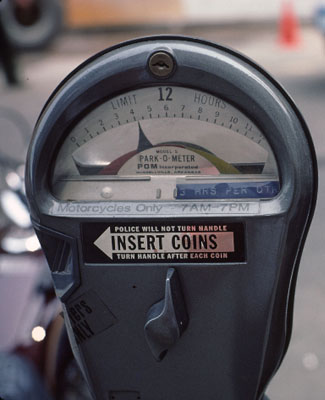
#822 When There’s Still Time Left in the Parking Meter When You Pull Up – 1000 Awesome Things

There are victories in life that deserve fireworks, marching bands, and maybe a commemorative mug. Then there are tiny, humble wins that arrive without warning: the elevator opens right when you walk up, your fries are extra crispy, or you pull into a parking spot and discover there is still time left on the meter. That last one is a special kind of urban magic. It is not exactly winning the lottery, but for one glorious second, it feels like the city itself has whispered, “Today, my friend, you may keep your quarters.”
The phrase “when there’s still time left in the parking meter when you pull up” belongs perfectly in the universe of 1000 Awesome Things, Neil Pasricha’s celebration of everyday delights. It captures a feeling almost every driver recognizes: that small burst of surprise when an ordinary annoyance turns into a free little gift. Parking meters are usually symbols of deadlines, coins, apps, zones, receipts, enforcement officers, and the tiny panic of wondering whether you have three minutes or negative three minutes left. So when a meter is already paid, even briefly, it feels like finding treasure in the cup holder of modern life.
The Tiny Joy of Free Meter Time
Street parking has a way of turning normal adults into detectives. We scan signs like we are decoding ancient tablets. We check curb colors. We calculate whether “2-hour parking, 8 a.m. to 6 p.m., except Sundays, unless the moon is wearing a hat” applies to us. Then, after circling the block three times and questioning our life choices, we finally spot an open space.
That is already a win. But then comes the bonus round: the meter still has time on it. Maybe it shows seven minutes. Maybe twenty-two. Maybe a luxurious forty-three minutes, which in downtown parking terms is basically a spa day. Suddenly, the errand feels lighter. The sidewalk looks friendlier. Even the pigeons seem less judgmental.
This is not just about money. Sure, saving a few coins or avoiding a mobile app convenience fee feels nice. But the real joy comes from the unexpectedness. You prepared to pay. You expected friction. Instead, life handed you a tiny coupon for optimism.
Why Parking Meters Exist in the First Place
To appreciate leftover meter time, it helps to understand why meters exist at all. The first parking meter was installed in Oklahoma City in 1935. Its purpose was practical: downtown streets were crowded, drivers left cars parked too long, and businesses wanted more turnover so customers could actually find a place to stop. Early meters were mechanical, coin-operated devices designed to manage curb space and reduce traffic problems.
In other words, the parking meter was not invented to personally annoy you while you are trying to buy a sandwich. It was created because cities needed a way to make limited curb space work for more people. Over time, parking meters spread across the United States, becoming a familiar part of city life. They helped cities regulate parking, encourage shorter stays, and generate revenue for public services.
Modern meters have changed a lot. Many cities now use pay-by-plate systems, parking apps, card readers, and smart meters. New York City, San Francisco, Seattle, Boston, Chicago, Philadelphia, and many other places offer mobile payment options or multi-space kiosks. Some systems allow drivers to extend time remotely, while others enforce strict maximum limits. The old ritual of digging for quarters has not vanished completely, but it now shares the stage with license plate numbers, zone codes, and phones with 3% battery.
Why This Moment Feels So Awesome
Finding time left on a parking meter hits several happiness buttons at once. First, it is unexpected. Humans love pleasant surprises because they interrupt routine. The errand that felt dull suddenly contains a mini plot twist. You are no longer just parking; you are participating in a tiny act of civic luck.
Second, it feels like a gift from a stranger. Someone left before their paid time expired, and you arrived at exactly the right moment. You do not know them. You may never meet them. But for a few minutes, your lives overlap through one blinking screen. It is the curbside version of someone holding the door open.
Third, it creates a sense of momentum. Small wins matter because they can shift the tone of a day. Research on gratitude and savoring positive experiences suggests that noticing small good things can improve mood and help people feel more connected to everyday life. You do not need a grand vacation or a dramatic breakthrough to feel a spark of happiness. Sometimes the spark is digital, rectangular, and attached to a metal pole.
The Psychology of Small Wins
There is a reason tiny pleasures become memorable. Positive psychology often emphasizes gratitude, savoring, and attention. Gratitude is not only about being thankful for major life events; it can also involve appreciating small, ordinary benefits. Savoring means slowing down long enough to actually enjoy a good moment instead of rushing past it like a distracted raccoon with car keys.
When you pull up to a meter with time left, the experience is short. But if you notice it, smile at it, and mentally say, “Nice,” it becomes more than free parking. It becomes proof that daily life still has Easter eggs hidden in plain sight.
The charm of 1000 Awesome Things comes from exactly this habit of noticing. It turns everyday moments into little celebrations. A parking meter with leftover time is not world-changing. It will not solve traffic, repair potholes, or make parallel parking less emotionally dramatic. But it reminds us that not every part of city life is hostile. Sometimes the machine is already fed.
Parking Meter Time: A Modern Urban Ritual
Parking has become one of the great shared experiences of American city life. It does not matter whether you drive a compact car, a family SUV, or a mysterious vehicle with seventeen bumper stickers and one missing hubcap. At some point, you have probably had a conversation with a parking meter, and the meter did not answer in a friendly tone.
Modern parking often involves rules that vary by city and even by block. In some places, payment is tied to a specific license plate or zone, so time may not transfer the way old single-space meters once seemed to allow. In other places, a physical meter may still visibly show remaining minutes. The practical advice is simple: always check local rules, signs, and meter screens. The emotional advice is even simpler: when legal leftover time appears, enjoy it like a tiny parade.
This is part of what makes the experience feel nostalgic. Older meters made the gift obvious. You pulled up, saw the red flag was not showing, and discovered a few minutes waiting for you. Digital systems can make the moment less visible, but the emotional concept remains powerful: someone else’s unused time has become your lucky break.
The Beautiful Economics of “Someone Already Paid”
There is something funny about how much joy a few cents of parking can create. Most people would not bend down for a nickel in a busy crosswalk, but show them a meter with twelve minutes left and suddenly they feel like they outsmarted capitalism.
Part of the delight comes from avoiding a transaction. Paying for parking is not usually difficult, but it is annoying in the way tiny chores are annoying. You have to find the zone number, download an app, enter your plate, check the rate, approve the payment, and hope you did not accidentally pay for a spot three blocks away. When the meter is already running, you skip the whole administrative ballet.
It is not just free time. It is free mental space. You get to walk directly toward your destination without pausing to negotiate with technology. That alone deserves applause.
A Small Act of Invisible Community
Leftover meter time also feels good because it suggests a quiet connection between strangers. The previous driver did not necessarily intend to help you. They may have simply finished their errand early. Still, the result feels generous. Their unused time becomes your benefit.
This is one of the sweeter parts of city living. Urban environments can feel crowded, rushed, and impersonal, but they are also full of tiny handoffs. Someone leaves a newspaper on a café table. Someone holds the elevator. Someone lets you merge. Someone exits a parking spot just as you arrive and, miracle of miracles, leaves the meter glowing with time.
These moments do not require speeches. Nobody needs to write a thank-you card to the previous driver, although “Dear Unknown Sedan Owner, your eleven minutes changed me” would be a powerful opening line. The point is that public life contains more cooperation than we often notice.
How to Fully Enjoy This Awesome Thing
First, pause for one second
Before sprinting to your errand, take a beat. Notice the good luck. That tiny pause turns a practical benefit into an actual happy moment.
Second, check the rules
Because parking laws can vary, make sure the space is valid, the meter applies to your vehicle, and the time shown is usable. A happy meter is great; a surprise ticket is not a souvenir anyone wants.
Third, pay it forward when you can
If you are leaving a metered space with time still showing, smile at the idea that someone else may pull in and feel the same tiny joy. You may never see their face, but somewhere out there, a stranger might silently bless your excellent errand efficiency.
Fourth, collect the feeling
These moments are easy to forget. But if you start collecting them mentally, life gets more textured. A good parking meter, a short grocery line, a perfect green light, a warm cookie: these are the small coins in the pocket of happiness.
Why This Topic Still Works for SEO and Readers
The keyword phrase “when there’s still time left in the parking meter when you pull up” is long, specific, and emotionally rich. It connects with readers because it describes a real-life moment rather than a generic concept. It also fits naturally with related terms such as “1000 Awesome Things,” “parking meter,” “small joys,” “everyday happiness,” “free parking time,” and “urban life.”
For readers, the appeal is immediate. They do not need a technical explanation to understand the feeling. The title itself carries the story. It invites nostalgia, humor, and recognition. That is powerful because search-friendly content works best when it answers a query while also satisfying a human emotion. In this case, the emotion is delight with a side of “finally, the city owes me one.”
The Bigger Lesson Hidden in the Meter
The magic of this awesome thing is not really about parking. It is about attention. Anyone can walk past a small lucky moment without noticing it. But when you notice, the day changes shape.
A parking meter with leftover time says: things do not always go wrong. Sometimes the timing works. Sometimes the space opens. Sometimes the machine is on your side. Sometimes the universe gives you eighteen minutes and asks for nothing but your appreciation.
That is the heart of 1000 Awesome Things. It is not pretending life is perfect. It is not ignoring stress, bills, traffic, or the mysterious sticker residue on every public sign. It is choosing to spot the tiny bright places anyway.
of Personal-Style Experiences About This Awesome Thing
Picture this: you are already late, not dramatically late, but the kind of late where you start bargaining with red lights. You finally reach the block where your appointment is located, and every parking spot appears to be occupied by cars that have clearly formed a long-term emotional attachment to the curb. You circle once. Nothing. You circle twice. A delivery truck blocks your dream spot. You circle a third time and begin considering whether walking from another zip code counts as cardio.
Then it happens. A car pulls out. Not just any car, but a car directly in front of your destination. You glide in with the grace of a person who absolutely meant to parallel park that smoothly. You step out, ready to pay, already reaching for your phone or wallet. Then you see it: time left on the meter.
At first, you do not trust it. You lean closer like the meter is telling a suspiciously convenient story. Twelve minutes remain. Twelve! That is enough time to pick up dry cleaning, grab a coffee, return a library book, or run into a shop and pretend you are “just browsing” before buying the exact thing you came for. You look around, half expecting a hidden camera crew to shout, “Congratulations, you have won ordinary happiness!”
Another version happens on rainy days. The sky is dumping water like it has a personal grudge against your shoes. You find a spot near the entrance, and the meter has time left. Suddenly the rain feels less rude. You dash inside feeling weirdly chosen, as though the parking gods saw your damp sleeves and decided you had suffered enough.
There is also the beautiful “errand chain” version. You need to make three quick stops: pharmacy, post office, bakery. The first meter has six minutes left. You finish in five. The second has fourteen minutes. You finish in ten. By the time you find a third spot with leftover time, you begin to believe you are starring in a very low-budget superhero movie called Captain Convenient.
What makes these experiences memorable is how small they are. Nobody calls their best friend and says, “Cancel your plans, my meter had remaining time.” Yet the feeling lingers. It softens the edges of a busy day. It turns an errand into a story. It gives you a harmless little victory at exactly the moment you expected another tiny hassle.
And sometimes, you get to be the person who leaves time behind. You return to your car early, see twenty minutes still glowing, and drive away with a quiet sense of generosity. You did not donate a library wing or rescue a village, but you may have improved a stranger’s Tuesday. That counts. In the grand scoreboard of daily life, leftover meter time is a small point for humanity.
Conclusion
When there is still time left in the parking meter when you pull up, the world feels briefly generous. It is a small moment, but small moments are often the ones that rescue ordinary days from becoming forgettable. This awesome thing reminds us to notice luck, appreciate strangers, and enjoy the delightful absurdity of feeling victorious over a parking meter.
In a world full of apps, rules, receipts, and signs that require a law degree to interpret, a few leftover minutes can feel like a tiny rebellion. It says the day still has surprises. It says your timing was perfect. It says joy does not always arrive loudly. Sometimes it blinks quietly from a curbside meter and waits for you to notice.
Note: This article is written as original, publication-ready content in standard American English. It synthesizes real background information about parking meters, city parking systems, and the psychology of appreciating small everyday joys, without copying source text or adding unnecessary citation artifacts.