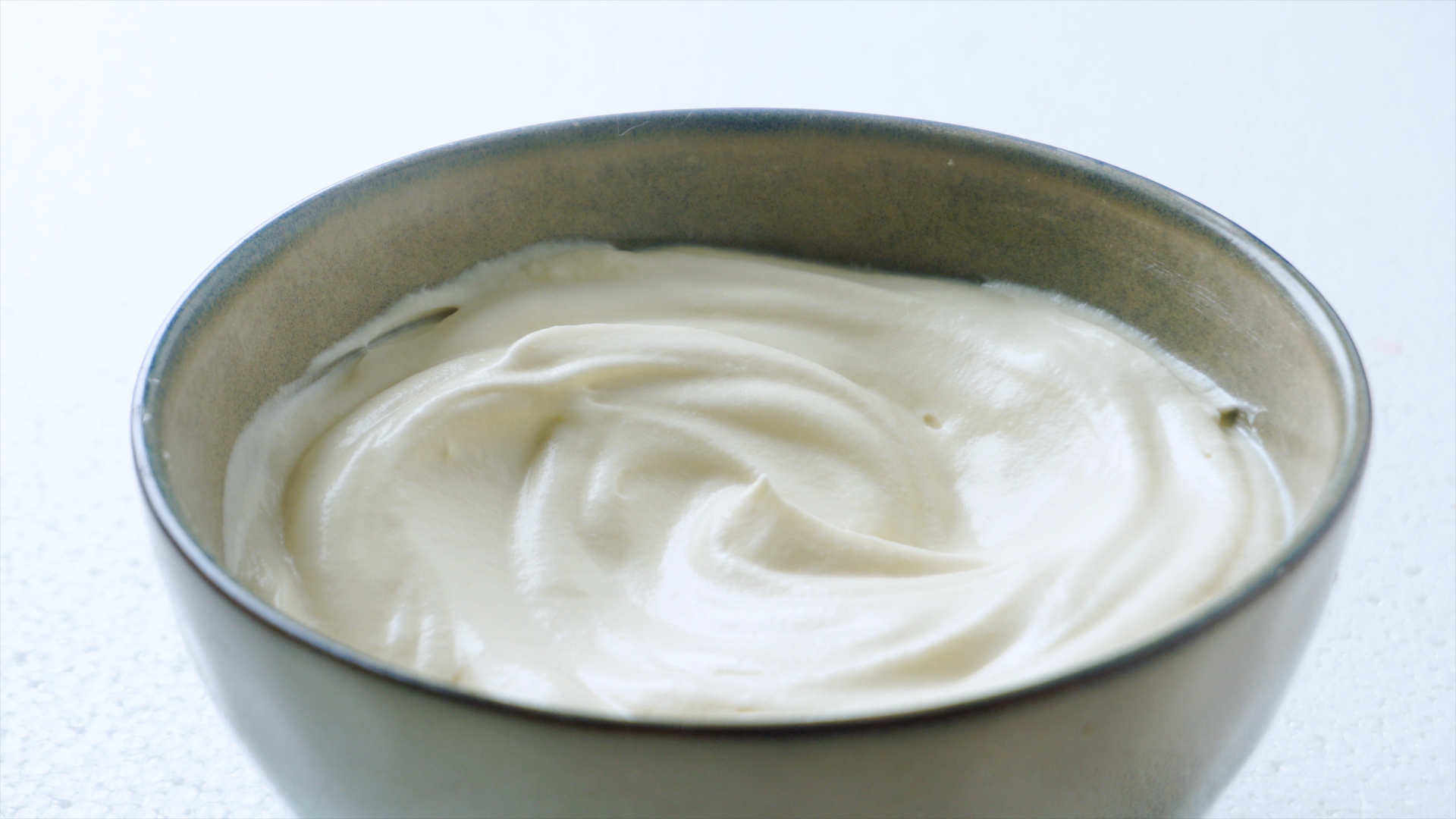

Homemade whipped cream is one of those kitchen mirm into a bowl, introduce it to a whisk, and a few minutes later you have a fluffy cloud ready to improve pie, cake, hot chocolate, berries, or an otherwise disappointing Tuesday.
The trouble begins when that beautiful cloud starts slouching. Ordinary whipped cream gradually loses air, releases liquid, and turns into a soft puddle. That may be fine when dessert is served immediately, but it is less charming when you need to frost a cake, pipe cupcake swirls, fill pastries, or prepare dessert several hours ahead.
Two popular solutions are cream of tartar and unflavored gelatin. Both can help thicken and stabilize whipped cream, but they are not interchangeable. Cream of tartar offers mild reinforcement with almost no extra preparation. Gelatin creates a much stronger structure that can hold piped details and resist weeping for considerably longer. Culinary testing generally finds gelatin more dependable, while excessive cream of tartar may create sour, grainy, or metallic notes. Does Whipped Cream Become Runny?
Whipping incorporates thousands of tiny air bubbles into cream. Milk-fat globules partially join together around those bubbles, building a delicate network that gives the cream volume and shape. The network is useful, but it is not invincible. Warm temperatures soften the fat, gravity pulls moisture downward, and time allows air to escape.
The type of cream matters too. In the United States, heavy cream or heavy whipping cream contains at least 36% milk fat, while light whipping cream generally contains 30% to 36%. The higher-fat option usually produces thicker cream and stronger peaks, so it is the better choice for frosting and decorating. re reaching for any stabilizer, check the basics:
- Use heavy whipping cream rather than half-and-half or ordinary milk.
- Keep the cream refrigerated until the moment you begin.
- Chill the mixing bowl and beaters for 10 to 20 minutes.
- Use a clean bowl without traces of grease or warm water.
- Stop whipping as soon as the cream reaches the peak stage you need.
Cold equipment is not merely a fussy pastry-chef ritual. Colder cream keeps its fat firm enough to form a stronger network around the incorporated air, producing greater volume and more defined peaks. am of Tartar vs. Gelatin: Which Should You Use?
| Feature | Cream of Tartar | Gelatin |
|---|---|---|
| Best use | Everyday dollops and softly piped toppings | Cakes, cupcakes, layered desserts, and make-ahead piping |
| Stabilizing strength | Light to moderate | Strong |
| Preparation | Add directly while whipping | Bloom, melt, cool, and stream into the cream |
| Texture | Soft and natural when used sparingly | Firm and pipeable; potentially bouncy if overused |
| Flavor risk | May taste tart or metallic in excess | Usually neutral |
| Vegetarian-friendly | Yes | No; standard gelatin is animal-derived |
Choose cream of tartar when you want a quick improvement and plan to keep the dessert chilled. Choose gelatin when appearance and longevity matter more, particularly for piped borders, layer cakes, cream-filled pastries, or desserts assembled a day in advance.
How to Thicken Whipped Cream with Cream of Tartar
Cream of tartar is potassium bitartrate, a powdered acid produced during winemaking. It is famous for stabilizing whipped egg whites, preventing sugar crystallization, and giving snickerdoodles their characteristic tang. A small amount can also help whipped cream retain its volume, although the effect is gentler than gelatin stabilization. redients
- 1 cup cold heavy whipping cream
- 2 tablespoons confectioners’ sugar
- 1/8 teaspoon cream of tartar
- 1/2 teaspoon vanilla extract
Instructions
- Place a metal or glass mixing bowl and the mixer beaters in the refrigerator or freezer for 10 to 20 minutes.
- Pour the cold heavy cream into the chilled bowl.
- Beat on low speed for about 20 seconds to reduce splashing, then increase to medium-high.
- When the cream begins to thicken and the beaters leave visible trails, add the confectioners’ sugar, cream of tartar, and vanilla.
- Continue beating until soft or medium peaks form. For piping, proceed carefully toward stiff peaks.
- Stop immediately once the peaks hold their shape. Cover and refrigerate until needed.
The amount of cream of tartar is deliberately small. A ratio of about 1/8 teaspoon per cup of cream provides reinforcement without turning dessert into an accidental science-fair volcano. Some recipes use more, but culinary tests report that heavier quantities can produce graininess, excessive tang, or a faint metallic flavor. n This Method Works Best
Cream-of-tartar whipped cream is well suited to strawberry shortcake, pudding cups, waffles, cream pies, trifles, hot chocolate, and desserts that will be served the same day. It can also handle simple piping, such as broad cupcake swirls or a border around a chilled pie.
It is not the strongest choice for tall layer cakes, intricate flowers, outdoor parties, or desserts that must remain picture-perfect overnight. Think of cream of tartar as a helpful seat belt, not an armored vehicle.
How to Thicken Whipped Cream with Gelatin
Gelatin produces more durable stabilized whipped cream because it creates a microscopic protein network as it cools. That network holds moisture and reinforces the cream’s existing fat structure. For smooth results, powdered gelatin must first be hydrated, or “bloomed,” in cold liquid. Adding dry gelatin directly to cream can leave stubborn granules and lumps. redients
- 1 cup cold heavy whipping cream
- 2 tablespoons confectioners’ sugar
- 1/2 teaspoon unflavored powdered gelatin
- 1 tablespoon cold water
- 1/2 teaspoon vanilla extract
Instructions
- Place the cold water in a small microwave-safe bowl.
- Sprinkle the gelatin evenly over the water instead of dropping it into one pile.
- Let the mixture stand for approximately five minutes. It should absorb the water and become thick.
- Microwave it for 5 to 10 seconds, just until the gelatin becomes clear and liquid. Do not boil it.
- Allow the melted gelatin to cool briefly. It should remain fluid but should not feel hot.
- Meanwhile, beat the cold cream, confectioners’ sugar, and vanilla until soft peaks form.
- With the mixer running on low or medium-low speed, pour the liquid gelatin into the cream in a thin, steady stream.
- Increase to medium-high speed and beat only until medium or stiff peaks form.
- Use the cream immediately for spreading or piping, then refrigerate the finished dessert so the structure can set.
A widely used starting proportion is 1/2 teaspoon of gelatin and 1 tablespoon of cold water for each cup of heavy cream. This produces stable cream without making it feel like marshmallow filling. to Prevent Gelatin Threads and Lumps
Timing is the entire game. Gelatin that is too hot can soften the cream, while gelatin that cools until nearly set may form strings the moment it touches the cold mixture. Keep it fluid, add it at the soft-peak stage, and pour slowly while the mixer is moving.
For extra insurance, stir a spoonful of partially whipped cream into the melted gelatin before adding it to the main bowl. This gently brings the two mixtures closer in temperature and makes sudden setting less likely.
Understanding Soft, Medium, and Stiff Peaks
Soft Peaks
Lift the whisk, and the peak bends over almost immediately. Soft peaks are ideal for spooning over fruit, cocoa, pancakes, and tender cakes.
Medium Peaks
The peak holds a visible shape but curls slightly at the tip. This stage is excellent for spreading over pies or filling a layer cake because the cream remains smooth and flexible.
Stiff Peaks
The peak stands upright when the whisk is lifted. Stiff peaks are best for piping, but the difference between stiff cream and homemade butter can be only a few enthusiastic seconds. Once the mixture appears dry, clumpy, or grainy, you have gone too far.
Common Whipped Cream Problems and Fast Fixes
The Cream Will Not Thicken
The cream may be too warm, too low in fat, or diluted by excessive liquid flavoring. Place the bowl over a larger bowl of ice and continue mixing. If you used regular milk or half-and-half, however, no amount of positive thinking will make it behave like heavy cream.
The Whipped Cream Is Grainy
You have probably overwhipped it. Add one or two tablespoons of cold unwhipped cream and mix briefly on low speed. This can smooth lightly overbeaten cream, although a batch that has fully separated into butter and liquid cannot be restored to its original fluffiness. Gelatin Formed Strings
The melted gelatin cooled too much before it entered the bowl, or it was poured too quickly. For the next batch, keep the gelatin liquid and stream it in while the mixer runs. Small lumps may be removed by pressing the cream through a fine-mesh sieve, though some volume will be lost.
The Cream Tastes Sour or Metallic
Too much cream of tartar is usually responsible. Use no more than about 1/8 teaspoon per cup of cream, and balance it with sugar and vanilla. When a completely neutral flavor is essential, use gelatin instead.
The Whipped Cream Became Rubbery
Too much gelatin creates a mousse-like or marshmallow-like texture. Measure carefully rather than pouring directly from the packet. More stabilizer does not necessarily mean better whipped cream; sometimes it means dessert wearing a bicycle tire.
Can You Add More Sugar to Thicken Whipped Cream?
Confectioners’ sugar can improve stability slightly because commercial powdered sugar usually contains a small amount of starch. It also dissolves faster than granulated sugar. However, adding large quantities makes the cream overly sweet and heavy rather than reliably stable.
For each cup of heavy cream, two to three tablespoons of confectioners’ sugar is usually enough. If the cream must support cake layers or hold detailed piping, use an actual stabilizer instead of turning the frosting into a sugar delivery system. University extension guidance also notes that powdered sugar’s fine crystals are less likely to damage the foam than coarse crystals. rage and Food-Safety Tips
Stabilizing whipped cream improves its texture; it does not make dairy shelf-stable. Keep the cream and any dessert containing it refrigerated at 40°F or below. Perishable dairy foods should generally not remain at room temperature for more than two hours.
Gelatin-stabilized cream commonly holds well for about 24 to 48 hours under refrigeration, while cream-of-tartar versions are best treated as a same-day or next-day topping. Actual performance varies with fat content, refrigerator temperature, sugar level, and how firmly the cream was whipped. Even stabilized whipped cream is not a substitute for heat-resistant buttercream at an outdoor event. ctical Kitchen Experiences: What You Learn After a Few Batches
The first practical lesson is that most whipped cream failures begin before the mixer is switched on. A carton may say “whipping cream,” but a lower fat percentage can produce a softer result than heavy whipping cream. In a cool kitchen, the difference might seem minor. On a warm afternoon, it becomes painfully obvious when one batch forms proud peaks and the other behaves like sweet soup.
A typical first attempt with cream of tartar is reassuringly simple. Cold cream begins to thicken, a tiny pinch of the white powder goes in with the sugar, and the finished topping looks almost identical to ordinary whipped cream. The texture remains light, and there is no complicated blooming or heating step. On a chilled pie served within several hours, it performs beautifully. The cream slices more neatly, and decorative spoon swirls do not immediately flatten.
The mistake comes when “a pinch” becomes “perhaps another pinch for luck.” Cream of tartar does not reward enthusiasm. Too much can leave a dry sensation on the tongue or a faint tartness that vanilla cannot completely hide. The useful experience is learning to measure it rather than shaking the jar dramatically over the bowl like a television chef seasoning pasta.
Gelatin requires more attention, but the difference in holding power is easy to see. Imagine frosting cupcakes in the evening for a party the next morning. Plain whipped cream may lose definition around the ridges of the piping. Cream-of-tartar whipped cream usually looks better but may soften. A correctly prepared gelatin batch remains noticeably sharper and releases less moisture into the cake.
The most common gelatin failure happens when the bloomed mixture is melted and then forgotten on the counter. By the time the cream reaches soft peaks, the gelatin has begun setting in the bowl. Pouring it into cold cream creates thin chewy threads. The correction is not to keep the gelatin piping hot; it is to coordinate the steps. Begin whipping while the melted gelatin is cooling, and add it while it is still completely fluid.
Another useful lesson appears when decorating a layer cake. Whipped cream at very stiff peaks may seem stronger, but overwhipping makes it rough and difficult to spread. Medium peaks often produce a cleaner finish because the cream glides over the cake instead of dragging crumbs through the frosting. Gelatin will continue firming in the refrigerator, so the cream does not need to look like spackle when it leaves the mixer.
Flavor additions also teach restraint. Cocoa powder, espresso powder, cinnamon, and finely grated citrus zest usually work well because they contribute little liquid. Large splashes of fruit juice, liqueur, or thin puree can loosen the cream. For fruit flavor, concentrated preserves, freeze-dried fruit powder, or a small quantity of thick puree is generally easier to manage.
Finally, no stabilizer defeats a hot room. A beautifully piped gelatin cream cake may stay neat in the refrigerator and still slump beside a sunny window. The best practical strategy is to refrigerate the dessert until serving time, use gelatin for structural support, and keep expectations realistic. Whipped cream can become sturdier, but it never stops being cream.
Final Verdict
For a quick bowl of thicker whipped cream, use cold heavy cream, chilled equipment, confectioners’ sugar, and approximately 1/8 teaspoon of cream of tartar per cup. The method is fast, vegetarian-friendly, and well suited to same-day desserts.
For whipped cream frosting that must be piped, layered, transported, or prepared ahead, gelatin is the more dependable option. Bloom 1/2 teaspoon of unflavored gelatin in 1 tablespoon of cold water for every cup of cream, melt it gently, cool it until fluid but not hot, and add it at the soft-peak stage.
Note: Cream of tartar provides modest stabilization rather than heat resistance. Gelatin provides a firmer, longer-lasting structure, but the finished whipped cream must still remain refrigerated.