
Knockout roses are the garden equivalent of that friend who looks put together with almost no effort. They bloom for months, tolerate heat, shrug off many common rose problems, and rarely demand the fussy treatment old-fashioned roses are famous for. But “low maintenance” does not mean “no maintenance.” If your Knockout roses have started looking like a floral tumbleweed with ambitions, pruning is the reset button.
The good news: pruning Knockout roses is not complicated. You do not need a horticulture degree, a velvet gardening apron, or a dramatic soundtrack. You need clean tools, decent timing, and the courage to cut more than one shy little twig. Done correctly, pruning keeps Knockout roses compact, healthy, full of blooms, and less likely to become a thorny shrub monster guarding your sidewalk.
This guide explains exactly how and when to prune Knockout roses, including a seasonal trimming schedule, step-by-step pruning tips, common mistakes, and practical experience-based advice for real gardensnot imaginary magazine gardens where mulch never moves and weeds apparently took a vow of silence.
What Makes Knockout Roses Different?
Knockout roses are shrub roses bred for repeat blooming, disease resistance, and easy care. Unlike some classic hybrid tea roses that seem to require emotional support and a weekly spa package, Knockout roses are tough landscape plants. They bloom on new growth, which is why pruning encourages fresh canes, better shape, and more flowers.
Most Knockout rose varieties grow about 3 to 4 feet tall and wide, although they can get larger in warm climates with long growing seasons. Without annual pruning, they may become leggy, crowded, and uneven. The plant will still bloom, but the display can become patchy, with flowers mostly on the outer tips instead of across a full, rounded shrub.
Because they are self-cleaning, Knockout roses do not require regular deadheading to keep blooming. That is one reason busy gardeners love them. However, deadheading can still tidy the plant and encourage a neater appearance, especially if you are the kind of person who notices one brown petal from across the driveway.
When Is the Best Time to Prune Knockout Roses?
The best time to prune Knockout roses is in late winter or early spring, after the worst freezing weather has passed and just as new growth begins to appear. In many areas of the United States, this means somewhere between late February and early April, depending on climate.
A simple rule: prune when you see small reddish or green shoots swelling along the canes. Another classic gardener’s cue is to prune roses when forsythia begins blooming in your area. Forsythia is basically nature’s yellow sticky note that says, “Get your pruners.”
General Pruning Schedule by Region
In warmer Southern regions, Knockout roses may be pruned in late February or early March. In cooler Midwestern, Northeastern, and Mountain regions, wait until March or April when the risk of severe cold has faded. In very mild climates, the plant may not go fully dormant, but early spring is still the best time for the main annual cutback.
Do not rush heavy pruning in the middle of winter. Cutting too early can stimulate tender growth that gets damaged by a later freeze. Also avoid hard pruning in late summer or early fall, because new growth may not harden off before cold weather arrives.
How Often Should You Prune Knockout Roses?
Most Knockout roses benefit from one major pruning each year. This annual spring pruning controls size, removes damaged wood, improves air circulation, and encourages strong new growth. During the growing season, you can do light shaping whenever needed, especially after a bloom cycle.
Think of spring pruning as the haircut and summer trimming as the quick mirror check before leaving the house. One is structural; the other is cosmetic.
How Much Should You Cut Back Knockout Roses?
For standard Knockout roses, many gardeners cut plants back to about 12 to 24 inches tall in early spring. The exact height depends on the age of the plant, climate, and how large you want the shrub to grow during the season.
If your rose is young or small, prune lightly and focus on removing weak, dead, or crossing stems. If your mature Knockout rose has grown too tall, wide, or floppy, a stronger cutback can refresh it. In landscapes where winter damage is common, remove dead cane first, then shape what remains.
Do not panic if the plant looks small after pruning. Knockout roses grow vigorously. A rose cut back in early spring can often reach several feet tall by midsummer. Roses are dramatic, but they recover quickly.
Tools You Need for Pruning Knockout Roses
You do not need a shed full of equipment. For most Knockout roses, a few basic tools are enough:
- Bypass pruners: Best for small to medium stems because they make clean cuts.
- Loppers: Useful for thick older canes that laugh at your hand pruners.
- Heavy gloves: Rose thorns are not decorative. They are tiny garden security guards.
- Long sleeves: Optional, but your forearms will thank you.
- Disinfectant: Rubbing alcohol or a disinfecting wipe helps clean blades between plants.
- Rake or tarp: Makes cleanup faster and reduces disease-friendly debris.
Always use sharp, clean tools. Dull pruners crush stems instead of cutting them, leaving ragged wounds that heal slowly. If your pruners chew rather than slice, sharpen or replace the blade.
Step-by-Step: How to Prune Knockout Roses
Step 1: Look Before You Cut
Before making the first cut, step back and study the rose. Look for dead canes, thin weak growth, crossing branches, old woody stems, and the overall shape. Your goal is a rounded, open plant with strong canes and room for air to move through the center.
This pause matters. Random pruning is how a rose ends up looking like it cut its own bangs during a power outage.
Step 2: Remove Dead, Damaged, or Diseased Wood
Start by cutting out anything dead, broken, blackened, shriveled, or obviously diseased. Dead canes are often brown or gray inside when cut. Healthy live stems usually show green or white tissue inside.
Cut dead canes back to healthy wood or remove them at the base if they are dead all the way down. Removing damaged material helps the plant send energy into healthy growth instead of maintaining useless stems.
Step 3: Cut Out Thin and Weak Growth
Next, remove spindly stems thinner than a pencil, especially if they are growing inward or crowding the center. Thin growth rarely produces impressive flowers and often creates clutter.
Strong canes are the framework of the shrub. Weak stems are just botanical spaghetti. Be kind, but firm.
Step 4: Open the Center
Prune away crossing branches and stems growing toward the middle of the plant. An open center improves airflow, allows sunlight to reach more leaves, and makes the shrub easier to manage.
Good airflow is especially helpful in humid climates where fungal diseases can show up. Knockout roses are disease-resistant, not invincible. Even superheroes need ventilation.
Step 5: Reduce the Height
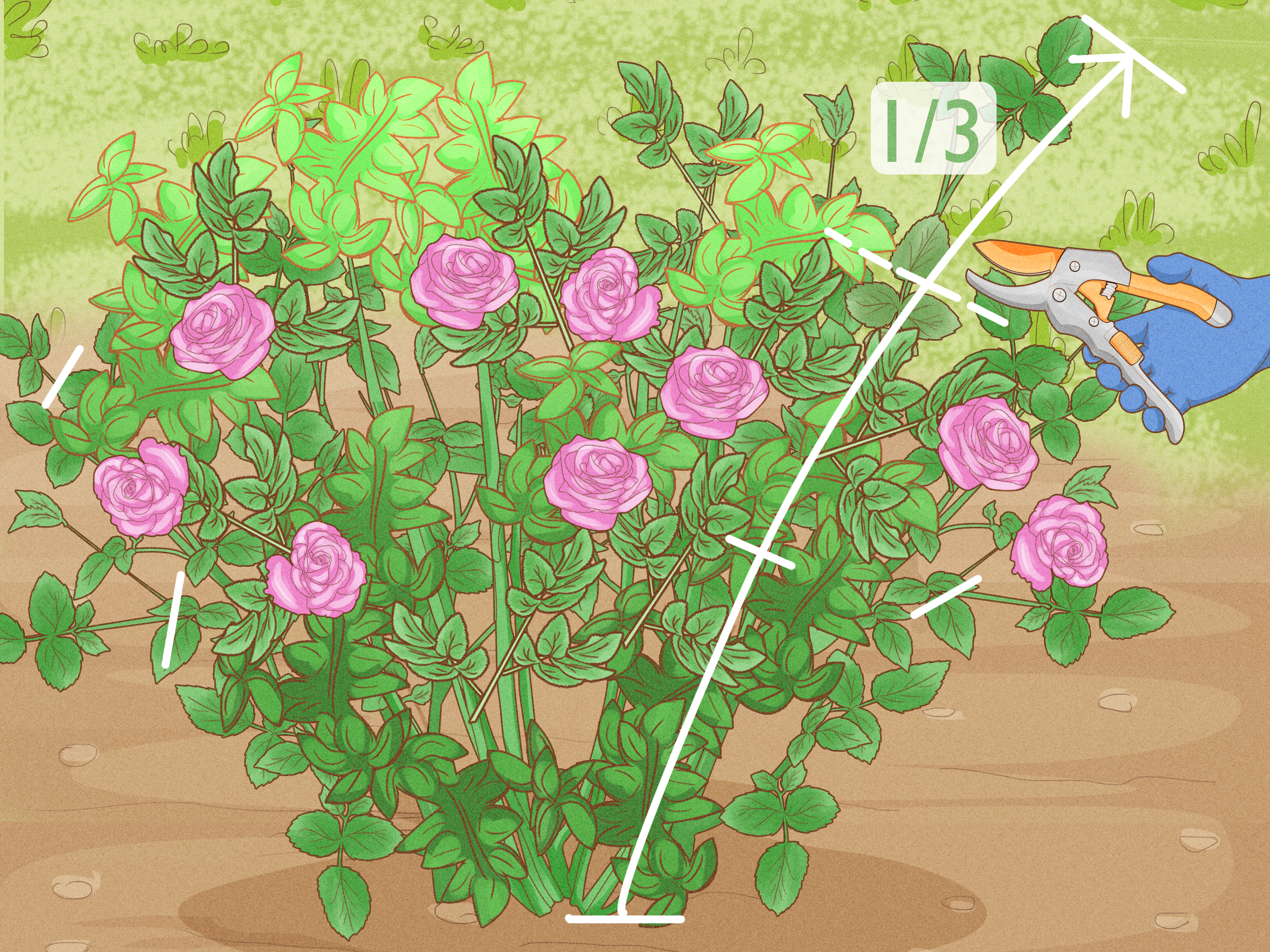
After removing dead and weak growth, cut the remaining strong canes back to your desired height. For many mature Knockout roses, that means 12 to 24 inches tall in early spring. Make cuts about 1/4 inch above an outward-facing bud or shoot.
Use angled cuts so water does not sit on the cut surface. The angle does not need to be theatrical. A clean 45-degree cut is plenty.
Step 6: Shape the Shrub
Finally, step back again and shape the plant into a balanced mound. The goal is not a perfect green meatball. The goal is a natural, tidy shrub that has room to grow.
Trim long stems that stick out awkwardly, but avoid shearing the plant flat like a hedge unless you are maintaining a formal landscape. Selective cuts create a healthier, more natural-looking Knockout rose.
Should You Deadhead Knockout Roses?
Deadheading is optional. Knockout roses drop many spent petals on their own and continue blooming without constant help. That said, removing faded flower clusters can make the plant look cleaner and may encourage a quicker rebloom.
To deadhead, cut the spent flower cluster back to a healthy leaf set. Do not obsess over every old bloom. This is gardening, not a courtroom investigation.
Can You Prune Knockout Roses in Summer?
Yes, light summer pruning is fine. After a heavy bloom cycle, you can trim the plant lightly to shape it and remove spent flowers. This helps keep the shrub neat and may support another flush of blooms.
In summer, avoid removing too much at once, especially during extreme heat or drought. A light trim is useful; a dramatic haircut during a heat wave is just rude.
Can You Prune Knockout Roses in Fall?
Fall pruning should be limited. You can remove dead, diseased, or broken stems at any time. You can also lightly trim overly long canes that might whip around in winter wind. However, save major pruning for late winter or early spring.
Heavy fall pruning may encourage tender new growth that is vulnerable to frost damage. If your roses are very tall, cut them back moderately for safety or neatness, but do not perform the big annual reset until spring.
Common Knockout Rose Pruning Mistakes
Pruning Too Early
If you prune during a warm spell in winter, the plant may start pushing new growth before freezing weather is over. Wait until the worst cold has passed and buds are beginning to swell.
Only Snipping the Tips
Many gardeners are afraid to cut back Knockout roses, so they only trim the outer tips. This often creates tall, twiggy shrubs with weak flowering. A proper annual cutback helps renew the plant.
Using Dirty Tools
Dirty pruners can spread disease from one plant to another. Clean your blades before pruning and between plants, especially if you notice suspicious growth or disease symptoms.
Ignoring Rose Rosette Disease
Rose rosette disease is a serious problem that can affect Knockout roses. Symptoms may include unusual red growth, distorted shoots, excessive thorniness, witches’-broom growth, and decline. It cannot be fixed by pruning out one ugly stem. If a plant is infected, removal is usually the safest option to protect nearby roses.
Leaving Debris Around the Plant
After pruning, clean up canes, leaves, and old mulch if disease has been a problem. A tidy rose bed reduces hiding places for pests and disease spores. It also makes your garden look like an adult lives there.
Pruning Knockout Roses in Containers
Container-grown Knockout roses need the same basic pruning schedule as roses planted in the ground. Prune in late winter or early spring, remove dead wood, and reduce the plant to a manageable size. Because container roses dry out faster, water them well after pruning and monitor moisture closely as new growth begins.
Do not fertilize a stressed, bone-dry container rose. Water first, let the plant recover, then feed when active growth is underway.
What to Do After Pruning
Once pruning is finished, give the rose a clean growing environment. Remove debris, refresh mulch, and water deeply if the soil is dry. Apply a balanced rose fertilizer or slow-release fertilizer when new growth begins, following label directions.
Mulch helps conserve moisture, regulate soil temperature, and reduce weeds. Keep mulch a few inches away from the base of the plant so the crown does not stay wet.
Knockout roses bloom best with plenty of sunlight. Aim for at least six hours of direct sun per day. If your rose is blooming poorly even after good pruning, shade may be the real villain hiding behind the fence.
Simple Knockout Rose Trimming Calendar
Late Winter to Early Spring
Do the main annual pruning. Remove dead, damaged, weak, and crossing canes. Cut the plant back to about 12 to 24 inches, depending on size and climate. Shape the shrub and clean up debris.
Late Spring
Check the plant after its first strong flush of growth. Remove any missed dead wood and lightly shape if needed.
Summer
Do light trimming after bloom cycles. Deadhead if you want a neater look. Water during dry spells and avoid heavy pruning during extreme heat.
Fall
Remove dead or diseased stems. Lightly shorten long canes if wind damage is likely. Avoid major pruning unless your local climate and plant condition truly require it.
Winter
Leave the plant mostly alone. Check for storm damage, but wait for late winter or early spring before serious pruning.
Experience-Based Tips for Pruning Knockout Roses
After working with Knockout roses in real landscapes, one lesson becomes clear: the plants usually forgive bold pruning better than timid pruning. The most common problem is not that gardeners cut too much. It is that they cut too little, then wonder why the rose looks tall, hollow, and slightly annoyed by July.
A good practical approach is to decide the final summer height you want, then prune lower than that in spring. For example, if you want a 3-foot shrub near a walkway, pruning to about 18 inches in early spring gives the plant room to grow into that size. If you leave it at 3 feet in March, do not be surprised when it becomes a 5-foot thorny handshake by August.
Another experience-based trick is to prune for access. If your Knockout rose grows beside a path, driveway, mailbox, or front steps, shape the side facing traffic a little more carefully. Roses near walkways have a special talent for grabbing sleeves, grocery bags, and unsuspecting guests. Keep canes from leaning into human travel lanes unless your landscaping theme is “mild danger.”
When pruning several Knockout roses planted as a hedge, resist the urge to make every shrub identical. Plants grow at different speeds based on sun, soil, water, and competition from nearby roots. Instead of measuring each rose like a tiny topiary soldier, aim for a visually even line from a few steps back. The garden will look natural, full, and intentional.
In hot climates, a midseason refresh can be very helpful. After a major bloom cycle, lightly trim off tired flower clusters and any awkward stems. Then water deeply and apply mulch if the soil is exposed. This small reset can make the plant look much better without shocking it during summer stress.
If a Knockout rose has been neglected for years, renovation pruning may be needed. Start by removing dead and diseased wood, then take out the oldest, thickest, least productive canes near the base. Reduce height gradually if the plant is extremely overgrown. A hard spring cutback can work, but if the plant is already stressed by drought, poor soil, or disease, combine pruning with improved watering, mulch, and patience.
One of the best habits is to take a photo before and after pruning. It sounds unnecessary until you realize how quickly roses leaf out and hide your work. Photos help you learn how much pruning produces the best shape in your garden. They also provide satisfying proof that the scary pile of cut stems was not garden vandalismit was strategy.
Finally, pay attention to how the rose responds. A healthy Knockout rose should push fresh growth after spring pruning. If it struggles, the issue may be deeper than pruning. Check sunlight, drainage, soil moisture, root competition, pests, and disease symptoms. Pruning is powerful, but it cannot fix a rose planted in deep shade behind a garage, where sunlight goes to retire.
Conclusion
Pruning Knockout roses is one of the easiest ways to keep them blooming beautifully, growing evenly, and behaving like garden shrubs instead of thorny fireworks. The best time for major pruning is late winter or early spring, once severe cold has passed and new growth is beginning. Cut out dead and weak wood, open the center, reduce height, and shape the plant into a balanced shrub.
During the growing season, use light trimming to keep plants neat. In fall, remove problem stems but save the serious work for spring. With clean tools, good timing, and a little confidence, your Knockout roses can reward you with months of color and far fewer “what happened to that bush?” moments.
Note: Pruning timing varies by region, frost date, and plant health. Use local climate cues and avoid heavy pruning during extreme cold, drought, or heat stress.