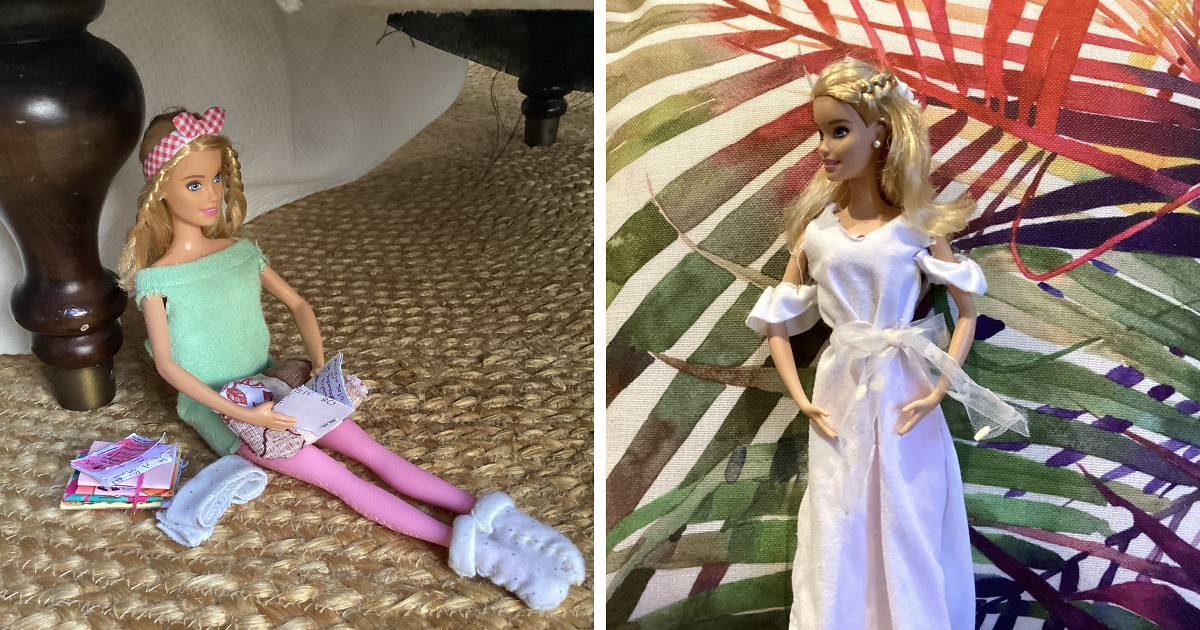

Some people see an old T-shirt with a stretched collar and think, “Well, it had a good run.” I see a doll-sized sweatshirt waiting to happen. A worn-out pair of jeans? That is not trash; that is premium miniature denim. A lonely sock that lost its partner in the mysterious laundry dimension? Congratulations, tiny sweater vest.
Making outfits out of old clothes for dolls is one of those hobbies that sounds small until you try it. Then suddenly your kitchen table becomes a fashion studio, your scrap pile becomes a treasure chest, and every button in the house looks like it has career potential. This project is creative, budget-friendly, sustainable, and deeply satisfyingespecially when a doll goes from “forgotten toy box resident” to “runway icon with excellent layering skills.”
In this post, I’m sharing the charm behind turning old clothing into doll outfits, along with practical tips, styling ideas, and the kind of tiny sewing lessons that only become obvious after you accidentally make a sleeve smaller than a pencil cap.
Why Old Clothes Make the Best Doll Outfits
Old clothing is perfect for doll fashion because it already comes with texture, color, stretch, seams, hems, buttons, zippers, pockets, lace, cuffs, and personality. Store-bought fabric is wonderful, but used garments often have details that are hard to recreate from scratch. A child’s floral dress can become a doll sundress. A soft cotton tee can become pajamas. A denim jacket can donate its seams to a miniature skirt that looks surprisingly professional.
There is also something beautifully practical about repurposing fabric. Instead of buying new materials for every project, you can reuse what you already have. It is a tiny version of circular fashion: keeping textiles in use longer, reducing waste, and giving worn-out items a second life. In this case, the second life just happens to be dramatically smaller and possibly wearing a ribbon belt.
The Joy of Miniature Fashion Design
Doll clothing has a magical advantage: you can experiment without needing yards of fabric. A sleeve from an old blouse might be enough for a dress. A single shirt cuff can become a skirt waistband. A scrap from leggings can turn into stretchy doll pants. Because the scale is small, the creative risk feels lighter. If the first attempt goes wrong, you have not ruined expensive fabricyou have simply created what we will politely call a “learning sample.”
Miniature sewing also trains your eye. You start noticing scale, print size, drape, and proportion. A huge floral print may look stunning on a human dress but turn into one giant mysterious cabbage on a doll. A tiny stripe, soft knit, or small polka dot often works better. This is where old children’s clothes, baby clothes, scarves, and lightweight shirts become gold mines.
Materials I Like to Save Before Cutting Anything
Before I turn old clothes into doll outfits, I inspect each garment like a very serious fabric detective. I look for sections that are still clean, strong, and usable. Stains can sometimes be avoided by cutting around them. Worn elbows may not matter if the lower sleeve is still in good condition. A damaged dress may still offer lace trim, a cute hem, or tiny buttons.
Best Old Clothes for Doll Outfit Projects
Cotton T-shirts are beginner-friendly because they are soft, flexible, and easy to cut. They make great doll tops, leggings, pajamas, and casual dresses.
Old jeans are excellent for skirts, jackets, bags, and structured pieces. Denim can be bulky at doll scale, so thinner denim or chambray is easier to handle.
Button-up shirts offer lightweight woven fabric, ready-made button plackets, cuffs, collars, and neat hems. One old shirt can create several polished doll outfits.
Socks are surprisingly useful. The stretchy tube shape can become a sweater dress, hat, skirt, or pair of leg warmers with minimal sewing.
Scarves and silky blouses can make elegant dresses, but slippery fabric requires patience. Also snacks. Patience and snacks.
11 Doll Outfit Ideas Made From Old Clothes
Below are 11 picture-style outfit ideas you can create using old garments. Think of them as inspiration for your own doll wardrobe makeover.
Pic 1: The T-Shirt Day Dress
An old cotton T-shirt becomes a simple pull-on dress. The original hem of the shirt can become the bottom hem of the doll dress, which saves time and makes the finished piece look neat. Add a small ribbon at the waist, and suddenly the doll is ready for a picnic, a bookstore date, or a very tiny farmer’s market.
Pic 2: The Denim Scrap Skirt
A piece of old jeans can become a classic A-line skirt. Use the existing side seam as a design feature, or cut around the pocket and attach it as a miniature detail. A real pocket on a doll skirt is not always practical, but it is adorable, and sometimes that is the higher calling.
Pic 3: The Sock Sweater Dress
Cut the foot off a soft sock, use the ribbed cuff as the neckline or hem, and shape armholes carefully. With a few stitches, the sock becomes a cozy sweater dress. This is one of the fastest transformations, and it is perfect for beginners who want results before their tea gets cold.
Pic 4: The Button-Up Shirt Blouse
An old button-up shirt can become a crisp doll blouse. The trick is to use the existing button placket down the front. Tiny functional buttons are difficult to sew, so stealing the original construction is both smart and mildly smug in the best way.
Pic 5: The Pajama Set From Soft Knit Fabric
Soft old pajamas or a worn T-shirt can be turned into a matching doll sleep set. Make a loose top and elastic-waist pants. If the fabric has stars, clouds, animals, or stripes, the outfit immediately looks intentional. Your doll may not sleep, technically, but she can absolutely dress like she has a skincare routine and an early bedtime.
Pic 6: The Lace-Trim Party Dress
Old camisoles, nightgowns, or formal tops often have lace that can be reused. A little lace trim at the hem or neckline can make a plain dress look fancy. When working at doll scale, even a small strip of lace feels dramatic. It is basically the doll version of arriving in a limousine.
Pic 7: The Mini Hoodie From a Sweatshirt
A worn sweatshirt can become a cozy hoodie. Use the ribbed cuff for sleeves or waistband pieces. If you are ambitious, add a hood from a curved scrap. If you are not ambitious, call it a “hoodie-inspired pullover” and move confidently forward.
Pic 8: The Pleated Skirt From a School Shirt
Lightweight cotton from an old shirt works beautifully for pleats. Press small folds into place, stitch them at the waist, and attach a waistband. A tiny pleated skirt has instant charm and pairs well with a T-shirt, cardigan, or miniature jacket.
Pic 9: The Patchwork Dress
When scraps are too small for a full garment, join them together. A patchwork doll dress is colorful, playful, and forgiving. It is also a clever way to use favorite pieces from multiple old clothesmaybe a bit of a baby dress, a shirt sleeve, and a floral scarf all in one design.
Pic 10: The Recycled Scarf Wrap Dress
Thin scarves can become soft wrap dresses or shawls. Because scarf fabric often drapes nicely, it can create a graceful silhouette without too much structure. Use small snaps, hook-and-loop tape, or ribbon ties for closure.
Pic 11: The Tiny Tote Bag and Matching Headband
Do not ignore the smallest leftovers. Scraps can become accessories: tote bags, headbands, belts, bows, scarves, or even doll-sized hair ribbons. Accessories are the secret sauce of doll styling. They make a simple outfit look finished, and they use pieces of fabric too small for anything else.
How to Plan a Doll Outfit Before You Cut
Planning matters because doll clothes are small, and tiny mistakes can become big problems quickly. Measure the doll’s chest, waist, hips, shoulder width, arm length, and overall height. If you already have a doll outfit that fits well, use it as a guide. Lay it flat, trace around it, and add seam allowance.
For beginners, start with simple shapes: tube dresses, elastic skirts, poncho tops, wrap skirts, and sleeveless tops. Sleeves, collars, and fitted pants are more advanced. They are not impossible, but they do enjoy humbling people.
Use Existing Hems Whenever Possible
The easiest way to make doll clothes look neat is to reuse finished edges from the original garment. Shirt hems, sleeve cuffs, pajama cuffs, and button plackets can save a lot of time. They also reduce bulk, which is important because thick seams can look oversized on dolls.
Choose Closures That Match the Scale
For doll clothes, closures need to be small and easy to use. Snaps, tiny buttons, ribbon ties, and thin hook-and-loop tape can all work. Avoid bulky closures unless the doll is large enough to handle them. A huge fastener can make a delicate dress look like it is wearing a backpack.
Sewing Tips for Working With Tiny Pieces
Small sewing projects require a different kind of patience. Use sharp scissors, fine pins or clips, and a shorter stitch length if you are machine sewing. Press seams as you go, even if the iron feels dramatic for such a small garment. Pressing makes miniature clothes look cleaner and more intentional.
If you hand sew, use small stitches and knot carefully. If you use fabric glue, apply it sparingly so the fabric does not become stiff. Glue can be helpful for trims, hems, and accessories, but too much can make the outfit feel crunchy. Doll fashion should be stylish, not nacho-adjacent.
Finishing Seams Without Bulk
Because doll clothes are small, bulky seam finishes can overwhelm the design. For fabrics that do not fray, such as many knits, you may not need much finishing at all. For woven fabrics, try pinking shears, narrow zigzag stitching, or a tiny folded hem. Lightweight fabrics usually behave better than thick ones.
Why This Hobby Is Great for Kids and Adults
Making doll outfits from old clothes is a wonderful project for many ages. Kids can help choose fabric, plan color combinations, and decorate finished pieces. Adults can handle cutting, sewing, and small details. It teaches creativity, patience, resourcefulness, and basic design thinking.
It is also a sweet way to preserve sentimental clothing. A baby onesie, a favorite childhood dress, or a shirt from a special event can become a keepsake doll outfit. Instead of storing the garment in a box forever, you can transform a small piece of it into something visible and loved.
Common Mistakes and How to Avoid Them
The first mistake is choosing fabric that is too thick. Heavy denim, bulky fleece, and stiff upholstery fabric can be difficult at doll scale. Use them for accessories or outerwear details rather than fitted pieces.
The second mistake is forgetting seam allowance. Doll clothes are tiny, so even a quarter inch matters. Add enough room for stitching and movement. If the outfit is too tight, dressing the doll becomes a wrestling match, and nobody wants to lose a fight to a nine-inch plastic fashion critic.
The third mistake is using prints that are too large. Small-scale prints usually look more realistic. Large designs can work, but place them carefully so the pattern looks intentional.
The fourth mistake is skipping test fits. Try the outfit on the doll during construction. It is much easier to adjust before everything is finished, trimmed, and emotionally invested.
How to Style a Mini Wardrobe
Once you have made a few pieces, start mixing and matching. A denim skirt can pair with several tops. A white blouse can work under dresses, sweaters, or jackets. A simple cardigan can change the entire mood of an outfit. Think in layers and accessories instead of making every item a standalone masterpiece.
You can also create themes: back-to-school outfits, cozy winter looks, party dresses, cottagecore dresses, beachwear, pajamas, or tiny streetwear. Old clothes give you enough variety to build a doll wardrobe that feels personal and full of character.
My Personal Experience Making Doll Outfits From Old Clothes
The first time I made doll outfits from old clothes, I was convinced it would be easy. I had fabric, scissors, thread, and confidencethe four ingredients that often appear right before chaos. I started with an old T-shirt because it looked harmless. Soft, stretchy, friendly. What could go wrong? About twenty minutes later, I had created something that was technically a dress, if the definition of dress includes “tiny fabric tube with emotional complications.”
But that first messy attempt taught me the most important lesson: doll clothes are small, not simple. The scale changes everything. A seam that looks normal on human clothing can look bulky on a doll. A cute print can become enormous. A little extra fabric can turn into a balloon shape. Still, every mistake made the next outfit better.
One of my favorite transformations came from an old pair of jeans. The knees were worn out, but the lower legs were still strong. I cut a small panel, used the original seam as a center detail, and made a denim skirt. It looked so much better than expected that I stared at it like I had just invented couture. I added a tiny belt from a strip of faux leather and suddenly the doll looked like she owned a coffee shop and gave excellent life advice.
Another memorable project came from a lonely sock. It had no match, no future, and frankly, no purposeuntil it became a sweater dress. The ribbed cuff turned into the neckline, and the soft knit hugged the doll perfectly. I added two tiny buttons near the shoulder, purely for decoration, and the result looked cozy enough for a miniature snow day. That was the moment I stopped seeing single socks as laundry failures and started seeing them as fashion opportunities.
I have also learned that old button-up shirts are secret treasure maps. The cuffs, plackets, and hems do half the work for you. Once, I used the front button section of a shirt to make a doll blouse with real working buttons. Did I feel like a genius? Absolutely. Did I tell everyone within a 10-foot radius? Also yes. Reusing existing garment details is not cheating; it is design efficiency wearing a tiny crown.
Of course, not every project becomes a masterpiece. I once tried to make doll pants from thick denim and ended up with something so stiff the doll could only stand like a decorative nutcracker. Another time, I used silky fabric without stabilizing it, and it slid around the table like it was trying to escape. These failures were annoying in the moment, but they became part of the fun. Doll sewing is forgiving because the materials are small and often free. You can laugh, unpick the stitches, or turn the mistake into a handbag.
What I love most is the emotional side of the process. Old clothes carry little stories. A faded shirt may remind you of summer. A baby dress may hold family memories. A scarf may have colors you still love even if you no longer wear it. Turning those pieces into doll outfits keeps the fabric alive in a new way. It is creative recycling with a heartbeat.
Over time, I built a small box of “future doll fashion” scraps: cuffs, lace, tiny buttons, elastic, ribbons, denim pieces, soft knits, and interesting trims. It looks like clutter to anyone else, but to me it is a miniature design studio. Every scrap has potential. Every old garment asks, “What could I become next?” And sometimes the answer is a party dress. Sometimes it is a hoodie. Sometimes it is a skirt so cute I briefly consider making a human-sized version for myself.
Making doll outfits from old clothes has become more than a craft. It is a relaxing creative habit, a sustainability practice, and a way to turn ordinary castoffs into something delightful. It reminds me that beauty does not always require new materials. Sometimes it just needs scissors, imagination, and the willingness to believe that an old sock deserves a comeback story.
Conclusion
Making outfits out of old clothes for dolls is a small craft with big personality. It saves money, reduces waste, encourages creativity, and turns forgotten fabrics into miniature fashion moments. Whether you are sewing a T-shirt dress, a denim skirt, a sock sweater, or a full patchwork wardrobe, each piece carries a little history from the original garment.
The best part is that there are no strict rules. Start with simple shapes, reuse hems and cuffs, choose soft fabrics, and let mistakes become part of the process. Old clothes may no longer fit your closet, but they can still fit beautifully into a doll’s world. And honestly, if a retired T-shirt can become a runway-ready dress, maybe we all deserve a second act.