Ikigai in Health Care: Mastering Work-Life Balance and Purpose for Medical Professionals

Health care is one of the few fields where a person can save a life before lunch, miss lunch entirely, and still have three chart notes staring back like disappointed houseplants. It is meaningful work, no doubt about it. It is also exhausting, emotionally intense, and sometimes structured in ways that make “balance” feel like a lovely fairy tale told by someone who has never been on call.
That is where ikigai in health care becomes more than a trendy buzzword. In popular use, ikigai is often described as your reason for being: the sweet spot where what you love, what you are good at, what people need, and what can sustain your life begin to overlap. For medical professionals, that idea matters because purpose is not the problem. Most clinicians did not wander into medicine by accident while looking for a coffee shop. They chose it because they wanted to help. The problem is that purpose can get buried under staffing shortages, documentation overload, broken workflows, sleep debt, and the emotional weight of caring for people on their hardest days.
The good news is that work-life balance for medical professionals does not require abandoning ambition, becoming a monk, or pretending your inbox is “not that bad.” It requires a more realistic model: reconnecting with purpose, protecting energy, redesigning work where possible, and building daily practices that make a demanding career feel sustainable instead of soul-squeezing.
What Ikigai Means in a Medical Career
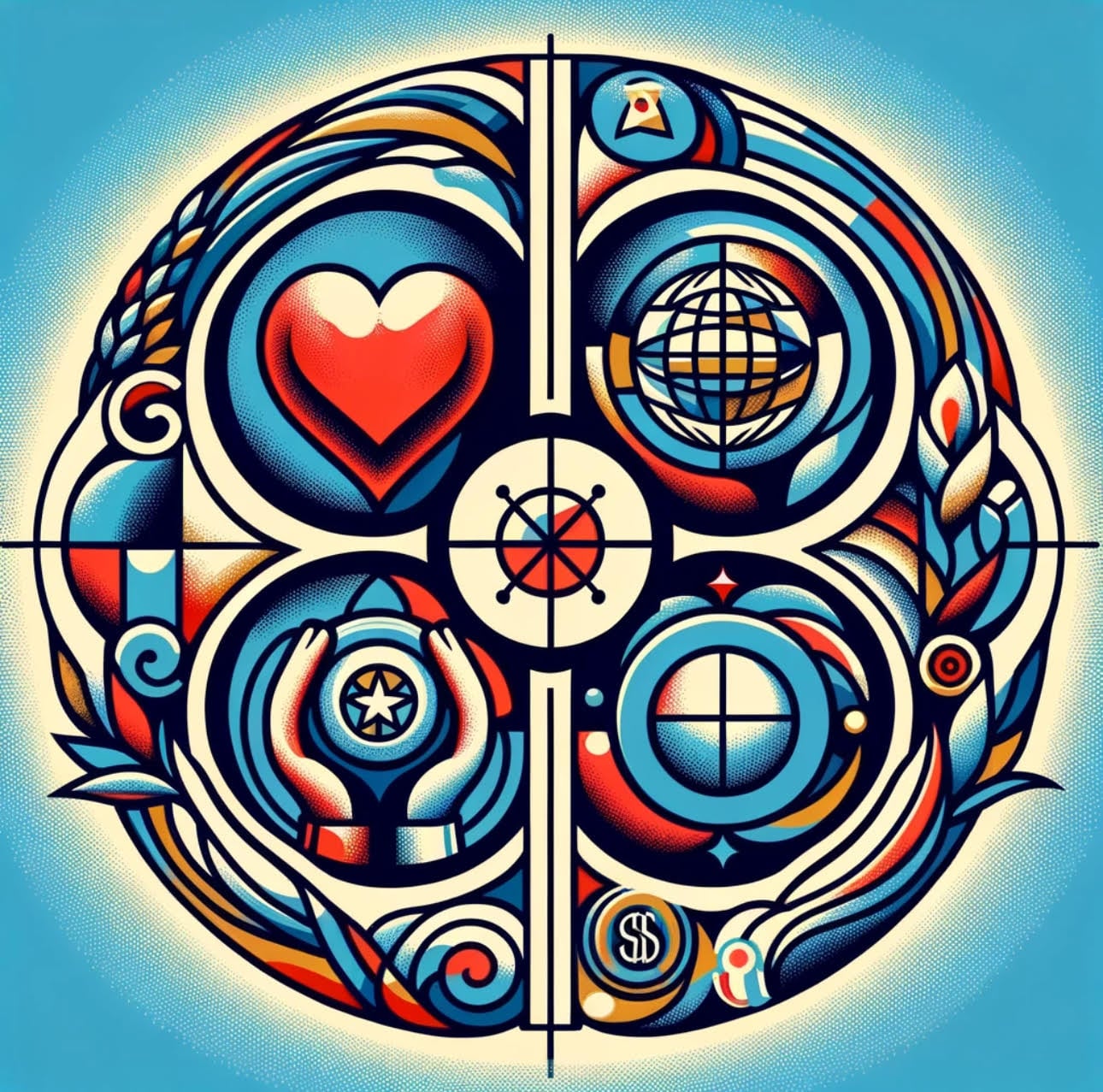
Ikigai is often simplified into a four-circle diagram, but the deeper idea is more practical: it is the reason you get up and do the work, especially when the work is hard. In health care, ikigai is not only the heroic moments. It is not just the code blue, the dramatic diagnosis, or the patient who hugs you with movie-scene timing. Sometimes it is smaller and steadier than that.
It can look like this:
- A family physician who loves long-term relationships with patients and sees generations of one family over time.
- An ICU nurse who finds meaning in creating calm in chaos.
- A physical therapist who enjoys helping people regain independence one stubborn step at a time.
- A pharmacist who takes pride in getting the details right because details keep people safe.
In other words, purpose in medicine is rarely one giant slogan. It is usually a pattern of meaningful moments, repeated over time, supported by an environment that does not grind those moments into dust.
Why Work-Life Balance in Health Care Feels So Hard
If you have ever heard a clinician say, “I love patient care, but everything around patient care is what’s draining me,” that is not whining. That is diagnosis.
Clinician burnout is not simply about people being weak, bad at boundaries, or in need of one more webinar about deep breathing. In health care, the biggest pressure points are often structural: heavy workloads, administrative burden, documentation after hours, inadequate staffing, moral distress, long shifts, unpredictable schedules, and chronic sleep disruption. When job demands outpace the resources needed to meet them, even dedicated professionals can start feeling detached, depleted, and less effective.
This is why the conversation about physician well-being and nurse burnout has shifted. The real issue is not whether clinicians care enough. They often care so much that they keep going past healthy limits. The issue is whether the system allows caring professionals to do good work without sacrificing their own health, relationships, and sense of self.
And then there is the EHR, which in many organizations behaves like a needy roommate who never sleeps and keeps leaving tasks in the sink.
The Link Between Ikigai, Professional Fulfillment, and Burnout
Burnout and purpose are not exact opposites, but they are deeply connected. A clinician can feel profoundly called to the work and still be burned out. At the same time, professional fulfillment acts like a buffer. When people feel that their work is meaningful, aligned with their values, and supported by a decent environment, they are more likely to stay engaged and less likely to feel hollowed out by the job.
That is why ikigai matters in health care. It helps clinicians ask four useful questions:
1. What part of my work still feels meaningful?
Not every task will sparkle. Nobody is whispering “this is my calling” while wrestling with duplicate documentation. But certain parts of the job may still feel real and worthwhile. Identifying those parts is the first clue.
2. What am I especially good at?
Some medical professionals are brilliant diagnosticians. Others are natural teachers, listeners, organizers, advocates, or coordinators. Burnout often gets worse when people spend too little time using their strongest skills.
3. What does my team or community genuinely need from me?
This question shifts the focus away from vague productivity and toward meaningful contribution. Maybe your team needs your calm during crises. Maybe your patients need your communication style. Maybe your department needs your leadership more than another committee attendance badge.
4. What kind of work rhythm can I actually sustain?
This is where many clinicians get into trouble. Calling is not the same as capacity. Just because you can power through six miserable months does not mean you should build your life that way.
How Medical Professionals Can Rebuild Work-Life Balance Without Quitting Everything
Let us be honest: for many clinicians, the advice to “just find balance” lands with all the elegance of a dropped bedpan. So here is a more useful approach. Think less about perfect balance and more about sustainable rhythm.
Audit Your Energy, Not Just Your Time
Time management matters, but energy management matters more. Two hours spent in focused patient care may energize you. Forty-five minutes of fragmented inbox triage may drain you like a phone stuck at 2% battery.
For one week, note which tasks give energy and which tasks steal it. Patterns often appear fast. This is where ikigai becomes practical, not poetic. When possible, shift your schedule, duties, or micro-routines so more of your day includes work that uses your strengths and connects to your values.
Protect Sleep Like It Is Clinical Equipment
Because it is, in a sense. Sleep loss affects mood, judgment, attention, and resilience. In health care, chronic fatigue is often worn like a badge of honor, but it is a terrible life coach. No one becomes kinder, wiser, or more patient after weeks of lousy sleep. Rest is not indulgent. It is operational maintenance for a human being who is making important decisions.
Set Boundaries That Are Specific Enough to Survive Real Life
Vague boundaries fail fast. “I should work less” is not a boundary. “I do not check messages after 8 p.m. unless I am on call” is a boundary. “I leave the unit on time two days each week” is a boundary. “I take my full lunch away from a screen three days a week” is a boundary. Tiny? Yes. Effective? Also yes.
Make Meaning Visible
In hard seasons, clinicians often remember everything that went wrong and forget what went right. Start a private “meaning file.” Keep thank-you notes, memorable patient moments, lessons learned, and small wins. On rough days, that file becomes evidence that your work matters, even when the system feels absurd.
Build Community on Purpose
Isolation magnifies burnout. A quick debrief with a trusted colleague, a peer support group, or even a regular walk with a teammate can restore perspective. Health care can be emotionally heavy, and humans are not built to process all of that in silence while also pretending to be fine in the break room.
What Leaders Can Do to Support Ikigai at Work
Individual strategies matter, but organizations cannot yoga their way out of systemic dysfunction. If leaders want healthier, more engaged clinicians, they need to redesign work, not just offer motivational posters and a bowl of tired granola bars.
Smart organizations support work-life balance in health care by doing the following:
- Reducing unnecessary administrative work and duplicate documentation.
- Improving staffing and workflow so clinicians are not constantly operating beyond capacity.
- Giving teams more voice, autonomy, and input into scheduling and process design.
- Measuring both burnout and professional fulfillment instead of focusing only on distress.
- Normalizing help-seeking without penalizing people for being human.
- Creating psychologically safe environments where concerns can be raised early.
The biggest shift is cultural. When leaders treat well-being as a patient safety issue, a retention issue, and a quality issue, real change becomes possible. When they treat it as a side project for “resilient employees,” people understandably roll their eyes and keep job-search tabs open.
Practical Examples of Ikigai in Health Care
The Resident Reframing Success
A second-year resident may assume that being a “good doctor” means saying yes to everything, staying late constantly, and never admitting exhaustion. Over time, that approach often creates resentment and emotional numbness. An ikigai-based reset helps this resident ask: What part of medicine lights me up? Teaching? Procedures? Longitudinal patient care? Once that becomes clear, the resident can make choices about electives, mentorship, and future specialty direction that align with purpose instead of pure survival.
The Nurse Who Reclaimed Her Off-Duty Hours
A bedside nurse might love patient advocacy but feel wrecked by rotating shifts and the habit of mentally replaying the day at home. Her version of ikigai may include excellent clinical care, mentoring new nurses, and protecting enough off-duty recovery time to still feel like herself. She may not control every schedule decision, but she can build stronger transition rituals after work, ask for more consistent shifts when possible, and move toward roles that better match her strengths.
The Physician Who Stopped Measuring Value by Exhaustion
Some physicians unconsciously equate overwork with worth. If they are not stretched thin, they feel guilty. Ikigai interrupts that mindset. Your purpose is not to become a cautionary tale with excellent credentials. Your purpose is to practice medicine well, ethically, and sustainably.
A Simple Ikigai Check-In for Busy Clinicians
Once a month, ask yourself these five questions:
- What gave me energy at work this month?
- What drained me most?
- When did I feel useful in a meaningful way?
- What am I tolerating that needs to change?
- What is one adjustment that would make my next month more sustainable?
This check-in takes less time than hunting for a missing charger and can be far more life-giving. The goal is not instant transformation. The goal is direction.
Experiences From the Field: What This Really Looks Like in Real Life
Talk to enough clinicians and you notice a pattern: very few people lose their sense of purpose all at once. More often, purpose gets crowded out. It gets buried under extra clicks, extra shifts, extra forms, extra expectations, and the quiet pressure to be endlessly competent, compassionate, and available. Many medical professionals still love the heart of the work, but they no longer recognize the shape of their own lives around it.
One common experience comes from hospital-based clinicians who say the job feels meaningful during patient interactions and strangely alien during everything else. A physician may spend ten minutes having a deeply human conversation with a family about goals of care, then spend an hour documenting, messaging, reconciling orders, and chasing administrative details. The meaningful part is still there, but it is squeezed into a smaller and smaller corner. Over time, that mismatch can create a painful question: “If I still care, why do I feel so disconnected?” The answer is often not lack of dedication. It is lack of alignment.
Nurses describe a similar tension. Many entered the profession because they wanted to comfort, advocate, educate, and notice the things other people miss. But when staffing is thin and time is scarce, the day can become a race between tasks rather than a relationship-centered practice. That creates frustration because the nurse is still physically present at work but unable to practice in the way that feels most meaningful. Ikigai in this context is not a luxury exercise. It becomes a way of identifying what kind of nursing experience still feels true and what changes are needed to protect it.
Another frequent experience appears in outpatient care. Primary care clinicians, therapists, pharmacists, and rehabilitation professionals often say they feel most fulfilled when continuity is possible. Watching progress over time, building trust, and helping patients make sustainable changes can be deeply rewarding. But productivity pressure can turn that longitudinal work into a conveyor belt. Some clinicians respond by carving out tiny acts of resistance against depersonalization: sitting down instead of hovering at the door, beginning visits with one unhurried question, or ending the day by noting one moment that reminded them why they chose the profession in the first place.
Then there are the experienced clinicians who hit a surprising wall after years of competence. From the outside, they look successful. Inside, they feel flat. Their experience teaches an important lesson: burnout is not always dramatic. Sometimes it arrives quietly, dressed as irritability, cynicism, emotional blunting, or the inability to enjoy a day off. For these professionals, reconnecting with purpose may involve mentoring, teaching, research, quality improvement, advocacy, or redesigning their role so their wisdom is used, not wasted.
The most encouraging stories usually have one thing in common: people stop waiting for a perfect system before making one meaningful adjustment. A team changes handoff routines. A supervisor starts asking better questions. A clinician protects one evening a week. A department reduces low-value tasks. A burned-out professional asks for help before a crisis. None of these fixes everything. But together, they shift the story from endurance to intention. That is the heart of ikigai in health care: not escaping hard work, but building a career where hard work still feels connected to a life worth living.
Conclusion
Ikigai in health care is not about chasing a perfectly balanced life with zero stress, no night shifts, and an inbox that behaves like a civilized citizen. It is about finding a sustainable center of gravity. For medical professionals, that center lives where purpose, skill, service, and human limits can coexist.
When clinicians reconnect with what makes their work meaningful, protect the basics that keep them functional, and push for system changes that support professional fulfillment, the job becomes more livable. Not easy. Not magically serene. But livable, human, and worthy of the people doing it.
Medicine needs dedicated professionals. It also needs those professionals to remain whole enough to have a life outside the badge, the scrubs, the pager, and the chart. Purpose is powerful. But purpose plus boundaries, rest, support, and better design? That is where real staying power begins.