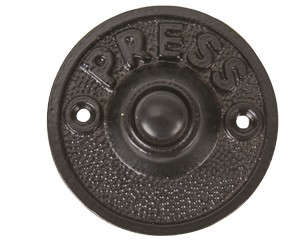

A black powdercoat doorbell button is one of those tiny exterior details that quietly says, “Yes, someone here owns a level, a screwdriver, and at least one strong opinion about curb appeal.” It is small enough to fit in your palm, but it can change the whole first impression of a front entry. Before guests see your foyer, your furniture, or your heroic attempt to keep the porch plants alive, they meet the doorbell button.
Black powder-coated doorbell buttons have become especially popular because they combine durability, clean design, and easy compatibility with many traditional wired chime systems. The finish looks modern without being flashy. It works with brick, stucco, wood siding, painted trim, steel doors, Craftsman porches, farmhouse entries, and minimalist homes that believe beige is a personality trait. Whether you are replacing a cracked plastic button or upgrading exterior hardware, this little piece can make the entrance feel more intentional.
This guide explains what a black powdercoat doorbell button is, why the finish matters, how to choose the right type, what to consider before installation, and how to keep it looking sharp for years.
What Is a Black Powdercoat Doorbell Button?
A black powdercoat doorbell button is a doorbell push button with a black finish created through powder coating, usually applied to metal such as steel, aluminum, brass, or cast iron. Unlike traditional liquid paint, powder coating uses dry powder that bonds to the surface and cures into a hard, even finish. The result is a smooth, durable coating that resists everyday wear better than many basic painted finishes.
In practical terms, that means your doorbell button can handle fingerprints, changing weather, sun exposure, porch dust, and the occasional enthusiastic delivery driver who presses the button like they are launching a rocket. A powder-coated finish is not magic armor, but it is a strong choice for exterior hardware because it adds a protective layer while giving the button a refined appearance.
Why black is such a popular finish
Black exterior hardware has become a favorite in American home design because it offers contrast without chaos. It can make light-colored siding look crisper, give brick a more updated feel, and tie together other entry details such as black house numbers, mailbox hardware, porch lights, hinges, or railings. A black powdercoat doorbell button also hides small smudges better than bright polished finishes, which is useful because doorbell buttons live a very hands-on life.
Powdercoat vs. Painted Finish: What Is the Difference?
The main advantage of powder coating is the way the finish bonds to the metal. Traditional paint sits on the surface and can chip when exposed to impact, scraping, or repeated weather cycles. Powder coating forms a tougher skin after curing, which helps protect the doorbell button from scratches, fading, and corrosion when properly applied.
That does not mean every powder-coated product is equal. The quality of the base material, surface preparation, coating thickness, and installation location all matter. A powder-coated cast iron button on a covered porch may age differently from a thin metal button exposed to salt air, heavy rain, and direct afternoon sun. Still, for most homes, powder coating is a smart finish for exterior door hardware because it balances style and practical durability.
Matte black, satin black, and textured black
Not all black finishes look the same. A matte black doorbell button has a soft, low-sheen look that pairs well with modern and farmhouse homes. Satin black has a slight glow and feels a little more polished. Textured black powdercoat can hide minor surface marks and looks great on rustic, industrial, and Craftsman-style homes. If your porch light, house numbers, or door handle already have a finish, try to match the sheen rather than only the color. Matte black next to glossy black can look like two relatives who agreed to dress alike but did not communicate very well.
Why Choose a Black Powdercoat Doorbell Button?
The best reason to choose a black powdercoat doorbell button is simple: it is a small upgrade with an unusually high visual payoff. Many homeowners replace door handles, lights, planters, and house numbers but leave the old doorbell button behind. That tired little rectangle may be yellowed, cracked, loose, or glowing weakly like a tiny haunted appliance. Replacing it with a black powder-coated version can make the entry feel finished.
1. It improves curb appeal instantly
Curb appeal is not only about landscaping or paint color. It is also about the details people notice up close. A black powdercoat doorbell button adds contrast and makes the doorway look more complete, especially when coordinated with other black accents. On white trim, it pops. On natural wood, it feels grounded. On brick, it adds definition without fighting the texture.
2. It works with many home styles
Black powder-coated buttons come in several designs: round, square, rectangular, oval, recessed, surface-mounted, vintage, industrial, mid-century, and minimalist. A rectangular black button can suit a contemporary home, while a cast iron or decorative version can look right at home on a bungalow or older property. This flexibility makes black one of the safest finish choices when you want something stylish but not trendy in the “we all regretted this in three years” sense.
3. It can be more durable than basic plastic
Basic plastic doorbell buttons are affordable and easy to find, but they may discolor, crack, or feel flimsy over time. Metal buttons with powder-coated finishes generally feel more substantial. They also tend to pair better with upgraded exterior hardware. If your front door has a quality lockset, stylish lighting, and clean trim, a cheap plastic button can look like it wandered in from a rental garage.
4. It may support illuminated button options
Many wired doorbell buttons are available with small LED or lighted centers. A black lighted doorbell button can be easier for visitors to find at night, especially on a dark porch or beside a dark door frame. If you choose an illuminated model, confirm compatibility with your existing transformer and chime system before buying.
Types of Black Powdercoat Doorbell Buttons
Before choosing a button, decide what kind of installation and appearance you need. The right choice depends on your wall material, existing wiring, screw spacing, chime type, and design preference.
Surface-mounted black doorbell button
A surface-mounted button sits on top of the wall, trim, or door frame. This is often the easiest replacement style because it does not require cutting a recess into the surface. It is common on wood trim, vinyl siding, and flat exterior frames. Surface-mounted buttons can be slim and modern or decorative and vintage-inspired.
Recessed black doorbell button
A recessed button sits partly inside the wall or trim. This creates a cleaner, more built-in look. Recessed designs are popular for metal or cast iron buttons, especially on older homes where the original button was also recessed. Installation can be slightly more involved because the opening size matters.
Round black doorbell button
Round buttons look clean, balanced, and timeless. They are a good choice for narrow trim or for homeowners who want the button to feel subtle. A black round button with a metal ring can look especially sharp on painted wood or stone.
Square or rectangular black doorbell button
Square and rectangular buttons often feel more architectural. They pair well with modern house numbers, straight-line porch lighting, and contemporary entry doors. A rectangular black powdercoat doorbell button can also cover old screw marks better than a tiny round button, which is a very practical bonus when your previous doorbell left behind evidence.
Decorative vintage black button
Decorative black powder-coated buttons, especially those made of cast iron or brass, can add character to historic homes, cottages, and traditional porches. Look for raised borders, beveled edges, or subtle ornamentation if you want old-house charm without turning your entry into a museum gift shop.
Wired vs. Wireless: Which One Should You Choose?
Most black powdercoat doorbell buttons are designed for wired doorbell systems. A traditional wired doorbell button works by completing a low-voltage circuit when pressed. That signal activates the chime inside the home. If your current doorbell has two small wires connected behind the button, you probably have a wired setup.
A wireless doorbell button, on the other hand, sends a signal to a receiver or plug-in chime. Wireless options can be useful when the home has no existing wiring, but they may require batteries and may not offer the same solid metal designs as traditional wired buttons.
When a wired black powdercoat button makes sense
Choose a wired black powdercoat doorbell button if your existing chime works, your wiring is in good shape, and you simply want to upgrade the button. This is usually the cleanest path because you can keep your current doorbell sound while improving the exterior appearance.
When wireless may be better
Wireless may be better if your home has no doorbell wiring, the transformer is missing, or you want a quick setup without opening walls. However, if you love the look and feel of metal exterior hardware, wired models usually offer more premium design choices.
Compatibility: What to Check Before Buying
Doorbell buttons may look simple, but compatibility still matters. Before ordering, remove or inspect your existing button and check the basics.
Check your voltage
Many traditional wired doorbell systems use low voltage, commonly around 16 volts, though systems can vary. Some modern smart or specialty doorbells may require different voltage ranges. If you are replacing only the push button for a standard chime, choose a button intended for low-voltage wired doorbell systems.
Check screw spacing
The distance between mounting holes can save you from extra drilling. If your new button has the same screw spacing as the old one, installation is usually cleaner. If not, you may need to drill pilot holes, use wall anchors, or choose a larger backplate to cover old holes.
Check the wall surface
Wood trim is usually forgiving. Brick, stone, stucco, and concrete are less forgiving and may require masonry bits or anchors. Vinyl siding may need a mounting block so the button sits flat. The goal is to mount the button securely without bending the plate or leaving gaps where water can collect.
Check lighted button compatibility
If the button has an LED or lighted center, verify that it is compatible with your chime and transformer. Some lighted buttons may not work correctly with certain digital chimes, smart chimes, or older transformers. When in doubt, consult the product specifications or a qualified electrician.
How to Install a Black Powdercoat Doorbell Button
Replacing a doorbell button is often a beginner-friendly DIY project, but it still involves electrical components. Even though doorbell wiring is low voltage, safety matters. Use insulated tools, avoid working in wet conditions, and shut off power at the breaker if you are unsure.
Basic tools you may need
- Screwdriver
- Needle-nose pliers
- Drill and small bit, if new holes are needed
- Masonry bit and anchors for brick or stucco
- Voltage tester, if needed
- Exterior-grade caulk, only if appropriate around the mounting area
Simple replacement steps
- Remove the old doorbell button by loosening the mounting screws.
- Gently pull the button forward so the two low-voltage wires are visible.
- Loosen the terminal screws and disconnect the wires.
- Attach the wires to the terminals on the new button. For many basic doorbell buttons, either wire can go on either terminal.
- Tighten the screws so the wires are secure.
- Tuck the wires back carefully without pinching them.
- Mount the new black powdercoat button evenly.
- Test the chime.
If the chime does not ring, the problem may be a loose wire, a faulty chime, a dead transformer, or wiring damage. Do not blame the button immediately. Doorbell systems are simple, but they enjoy pretending to be mysterious when guests are waiting outside.
Design Tips for Better Curb Appeal
A black powdercoat doorbell button works best when it feels connected to the rest of the entrance. Try to coordinate it with at least one nearby element: the door handle, house numbers, mailbox, porch light, railing, or kick plate. Matching every single piece is not required, but repeating the finish once or twice creates visual rhythm.
For modern homes
Choose a square or slim rectangular black button with clean edges. Pair it with minimalist house numbers and a simple cylinder or box-style porch light. A matte black finish usually works best for modern exteriors because it looks crisp and understated.
For farmhouse homes
Use a black button with a slightly rounded or classic shape. It will pair well with black lantern lights, white siding, wood doors, and simple porch decor. Avoid overly ornate designs unless the rest of the entry already has vintage details.
For Craftsman or bungalow homes
Look for cast metal, beveled edges, or a rectangular plate with subtle texture. Craftsman homes love honest materials and visible detail. A black powdercoat finish can feel period-friendly when the shape is simple and sturdy.
For brick homes
Black hardware gives brick a clean outline, especially if the brick has red, brown, or charcoal tones. A larger rectangular plate can stand out nicely against textured masonry and may also cover older holes or discoloration.
Maintenance: Keeping the Finish Looking Good
A black powdercoat doorbell button does not need fussy maintenance. In fact, please do not attack it with harsh chemicals like you are trying to remove evidence from a crime scene. Most of the time, a soft cloth, mild soap, and water are enough.
Cleaning tips
- Wipe the button occasionally to remove dust, pollen, and fingerprints.
- Use mild soap and water for grime.
- Avoid abrasive pads that can scratch the finish.
- Do not use strong solvents unless the manufacturer says it is safe.
- Inspect the mounting screws once or twice a year.
If you live near the ocean, clean exterior hardware more often. Salt air can be tough on almost every finish, including powder coating. A covered porch also helps extend the life of exterior hardware by reducing direct exposure to rain and sun.
Common Mistakes to Avoid
The most common mistake is buying based only on appearance. Yes, the button should look good, but it also needs to fit your wiring, wall surface, and chime system. A beautiful button that does not fit the opening is not a design upgrade. It is a small, expensive paperweight with confidence.
Ignoring the size
Measure the existing button and the space around it. If your door trim is narrow, a wide decorative plate may not fit. If the old button left marks, a larger replacement may be useful.
Forgetting about screw holes
New screw holes are not a big deal on wood, but they can be annoying on brick, stucco, or stone. Matching the screw spacing can save time and prevent unnecessary patching.
Mixing too many finishes
Black can coordinate with brass, bronze, nickel, and wood, but too many finishes at the entry can look accidental. If your door handle is satin nickel and your porch light is oil-rubbed bronze, a black button can still work, but consider adding black house numbers or a black mailbox to make the choice feel intentional.
Is a Black Powdercoat Doorbell Button Worth It?
Yes, especially if you want a low-cost exterior upgrade that feels more premium than replacing the button with another basic plastic model. A black powdercoat doorbell button is durable, stylish, and versatile. It can suit modern, rustic, traditional, and transitional homes without demanding a full porch makeover.
It is also one of the rare home improvements that does not require a giant budget, a contractor parade, or three weekends of questioning your life choices. You can often complete the replacement quickly, and the result is visible every time someone approaches the door.
Real-World Experiences With a Black Powdercoat Doorbell Button
One of the best things about upgrading to a black powdercoat doorbell button is how surprisingly noticeable the change feels in real life. On paper, it sounds almost too small to matter. It is just a button. It does not open the door, protect the house, or make coffee. Yet once it is installed, the entry often looks more finished, especially if the old button was faded, cracked, or mismatched.
Homeowners often describe this kind of upgrade as a “why didn’t I do this earlier?” project. The old button may have been working, technically, but it looked tired. Maybe the plastic had yellowed from sun exposure. Maybe the light no longer worked. Maybe the button was hanging slightly crooked, creating the kind of visual irritation only the homeowner noticed every single day. Replacing it with a black powder-coated metal button gives the entry a cleaner focal point.
In many homes, the most satisfying experience comes from coordinating the button with other small exterior details. For example, a black button next to black house numbers can make a plain white door frame look intentional. A matte black button beside a modern black wall sconce can make the whole porch feel updated, even if nothing else changed. On a red brick house, black hardware often brings out the darker tones in the brick and makes the entry feel sharper.
Installation experience varies depending on the surface. On wood trim, the job is usually straightforward. Remove the old button, connect the two wires, fasten the new plate, and test the chime. On brick or stucco, the project can become more interesting, which is a polite way of saying the wall may refuse to cooperate. Existing holes may not line up. Anchors may be needed. The new plate may reveal old paint lines or discoloration. This is why measuring before buying is more useful than optimism, though optimism does look nice in a toolbox.
Another common experience involves lighted buttons. A softly illuminated black doorbell button can be very helpful at night, especially for guests, delivery drivers, and relatives who arrive after dark holding three bags and a casserole. However, lighted models should be matched carefully with the existing transformer and chime. When everything is compatible, the glow feels polished and practical. When it is not, the button may flicker, fail to light, or behave like it has joined a tiny electrical drama club.
Maintenance is usually easy. A quick wipe every few weeks keeps the black finish looking clean. Fingerprints are less obvious on matte or textured finishes than on glossy ones. Dust and pollen can show up, especially on covered porches during spring, but they are easy to remove. The button may also need occasional screw tightening if it is mounted on wood that expands and contracts with weather changes.
The biggest lesson from real-world use is that quality matters. A heavier metal button usually feels better under the finger than a thin, lightweight one. The press should feel firm but not stiff. The plate should sit flat. The finish should look even at the edges. These are small details, but people interact with a doorbell button directly. A good one feels satisfying every time it is pressed.
In the end, the black powdercoat doorbell button proves that curb appeal is not always about dramatic renovations. Sometimes it is about replacing the one small thing everyone touches before entering your home. It is practical, good-looking, and just fancy enough to make your front door seem like it has its life together.
Conclusion
A black powdercoat doorbell button is a smart upgrade for homeowners who want durability, style, and better curb appeal without turning the front porch into a construction zone. The powder-coated finish offers a strong, clean-looking surface, while the black color works across modern, farmhouse, Craftsman, traditional, and brick exteriors. Choose the right size, mounting style, voltage compatibility, and finish sheen, and this small detail can make your entry look noticeably more polished.
Whether you choose a round matte black button, a rectangular recessed design, or a decorative cast metal style, the goal is the same: make the first touchpoint of your home feel intentional. After all, the doorbell button may be small, but it has one very important job. It announces visitors, deliveries, neighbors, and occasionally someone selling something you definitely did not ask for. It might as well look good while doing it.