
Most people know the usual villains on the health “most wanted” list: heart disease, cancer, stroke, and diabetes. But lung diseases often sneak into the conversation like a quiet guest at a party who somehow eats half the snacks. They are common, serious, expensive, and deadly, yet many people do not think about their lungs until climbing stairs feels like summiting Mount Everest.
Lung diseases are not just one condition. The term includes chronic obstructive pulmonary disease, asthma, lung cancer, pneumonia, pulmonary fibrosis, occupational lung disease, pulmonary hypertension, and more. Some affect the airways. Some scar the lung tissue. Others damage the blood vessels that help move oxygen into the body. Different names, different causes, same problem: breathing becomes harder, oxygen drops, daily life shrinks, and the risk of severe illness rises.
The surprising part is that many lung diseases develop slowly. A cough becomes “just allergies.” Shortness of breath becomes “I’m getting older.” Wheezing becomes “the weather is weird.” Meanwhile, the lungs may be waving a tiny white flag. The good news is that awareness, early testing, cleaner air, vaccines, smoking cessation, and medical treatment can make a real difference.
Why Lung Diseases Are More Dangerous Than People Realize
Lung disease is easy to underestimate because breathing feels automatic. You do not schedule breathing. You do not download a breathing app. You simply expect your lungs to show up for work every day like reliable employees with excellent attendance records. But lungs are delicate. They are exposed to smoke, pollution, viruses, dust, chemicals, mold, wildfire particles, radon, and workplace hazards. They also age along with the rest of the body, which is rude but biologically consistent.
Chronic lower respiratory diseases, which include conditions such as COPD, chronic bronchitis, and emphysema, are among the leading causes of death in the United States. COPD alone affects millions of adults, and many people have it without knowing. That means a large number of Americans may be living with reduced lung function while blaming their symptoms on stress, weight, age, or “just being out of shape.”
Lung cancer adds another heavy layer. It is one of the most commonly diagnosed cancers and the leading cause of cancer death in the United States. Part of the danger is timing: lung cancer often causes few or vague symptoms in its early stages. By the time chest pain, coughing blood, unexplained weight loss, or persistent shortness of breath appears, the disease may already be advanced.
What Counts as Lung Disease?
Lung disease is a broad term for disorders that interfere with normal breathing. Medically, many conditions fall into three major categories: airway diseases, lung tissue diseases, and lung circulation diseases.
Airway Diseases
Airway diseases affect the tubes that carry air in and out of the lungs. Asthma, COPD, chronic bronchitis, bronchiectasis, and emphysema are common examples. These conditions can narrow, inflame, clog, or damage the airways. People often describe the feeling as trying to breathe through a straw. Not a jumbo smoothie straw, either. More like the tiny one attached to a juice box.
Lung Tissue Diseases
Lung tissue diseases affect the structure of the lungs themselves. Pulmonary fibrosis and interstitial lung disease can cause scarring or stiffness, making it harder for the lungs to expand. When lung tissue becomes damaged, the body may struggle to move enough oxygen into the bloodstream. Everyday activities such as walking across a parking lot or carrying groceries can become exhausting.
Lung Circulation Diseases
Lung circulation diseases affect the blood vessels in the lungs. Pulmonary hypertension and pulmonary embolism are examples. These conditions can strain the heart and reduce oxygen delivery. They may cause shortness of breath, chest discomfort, dizziness, fatigue, or swelling in the legs.
The Big Three: COPD, Lung Cancer, and Pneumonia
COPD: The Slow-Burning Lung Disease
Chronic obstructive pulmonary disease, or COPD, is a long-term lung disease that makes it difficult to move air in and out. COPD includes chronic bronchitis and emphysema. The main cause is long-term exposure to lung irritants, especially cigarette smoke. However, nonsmokers can also develop COPD due to secondhand smoke, air pollution, occupational dust, chemical fumes, biomass smoke, or genetic factors such as alpha-1 antitrypsin deficiency.
Common COPD symptoms include shortness of breath, chronic cough, mucus production, wheezing, chest tightness, frequent respiratory infections, fatigue, and reduced exercise tolerance. The disease usually progresses slowly, which is one reason it is often missed. People adapt without realizing it. They stop taking stairs. They walk slower. They avoid activities they used to enjoy. The disease wins territory one small compromise at a time.
Spirometry, a simple breathing test, can help diagnose COPD. It measures how much air a person can breathe out and how quickly. This matters because treatment can help reduce symptoms, prevent flare-ups, and improve quality of life. COPD cannot always be reversed, but it can be managed.
Lung Cancer: The Silent Heavyweight
Lung cancer remains one of the deadliest cancers because it is often found late. Smoking is the top risk factor, but it is not the only one. Radon exposure, secondhand smoke, asbestos, air pollution, family history, and certain workplace exposures can also increase risk.
One important fact many people miss: lung cancer screening exists. Annual low-dose CT screening is recommended for certain adults ages 50 to 80 with a significant smoking history who currently smoke or quit within the past 15 years. Screening is not for everyone, but for eligible people it can help detect cancer earlier, when treatment may work better.
Warning signs can include a cough that does not go away, coughing up blood, chest pain, hoarseness, unexplained weight loss, repeated pneumonia, worsening shortness of breath, and unusual fatigue. These symptoms do not always mean cancer, but they deserve medical attention. Lungs are not drama queens; when they complain repeatedly, listen.
Pneumonia and Respiratory Infections
Pneumonia is an infection that inflames the air sacs in one or both lungs. Those air sacs may fill with fluid or pus, causing cough, fever, chills, chest pain, and difficulty breathing. It can be especially dangerous for older adults, young children, people with chronic lung disease, and people with weakened immune systems.
Flu, COVID-19, RSV, and pneumococcal disease can all trigger serious respiratory complications. For people with asthma, COPD, lung cancer, pulmonary fibrosis, or heart disease, these infections may turn from “bad week” into “hospital stay.” Vaccines, hand hygiene, masks in high-risk settings, cleaner indoor air, and early treatment can help reduce the risk of severe illness.
Why People Miss the Early Signs
Lung disease symptoms often start quietly. A mild cough. A little wheeze. A new need to pause while walking uphill. These changes are easy to explain away, especially because people are very talented at negotiating with reality. “It’s probably dust.” “It’s probably pollen.” “It’s probably because I carried laundry and also emotionally carried the entire household.”
But persistent breathing symptoms should not be ignored. The most important warning signs include:
- Shortness of breath during normal activities
- A cough lasting more than three weeks
- Wheezing or noisy breathing
- Chest tightness or chest pain
- Coughing up blood
- Frequent bronchitis or pneumonia
- Unexplained fatigue or weight loss
- Blue lips or fingernails, which may signal low oxygen
Anyone with severe shortness of breath, chest pain, confusion, bluish skin, or coughing up significant blood should seek emergency care. For ongoing symptoms, a primary care doctor or pulmonologist can order breathing tests, imaging, oxygen measurement, allergy evaluation, or blood tests depending on the situation.
Risk Factors Hiding in Plain Sight
Smoking and Secondhand Smoke
Smoking remains the most important preventable cause of many lung diseases, including COPD and lung cancer. The risk increases with the number of years smoked and the amount smoked. Secondhand smoke also matters. People exposed to smoke at home, in cars, or in social environments inhale many of the same harmful chemicals as smokers.
Quitting smoking helps at any age. Lung function may not fully return to normal, especially after years of damage, but quitting slows further harm and lowers the risk of heart disease, stroke, COPD progression, and multiple cancers. The lungs are surprisingly forgiving when given a chance. They are not petty. They want to help.
Radon in the Home
Radon is an invisible, odorless radioactive gas that can seep into homes from soil and rock. It is the second leading cause of lung cancer overall and the leading cause among people who have never smoked. The scary part is that you cannot smell it, see it, or detect it without a test. Radon is basically the ninja of indoor air hazards, except less cool and more carcinogenic.
Home radon test kits are widely available and relatively inexpensive. If levels are high, professional mitigation can reduce exposure. Testing is especially important for basements, lower-level living spaces, and homes in areas known for elevated radon.
Outdoor and Indoor Air Pollution
Air pollution is another major threat to lung health. Ozone, fine particle pollution, wildfire smoke, diesel exhaust, and industrial emissions can irritate the airways and worsen asthma, COPD, heart disease, and lung cancer risk. Fine particles are especially concerning because they can travel deep into the lungs and may enter the bloodstream.
Indoor air also deserves attention. Mold, dust mites, pet dander, gas stove emissions, wood smoke, cleaning chemicals, candles, and poor ventilation can worsen breathing problems. A home does not have to smell bad to have air-quality issues. Sometimes the enemy is floating politely in the sunbeam.
Workplace Exposures
Jobs in construction, mining, manufacturing, agriculture, transportation, healthcare support, cleaning, and food services may involve exposure to dust, fumes, gases, vapors, or chemicals. Over time, these exposures can contribute to asthma, COPD, silicosis, asbestosis, hypersensitivity pneumonitis, or other occupational lung diseases.
Proper ventilation, respirators, protective equipment, training, and hazard controls are not optional “nice-to-haves.” They are lung-saving tools. If breathing symptoms improve on weekends or vacations and worsen at work, that pattern is worth discussing with a healthcare professional.
How Lung Diseases Are Diagnosed
Diagnosis depends on symptoms and risk factors. A clinician may begin with a physical exam, medical history, oxygen level check, and questions about smoking, work exposures, home environment, family history, and recent infections.
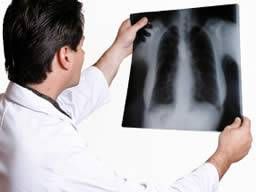
Common tests include spirometry, chest X-rays, CT scans, pulse oximetry, blood tests, sputum tests, allergy testing, bronchoscopy, or lung diffusion studies. Spirometry is especially important for COPD and asthma because it measures airflow. CT scans may help detect tumors, scarring, emphysema, or blood clots. The right test can turn vague symptoms into a clear action plan.
Prevention: How to Protect Your Lungs Before They File a Complaint
The best lung disease strategy is not heroic. It is practical. First, avoid tobacco smoke and get help quitting if needed. Nicotine replacement therapy, prescription medications, counseling, support groups, quitlines, and digital programs can improve success rates.
Second, test your home for radon. Third, check local air-quality reports, especially during wildfire season or high-ozone days. On poor air days, limit heavy outdoor exercise, use high-quality indoor filtration if available, and keep windows closed when pollution is high.
Fourth, stay current on recommended vaccines. Flu, pneumococcal, COVID-19, and RSV vaccination may be especially important for older adults and people with chronic lung or heart disease. Vaccine recommendations can vary by age and risk, so it is smart to ask a healthcare provider which ones apply.
Fifth, move your body. Exercise cannot cure every lung disease, but it can improve endurance, muscle strength, circulation, mood, and overall resilience. People with diagnosed lung disease may benefit from pulmonary rehabilitation, a supervised program that combines exercise, education, breathing techniques, and support.
Treatment Is Better Than “Just Living With It”
Many people accept breathing problems as normal. That is a mistake. Depending on the condition, treatment may include inhalers, oxygen therapy, pulmonary rehabilitation, antibiotics, antivirals, anti-inflammatory medications, targeted cancer therapy, surgery, radiation, lifestyle changes, or treatment for related heart problems.
For asthma, the goal is to prevent attacks and control inflammation. For COPD, treatment focuses on symptom relief, fewer flare-ups, and better quality of life. For lung cancer, treatment depends on type, stage, genetic markers, and overall health. For pulmonary fibrosis, medications may slow scarring in certain cases. For infections, early treatment can prevent complications.
The key message is simple: do not wait until breathing becomes a full-time project. Earlier care often means more options.
Experiences Related to Lung Diseases Most People Don’t Talk About
People who live with lung disease often describe a strange emotional pattern: first confusion, then adjustment, then a new respect for ordinary air. One person may notice they no longer race up stairs, but instead pause halfway and pretend to check a text message. Another may keep a rescue inhaler in every bag, drawer, and mysterious kitchen corner where pens also go to retire. Someone with COPD may learn that shower steam can feel like a tropical vacation for everyone else and a breathing challenge for them.
Caregivers have their own experiences. They may become experts at reading tiny signs: a cough that sounds different, a slower walk to the mailbox, a little more fatigue after dinner. They learn the importance of medication schedules, clean filters, avoiding strong fragrances, and planning outings around weather and air quality. A family picnic may include sunscreen, sandwiches, and a quick check of the Air Quality Index. Not glamorous, but neither is wheezing next to potato salad.
Many people also describe guilt or embarrassment, especially if smoking played a role. But shame is useless medicine. It does not open airways, repair tissue, or schedule appointments. What helps is support: a doctor who explains clearly, a quit-smoking plan that fits real life, family members who do not lecture, and friends who understand that canceling plans during a flare-up is not laziness.
Another common experience is fear of oxygen therapy. Some people worry it means life is “over.” In reality, oxygen can help people move, sleep, think, and function better when blood oxygen is low. It is not a defeat. It is equipment, like glasses for vision or a cane for balance. Nobody accuses eyeglasses of being dramatic.
People with lung disease often become excellent planners. They know which stores have benches, which parking lots are too large, which cleaners trigger coughing, and which relatives wear enough perfume to qualify as a small weather event. Over time, they learn that protecting lung health is not about hiding from life. It is about designing life with breathing in mind.
The most hopeful stories usually begin with one decision: asking for help. A chronic cough gets checked. A smoker calls a quitline. A homeowner tests for radon. A worker asks about respiratory protection. A person with shortness of breath gets spirometry. These steps may look small, but they can change the entire story. Lung disease is serious, but silence makes it stronger. Awareness gives people back some controland sometimes, a lot more breath.
Conclusion
Lung diseases are among the most overlooked health threats in America. They do not always arrive loudly. They may begin with a cough, a wheeze, fatigue, or a small change in stamina. But conditions such as COPD, lung cancer, asthma, pneumonia, pulmonary fibrosis, and occupational lung disease can become life-changing or life-threatening without early attention.
The message is not to panic every time you cough. The message is to pay attention when breathing changes persist, worsen, or interfere with normal life. Your lungs are not luxury accessories. They are essential equipment. Protect them from smoke, test for radon, watch air quality, reduce workplace exposures, stay current on vaccines, and seek medical care when symptoms linger. The earlier lung disease is recognized, the better the chance to breathe easier, live stronger, and keep doing the ordinary things that make life feel normal.
Note: This article is for educational purposes and is not a substitute for professional medical advice, diagnosis, or treatment. Anyone with persistent or severe breathing symptoms should contact a qualified healthcare professional.