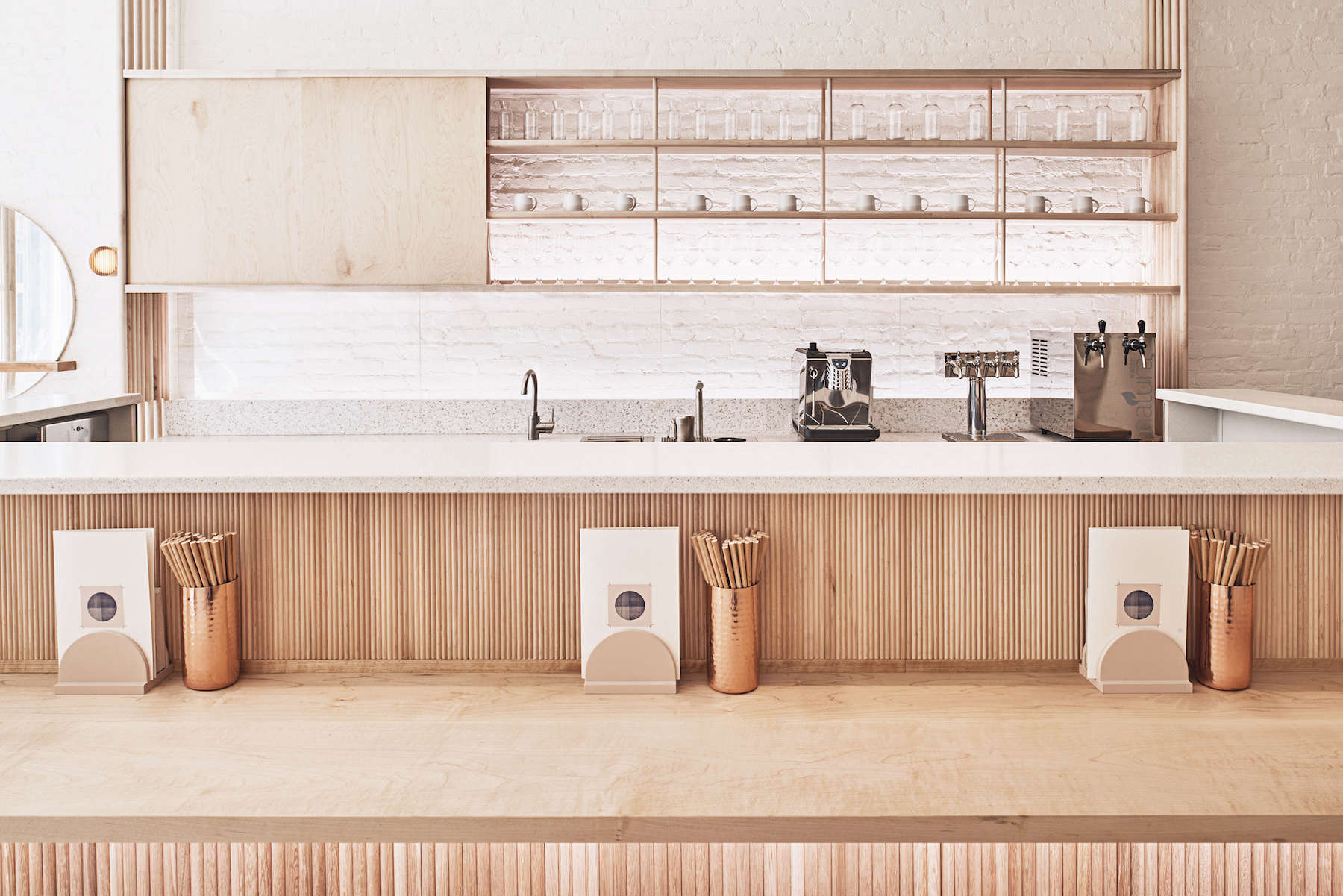

Some restaurants feel like an event. Others feel like a tiny vacation with soy sauce. Nami Nori, tucked into the West Village on Carmine Street, belongs to the second camp. It is the kind of place that makes you forget, briefly and gloriously, that New York is loud, expensive, and fully committed to making you walk faster than your natural speed. Inside, the mood softens. The room is light, airy, and calm. The hand rolls arrive like edible little sculptures. And the whole experience lands somewhere between stylish neighborhood hangout and polished Japanese dining room with a very good playlist.
That balance is exactly why Nami Nori has become such a conversation starter in New York dining. It is not trying to be the stiff, whisper-only sushi shrine where one wrong move makes you feel like you insulted an ancestral tuna. It is also not trying to be a gimmick factory dressed in minimalist wood. Instead, Nami Nori takes serious technique and wraps it in something friendlier, brighter, and more playful. The result is a Japanese restaurant with a beachy vibe, a signature point of view, and enough personality to feel special without becoming exhausting.
Why Nami Nori Stands Out in the West Village
The West Village is not exactly suffering from a shortage of good-looking restaurants. This neighborhood has charm pouring out of every brick, candle, and carefully curated sidewalk table. So for a place to feel memorable here, it needs more than pretty lighting and a reservation system that causes emotional damage. Nami Nori has that extra thing: a clear identity.
The restaurant is best known for its open-style temaki, a format that gives the traditional hand roll a fresh visual and textural twist. Instead of a tightly closed cone, the nori stays open, almost taco-like, allowing fillings, garnishes, and sauces to show off a little. It is a smart idea because the rolls are easier to eat, more striking to look at, and better able to highlight contrasting textures. Crispy bits stay crispy. Sauces can be more expressive. Delicate toppings do not disappear into a seaweed tunnel like they are entering a tiny flavor cave.
That design-first approach could have turned into empty food theater, but Nami Nori avoids that trap by making the rolls genuinely satisfying. This is not style over substance. It is style with substance, which is the culinary equivalent of a person who is both funny and actually texts back.
A More Relaxed Kind of Japanese Dining
One of the smartest things about Nami Nori is that it lowers the pressure without lowering the standards. The team behind the restaurant comes from elite fine-dining backgrounds, including time at Masa, but the mood here is more democratic. You can come in for a casual dinner, a date night, a birthday, or a spontaneous “I survived this week” meal. You do not need to prepare for the experience like you are defending a thesis on sushi etiquette.
That sense of accessibility matters. Nami Nori helped push the idea that Japanese food in New York can be thoughtful and high quality without demanding a ceremonial level of seriousness. The flavors are precise, the ingredients are handled with care, and the menu still feels open to people who just want to have a good time. In a city where sushi can quickly turn into a budgeting crisis, that balance is part of the appeal.
The Beachy Vibe Is Not an Accident
The phrase “beachy vibe” gets thrown around so much in restaurant writing that it often means absolutely nothing. A rattan chair appears and suddenly everyone starts acting like they are dining in Malibu. Nami Nori earns the description more honestly. The official design language has been described as evoking the relaxed comfort of a beach house, and that tracks the moment you step inside.
The room feels washed in pale woods, soft tones, and easy light. There is a calm, breezy quality to the space that plays nicely against the energy of the West Village outside. It does not scream “theme restaurant.” It whispers “you could stay here for another round.” The effect is especially charming because it contrasts with the precision of the food. The room says sandals and sunlight. The hand rolls say technique, training, and knife skills. Together, they make sense in a way that sounds unlikely on paper and obvious in person.
A Calm Respite on Carmine Street
Location matters here too. Carmine Street has plenty of personality, and Nami Nori benefits from being part of that lively downtown texture while still offering a little escape from it. The restaurant feels rooted in the neighborhood, not parachuted in from some generic design lab. It belongs to the West Village because it understands what people want from the area: something polished, yes, but also warm, social, and easy to love.
There is something almost strategic about the way the atmosphere works. New York dining can often ask you to choose between two extremes: austere culinary temples or chaotic fun spots where the food is secondary to the scene. Nami Nori threads the needle. It is visually polished enough for the style-conscious crowd, but welcoming enough that you do not feel like you are performing your dinner.
What to Eat at Nami Nori
If you go to Nami Nori and somehow leave without ordering temaki, that is between you and your higher power. The open-style hand rolls are the reason the restaurant became a standout in the first place, and they remain the center of the experience. What makes them memorable is not just the format, but the range of flavors the kitchen builds around it.
Classic-minded diners can stay close to familiar territory with combinations built around pristine fish and clean seasoning. But the more expressive rolls are often the most fun. Examples that have drawn praise include tuna poke with crispy shallots, salmon with tomato and onion cream, sea bass with daikon and sauce-driven brightness, and scallops with richer, savory accents like XO sauce. There are also crunchy signatures, seasonal riffs, and enough variation to make a sampler feel like the best form of low-risk commitment.
More Than a Hand Roll Counter
Nami Nori also understands that a successful meal needs rhythm. That is why the menu is not limited to hand rolls alone. Japanese-inspired snacks, appetizers, soups, and sides help round out the table. A bowl of miso clam soup can add warmth and depth. Crisp, snackable sides can bring contrast. The drinks list, with sake, beer, and wine, supports the menu without turning the whole affair into a lecture. Even the non-roll items feel aligned with the restaurant’s identity: thoughtful, crowd-pleasing, and a little bit breezy.
Another point in its favor is the dedicated vegan section, which is not a decorative afterthought. That matters because it signals how Nami Nori thinks about hospitality. The restaurant is built around the pleasure of variety, and a broader menu makes the place easier to enjoy in a group. It is the kind of detail that helps explain why so many people return. A good restaurant gets you in the door once. A flexible, well-designed one makes itself part of your regular rotation.
The Team Behind the Restaurant
Nami Nori did not emerge from nowhere. The founders, Taka Sakaeda, Jihan Lee, and Lisa Limb, built their reputations in rarified corners of Japanese fine dining. That background matters, but what matters more is what they chose to do with it. Instead of reproducing luxury in its most intimidating form, they translated it into something more inclusive.
That choice gives Nami Nori its heartbeat. The restaurant is not anti-tradition, and it is not trying to flatten Japanese cuisine into trend bait. It respects technique, quality, and structure. But it also understands that hospitality is not only about excellence; it is about how that excellence is shared. The founders’ decision to create a more casual, more accessible temaki bar is a big part of why the concept resonated so quickly.
Recognition Without Losing Its Personality
Nami Nori has earned the kind of praise that can easily make a restaurant lose its cool. It has received strong critical attention, and Michelin has recognized it with a Bib Gourmand distinction for quality and value. The impressive part is that the place still sounds, looks, and feels like itself. It has not become self-important. It has not drifted into trying-too-hard territory. It still sells the same core fantasy: really good Japanese food in a room that feels light, modern, and effortlessly relaxing.
That consistency is harder than it looks. Plenty of buzzy New York restaurants thrive on novelty, then wobble once the first wave of excitement passes. Nami Nori has had more staying power because its identity is built on something sturdier than hype. It knows what it is, and more importantly, it knows what mood it wants to create.
Who Should Try Nami Nori?
Nami Nori works for several kinds of diners at once, which is rare. If you are a sushi enthusiast, the technique and quality make it worth your time. If you are a design-minded diner who picks restaurants partly with your eyes, the space absolutely delivers. If you are simply someone who wants a smart, upbeat meal in the West Village without the emotional labor of decoding a hyper-exclusive omakase menu, this place is almost suspiciously well calibrated.
It is also a good restaurant for people who like food that sparks conversation without becoming a TED Talk. The open-style temaki is visually distinct enough to feel fun, but the concept is not so weird that it gets in the way of dinner. That may be Nami Nori’s most underrated strength. It gives you something to remember without asking you to admire the concept more than the meal.
Final Thoughts
Nami Nori captures a very specific kind of New York magic. It takes serious culinary experience, sharp design instincts, and a crowd-friendly format, then packages all of that into a restaurant that feels fresh instead of forced. In the West Village, where charm is abundant but originality can be slippery, that is no small feat.
If you are looking for a Japanese restaurant with a beachy vibe, Nami Nori is not just a catchy headline candidate. It is the real thing. The room feels like a pause button. The hand rolls are clever without being gimmicky. The menu has enough depth to keep returning diners interested. And the overall experience lands in that sweet spot every restaurant wants and few actually reach: memorable, delicious, stylish, and easy.
In other words, Nami Nori does something wonderfully difficult. It makes dinner feel polished, but never precious. That alone deserves a little applause. Or at least an extra hand roll.
Extended Experience: What It Feels Like to Spend an Evening at Nami Nori
Walking into Nami Nori feels a little like walking into the version of yourself that has better taste, better posture, and somehow never misses the subway. The first impression is not dramatic; it is soothing. The light wood, soft colors, and clean lines do not beg for attention. They win it quietly. The room gives you permission to exhale. In a neighborhood where restaurants can feel packed with either tourists, influencers, or men loudly explaining natural wine, that is a serious achievement.
Then the food starts arriving, and the mood shifts from pleasant to genuinely fun. Temaki is naturally interactive. You notice the shape first, then the color, then the small details that tell you someone in the kitchen is paying close attention. The open-style presentation creates this tiny moment of appreciation before every bite. It is not fussy. It is more like the food gives you a second to admire it before disappearing, which, frankly, is generous.
The best part of the experience is how approachable it all feels. You do not need to be a sushi expert to enjoy the menu. You do not need to know the backstory of every ingredient or pretend you can detect the emotional arc of the rice. You can simply order a set, add a few things for the table, sip something cold, and have a very good evening. Nami Nori is elegant in the way a favorite linen shirt is elegant: relaxed, flattering, and suspiciously easy to wear.
There is also a social rhythm to the place that works especially well for small groups and date nights. The hand rolls invite sharing, comparison, and casual debate. Someone will absolutely announce a favorite after bite two. Someone else will insist the side dish was the sleeper hit. If you are dining with a person you like, Nami Nori gives you plenty to talk about without ever demanding that you talk over the room. The atmosphere has energy, but it is not chaotic. You can still hear your dinner companion, which should not feel like a luxury in New York, yet somehow does.
And then there is the lingering effect. Some restaurants are enjoyable while you are there and vanish from memory before dessert. Nami Nori tends to stick. Maybe it is the contrast between the beach-house calm and the precise Japanese flavors. Maybe it is the visual distinctiveness of the rolls. Maybe it is simply that the restaurant understands hospitality on a human level. Whatever the reason, people leave talking about it in a way that sounds personal, not performative. They remember the room, the textures, the ease of the meal, the cleverness of the format, and the sense that they discovered a place that feels cooler than it needs to be. That, ultimately, is the Nami Nori experience: relaxed but polished, playful but serious, memorable without ever trying too hard.