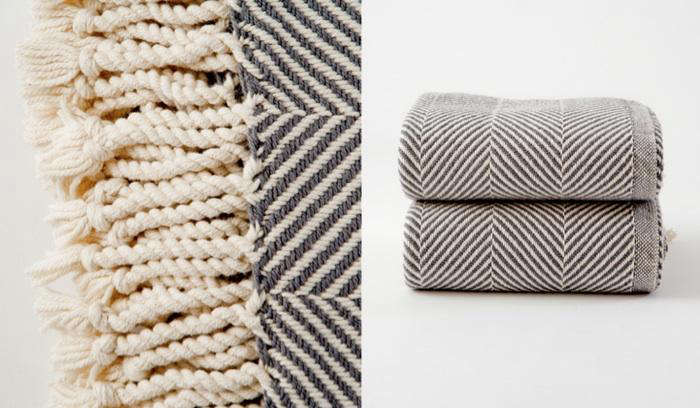

A natural herringbone blanket is the kind of home essential that quietly does everything right. It looks polished without trying too hard, feels cozy without swallowing you whole, and brings a timeless woven texture into a room faster than you can say, “Why does my sofa suddenly look expensive?” Whether draped across a bed, folded over a reading chair, or wrapped around your shoulders during a movie marathon, this blanket style blends comfort, design, and everyday usefulness in one beautifully patterned package.
The phrase “natural herringbone blanket” usually refers to a blanket made from natural fibers such as cotton, wool, linen, or a blend of plant- and animal-based materials, woven in a herringbone pattern. That pattern is the distinctive broken zigzag design you may have seen on classic coats, tailored suits, heritage throws, and high-end bedding. It is not loud, but it is never boring. Think of it as the textile version of a raised eyebrow: subtle, smart, and full of character.
In this guide, we will explore what makes a natural herringbone blanket special, how to choose the right one, which materials matter most, how to style it, how to care for it, and why it remains one of the most reliable choices for a cozy, elegant home.
What Is a Natural Herringbone Blanket?
A natural herringbone blanket is a woven blanket made with natural fibers and designed with a herringbone weave. The pattern gets its name from the skeleton of a herring fish because the woven lines resemble small, repeating V shapes. Unlike a simple chevron pattern, herringbone has a broken twill structure, which gives it a more textured and refined appearance.
The “natural” part usually refers to the fiber content. Common options include organic cotton, conventional cotton, wool, merino wool, alpaca, linen, or natural fiber blends. Some blankets are undyed or minimally dyed, while others use soft neutral colors inspired by sand, oatmeal, stone, ivory, wheat, gray, and warm earth tones. Basically, the color palette looks like it owns a ceramic mug and reads design magazines on Sunday morning.
Why the Herringbone Weave Stands Out
Herringbone is more than a decorative pattern. Because it comes from a twill-based weaving method, it can create a blanket with pleasing texture, visual depth, and a flexible hand feel. The broken diagonal lines catch light in subtle ways, making a neutral blanket appear more dimensional than a plain flat weave.
This is one reason natural herringbone blankets work so well in many interiors. They add texture without overwhelming a space. In a minimalist bedroom, they keep things from looking sterile. In a farmhouse living room, they fit right in. In a modern apartment, they soften hard lines and make everything feel less like a furniture showroom and more like a home where people actually relax.
Popular Natural Materials Used in Herringbone Blankets
The material is the heart of any blanket. A beautiful weave is wonderful, but if the fiber feels scratchy, traps too much heat, or falls apart after a few washes, the romance ends quickly. Here are the most common natural fibers used in herringbone blankets and what each one brings to the couch, bed, or chilly porch evening.
Cotton Herringbone Blankets
Cotton is one of the most popular choices for natural herringbone blankets because it is breathable, soft, washable, and versatile. A cotton herringbone blanket can work year-round, especially in homes where a heavy wool blanket feels too warm. It is a practical pick for families, guest rooms, warm climates, and anyone who wants comfort without complicated care instructions.
Organic cotton herringbone blankets are especially appealing to shoppers who want bedding made with certified organic fibers. When shopping, look for clear fiber content and credible certifications rather than vague claims like “eco-inspired” or “earth-friendly,” which can mean everything, nothing, or “we used beige packaging.”
Wool Herringbone Blankets
Wool is the classic cold-weather hero. A wool herringbone blanket offers warmth, structure, and that heritage look associated with mountain cabins, old libraries, and people who know how to build a proper fire. Wool fibers can help regulate temperature and manage moisture vapor, which is why wool often feels warm without being clammy.
Merino wool is softer and finer than many traditional wools, making it a good option for people who love wool’s performance but dislike scratchiness. Lambswool can also feel soft and lofty, while heavier wool blankets provide serious warmth for winter nights. The trade-off is care: wool often needs gentler washing, careful drying, or professional cleaning depending on the label.
Linen Herringbone Blankets
Linen brings a relaxed, breathable, slightly rumpled beauty to home textiles. A linen herringbone blanket may feel crisp at first and soften over time with use and laundering. It is excellent for layered beds, summer styling, coastal interiors, and people who enjoy texture that looks intentionally casual rather than perfectly pressed.
Linen is also strong and absorbent, but it wrinkles easily. That is not a flaw; it is part of linen’s charm. If cotton is the dependable friend who arrives on time, linen is the creative friend who shows up barefoot with fresh bread and somehow makes the room feel cooler.
Alpaca and Luxury Natural Blends
Some natural herringbone blankets use alpaca, cashmere, or blends of wool and cotton. Alpaca can feel lightweight, soft, and warm, while cashmere adds luxury and softness. These blankets are often more expensive and may require more careful maintenance, but they can be wonderful investment pieces for bedrooms, reading corners, and gifts.
Benefits of a Natural Herringbone Blanket
Timeless Style
Trends come and go, but herringbone keeps strolling through the design world like it owns the place. The pattern has a tailored, heritage feel that works with traditional, transitional, modern, rustic, Scandinavian, coastal, and organic-modern interiors. A natural herringbone blanket can make a simple sofa look layered and a plain bed look thoughtfully styled.
Breathable Comfort
Natural fibers are often valued for breathability. Cotton and linen are especially comfortable in warmer seasons, while wool is known for temperature regulation. This makes a natural herringbone blanket useful beyond winter. You can use a lighter cotton version in spring, a linen blend in summer, and a wool herringbone throw when temperatures drop.
Texture Without Clutter
Interior designers often talk about adding texture to a room, but not everyone wants chunky knits, fringe explosions, or pillows that look decorative but function like tiny square bricks. A herringbone blanket adds visual interest in a clean, controlled way. It makes a space feel warmer while keeping the overall look calm.
Durability and Everyday Use
A well-made woven blanket can last for years when properly cared for. Cotton herringbone blankets are often easy to launder and suitable for daily use. Wool blankets, when brushed, aired, and washed correctly, can stay beautiful for a long time. The key is to match the blanket to your lifestyle. A delicate luxury throw may not be the best choice for a sofa ruled by toddlers, popcorn, and a golden retriever named Biscuit.
How to Choose the Best Natural Herringbone Blanket
Check the Fiber Content
Always read the label or product description. “Natural look” does not always mean natural fiber. Some blankets mimic herringbone texture using polyester or acrylic. These can be affordable and easy to care for, but they are not the same as cotton, wool, linen, or alpaca. If your goal is a natural herringbone blanket, look for clear wording such as 100% cotton, organic cotton, wool, merino wool, linen, or a specific natural blend.
Look for Useful Certifications
Certifications can help you evaluate safety and sustainability claims. OEKO-TEX Standard 100 indicates that a textile has been tested for harmful substances. GOTS certification is important for organic textiles because it covers organic fiber content as well as environmental and social criteria during processing. These labels are not required for a blanket to be good, but they can make shopping easier when you want more transparency.
Choose the Right Weight
Blanket weight matters. A lightweight cotton herringbone blanket is excellent for layering or warm climates. A medium-weight throw works well for sofas, guest rooms, and year-round use. A heavier wool herringbone blanket is best for cold nights, cabins, drafty bedrooms, and anyone who considers “blanket season” a personal holiday.
Pick a Size That Fits the Purpose
For a sofa or accent chair, a throw size is usually enough. For a bed, choose a blanket that matches your mattress size or size up if you prefer generous draping. A queen-size natural herringbone blanket can work beautifully across the foot of a king bed as a decorative layer. For guest rooms, a medium-weight cotton version is a safe bet because it suits many sleepers.
Consider Color and Finish
Natural herringbone blankets shine in neutral tones. Ivory, oatmeal, camel, taupe, soft gray, and natural white are easy to style and less likely to feel dated. Darker shades such as charcoal, navy, and forest green can add contrast and sophistication. If you want the most flexible option, choose a two-tone herringbone pattern in a warm neutral. It will get along with nearly everything in your home, including that one chair you bought impulsively and still insist was “a design choice.”
How to Style a Natural Herringbone Blanket
On the Sofa
Drape the blanket over one sofa arm for a casual look, or fold it lengthwise and place it over the back for a cleaner style. Pair a neutral herringbone throw with textured pillows, leather seating, linen upholstery, or a woven basket nearby. The goal is effortless comfort, not a blanket folded so sharply that guests are afraid to touch it.
On the Bed
A natural herringbone blanket looks beautiful layered between sheets and a duvet, folded at the foot of the bed, or used as a lightweight coverlet. In a white bedroom, a beige or gray herringbone blanket adds warmth. In a darker bedroom, a cream or natural cotton blanket brings contrast and softness.
In a Reading Nook
Place a wool or cotton herringbone throw over a lounge chair with a small side table and a lamp. Add a book, tea, and the fantasy that no one will interrupt you for at least 27 minutes. The herringbone texture helps create a cozy destination within the room.
For Seasonal Decorating
In fall, pair a natural herringbone blanket with rust, olive, and warm wood tones. In winter, combine it with flannel sheets, candles, and heavier pillows. In spring and summer, use a lighter cotton or linen herringbone blanket with airy bedding and fresh greenery.
How to Care for a Natural Herringbone Blanket
Care depends on the fiber, so the first rule is simple: read the care label. The second rule is also simple: do not assume every blanket wants to be blasted with hot water and high dryer heat. Natural fibers can shrink, felt, wrinkle, or lose shape if treated roughly.
Cotton Blanket Care
Many cotton herringbone blankets can be machine-washed in cold or warm water on a gentle cycle. Use mild detergent and avoid too much product, which can leave residue in the fibers. Tumble dry on low if the label allows, or air dry to reduce shrinkage and preserve texture. Remove the blanket while slightly damp and reshape it if needed.
Wool Blanket Care
Wool needs a softer approach. Air it outside when possible, shake it gently, and brush off dust or lint. If the label says machine washable, use cold water, a gentle cycle, and wool-safe detergent. Avoid hot water and high heat because wool can shrink or felt. Many wool blankets should be laid flat to dry or professionally cleaned.
Linen Blanket Care
Linen can often be washed gently, but it may shrink if exposed to high heat. Use mild detergent, avoid bleach unless the label specifically allows it, and dry on low or line dry. Expect wrinkles. In fact, welcome them. Linen without wrinkles is like a beach without sand: technically possible, but suspicious.
Storage Tips
Store natural blankets clean and completely dry. Fold them loosely and place them in a breathable cotton storage bag or a linen closet with good airflow. Avoid sealing wool in plastic for long periods because trapped moisture can lead to odors. For wool, consider cedar blocks or lavender sachets to discourage moths, while still checking the blanket regularly.
Natural Herringbone Blanket vs. Other Blanket Styles
A natural herringbone blanket is different from a chunky knit throw, fleece blanket, quilt, or plain woven blanket. Chunky knits are dramatic and cozy but can snag. Fleece is soft and affordable but usually synthetic. Quilts add pattern and structure but may feel more traditional. Plain woven blankets are simple and useful, but they may not offer the same visual texture as herringbone.
The herringbone option sits comfortably in the middle. It is decorative but not fussy, classic but not old-fashioned, cozy but not bulky. That balance makes it a smart choice if you want one blanket that works in multiple rooms and seasons.
Who Should Buy a Natural Herringbone Blanket?
A natural herringbone blanket is a great fit for anyone who wants a practical blanket with elevated style. It is especially useful for people who love neutral decor, breathable bedding, classic patterns, and natural materials. It also makes an excellent housewarming gift, wedding gift, holiday gift, or “I am upgrading my couch because I deserve nice things” gift.
Choose cotton if you want easy care and year-round use. Choose wool if warmth is your priority. Choose linen if you love breathable texture and relaxed elegance. Choose alpaca or cashmere blends if you want something special and luxurious.
Common Mistakes to Avoid
Ignoring the Care Label
The fastest way to turn a beautiful wool herringbone blanket into a dollhouse rug is to wash it carelessly in hot water. Always follow the care label, especially with wool, alpaca, cashmere, and linen.
Buying Only for Looks
A blanket should be touched, used, folded, washed, and loved. If it looks gorgeous but feels uncomfortable, it will spend its life as a decorative rectangle. Consider softness, weight, breathability, and maintenance before buying.
Overlooking Scale
Large herringbone patterns can feel bold and rustic, while smaller patterns look more refined. For a small room, a subtle herringbone weave may be easier to style. For a large bed or sectional sofa, a bigger pattern can add presence.
of Real-Life Experience With a Natural Herringbone Blanket
Living with a natural herringbone blanket is a little different from buying one just because it looks nice in a product photo. At first, you notice the pattern. The broken zigzag catches your eye, especially when sunlight moves across the fabric. It has that quiet “designer” look, even when the rest of the room includes a coffee mug, a remote control, and one mysterious sock no one is claiming.
After a few days, though, you start appreciating the feel. A cotton herringbone blanket is the one people reach for when they want something light but comforting. It does not feel as heavy as a winter comforter, and it does not have the slippery feel of some synthetic throws. On a sofa, it is easy to fold, easy to shake out, and easy to share. Well, theoretically easy to share. In reality, someone always claims the best corner.
A wool herringbone blanket creates a different experience. It feels more substantial and traditional. On a cold evening, it has a steady warmth that builds gradually instead of trapping heat all at once. This makes it ideal for reading, watching TV, or adding an extra layer to the bed. The best part is how it can make an ordinary room feel grounded. Put a wool herringbone blanket over a leather chair or wooden bench, and suddenly the space looks like it belongs in a cabin retreat, even if the “retreat” is your living room and the view is the neighbor’s recycling bin.
One thing you learn quickly is that texture matters. A natural herringbone blanket is not just about softness; it is about structure. The weave gives the blanket enough body to stay neat when folded, but it still relaxes when used. This makes it more versatile than many fluffy throws that look cozy for five minutes and then collapse into a lint-covered cloud.
Care also becomes part of the experience. Cotton versions are usually the easiest. You can wash them, dry them gently, and put them back into rotation without much drama. Wool versions ask for more respect. They prefer airing, brushing, spot cleaning, and careful washing when needed. That may sound fussy, but it also encourages you to treat the blanket as something worth keeping rather than something disposable.
Styling a natural herringbone blanket is surprisingly satisfying. Fold it across the foot of a bed, and the whole room feels more finished. Drape it over a chair, and the chair looks more inviting. Place it in a basket near the sofa, and guests understand that comfort is not just allowed; it is encouraged. The blanket becomes part of the rhythm of the home. Morning coffee, late-night reading, weekend naps, movie nights, sick days, rainy afternoonsthe natural herringbone blanket shows up for all of it without demanding attention.
That may be the real charm. It is beautiful, but not precious. Useful, but not plain. Classic, but not stiff. A natural herringbone blanket proves that practical home pieces can still have personality. And honestly, any blanket that can keep you warm, improve your decor, and politely hide the fact that your sofa has seen things deserves a permanent place in the house.
Conclusion
A natural herringbone blanket is one of those rare home textiles that combines beauty, comfort, and everyday function. Its woven V-shaped pattern adds subtle sophistication, while natural fibers such as cotton, wool, linen, and alpaca offer breathable comfort and long-lasting appeal. Whether you want a lightweight cotton throw for year-round layering, a warm wool blanket for cold nights, or a relaxed linen accent for summer styling, herringbone brings texture and timeless charm to any room.
The best choice depends on your lifestyle. For easy care, choose cotton. For warmth, choose wool. For airy elegance, choose linen. For luxury, explore alpaca or cashmere blends. Pay attention to fiber content, weight, size, certification, and care instructions, and you will have a blanket that does more than look good in photos. It will become part of your daily comfort.
In a world full of trendy home accessories, the natural herringbone blanket remains refreshingly dependable. It does not shout. It does not sparkle. It simply makes your home feel warmer, softer, and more thoughtfully put together. Sometimes, that is exactly what good design should do.