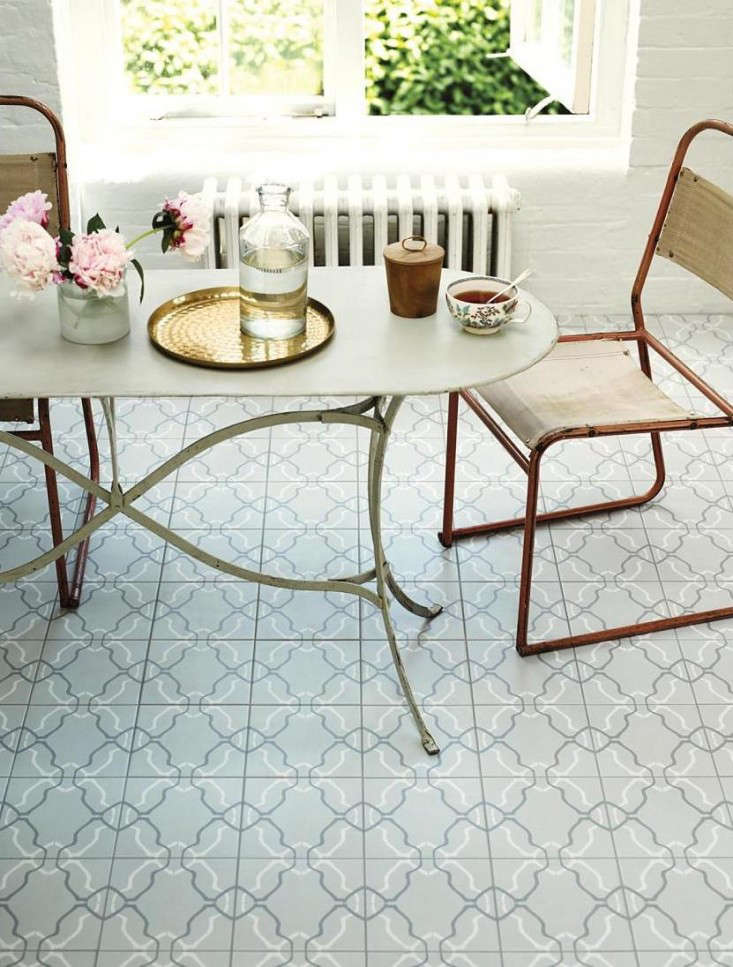

Some tiles politely cover a surface. Neisha Crosland’s Aladdin Granite Tiles do something more interesting: they give a room rhythm, pattern, and a little architectural wink. They are the sort of tiles that make a kitchen backsplash look considered, a hallway feel dressed, and a bathroom suddenly seem like it has been reading design magazines while you were at work.
Designed by British textile and surface pattern designer Neisha Crosland for Fired Earth, Aladdin Granite belongs to the world of decorative porcelain tiles where geometry does not shout; it hums. The design is associated with the Tulia tile range and was known for a soft eggshell, mildly glazed appearance, a delicate granite-gray colorway, and a symmetrical motif inspired by architectural forms. In plain English: it is patterned, elegant, practical, and charmingly grown-up.
Although the original Aladdin Granite tile has been listed as discontinued, it remains worth discussing because it captures a design lesson homeowners, decorators, and tile lovers still need: pattern can be timeless when it is balanced, well-scaled, and grounded in useful material. This is not a tile that depends on a trend cycle. It does not need neon grout, a viral TikTok renovation, or a dramatic before-and-after montage with suspiciously perfect lighting. It simply understands proportion.
What Are Neisha Crosland’s Aladdin Granite Tiles?
Neisha Crosland’s Aladdin Granite Tiles were part of a porcelain tile range created in collaboration with Fired Earth. The collection featured soft colors, slight variation, no crazing, no sealing requirement, and a square format measuring approximately 20 x 20 x 0.8 centimeters. The tiles were suitable for walls and floors in kitchens, bathrooms, and hallways, making them more than just decorative eye candy.
The word “Granite” in the name refers to the colorway, not to the tile being carved from natural granite stone. That distinction matters. Natural granite is porous and generally requires sealing, while glazed porcelain is usually lower-maintenance and more moisture-resistant. So, if you are picturing a quarry, a chisel, and someone dramatically yelling “bring me the granite,” take a gentle step back. This is porcelain with a granite-toned visual personality.
Who Is Neisha Crosland?
Neisha Crosland is a London-based textile and surface pattern designer known for sophisticated color combinations, symmetrical motifs, oversized graphics, and patterns that often borrow from nature, architecture, historical ornament, and global decorative traditions. Her work has appeared across wallpapers, fabrics, rugs, carpets, tiles, vinyl flooring, porcelain, accessories, and other interior products.
Crosland studied textile design and built a career around the idea that pattern is not merely decoration. In her world, pattern is structure. It can control pace, guide the eye, soften a space, or give an ordinary surface the kind of personality usually reserved for eccentric aunts and very confident wallpaper.
That is why her tile designs feel different from generic patterned tiles. They are not just shapes repeated until the manufacturer runs out of clay. They have an internal logic: balance, movement, and restraint. Aladdin Granite is a perfect example because its pattern is noticeable without being noisy.
The Design Language of Aladdin Granite
The Aladdin Granite tile works because it combines three design strengths: geometry, softness, and architectural reference. Its motif appears symmetrical and ordered, but the softened glaze and gray-toned palette keep the pattern from feeling rigid. It has structure, but not the emotional temperature of a spreadsheet.
1. A Geometric Pattern With a Gentle Voice
Geometric tile can sometimes become bossy. Put the wrong bold pattern on a floor and suddenly the room feels like it is hosting a math competition. Aladdin Granite avoids that problem by using a refined repeat and a restrained colorway. The pattern gives the surface movement, while the soft granite tone lets furniture, fixtures, wood, metal, and paint colors share the stage.
2. A Soft Eggshell Finish
The mildly glazed, eggshell-like appearance is one of the reasons the tile feels refined. A high-gloss decorative tile can be beautiful, but it can also bounce light around like it has had too much coffee. A softer finish is easier to live with because it gives dimension without overwhelming the room.
3. A Colorway That Plays Nicely
Granite gray is practical in the best sense. It pairs naturally with off-white cabinetry, black hardware, unlacquered brass, pale oak, walnut, limestone, plaster walls, and even richer colors like deep green or navy. It is neutral, but not boring. Think of it as the quiet guest at dinner who says one brilliant thing and suddenly everyone wants to sit next to them.
Where These Tiles Work Best
Because Aladdin Granite was designed as a porcelain wall and floor tile, it can suit multiple areas of the home. The key is deciding whether you want the tile to act as a feature, a foundation, or a subtle layer of texture.
Kitchen Backsplashes
A kitchen backsplash is one of the easiest places to use patterned tile well. The surface area is usually limited, which means the pattern can make an impact without taking over the entire room. Aladdin Granite would look especially good behind a range, above a marble or quartz countertop, or paired with simple Shaker-style cabinets.
For a modern kitchen, combine it with matte black fixtures and flat-panel cabinetry. For a more traditional kitchen, pair it with warm white cabinets, open shelving, and aged brass. For a farmhouse-inspired kitchen, use it behind a sink with natural wood and simple ceramic accessories. The tile has enough historical flavor to feel at home in classic spaces, but enough geometry to stay fresh in contemporary ones.
Bathroom Floors
Patterned bathroom floors are having a long, deserved moment. A decorative floor can make a compact bathroom feel intentional rather than merely small. Aladdin Granite’s gray palette would help disguise everyday dust and water marks better than a bright white floor, while still keeping the room airy.
To avoid visual overload, pair a patterned floor with calmer wall tile. White subway tile, handmade-look ceramic, warm plaster, or a painted wall can all work. The goal is not to make every surface compete. A bathroom should not feel like three design ideas got trapped in an elevator.
Hallways and Entryways
Hallways are underrated design opportunities. They are transitional spaces, yes, but they also set the mood for the home. A patterned porcelain floor in a hallway can create a sense of arrival. Because porcelain is valued for moisture resistance and durability, it makes sense in areas that receive shoes, umbrellas, muddy paws, and the occasional grocery bag failure.
In an entryway, Aladdin Granite would work with a black front door, a slim console table, a vintage mirror, and walls painted in warm white or muted gray-green. Add a woven basket for shoes and suddenly the entry looks styled instead of merely survived.
Why Porcelain Matters
The beauty of Aladdin Granite is important, but the material is part of the appeal. Porcelain tile is dense, durable, and low in water absorption, which is why it is commonly chosen for kitchens, bathrooms, and other moisture-prone areas. It can provide the decorative charm of patterned surfaces while still being practical enough for real life.
This is especially useful for homeowners who love the look of artisan or historic tile but do not want a surface that requires constant emotional support. Porcelain can be easier to maintain than many natural stones, and glazed porcelain generally does not need sealing in the same way porous materials do.
That said, installation matters. A beautiful tile installed badly is like a designer suit worn with one shoe. Proper substrate preparation, appropriate mortar coverage, grout spacing, and professional workmanship are essential. Decorative porcelain deserves careful layout planning, especially where the pattern repeats across floors or walls.
How to Style Aladdin Granite Tiles
The secret to styling a patterned tile is contrast. If the tile is detailed, let surrounding materials breathe. If the color is soft, introduce texture. If the pattern is symmetrical, add a few organic shapes so the room does not feel too controlled.
Pair With Warm Whites
Warm white walls or cabinetry help the granite-gray pattern look gentle rather than cold. Avoid stark, blue-white paint unless the room has plenty of natural light and warmer accents. A creamy white can make the tile feel collected and elegant.
Add Natural Wood
Wood is the perfect partner for gray patterned tile. Oak, walnut, and even reclaimed pine add warmth and prevent the room from drifting into chilly territory. A wood vanity, open kitchen shelf, or antique bench can soften the geometry beautifully.
Use Brass or Bronze Hardware
Brass and bronze add a subtle glow against gray. Polished chrome can work in bathrooms, but aged brass gives the pattern a richer, more layered look. The combination feels classic without turning the room into a museum exhibit where nobody is allowed to touch anything.
Keep Grout Thoughtful
Grout can change everything. A grout color close to the tile background creates a softer, more seamless look. A darker grout emphasizes the square format and can make the installation feel more graphic. For Aladdin Granite, a mid-gray or warm light gray would usually be safer than bright white, especially on floors.
Design Mistakes to Avoid
Even beautiful tiles can be misused. Aladdin Granite has enough pattern to carry a room, so the surrounding design should support it rather than wrestle it into submission.
Do Not Combine Too Many Competing Patterns
Pattern mixing can be wonderful, but it needs hierarchy. If the floor is Aladdin Granite, avoid pairing it with a loud wallpaper, busy countertop, and dramatic shower curtain unless your goal is “boutique hotel lobby during a thunderstorm.” Choose one star and let the rest be the supporting cast.
Do Not Ignore Layout
With symmetrical tiles, layout is everything. Before installation, dry-lay the tile or create a layout plan. Center the pattern where it matters most: along a hallway axis, behind a stove, under a vanity, or at the entrance to a room. Awkward cuts in the wrong place can make even expensive tile look accidental.
Do Not Forget Lighting
Soft gray tiles can look different depending on light. Natural daylight may bring out the subtle glaze, while warm artificial lighting can make the surface feel cozier. Before committing to paint, grout, and fixtures, view samples under the actual lighting conditions of the room.
Care and Maintenance Tips
For glazed porcelain tile, regular maintenance is refreshingly simple. Sweep or vacuum floors to remove grit. Mop with warm water and a gentle cleaner. For backsplashes, wipe grease promptly with a mild dish soap solution and a microfiber cloth. Avoid abrasive pads, harsh chemicals, and cleaners that can dull or scratch the finish.
Bathrooms need extra moisture control. Use ventilation, dry surfaces when possible, and keep grout lines clean. Even if the tile itself is low-maintenance, grout can collect soap residue, mineral buildup, and mildew if ignored. The tile may be elegant, but grout is still grout. It has no shame and will absolutely show you where you have been lazy.
What to Do If You Cannot Find the Original Tile
Because Neisha Crosland’s Aladdin Granite Tiles have been listed as discontinued, sourcing the original product may require patience. Homeowners can look for leftover stock, architectural salvage, secondhand listings, or similar current tiles from Neisha Crosland collaborations and other decorative porcelain makers. The important thing is to search by design qualities, not only by product name.
Look for square porcelain tiles around 8 inches, soft gray or granite colorways, symmetrical motifs, architectural references, and a gently glazed finish. A close substitute should capture the same mood: refined geometry, quiet color, and enough pattern to make a room feel designed.
Why These Tiles Still Feel Relevant
Aladdin Granite continues to feel relevant because it avoids the usual traps of trendy tile. It is not overly colorful, not aggressively rustic, not minimal to the point of boredom, and not so ornate that it demands velvet furniture and a mysterious inheritance. It sits in a rare middle ground: decorative but calm, classic but not dusty, practical but not plain.
That balance is what many homeowners want now. People are moving away from completely sterile interiors and toward rooms with texture, pattern, and personality. At the same time, nobody wants a home that looks dated before the grout dries. Aladdin Granite offers a useful model: choose pattern with history, color with restraint, and material with real function.
Experience-Based Reflections: Living With a Tile Like Aladdin Granite
Spending time with a patterned tile like Neisha Crosland’s Aladdin Granite teaches you something that a showroom visit cannot: the best decorative surfaces change throughout the day. In morning light, the soft granite tone can feel crisp and fresh. By evening, especially under warm lamps, the pattern settles into the background and becomes more atmospheric. That is the quiet magic of a tile with restraint. It performs without tap dancing on the countertop.
In a kitchen, this kind of tile is especially satisfying because it gives personality to the work zone without turning daily cooking into a visual circus. Imagine making coffee in front of an Aladdin Granite backsplash. The pattern gives the wall structure, but it does not argue with the kettle, the cutting board, the stack of plates, or the suspiciously large number of mugs one household somehow collects. It makes ordinary routines feel a little more designed.
On a bathroom floor, the experience is different but equally appealing. A gray patterned porcelain tile can make a small bathroom feel complete before you add much else. You do not need an elaborate vanity or dramatic wall color because the floor already provides movement. Add a white sink, a simple mirror, a warm towel, and one good wall light, and the room feels intentional. Not expensive for the sake of being expensive. Just thoughtful.
Hallways may be where this style of tile earns its keep most quietly. Entry floors deal with rain, shoes, deliveries, pets, and all the little collisions of real life. A patterned gray tile is forgiving in a way plain pale flooring rarely is. It can hide a little dust between cleanings and still look composed. That matters because beautiful homes are not staged photographs; they are places where people drop keys, rush out late, and occasionally track in leaves like indoor raccoons with calendars.
The main lesson from working with a tile like Aladdin Granite is to give it space. Do not bury it under clutter or force it to compete with every other surface. Let it be the pattern moment. Keep nearby materials honest: wood, plaster, simple paint, natural textiles, unfussy metalwork. The tile already has enough intelligence in its design. It does not need ten accessories shouting, “Look, I am also interesting!”
Another practical experience: samples matter. Pattern scale can surprise you. A tile that looks subtle in a product photo may feel bolder across a whole floor, while one that looks busy online may become beautifully calm once installed in a grid. Always test the tile against cabinet colors, countertop samples, wall paint, and lighting. The most expensive mistake in design is not choosing the wrong style; it is choosing the right style in the wrong context.
Finally, Aladdin Granite reminds us that tile is not merely a finish. It is part of the architecture of a room. It affects movement, mood, light, and memory. A well-chosen patterned tile becomes something you notice in small moments: while brushing your teeth, rinsing a glass, stepping inside from the rain, or leaning against the counter while waiting for toast. Good design does not always announce itself. Sometimes it just makes ordinary life look better dressed.
Conclusion
Neisha Crosland’s Aladdin Granite Tiles are a strong example of how decorative porcelain can be elegant, practical, and enduring. Their soft gray colorway, architectural geometry, and gentle glazed finish make them adaptable for kitchens, bathrooms, hallways, and other spaces that need pattern without chaos.
Even though the original tile has been discontinued, its design principles remain highly useful. Choose balanced pattern. Respect scale. Pair cool tones with warm materials. Plan the layout carefully. Maintain the tile with gentle products. Most of all, let the surface contribute to the room’s character instead of treating it as an afterthought.
In a world full of surfaces trying too hard, Aladdin Granite still feels quietly confident. It is proof that a tile can be decorative without being dramatic, practical without being plain, and timeless without acting like it knows better than everyone else.