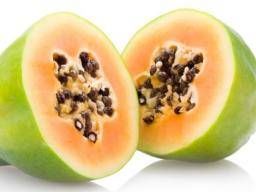

Papaya looks like a tropical fruit designed by someone who thought cantaloupe needed brighter colors, softer flesh, and a pocket full of peppery black seeds. Beneath that cheerful orange interior, however, is a useful mix of vitamin C, carotenoids, folate, fiber, potassium, water, and natural plant compounds.
Also known botanically as Carica papaya, papaya originated in tropical regions of Central America and is now cultivated in warm climates around the world. It can be eaten ripe and sweet, shredded while green, blended into drinks, spooned over yogurt, turned into salsa, or used as a natural meat tenderizer. Few fruits manage to appear at breakfast, dinner, dessert, and a backyard barbecue without looking confused.
Still, papaya is not a miracle medicine wearing a fruit costume. Its nutrients can support a healthy diet, but papaya cannot cure cancer, eliminate parasites, “detox” the body, or replace prescribed treatment. It also carries several legitimate risks, especially for people with latex allergies, those taking certain medications, and anyone experimenting with concentrated papain supplements.
What Is Papaya?
Papaya grows on a tall, tree-like tropical plant with a hollow-looking trunk and large leaves. Although people commonly group it with melons, botanically the fruit is considered a berry. Depending on the variety, papayas may be small enough for one person or large enough to make the produce clerk question your weekend plans.
An unripe papaya has firm green skin and pale, crunchy flesh. As it ripens, the skin becomes increasingly yellow or orange, while the flesh softens and develops its familiar sweet, musky flavor. A ripe papaya should yield slightly when pressed, much like a ready-to-eat avocado. If it feels like a bowling ball, it needs more time. If your finger nearly disappears into it, that time has passed.
Papaya Nutrition: What Is Inside the Fruit?
A small papaya weighing about 152 to 157 grams provides roughly 67 to 68 calories, 17 grams of carbohydrates, around 3 grams of fiber, less than 1 gram of fat, and approximately 1 gram of protein. It also contains about 95 to 98 milligrams of vitamin C, 286 milligrams of potassium, folate, magnesium, calcium, and carotenoid pigments such as beta-carotene and lycopene.
Those numbers make papaya a nutrient-dense food rather than a complete meal. It offers plenty of micronutrients for relatively few calories, but it does not provide enough protein or fat to keep most people satisfied for hours. Pairing it with Greek yogurt, cottage cheese, nuts, eggs, or another protein-rich food creates a more balanced breakfast or snack.
Vitamin C
A small papaya can supply approximately a full day’s Daily Value of vitamin C. The body uses vitamin C to make collagen, support normal immune function, assist wound healing, protect cells from oxidative damage, and improve the absorption of nonheme iron from plant foods.
That does not mean eating papaya creates an invisible shield against every cold circulating through the office. Vitamin C supports normal biological functions; it does not make the immune system invincible.
Carotenoids and Vitamin A Activity
The orange, yellow, and reddish colors in papaya come partly from carotenoids. Beta-carotene can be converted by the body into vitamin A, a nutrient involved in normal vision, immune function, cell development, and tissue maintenance. Papaya also contains lycopene, an antioxidant pigment found in several red and orange fruits.
These compounds are valuable as part of an overall produce-rich eating pattern. Claims that one particular antioxidant can independently prevent heart disease, reverse aging, or stop cancer are considerably less convincing. Nutrition works more like a team sport than a superhero movie.
Folate
Papaya provides folate, also called vitamin B9. Folate participates in DNA synthesis, amino-acid metabolism, cell division, and red blood cell formation. Adequate folate is especially important before and during early pregnancy, although papaya alone cannot replace a prenatal vitamin or a clinician’s folic acid recommendation.
Fiber, Water, and Potassium
The combination of water and dietary fiber can support regular bowel movements and contribute to fullness. Potassium plays a role in fluid balance, nerve signaling, muscle contraction, and normal blood pressure regulation. Papaya contributes to potassium intake, but it is not a high-dose treatment for hypertension.
Potential Health Benefits of Papaya
1. It May Support Digestive Health
Papaya contains fiber and a protein-digesting enzyme called papain. Papain is particularly concentrated in the latex of unripe fruit and can break large proteins into smaller components. This property explains why papaya-derived enzymes have long been used to tenderize meat.
Eating ripe papaya may feel easier on the stomach than heavier desserts, and its fiber can help support bowel regularity. However, evidence that papain supplements reliably treat bloating, indigestion, irritable bowel syndrome, or other digestive disorders remains limited. Over-the-counter enzymes are not automatically necessary simply because digestion becomes dramatic after a large dinner.
2. It Supports Normal Immune Function
Papaya’s vitamin C, vitamin A precursors, folate, and other plant compounds contribute nutrients used by the immune system. Regularly eating fruit can help people meet nutrient needs that support normal immune responses.
The important phrase is support normal function. Papaya does not cure viral or bacterial infections. A bowl of fruit may be a nourishing choice when appetite is poor, but it is not a substitute for medical evaluation when symptoms are severe or persistent.
3. It Can Be Part of a Heart-Healthy Diet
Papaya is naturally low in sodium and supplies potassium, fiber, vitamin C, and carotenoids. These characteristics make it compatible with dietary patterns that emphasize fruits, vegetables, legumes, whole grains, and minimally processed foods.
Some laboratory and observational research has explored whether lycopene and other antioxidants may influence oxidative stress, cholesterol, and cardiovascular risk. The findings are interesting but do not prove that papaya itself prevents heart attacks or strokes. Its greatest cardiovascular strength may be much less glamorous: it is a wholesome fruit that can replace a heavily processed snack.
4. It May Help With Fullness and Weight Management
Because papaya contains a large amount of water and relatively few calories, it provides a generous serving volume without an enormous energy load. Its fiber may also slow eating and increase satisfaction compared with juice, candy, or sweet baked goods.
Papaya does not directly “burn belly fat.” No fruit has received that particular engineering upgrade. Weight management still depends on total eating patterns, activity, sleep, medications, medical conditions, and many other factors.
5. It Provides Nutrients Used by the Skin
Vitamin C is required for collagen production, while carotenoids and other antioxidants help protect cells from oxidative damage. Consequently, papaya can contribute to a diet that supports normal skin structure and repair.
Eating papaya is considerably safer than rubbing raw papaya latex or concentrated papain onto the face. Raw enzyme products can irritate the skin, cause blistering, or trigger allergic reactions. Your cheeks are not a science fair.
6. It May Support Eye Health
Papaya contains beta-carotene and other carotenoids associated with normal visual function. Vitamin A is essential for the retina and for the eyes’ ability to adjust to dim light. Eating papaya alongside other colorful produce can help diversify carotenoid intake.
It should not, however, be marketed as a treatment for cataracts, glaucoma, macular degeneration, or sudden vision changes. Those conditions require qualified eye care, not a larger fruit bowl.
7. It Can Fit Into a Diabetes-Friendly Eating Pattern
People with diabetes do not automatically need to avoid papaya because it tastes sweet. Whole fruit contains natural sugar together with water, fiber, and micronutrients. Portion size and the overall meal matter more than whether a fruit tastes like dessert.
A practical serving might be one cup of papaya paired with plain yogurt, nuts, or another source of protein. Juice and sweetened papaya drinks are easier to consume rapidly and may deliver more carbohydrate with less fiber. Anyone using insulin or glucose-lowering medication should follow an individualized meal plan rather than relying on claims that fermented papaya or papaya extracts “lower blood sugar.”
Common Culinary and Practical Uses of Papaya
Ripe Papaya
Ripe papaya can be chilled, halved, seeded, and eaten with a spoon. A squeeze of lime often brightens the flavor and reduces the musky aroma that bothers some first-time eaters. It also works in:
- Fruit salads with pineapple, mango, berries, or citrus
- Smoothies with yogurt, milk, ginger, or banana
- Salsas served with fish, chicken, tacos, or rice bowls
- Overnight oats, chia pudding, and yogurt bowls
- Frozen fruit pops and lightly sweetened sorbets
- Salads with avocado, cucumber, herbs, and lime
Green Papaya
Unripe green papaya has a firm texture and a mild flavor. It is commonly shredded for Southeast Asian salads, added to soups and stews, pickled, or cooked like a vegetable. Unlike ripe papaya, green papaya contains more latex and papain, so people with latex sensitivity should be particularly cautious.
Natural Meat Tenderizer
Papain breaks down proteins, making papaya useful in marinades. A small amount of mashed green papaya can soften tougher cuts of meat. Timing matters: leave it on too long and dinner may acquire the texture of a suspiciously savory pudding.
Papaya Seeds
The black seeds are edible and taste peppery or slightly bitter. Small quantities can be crushed into dressings or used as a seasoning. Eating large amounts is unnecessary and may cause digestive upset.
Papaya Risks and Side Effects
Latex Allergy and Cross-Reactivity
Papaya contains natural latex proteins, particularly when unripe. People with latex allergy may experience cross-reactive symptoms after eating papaya. Reactions can include itching or tingling in the mouth, swelling, hives, wheezing, vomiting, difficulty breathing, or anaphylaxis.
Anyone with a known latex allergy should discuss papaya with an allergist, especially after a previous reaction to banana, avocado, kiwi, chestnut, or other cross-reactive foods. Difficulty breathing, throat swelling, dizziness, or rapidly progressing symptoms require emergency care.
Pregnancy and Unripe Papaya
Ripe papaya eaten in normal food portions is nutritionally different from unripe papaya latex or concentrated papain products. Concerns during pregnancy focus mainly on the high latex content of unripe fruit and on medicinal or supplemental doses of papain.
Human evidence is incomplete, so pregnant people should avoid experimenting with papaya latex, papain supplements, or large medicinal amounts of unripe papaya without guidance from an obstetric clinician. Folate in ripe papaya is useful, but it does not replace prenatal folic acid.
Medication Interactions
Concentrated papaya or papain products may interact with anticoagulants, antiplatelet drugs, diabetes medicines, thyroid medication, or other treatments. Fresh ripe papaya in ordinary portions is not identical to a high-dose extract, but people taking warfarin or other medications with narrow dosing requirements should ask their pharmacist or clinician before using papain supplements.
Digestive Upset
Eating a reasonable portion of ripe papaya is well tolerated by most people. Large portions, excessive seeds, concentrated enzymes, or a sudden increase in fiber may cause cramps, nausea, loose stools, or diarrhea. More is not always healthier; occasionally, more is simply a longer afternoon.
Papaya Seeds Are Not a Proven Parasite Cleanse
Small studies have explored papaya seeds against intestinal parasites, but the evidence is not strong enough to recommend them as a safe or effective treatment. Large amounts may also expose users to undesirable natural compounds and gastrointestinal side effects.
Suspected parasites require proper diagnosis because diarrhea, weight loss, abdominal pain, anemia, and nausea can result from many unrelated conditions. Replacing medical testing with a viral “cleanse” can delay effective care.
Raw Papain Can Irritate Skin and Tissue
Raw papaya latex and concentrated papain can irritate the mouth, esophagus, stomach, and skin. The FDA has previously raised safety concerns about certain unapproved topical drug products containing papain. Homemade papaya masks and wound remedies should therefore be approached with considerably less enthusiasm than a bowl of ripe fruit.
How to Select, Ripen, Store, and Prepare Papaya
Choosing a Ripe Fruit
Look for papaya with skin that is changing from green to yellow. A ripe fruit should yield gently near the stem but should not feel watery, collapsed, or deeply bruised. A few superficial marks are normal; widespread mold, leaking juice, or a fermented odor are retirement papers.
Ripening Papaya at Home
Leave firm papaya at room temperature. Placing it in a paper bag can accelerate ripening by trapping ethylene gas. Adding a banana or apple may speed things up further. Check it daily because the journey from “not ready” to “why is the counter sticky?” can be surprisingly short.
Refrigeration
Once ripe, refrigerate the whole fruit to slow further softening. Cut papaya should be kept in a clean, covered container in the refrigerator and eaten within a few days. Discard pieces that develop mold, a fermented smell, excessive liquid, or a slimy surface.
Washing and Cutting Safely
Wash the outside under clean running water before cutting, even though the peel will not be eaten. A knife can transfer bacteria from the skin into the flesh. Do not wash papaya with soap, bleach, detergent, or household produce cleaner. Use clean hands, utensils, and cutting boards, and keep cut fruit refrigerated.
Is Genetically Engineered Papaya Safe?
Some papaya varieties sold in the United States are genetically engineered, particularly varieties developed to resist papaya ringspot virus. The FDA includes papaya among the small number of fresh fruits and vegetables available in bioengineered forms.
A bioengineered label does not mean the fruit contains extra sugar, artificial coloring, or mysterious laboratory seasoning. People may choose organic, conventional, or bioengineered papaya according to preference, availability, and price. Regardless of production method, the fruit should be handled and washed safely.
How Much Papaya Should You Eat?
There is no universal medically required papaya serving. For most adults, approximately one cup of cubed fruit is a practical portion. It can be eaten several times per week as part of a varied diet containing many different fruits and vegetables.
Variety matters because different foods provide different combinations of fiber, vitamins, minerals, and plant compounds. Papaya is nutritious, but eating it exclusively would eventually become both nutritionally unwise and emotionally exhausting.
Practical Experience: Getting Better Results From Papaya
The most common disappointing papaya experience begins with cutting it too early. A hard, mostly green papaya has little sweetness and may taste vegetal or slightly bitter. People expecting tropical candy often conclude that papaya is overrated when the real culprit is impatience. Unless green papaya is needed for a savory recipe, waiting for the skin to become mostly yellow produces softer flesh, stronger aroma, and noticeably better flavor.
The second lesson is that temperature changes the experience. Chilled ripe papaya generally tastes cleaner and more refreshing than warm papaya sitting on a kitchen counter. Cooling softens the perception of its musky aroma, which some people love and others describe using vocabulary normally reserved for gym bags. Adding fresh lime or lemon provides acidity that makes the sweetness feel brighter and more balanced.
Texture is another useful ripeness test. Good ripe papaya should be tender enough to scoop but firm enough to hold its shape in cubes. If it remains crunchy, it needs more time. If the flesh collapses into watery strands, it has become overripe. Overripe fruit is not always wasted; it may still work in smoothies, sauces, frozen pops, or baked goods as long as it shows no mold or signs of spoilage.
For breakfast, papaya works best when paired with something substantial. A bowl containing only fruit may leave hunger returning before the coffee cools. Combining papaya with plain Greek yogurt, chia seeds, walnuts, cottage cheese, or eggs adds protein and fat, slows the meal down, and creates more staying power. Toasted coconut adds texture, although it is remarkably talented at migrating onto the floor.
In savory dishes, papaya benefits from contrast. Lime, chile, cilantro, mint, cucumber, red onion, fish sauce, and roasted peanuts can turn it into a bright salad or salsa. Ripe fruit works well with grilled fish and chicken, while green papaya holds up better in shredded salads. The distinction matters: substituting a very ripe papaya into a green papaya salad may produce something closer to fruit salsa with an identity crisis.
Using papaya as a meat tenderizer requires restraint. A thin layer of mashed green papaya can help soften tough beef or poultry, but long marinating times can destroy the structure of the meat. Start with a short period, especially for small pieces. The enzyme continues breaking down protein until heat deactivates it, so “overnight for extra tenderness” may result in meat that needs emotional support.
Many people are curious about the seeds because they look dramatic and taste peppery. Sampling a few is reasonable for someone without allergy concerns, but swallowing spoonfuls as a parasite cleanse is a different proposition. The flavor quickly becomes bitter, stomach discomfort is possible, and the medical evidence does not justify turning breakfast into an unsupervised deworming experiment.
Storage habits also shape the experience. Buying several fully ripe papayas at once sounds efficient until they all demand immediate attention. A better strategy is to choose fruits at different ripeness stages: one mostly yellow fruit for today and firmer, greener ones for later in the week. Ripe fruit can be refrigerated, while firm fruit can continue ripening on the counter.
Finally, anyone trying papaya for the first time should begin with a modest portion. This is especially sensible for people with sensitive digestion or a history of reactions to latex-associated fruits. Eat the fruit as food, pay attention to how the body responds, and avoid immediately combining it with papain capsules, seed powder, leaf extract, and a homemade facial mask. One introduction at a time makes it much easier to identify what caused a problem.
Conclusion
Papaya is a versatile tropical fruit with an impressive amount of vitamin C, along with fiber, folate, potassium, carotenoids, and water. It can support digestive regularity, normal immune function, collagen production, visual health, and a generally heart-conscious eating pattern. Its low calorie density also makes it a satisfying alternative to many heavily processed sweets.
The strongest benefits come from treating papaya as nutritious food rather than miracle medicine. Ripe papaya can be enjoyed in ordinary portions by most people, while green papaya, raw latex, concentrated papain, leaf extracts, and large quantities of seeds require more caution. Latex allergy, pregnancy, medication use, and unexplained digestive symptoms are good reasons to seek professional guidance instead of advice from an unusually confident social media video.