
If American potato salad is the creamy, picnic-table classic wearing a mayonnaise sweater, Patatosalata is its sun-kissed Greek cousin strolling in linen, carrying a bottle of olive oil, and casually smelling like lemon, dill, and summer vacation. This Greek potato salad recipe is bright, herby, tangy, and wonderfully simple. No heavy dressing. No mystery sweetness. No bowl of beige sadness pretending to be a side dish.
Patatosalata, also written as patata salata, is a traditional Greek potato salad made with tender potatoes, extra-virgin olive oil, lemon juice or vinegar, onions, fresh herbs, and often briny additions such as Kalamata olives, capers, or feta cheese. It is usually served warm, room temperature, or chilled, which makes it perfect for grilled chicken, fish, lamb, burgers, potlucks, mezze spreads, and those “I need one side dish that makes me look organized” moments.
The beauty of this Mediterranean potato salad is that it does not need mayonnaise to taste rich. The potatoes absorb a lemony olive oil dressing while still warm, turning every bite into something silky, savory, and refreshing. Think of it as a salad that knows how to behave at a cookout but still has a passport.
What Is Patatosalata?
Patatosalata literally means potato salad in Greek, but the Greek version is usually lighter than the creamy American-style potato salad many people know. The classic base is humble: boiled potatoes, onion, olive oil, lemon juice or vinegar, herbs, salt, and pepper. From there, Greek households and restaurants add their own personality. Some versions include olives and capers. Others bring in feta cheese, scallions, cucumbers, tomatoes, or hard-boiled eggs.
Unlike mayonnaise-heavy potato salad, traditional Greek potato salad lets the ingredients do the heavy lifting. The potatoes should taste like potatoes. The olive oil should taste fruity and peppery. The lemon should make everything wake up. The herbs should make you feel like you have suddenly become the kind of person who owns a breezy seaside kitchen.
Why You’ll Love This Greek Potato Salad Recipe
This recipe is designed for real kitchens, real appetites, and real people who do not want to dirty seven bowls for one side dish. It is fresh, flexible, and forgiving. You can serve it with grilled meats, roasted vegetables, seafood, sandwiches, or a simple plate of hummus and pita.
It’s Naturally Light but Still Satisfying
The dressing uses extra-virgin olive oil, lemon juice, red wine vinegar, Dijon mustard, garlic, and oregano. The warm potatoes soak it up like tiny Mediterranean sponges. The result is rich without being heavy and tangy without tasting sharp.
It’s Great for Make-Ahead Meals
Patatosalata tastes excellent after resting because the potatoes absorb more flavor over time. Make it a few hours ahead, refrigerate it, and let it sit at room temperature for 15 to 20 minutes before serving. It becomes more relaxed, more flavorful, and frankly, more charming.
It Works for Many Diets
Without feta, this Greek potato salad is naturally vegan, dairy-free, and gluten-free. Add feta if you want a salty, creamy finish. Leave it out if you want a cleaner, plant-based side dish.
Ingredients for Patatosalata
The ingredient list is short, but each item matters. When a recipe is this simple, the trick is not adding more things. The trick is choosing better things.
For the Salad
- 2 pounds small yellow or red potatoes, scrubbed and halved if large
- 1/2 small red onion, thinly sliced
- 3 scallions, thinly sliced
- 1/2 cup Kalamata olives, pitted and halved
- 2 tablespoons capers, drained
- 1/2 cup fresh parsley, chopped
- 1/4 cup fresh dill, chopped
- 1/2 cup crumbled feta cheese, optional
- Salt and freshly ground black pepper, to taste
For the Greek Lemon-Olive Oil Dressing
- 1/3 cup extra-virgin olive oil
- 3 tablespoons fresh lemon juice
- 1 tablespoon red wine vinegar
- 1 teaspoon Dijon mustard
- 1 garlic clove, finely grated or minced
- 1 teaspoon dried oregano
- 1/2 teaspoon kosher salt, plus more for boiling water
- 1/4 teaspoon black pepper
Best Potatoes for Greek Potato Salad
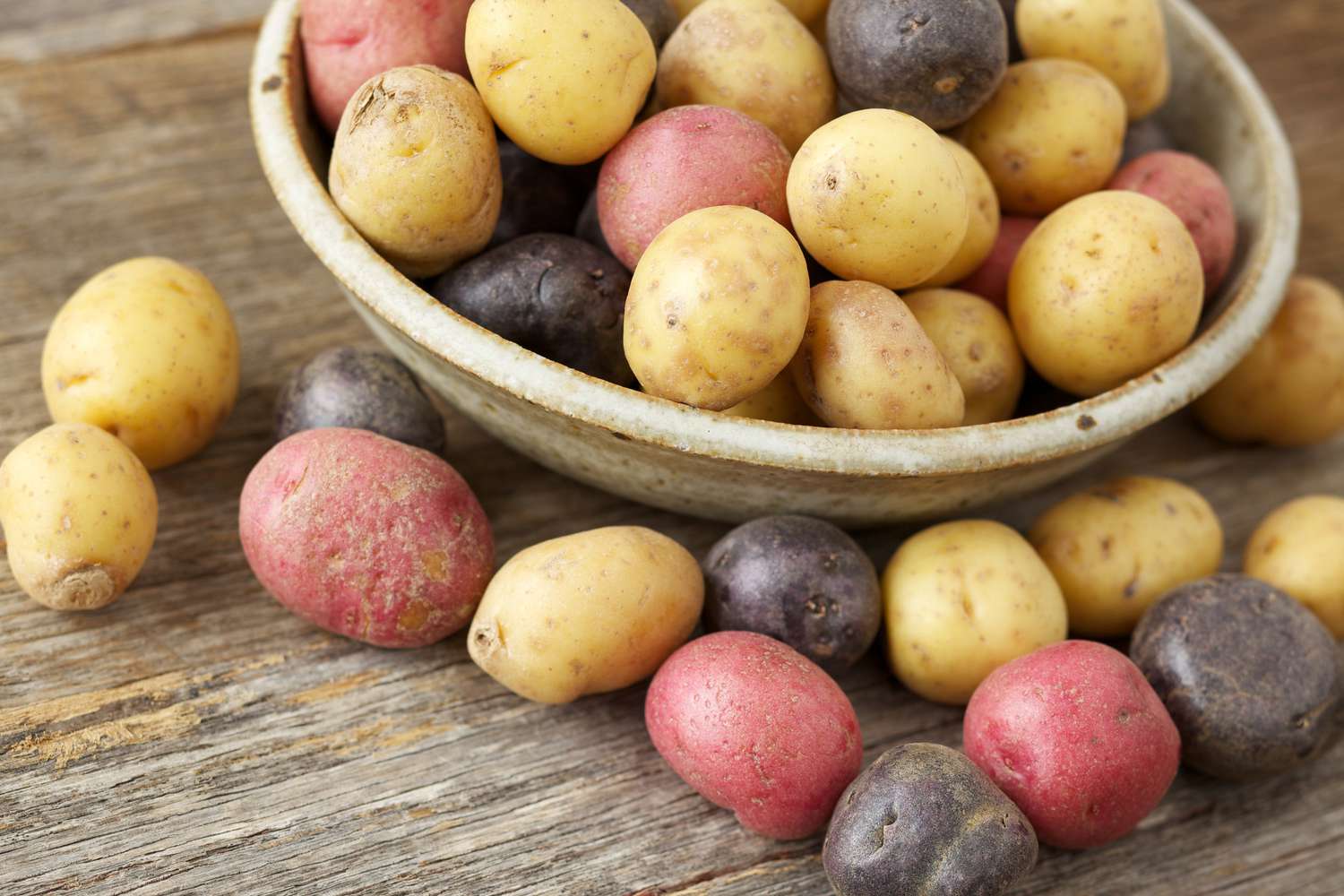
The best potatoes for patatosalata are waxy potatoes such as small yellow potatoes, Yukon Gold potatoes, baby potatoes, or red potatoes. These hold their shape after boiling and have a creamy texture without falling apart. Russet potatoes can work in a pinch, but they are starchier and more likely to crumble into mashed potato territory. Delicious? Sure. Salad? Questionable.
Keep the skins on if the potatoes are thin-skinned and clean. The skins add texture, color, and a rustic look. They also save you from peeling hot potatoes, which is one of cooking’s least glamorous activities.
How to Make Patatosalata
Step 1: Boil the Potatoes
Place the potatoes in a large pot and cover them with cold water by about 1 inch. Add a generous spoonful of salt. Bring to a boil, then reduce the heat and simmer for 15 to 20 minutes, or until the potatoes are fork-tender. Do not violently boil them into potato confetti. A gentle simmer is your friend.
Step 2: Make the Dressing
While the potatoes cook, whisk together the olive oil, lemon juice, red wine vinegar, Dijon mustard, garlic, oregano, salt, and pepper. The mustard helps the dressing emulsify, giving it a slightly creamy texture without adding mayonnaise.
Step 3: Dress the Potatoes While Warm
Drain the potatoes well and let them cool for 5 minutes. Cut any larger pieces into bite-size chunks. Transfer them to a large bowl and pour about two-thirds of the dressing over the warm potatoes. Toss gently. This is the magic moment. Warm potatoes absorb dressing much better than cold potatoes, which means deeper flavor in every bite.
Step 4: Add the Greek Good Stuff
Add the red onion, scallions, Kalamata olives, capers, parsley, and dill. Toss again, gently but thoroughly. Taste and add more dressing, salt, pepper, or lemon juice as needed. If using feta, sprinkle it over the top just before serving so it stays pretty and does not disappear into the salad like a dairy-based magic trick.
Step 5: Rest and Serve
Let the salad rest for at least 20 minutes before serving. You can serve patatosalata warm, at room temperature, or chilled. If it has been refrigerated, let it sit out briefly before serving so the olive oil loosens and the flavors wake back up.
Recipe Card: Patatosalata
Patatosalata (Greek Potato Salad)
Prep time: 15 minutes
Cook time: 20 minutes
Total time: 35 minutes, plus resting
Servings: 6
Course: Side Dish
Cuisine: Greek, Mediterranean
Ingredients
- 2 pounds small yellow or red potatoes
- 1/2 small red onion, thinly sliced
- 3 scallions, thinly sliced
- 1/2 cup Kalamata olives, pitted and halved
- 2 tablespoons capers, drained
- 1/2 cup chopped fresh parsley
- 1/4 cup chopped fresh dill
- 1/2 cup crumbled feta cheese, optional
- 1/3 cup extra-virgin olive oil
- 3 tablespoons fresh lemon juice
- 1 tablespoon red wine vinegar
- 1 teaspoon Dijon mustard
- 1 garlic clove, minced
- 1 teaspoon dried oregano
- Kosher salt and black pepper, to taste
Instructions
- Add potatoes to a large pot, cover with cold water, and season generously with salt.
- Bring to a boil, then simmer for 15 to 20 minutes until fork-tender.
- Whisk olive oil, lemon juice, red wine vinegar, Dijon mustard, garlic, oregano, salt, and pepper in a small bowl.
- Drain potatoes and let cool for 5 minutes. Cut into bite-size pieces if needed.
- Toss warm potatoes with two-thirds of the dressing.
- Add onion, scallions, olives, capers, parsley, and dill. Toss gently.
- Taste and adjust seasoning. Add feta just before serving, if desired.
- Rest for at least 20 minutes before serving warm, room temperature, or chilled.
Tips for the Best Greek Potato Salad
Salt the Cooking Water
Potatoes need seasoning from the inside out. If the cooking water tastes flat, the potatoes will taste flat. Add enough salt so the water is pleasantly seasoned, not ocean-level dramatic.
Use Fresh Lemon Juice
Bottled lemon juice is convenient, but fresh lemon juice gives this salad its bright, clean flavor. Since lemon is a major part of the dressing, this is not the moment for shortcuts that taste like a refrigerator door.
Do Not Overcook the Potatoes
The potatoes should be tender but still hold their shape. Test with a fork. If the fork slides in easily, they are ready. If they collapse when you look at them, they have gone too far.
Let the Salad Rest
Patatosalata gets better after the ingredients have had time to mingle. Twenty minutes is good. A few hours is even better. Overnight can be excellent, especially if you refresh it with a splash of lemon juice and olive oil before serving.
Patatosalata Variations
One reason Greek potato salad is so loved is that it welcomes variation. The traditional version is simple, but regional and family versions often include extra vegetables, proteins, or creamy elements.
With Feta Cheese
Feta adds salty creaminess and turns the salad into a heartier side dish. Use block feta and crumble it yourself for the best texture.
With Hard-Boiled Eggs
Eggs make the salad more filling and add richness without mayonnaise. Quarter them and arrange them on top, or chop them and fold them in gently.
With Greek Yogurt
For a creamy Greek potato salad, whisk a few tablespoons of plain Greek yogurt into the dressing. It adds tang and body while keeping the flavor fresh.
With Tomatoes and Cucumbers
Add cherry tomatoes and diced cucumber for a more colorful summer version. This turns patatosalata into something close to a Greek salad-potato salad hybrid, which is exactly as cheerful as it sounds.
With Tuna
Some Greek-style potato salads include canned tuna, especially when served as a light meal. Use good-quality tuna packed in olive oil, drain it lightly, and fold it in at the end.
What to Serve with Patatosalata
This Greek potato salad recipe pairs beautifully with grilled, roasted, and fresh dishes. Try it with grilled chicken souvlaki, lamb burgers, roasted fish, shrimp skewers, turkey burgers, grilled vegetables, or pita sandwiches. It also fits naturally into a mezze table with hummus, tzatziki, dolmades, olives, roasted peppers, and warm pita bread.
For a simple dinner, serve patatosalata with lemon-roasted chicken and a green salad. For a cookout, pair it with grilled steak, chicken kebabs, or salmon. For lunch, spoon it into a bowl with chickpeas, cucumber, tomatoes, and extra feta. Suddenly leftovers look less like leftovers and more like a plan.
How to Store Greek Potato Salad
Store patatosalata in an airtight container in the refrigerator for 3 to 4 days. Because this version is made without mayonnaise, it holds up well, but it is still a cooked potato dish and should be handled safely. Do not leave it at room temperature for more than 2 hours, or more than 1 hour in very hot weather.
Before serving leftovers, give the salad a gentle toss and taste it. Cold potatoes can mute flavor, so you may want to add a small splash of olive oil, a squeeze of lemon juice, and a pinch of salt. Avoid freezing potato salad. Thawed potatoes often become watery and grainy, which is not the kind of Greek drama anyone requested.
Common Mistakes to Avoid
Using Too Little Dressing
Potatoes absorb dressing quickly. If the salad tastes dry after resting, do not panic. Add a little more olive oil and lemon juice before serving.
Adding Herbs Too Early to Hot Potatoes
Warm potatoes are great for absorbing dressing, but very hot potatoes can wilt fresh herbs. Let the potatoes cool slightly before adding parsley and dill.
Skipping the Acid
Lemon juice and vinegar balance the richness of the olive oil and potatoes. Without acid, the salad tastes dull. With it, the whole bowl comes alive.
Overmixing
Greek potato salad should look rustic, not mashed. Toss gently with a large spoon or rubber spatula to keep the potatoes intact.
Experience Notes: Making Patatosalata at Home
The first time I made patatosalata, I expected it to be “just potato salad without mayo.” That was a deeply unfair assumption, and I would like to publicly apologize to the potatoes. What surprised me most was how much flavor the warm potatoes absorbed from the dressing. I had always treated potato salad like a cold assembly project: boil potatoes, chill potatoes, add dressing, hope for the best. With Greek potato salad, the process feels more intentional. The potatoes meet the olive oil and lemon while they are still warm, and the result is completely different.
There is also something wonderfully low-stress about this recipe. It does not demand perfect knife cuts or fancy equipment. You do not need a stand mixer, a food processor, or a culinary degree from a school where everyone says “mouthfeel” too often. You need a pot, a bowl, a whisk, and the emotional strength not to eat half the olives before they reach the salad.
One practical lesson: red onion can be bold. Sometimes too bold. If your onion has the personality of a car alarm, soak the slices in cold water for 10 minutes, then drain them well. This keeps the crunch but softens the sharpness. Another helpful trick is to add feta at the end instead of mixing it aggressively into the warm potatoes. Feta is delicious, but it can crumble into the dressing and make the salad look cloudy. Sprinkling it on top gives you better texture and a nicer presentation.
I also learned that patatosalata is one of those dishes that improves your meal without stealing the spotlight. Serve it next to grilled chicken, and it makes the chicken taste brighter. Serve it with fish, and the lemon and herbs feel completely at home. Put it on a picnic table, and people who normally ignore potato salad suddenly start asking suspiciously specific questions like, “So, what exactly did you put in this?” That is usually code for “I will be taking a second scoop.”
The leftovers are excellent, too. The next day, the salad tastes deeper and more settled. I like to refresh it with a drizzle of olive oil and a squeeze of lemon, then eat it with sliced cucumbers, tomatoes, and a fried egg. Is that traditional? Maybe not entirely. Is it delicious? Absolutely. The Greek potato salad police have not contacted me yet.
Most of all, this recipe proves that simple food can still feel exciting. Potatoes, lemon, olive oil, onions, herbs, olives, capersnothing complicated, nothing fussy. But when they come together, they create a side dish that tastes sunny, satisfying, and surprisingly elegant. Patatosalata is the kind of recipe that makes you wonder why you ever thought potato salad needed to be heavy in the first place.
Conclusion
Patatosalata is proof that potato salad does not need mayonnaise to be memorable. With tender potatoes, lemony olive oil dressing, fresh herbs, red onion, olives, capers, and optional feta, this Greek potato salad recipe is bright, flavorful, and easy enough for weeknights but special enough for gatherings. It is flexible, make-ahead friendly, and perfect for everything from backyard barbecues to Mediterranean-inspired dinners.
The key is simple: use waxy potatoes, dress them while warm, season generously, and let the salad rest. Do that, and you will have a bowl of Greek potato salad that tastes fresh, balanced, and wildly more interesting than the usual picnic potato situation. Serve it once, and it may become your new default side dish. Mayonnaise will understand. Eventually.
Note: This original article was written in standard American English for web publication and synthesized from real, commonly accepted Greek potato salad techniques, Mediterranean cooking practices, and food-safety guidance.