
Colorectal cancer is not exactly a dinner-table topic. Nobody says, “Pass the mashed potatoes, and by the way, have you scheduled your colonoscopy?” But maybe we should talk about it more oftenpreferably before the body starts waving red flags like it is directing airport traffic.
The good news is that colorectal cancer is one of the more preventable major cancers. That does not mean anyone can control every risk factor. Age, family history, inherited syndromes, inflammatory bowel disease, and plain bad biological luck can still play a role. But many everyday choiceswhat we eat, how much we move, whether we smoke, how we handle alcohol, and whether we get screenedcan meaningfully reduce colorectal cancer risk.
This guide breaks down practical, evidence-based prevention tips for colorectal cancer risk in plain American English, with enough humor to keep the topic from feeling like a medical brochure trapped in a waiting room.
What Is Colorectal Cancer?
Colorectal cancer refers to cancer that begins in the colon or rectum. These two parts of the digestive system work together like the final quality-control department for food after the stomach and small intestine have done most of the heavy lifting.
Many colorectal cancers begin as polyps, which are small growths on the inner lining of the colon or rectum. Some polyps are harmless, but certain types can slowly turn into cancer over time. This is why screening is so powerful: doctors can often find and remove precancerous polyps before they become dangerous. In cancer prevention terms, that is not just catching the burglar; it is removing the ladder before the burglar climbs in.
Why Colorectal Cancer Prevention Matters
Colorectal cancer remains one of the most common cancers in the United States. Although screening has helped reduce cases and deaths among older adults, diagnoses in younger adults have become a growing concern. That is one reason major medical groups now recommend that average-risk adults begin routine colorectal cancer screening at age 45, not 50.
Prevention matters because early colorectal cancer may not cause obvious symptoms. Waiting until something feels wrong is not a strategy; it is more like letting your smoke detector stay silent until the curtains are already on fire. Smart prevention combines screening, healthy habits, symptom awareness, and honest conversations with a healthcare provider.
Know Your Personal Risk Factors
Before building a prevention plan, it helps to know whether you are at average risk or higher risk. This changes when you should begin screening and how often you may need it.
Risk Factors You Cannot Change
Some colorectal cancer risk factors are not lifestyle choices. They include being older, having a personal history of colorectal polyps or colorectal cancer, having a family history of colorectal cancer, or having inherited conditions such as Lynch syndrome or familial adenomatous polyposis. People with inflammatory bowel disease, including Crohn’s disease or ulcerative colitis, may also have a higher risk.
If colorectal cancer runs in your family, do not treat that information like an embarrassing family recipe nobody talks about. Tell your doctor. Family history can affect when screening should begin and which test is best.
Risk Factors You Can Influence
Several risk factors are tied to daily habits. These include excess body weight, low physical activity, smoking, heavy alcohol use, diets high in processed meat or red meat, and diets low in fiber-rich foods. The goal is not to become a perfect kale-powered superhero overnight. The goal is to make enough consistent improvements that your colon no longer feels like it is living in a bachelor pad from 1997.
Tip 1: Get Screened on Time
If there is one colorectal cancer prevention tip that deserves a neon sign, it is this: get screened. Screening can detect cancer early, when treatment is more likely to work, and some screening methods can find precancerous polyps before cancer develops.
For adults at average risk, screening usually begins at age 45 and continues through age 75. Adults ages 76 to 85 should talk with their healthcare provider about whether screening still makes sense based on health status, prior screening history, and personal preferences.
Common Colorectal Cancer Screening Options
Colonoscopy is the best-known screening test. During the procedure, a doctor examines the inside of the colon and rectum and can remove polyps during the same visit. Yes, the bowel prep has a reputation. No, it is not anyone’s idea of a spa weekend. But it can prevent cancer, which makes it far more impressive than most wellness trends.
Other screening options include stool-based tests such as FIT, stool DNA tests, and other approved methods. These tests are less invasive, but they must be done on schedule. If a stool test comes back abnormal, a follow-up colonoscopy is usually needed.
The best screening test is the one you will actually complete correctly and on time. A perfect plan sitting in your junk drawer is not prevention. It is paperwork with commitment issues.
Tip 2: Eat More Fiber-Rich Foods
A fiber-rich diet is one of the most practical ways to support colorectal health. Fiber helps keep bowel movements regular, feeds beneficial gut bacteria, and may help reduce exposure of the colon lining to harmful compounds.
Good sources of fiber include beans, lentils, peas, oats, barley, brown rice, quinoa, whole-wheat bread, apples, berries, pears, broccoli, carrots, leafy greens, and nuts. In other words, the grocery cart should look less like a gas-station snack aisle and more like it has met a vegetable.
Simple Ways to Add Fiber
Start with breakfast. Swap sugary cereal for oatmeal with berries. Add beans to soup, chili, or salad. Choose whole-grain bread instead of white bread. Snack on fruit instead of chips a few times a week. Fiber does not require a personality change; it just asks to be invited to meals more often.
Increase fiber gradually and drink enough water. Going from zero to “bean festival” in one day may make your digestive system file a formal complaint.
Tip 3: Limit Processed Meat and Cut Back on Red Meat
Processed meatssuch as bacon, hot dogs, sausage, ham, salami, and many deli meatsare linked to higher colorectal cancer risk. Red meats such as beef, pork, and lamb may also increase risk when eaten often or in large amounts.
This does not mean everyone must become vegan by Tuesday. It does mean processed meat should be treated as an occasional food rather than a daily habit. Try replacing deli meat sandwiches with turkey breast, tuna, hummus, grilled chicken, egg salad, or roasted vegetables. Use beans or lentils in tacos. Choose fish or poultry more often. Your colon does not need a standing appointment with bacon.
Cooking Methods Matter Too
High-temperature cooking methods, such as charring or grilling meat until it looks like it survived a volcano, can create compounds that may be harmful. If you grill, avoid burning meat, trim charred parts, marinate before cooking, and balance the plate with vegetables and whole grains.
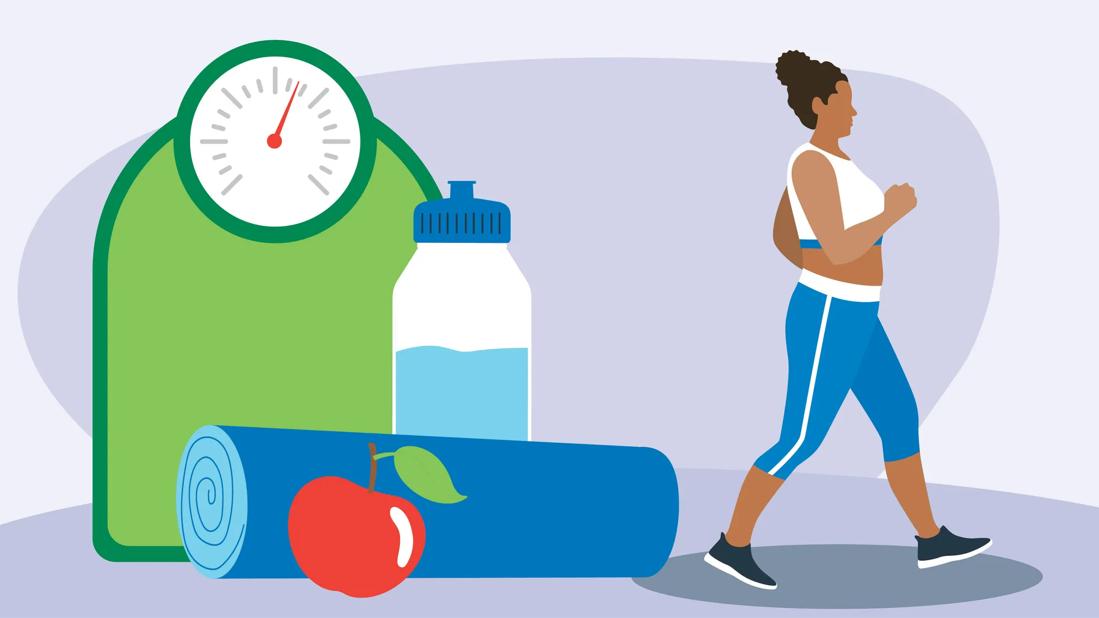
Tip 4: Maintain a Healthy Weight
Excess body weight is associated with a higher risk of colorectal cancer. Body fat is not just stored energy; it can influence hormones, insulin levels, and inflammation. These changes may create an internal environment that supports cancer development.
The goal is not extreme dieting. Crash diets often work about as well as New Year’s gym resolutions after the second week of January. A more realistic plan includes regular meals, portion awareness, fewer sugary drinks, more whole foods, and consistent physical activity.
Even modest weight loss can improve metabolic health for many people. If weight management feels difficult, a healthcare provider or registered dietitian can help create a plan that is safe and sustainable.
Tip 5: Move Your Body Every Week
Regular physical activity is strongly linked with lower colon cancer risk. Exercise helps regulate weight, insulin, inflammation, digestion, and immune function. It also improves mood, sleep, heart health, and the ability to walk upstairs without negotiating with your lungs.
A practical target is at least 150 minutes of moderate-intensity activity each week, such as brisk walking, cycling, swimming, or dancing. If you prefer vigorous activity, 75 minutes weekly may be enough. Strength training two days a week is also helpful for overall health.
Make Movement Easy to Repeat
Do not wait for the perfect workout. Take a 10-minute walk after lunch. Park farther away. Use stairs when possible. Do squats while coffee brews. Put on music and clean the house with dramatic enthusiasm. The body counts movement even when you are not wearing expensive leggings.
Tip 6: Stop Smoking
Smoking is linked to many cancers, including colorectal cancer. Long-term smoking may increase the risk of colorectal polyps and cancer, and it also harms the heart, lungs, blood vessels, skin, and almost every other organ trying to do its job without smoke breaks.
Quitting is difficult, but it is possible. Nicotine replacement therapy, prescription medications, counseling, quitlines, and support groups can improve success rates. If you smoke, talk with a healthcare provider about a quitting plan. Your future self will be obnoxiously grateful.
Tip 7: Limit Alcohol
Alcohol can increase colorectal cancer risk, especially with heavier use. The safest choice for cancer prevention is not to drink. For adults who do drink, moderation matters. Common guidance defines moderation as up to one drink per day for women and up to two drinks per day for men.
Helpful swaps include sparkling water with citrus, unsweetened iced tea, alcohol-free beer, or mocktails that do not secretly contain half a cup of syrup. Your social life does not have to disappear just because your glass is making better choices.
Tip 8: Pay Attention to Symptoms
Screening is for people without symptoms. Symptoms require medical attention, even if you are younger than 45. Colorectal cancer can occur in younger adults, and ignoring warning signs is not bravery. It is procrastination wearing a fake mustache.
Symptoms to Discuss With a Doctor
Talk with a healthcare provider if you notice blood in your stool, rectal bleeding, persistent changes in bowel habits, unexplained weight loss, ongoing abdominal pain, unusual fatigue, or a feeling that the bowel does not empty completely. These symptoms can be caused by many conditions, including hemorrhoids or infections, but they should not be brushed off without evaluation.
Tip 9: Understand Aspirin Is Not a DIY Prevention Plan
Research has found that aspirin may reduce colorectal cancer risk for some people, but it is not a casual supplement. Aspirin can cause bleeding and other side effects, especially in people with certain medical conditions or those taking blood thinners.
Do not start daily aspirin for colorectal cancer prevention without talking to a healthcare provider. Prevention should not create a new problem while trying to solve an old one.
Tip 10: Build a Gut-Friendly Daily Routine
Your gut does not need perfection. It needs a pattern. A gut-friendly routine includes fiber-rich meals, enough fluids, regular movement, adequate sleep, and less ultra-processed food. Think of it as creating a neighborhood where helpful gut bacteria want to settle down, open a tiny bakery, and pay taxes.
Fermented foods such as yogurt with live cultures, kefir, sauerkraut, kimchi, and miso may support gut microbial diversity for some people. However, no single “superfood” prevents colorectal cancer. The overall eating pattern matters more than one heroic blueberry.
Tip 11: Make Prevention a Family Conversation
Family history is one of the most important clues in colorectal cancer risk. Ask relatives whether anyone has had colorectal cancer, advanced polyps, Lynch syndrome, or other inherited cancer syndromes. The conversation may feel awkward, but it is far less awkward than finding out too late.
If a parent, sibling, or child had colorectal cancer or advanced polyps, your doctor may recommend screening earlier than age 45. The exact timing depends on the relative’s age at diagnosis and other details.
Practical Example: A One-Week Colorectal Cancer Prevention Reset
Here is what a realistic week might look like. On Monday, schedule your screening or ask your doctor which test is right for you. On Tuesday, add beans to lunch. On Wednesday, walk for 20 minutes after dinner. On Thursday, swap processed meat for grilled chicken, tuna, hummus, or roasted vegetables. On Friday, skip alcohol or keep it moderate. On Saturday, cook a colorful meal with whole grains and vegetables. On Sunday, check your family history and write down questions for your doctor.
That is not glamorous. There is no dramatic music. But prevention usually looks like small, repeated decisions that quietly stack up in your favor.
Common Myths About Colorectal Cancer Prevention
Myth: “I feel fine, so I do not need screening.”
Many people with early colorectal cancer or precancerous polyps feel completely normal. Screening is designed to find trouble before symptoms show up.
Myth: “Colorectal cancer only affects older men.”
Colorectal cancer can affect both men and women, and cases among younger adults have increased. Age matters, but it is not the only factor.
Myth: “A healthy lifestyle means I cannot get colorectal cancer.”
Healthy habits reduce risk; they do not create a force field. Screening and symptom awareness are still essential.
Myth: “Colonoscopy is the only option.”
Colonoscopy is an important test, but stool-based screening options are also available for many average-risk adults. The right choice depends on your risk level, preferences, access, and medical advice.
Experiences Related to Colorectal Cancer Risk Prevention
One of the most common real-life experiences with colorectal cancer prevention is the “I’ll do it later” phase. Many adults know screening matters, but they delay it because life is busy, the idea feels uncomfortable, or the bowel prep stories sound like folklore from a haunted pharmacy. Then a friend, coworker, or relative gets diagnosed, and suddenly the appointment does not seem so optional. Prevention often becomes personal when the risk stops being an abstract statistic and starts having a name.
Another experience people share is surprise after changing their diet. Someone may begin by adding oatmeal at breakfast, beans at lunch, and vegetables at dinnernot because they are trying to become a wellness influencer, but because their doctor suggested more fiber. After a few weeks, they may notice better digestion, steadier energy, and fewer snack attacks. The colon may not send a thank-you card, but regular bowel habits are basically its version of applause.
Families also play a major role. Many people discover their risk only after asking relatives direct questions. A father may mention he had “some polyps removed” years ago. An aunt may remember that a grandparent had colon cancer but nobody discussed it much. These details can change screening recommendations. The lesson is simple: family health history should not be stored in the same dusty mental attic as old holiday decorations. Bring it into the light and share it with your healthcare provider.
People who become more physically active often describe prevention as less intimidating when it is connected to ordinary movement. A brisk walk after dinner, a weekend bike ride, gardening, swimming, or taking the stairs can feel more realistic than joining an intense gym program. The key is consistency. Most bodies prefer a dependable routine over occasional heroic workouts followed by three weeks of couch-based recovery.
There is also the experience of quitting smoking or cutting back on alcohol. These changes can be emotionally challenging because habits are tied to stress, social routines, and identity. But many people find success by replacing the ritual rather than simply removing it. A former smoker may take a walk during cravings. Someone cutting back on alcohol may keep sparkling water, citrus, and mint on hand for social events. Prevention works better when it respects real life instead of pretending everyone lives in a perfectly organized health magazine.
Finally, many people who complete screening describe relief. The anticipation is often worse than the test. If results are normal, there is peace of mind. If polyps are found and removed, there is gratitude that action was taken early. Colorectal cancer prevention is not about fear. It is about using the tools availablescreening, food choices, movement, weight management, not smoking, limiting alcohol, and paying attention to symptomsto give yourself the best possible odds.
Conclusion: Small Choices, Big Protection
Reducing colorectal cancer risk is not about one magic food, one perfect supplement, or one dramatic lifestyle makeover. It is about combining proven habits: get screened on time, eat more fiber-rich foods, limit processed and red meat, stay active, maintain a healthy weight, avoid smoking, limit alcohol, know your family history, and talk to a doctor about symptoms or personal risk.
The most powerful prevention plan is the one you can actually live with. Start with one step today. Schedule the screening. Add the beans. Take the walk. Ask the family-history question. Your colon may be quiet, but it is paying attention.