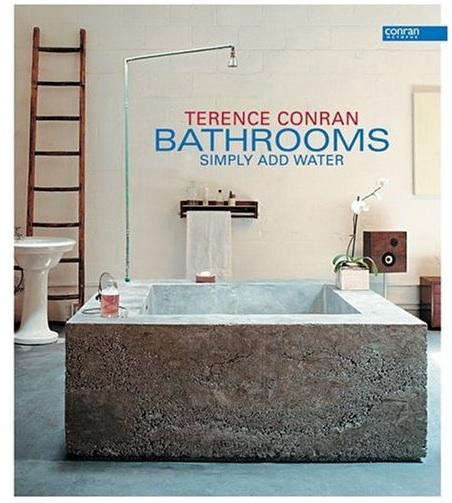

If a bathroom could roll its eyes, most of them would do it every morning. We ask this small room to wake us up, calm us down, store half a pharmacy, survive steam, hide plumbing, flatter us in the mirror, and somehow look like a boutique hotel while holding a toilet brush. That is exactly why Bathrooms: Simply Add Water by Terence Conran remains such satisfying required reading for anyone planning a bathroom renovation, dreaming about a spa bathroom, or simply wondering why their towel storage has declared war on civilization.
Terence Conran understood that good design is not decoration sprinkled on top like parsley. It is the structure of daily life. His book treats the bathroom not as an afterthought but as a serious domestic room with emotional, practical, and architectural weight. The book is a 224-page design guide focused on planning, design, decoration, waterproofing, heating, lighting, fixtures, fittings, and the bathroom’s role as a private refuge. That premise still feels current because today’s homeowners are asking bathrooms to do more than ever: support wellness, accessibility, water efficiency, storage, beauty routines, and quiet moments of peace. In other words, the bathroom has become the tiny room with a very large job description.
Why Terence Conran Still Matters in Bathroom Design
Sir Terence Conran was not merely a designer with a tasteful eye and a good chair habit. He was a retailer, restaurateur, writer, and design evangelist who helped bring modern design into everyday homes. The Design Museum timeline records his founding of Habitat in 1964 and identifies him as the founder of the Design Museum, two milestones that explain his larger mission: making thoughtful design part of ordinary life, not something reserved for people who say “bespoke” before breakfast.
That democratic design spirit runs through Bathrooms: Simply Add Water. Conran’s bathroom thinking is not about showing off marble for marble’s sake. It is about asking better questions. How does the room function in the morning rush? Where does the light fall? Can a shower be practical and sensuous? Does the storage invite order or merely provide a new address for chaos? Is the bathroom easy to clean, easy to use, and pleasant enough that you do not sprint out of it like you are escaping a minor flood?
What the Book Covers: More Than Pretty Tiles
The central appeal of Bathrooms: Simply Add Water is that it takes the bathroom seriously from every angle. The book is described as a comprehensive guide to creating or revamping a bathroom, with advice on planning, design, decoration, structural details, technology, waterproofing, heating, lighting, fixtures, and fittings. It also explores the bathroom’s expanding role as a refuge from everyday stress.
That combination is what separates enduring bathroom design from “I saw one dramatic sink online and now I have feelings.” Conran’s approach begins before the shopping cart. He encourages readers to consider the bones of the room: plumbing routes, ventilation, moisture control, surfaces, traffic flow, and the relationship between bathing, grooming, dressing, and storage. Only then does the fun stuff arrive: taps, tubs, mirrors, tile, texture, color, towels, and the little objects that make a bathroom feel human rather than clinically overachieving.
Planning: The Glamorous Art of Not Regretting Things
Bathroom planning is the part nobody photographs, yet it decides whether the room works. The best bathroom renovation begins with measurements, routines, and honest observation. Who uses the room? At what time? Is this a family bathroom, a guest powder room, a primary bath, or a tiny ensuite trying bravely to be a spa in six square feet? A family bath may need durable finishes, generous storage, and a tub. A primary bathroom may prioritize a walk-in shower, double vanity, layered lighting, and better towel heating. A powder room can indulge in drama because it does not need to host shampoo bottles, bath toys, and emotional support conditioner.
Modern renovation data supports Conran’s practical instincts. The 2025 U.S. Houzz Bathroom Trends Study, based on 1,737 U.S. homeowners, found that accessibility, wellness, relaxation, and professional help all play major roles in bathroom projects. More than two-thirds of homeowners considered special needs in bathroom renovations, and 84% hired professionals. That is not surprising. Bathrooms are compact but technically demanding rooms. One wrong decision can become expensive, slippery, or suspiciously damp.
Waterproofing: The Unsung Hero Wearing Rubber Boots
Conran’s attention to waterproofing is one reason the book remains useful. A bathroom is basically a controlled indoor weather event. Steam rises, grout gets tested, splashes migrate, and tiny leaks develop ambitions. Beautiful bathrooms fail when moisture control is treated as boring paperwork. Proper waterproofing behind tile, correctly sloped shower floors, sealed penetrations, suitable backer boards, and quality installation matter more than the brand name on the soap dish.
The same goes for ventilation. The Home Ventilating Institute recommends a minimum 50 CFM fan for bathrooms 50 square feet and smaller, with larger bathrooms generally needing about 1 CFM per square foot. Translation: if the mirror stays fogged long enough for you to write a memoir on it, the room probably needs better ventilation. Moisture is sneaky; mold is its annoying roommate.
The Conran Bathroom Formula: Function First, Atmosphere Always
A Conran-inspired bathroom does not have to look like a museum. In fact, it should not. The goal is calm usefulness with personality. Think clean lines, good materials, intelligent storage, and lighting that does not make you look like you have just been interrogated by airport security.
1. Start With the Ritual
The strongest bathroom designs begin with behavior. A rushed weekday shower asks for different design decisions than a weekend soak. A shared family bathroom needs separate zones, hooks that children can reach, and surfaces that forgive toothpaste attacks. A guest bath needs clarity: a visible hand towel, good lighting, and no cabinet that requires guests to solve a mystery. Conran’s lasting lesson is that rooms should serve real life, not imaginary life starring someone who owns exactly three identical linen robes.
2. Make the Shower Work Harder
Showers have become the star of many bathroom remodels. NKBA’s 2026 Bath Trends Report notes that bathrooms are expanding to support wellness, universal design, and storage, and that many designers see larger showers as more important to clients than including a bathtub. A generous shower can offer a bench, niche storage, handheld spray, low or curbless entry, and layered lighting. It can also help aging-in-place goals without looking institutional.
Still, bigger is not automatically better. The shower should suit the house, the water pressure, and the people using it. A dramatic wet room may look gorgeous, but if it turns the toilet paper into a damp little tragedy, something has gone wrong. The best shower design balances beauty, drainage, enclosure, safety, and cleanability.
3. Choose Materials With a Memory for Water
Bathroom materials must tolerate humidity, soap, cleaning products, and daily use. Porcelain tile, stone, sealed wood, glass, stainless steel, brass, and durable composite surfaces all have roles to play. The trick is knowing where each material belongs. Wood can warm up a bathroom beautifully, but it needs proper sealing and ventilation. Natural stone can be luxurious, but it may require maintenance. Small mosaic tile can improve grip on shower floors, but it also introduces more grout. Large-format tile reduces grout lines, but installation must be precise.
Conran’s design sensibility favors materials that feel honest. A bathroom does not need to shout. A honed stone counter, a plain white basin, a warm oak shelf, and a simple wall-mounted faucet can feel richer than a room full of trendy objects all trying to be the main character.
4. Light the Face, Not Just the Ceiling
Bathroom lighting is often where good intentions go to flicker. One ceiling light directly over the head creates shadows under the eyes and nose, which is excellent if the goal is to look haunted before coffee. Better bathroom lighting uses layers: ambient light for the room, task lighting at the mirror, accent lighting for shelves or architectural features, and dimming where possible.
For a vanity, sconces on both sides of the mirror usually flatter the face more than a single overhead light. In a shower, wet-rated recessed fixtures can make the space safer and more inviting. Near a bathtub, soft light can turn an ordinary soak into a small vacation, preferably one without airport snacks.
Bathroom Trends That Prove Conran Was Ahead of the Curve
Many current bathroom trends sound like updated versions of ideas Conran championed: wellness, practical luxury, better storage, water-conscious products, and rooms that support the rhythms of everyday life. Architectural Digest has noted rising demand for natural materials, spa-like tubs, high-tech vanities, and water-efficient showerheads, which shows how bathrooms have moved beyond basic function into comfort, performance, and self-care.
Wellness Without the Woo-Woo
A wellness bathroom does not require a Himalayan salt wall, a gong, or a budget that makes your bank app faint. Wellness can mean a quiet fan, warm flooring, non-slip tile, a deep tub, a shower bench, better storage, filtered light, and finishes that are easy to clean. Houzz found that a quarter of homeowners use their primary bathroom for rest and relaxation, and 36% of renovated bathrooms include wellness-oriented features such as upgraded lighting, soaking tubs or spa baths, and water features.
Water Efficiency With Style
Water efficiency is not the enemy of good design. EPA WaterSense-labeled bathroom sink faucets and accessories use a maximum of 1.5 gallons per minute and can reduce sink flow by 30% or more compared with the standard 2.2 gallons per minute, without sacrificing performance. The EPA also says replacing old faucets and aerators with WaterSense-labeled models can save the average family 700 gallons of water per year. That is sustainability you can install without turning your bathroom into a lecture hall.
Storage That Prevents Countertop Wildlife
Every bathroom needs storage, but not all storage is useful. Deep drawers often beat cavernous cabinets because they let you see what you own before accidentally buying a fourth bottle of the same face wash. Recessed medicine cabinets, mirrored cabinets, niches, hooks, towel ladders, floating vanities, and built-in ledges all keep the room calmer. The best storage is not simply more storage; it is storage placed where routines happen.
How to Apply Simply Add Water in a Real Home
Reading Conran should make you more demanding in the best way. You begin to notice that a bathroom is a sequence of decisions. Where do your feet land after the shower? Can you reach the towel without performing modern dance? Does the mirror serve both tall and short users? Can the room be cleaned in a sane amount of time? Does the layout respect privacy? Does the door swing into the most inconvenient possible location because someone in 1987 had a difficult afternoon?
For a Small Bathroom
Use wall-mounted fixtures, clear glass, large mirrors, pocket doors, bright but warm lighting, and quiet storage. Choose one strong visual idea instead of five competing ones. A small bathroom can handle character, but it cannot handle clutter dressed as personality. A compact wall-hung vanity, vertical tile, and a recessed niche can make the room feel bigger without moving walls.
For a Family Bathroom
Durability wins. Use washable paint, easy-clean tile, soft-close drawers, reachable hooks, a hand shower, and tough surfaces. Avoid finishes that require everyone in the house to behave like museum staff. The family bathroom should absorb life gracefully: wet towels, toothpaste caps, bubble bath enthusiasm, and the occasional mysterious plastic dinosaur.
For a Primary Bathroom
Prioritize comfort and sequence. A primary bath benefits from layered lighting, a generous shower, proper ventilation, a vanity that supports daily grooming, and materials that feel good under hand and foot. Add warmth through wood, textiles, art, or a good stool. A bathroom can be minimal without being cold. The goal is not “empty”; the goal is “restful.”
Why This Book Belongs on the Design Shelf
Bathrooms: Simply Add Water is valuable because it reminds readers that bathroom design is both technical and emotional. A successful bathroom must handle water, heat, steam, electricity, plumbing, storage, light, privacy, and touch. It must also make you feel ready for the day or relieved that the day is over. That is a remarkable amount of pressure for a room that often gets the smallest footprint.
Conran’s voice, even when filtered through practical design instruction, encourages confidence. He makes the reader feel that good design is not mysterious. It is attentive. It is a matter of seeing clearly, choosing carefully, and refusing to accept bad proportions just because the plumbing is already there. His bathroom philosophy is not about luxury as excess. It is about luxury as usefulness elevated by beauty.
Experience Notes: Living With the Lessons of Bathrooms: Simply Add Water
The first time you approach a bathroom through the Conran lens, you may become mildly unbearable at home improvement stores. Suddenly, you are not just looking at faucets; you are studying proportion, finish, grip, water flow, maintenance, and whether the handle will be friendly to sleepy hands at 6:15 a.m. This is both a blessing and a hazard. You may also start judging towel bars in restaurants. There is no known cure.
In real life, the biggest bathroom lesson is that atmosphere comes from dozens of small decisions, not one heroic purchase. A beautiful tub cannot save bad lighting. Expensive tile cannot rescue poor ventilation. A glamorous mirror will not make up for storage that leaves cotton swabs roaming free like tiny white tumbleweeds. The room works when every piece supports the next piece.
One practical experience many renovators share is the shock of discovering how much invisible work sits behind a serene bathroom photograph. The image may show a calm shower with pale tile and a single eucalyptus branch behaving like it pays rent. What it does not show is the waterproofing membrane, sloped pan, fan capacity, drain placement, tile layout math, electrical planning, and the homeowner lying awake wondering whether brushed nickel and polished chrome can remain friends. Conran’s book is useful because it respects that hidden work.
Another experience is learning that storage should be designed around habits, not fantasies. If you use a hair dryer every morning, it needs a real home near an outlet. If two people use the sink at the same time, the vanity should not turn into a traffic jam with toothpaste. If guests use the powder room, spare paper should be visible enough to prevent panic but discreet enough to avoid looking like a warehouse club display. These are not glamorous details, but they are the details that make a bathroom feel intelligent.
There is also the emotional side. A well-designed bathroom can change the temperature of a day. Good light in the morning helps. A warm floor helps. A shower niche that actually fits the shampoo bottle helps more than it has any right to. A quiet fan, a dry towel, a mirror at the correct height, and a drawer that closes softly can make the day begin with less friction. Nobody writes poetry about drawer glides, but perhaps they should.
The most Conran-like experience is realizing that simplicity takes work. A plain bathroom is not automatically simple; it may just be underdesigned. True simplicity is when the towel is exactly where your hand reaches, the light is flattering, the surfaces are durable, the water behaves, and the room feels calm without asking for applause. That is the genius of Bathrooms: Simply Add Water. It teaches that the bathroom is not a background room. It is where the body meets architecture every single day, usually before the brain has fully joined the meeting.
Conclusion
Required Reading: Terence Conran Bathrooms: Simply Add Water is more than a nod to a classic design book. It is an invitation to rethink one of the most hardworking rooms in the home. Conran’s bathroom advice remains relevant because it balances planning and pleasure, technical detail and atmosphere, everyday function and quiet luxury. Whether you are renovating a primary bath, refreshing a powder room, or simply trying to make your current bathroom less chaotic, the book offers a clear message: design should improve life, even when life is mostly looking for a clean towel.
The best bathroom is not necessarily the biggest, newest, or most expensive. It is the one that understands its users. It controls water, stores what matters, lights the face kindly, cleans without drama, and creates a small daily refuge. Add water, yesbut also add thought, proportion, warmth, and a little humor. Bathrooms need that too.