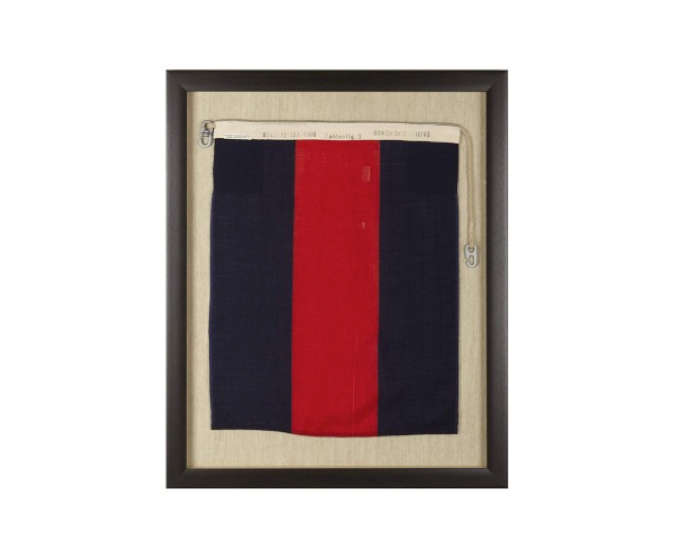

At first glance, the Signal Flag Three – Numeral Three may look like a stylish wedge of red, white, and blue fabric that wandered out of a nautical gift shop and into a yacht club brunch. But this little pennant has a serious job. In the International Code of Signals, it represents the number 3, helping ships communicate numbers visually when voice, radio, language, or weather decides to behave like a cranky seagull.
Maritime signal flags are one of the oldest and most charming forms of practical communication at sea. Before captains could tap a screen, hail another vessel on VHF, or send an AIS position, sailors relied on flags, pennants, lights, sound, and a good amount of neck-craning. The Numeral Three pennant belongs to this long tradition: a compact, standardized symbol designed to be recognized from a distance and understood across national borders.
This article explores what Signal Flag Three means, how it fits into the International Code of Signals, why its design matters, how it is used on boats and ships, and why it has become popular beyond navigationas decor, educational art, and a symbol of classic nautical style.
What Is Signal Flag Three – Numeral Three?
Signal Flag Three, also called the Numeral Three Pennant or Number 3 nautical flag, is the international maritime signal pennant used to represent the digit 3. Unlike square alphabet flags, numeral signals are usually pennant-shaped, meaning they taper toward the fly end. That shape helps distinguish numbers from letters in a flag hoist.
The design most commonly associated with Numeral Three features three visual sections: red near the hoist, white in the middle, and blue toward the fly. It is simple enough to identify quickly, yet distinctive enough not to be mistaken for other number pennants when properly made and displayed.
In practical signaling, Numeral Three may be flown by itself to indicate the number 3, or combined with other numeral pennants to form larger numbers. For example, a sequence using numeral pennants can communicate dates, times, positions, courses, distances, or other numeric information depending on the message context.
How Numeral Three Fits Into the International Code of Signals
The International Code of Signals, often shortened to ICS, is a standardized system used by vessels to communicate important messages. It includes alphabet flags, numeral pennants, substitute flags, and the answering pennant. Each element has a specific role, and together they form a visual language that can cross borders without needing a translator in deck shoes.
The alphabet flags represent letters A through Z. The numeral pennants represent digits 0 through 9. Substitute flags help repeat characters without requiring multiple identical flags. The answering pennant confirms receipt or indicates that a message is being understood. In other words, it is not just a colorful clotheslineit is a structured communication system.
Why Numbers Matter at Sea
Numbers are essential in navigation. A vessel may need to communicate a bearing, speed, course, time, date, distance, draft, berth number, or position. If the message involves a number, numeral pennants step in. The Numeral Three maritime flag therefore plays a small but important part in a much larger system of safety and clarity.
Imagine a port authority, a training vessel, a regatta committee, or a ship communicating structured information visually. When the number 3 appears in that message, the Numeral Three pennant is the correct visual character. It is the nautical equivalent of raising your hand and saying, “Yes, I am the digit three, and no, I am not just here for decoration.”
The Design of the Numeral Three Pennant
The design of maritime signal flags is not random. The colors used in the International Code of Signals are chosen for visibility and contrast. Red, blue, yellow, black, and white are common because they can be distinguished more easily against water, sky, hulls, and weather. The Numeral Three pennant uses red, white, and blue, arranged to create a clear visual identity.
Its pennant shape also matters. A long, tapered flag moves differently from a square flag and is easier to classify as a number signal in a hoist. The hoist side is the edge attached to the halyard or staff, while the fly end is the free end that points outward. On Signal Flag Three, the red section begins at the hoist, the white section occupies the center, and the blue section finishes the fly.
Why the Shape Is More Than Nautical Flair
On a windy day, a flag rarely sits still for admiration. It snaps, folds, twists, and occasionally behaves like it is auditioning for a dramatic ocean documentary. The pennant shape helps observers recognize it as part of the number set even when motion makes the details harder to read. The combination of shape and color pattern gives the Numeral Three signal its identity.
Common Uses for Signal Flag Three
The most traditional use of Signal Flag Three – Numeral Three is communication at sea. It can represent the number 3 in a signal hoist, often as part of a larger message. This may occur in professional maritime contexts, training environments, naval history demonstrations, sailing clubs, museum exhibits, or educational programs.
Today, radio and electronic systems handle most ship-to-ship and ship-to-shore communication. Still, visual signaling remains important as a backup, as a teaching tool, and as part of maritime culture. A flag can be seen when electronics fail, when language is a barrier, or when a visual signal is required by custom, instruction, or event rules.
On Boats and Yachts
Private boaters may use nautical signal flags decoratively, educationally, or ceremonially. A complete set of international code flags looks impressive on a dressed ship, and individual numeral pennants may be used for racing, dockside identification, event marking, or themed displays.
In Sailing Clubs and Regattas
Sailing organizations often use flags to communicate race instructions. Although regatta flags follow specific racing rules and are not always identical in purpose to International Code of Signals messages, sailors are generally comfortable reading visual signals. Numeral pennants can appear in race committee work, course signaling, or instructional contexts where numbers must be displayed clearly.
In Education and Museums
Signal flags are excellent teaching tools because they combine history, design, communication, and navigation. Children and adults can quickly understand that each flag stands for a letter or number. Once they start spelling messages with flags, they usually discover two things: maritime communication is clever, and their name looks much cooler as a string of signal flags.
Signal Flag Three as Nautical Decor
Beyond its technical role, the Signal Flag Three has become popular as coastal decor. Its red, white, and blue palette feels classic, clean, and unmistakably nautical. It works well in beach houses, lake cabins, yacht clubs, seafood restaurants, kids’ rooms, entryways, offices, and anywhere that could use a little “fresh breeze without the sand in your shoes” energy.
Because the pennant represents the number 3, it can also carry personal meaning. It might symbolize a third child, a third anniversary, a house number, a boat number, a lucky number, a racing number, or the third chapter of a life adventure. Nautical flags are especially good at turning ordinary symbols into conversation pieces.
Decor Ideas Using the Numeral Three Pennant
A framed Signal Flag Three can look sharp in a hallway, especially when paired with other numeral pennants to create a meaningful date. Hung horizontally, it can add motion and color above a desk, bunk, or bar area. Used with alphabet flags, it can become part of a custom message, initials, or family code. The best part is that guests will ask what it means, giving you permission to say, “Ah yes, allow me to explain international maritime signaling,” which is exactly the kind of dinner-party power move we support.
Materials and Construction: What to Look For
If you are buying a Numeral Three signal pennant for actual marine use, construction matters. Marine flags face sun, salt, wind, rain, and the occasional suspicious bird. Look for durable fabric such as nylon or polyester, reinforced stitching, strong headings, brass grommets, rope-and-toggle finishes, or other hardware appropriate for your vessel.
For indoor decor, you can be more flexible. Cotton, linen, canvas, printed fabric, or framed reproductions may work beautifully. However, if the pennant will be displayed outdoors, choose weather-resistant materials. A cheap decorative flag may look charming for one weekend and then surrender heroically to the first serious gust.
Marine-Grade vs. Decorative Flags
Marine-grade signal flags are built for visibility and durability. Decorative flags are built for style. There is nothing wrong with either category, as long as you know which one you are buying. If the flag will be flown from a mast, select marine-grade construction. If it will hang in a guest room above a bookshelf full of sailing novels, decorative quality may be perfectly fine.
How to Display Signal Flag Three Correctly
When used as part of a formal signal, the Numeral Three pennant should be displayed according to recognized maritime practice and the specific message being sent. In a flag hoist, order matters. A numeral in the wrong position can change the meaning, just as moving a digit in a phone number can lead to a very confused stranger named Carl.
For decorative use, you have more creative freedom. Still, it is wise to display the flag respectfully and clearly. If hung horizontally, keep the hoist side visually identifiable. If grouped with other signal flags, arrange them intentionally rather than randomly. A little structure makes the display feel curated instead of “I found this in a marina bin and panicked.”
Signal Flag Three and the Language of the Sea
The beauty of the International Code of Signals is that it turns fabric into language. A single flag can carry a standard meaning. A hoist of flags can spell a word or communicate a coded message. Numeral pennants add precision by allowing messages to include measurable information.
This is especially important because the sea has never been a quiet office. Wind, waves, engine noise, distance, fog, and language differences all complicate communication. Flags provide a visual method that is simple, standardized, and resilient. They may seem old-fashioned, but old-fashioned does not mean obsolete. A compass is old-fashioned too, and you still want one when your phone battery dies.
Why the Number Three Feels Symbolic
Numbers often carry symbolic meaning, and three is one of the most familiar. We organize stories in threes: beginning, middle, and end. We say “third time’s the charm.” We count down “three, two, one” before launching, jumping, racing, or making questionable karaoke decisions. In design, three creates balance without feeling too rigid.
That symbolism gives the Number 3 nautical flag extra appeal as art. It is not only a maritime numeral; it can represent movement, completion, rhythm, or a personal milestone. For a sailor, it might mark hull number 3. For a family, it might represent three children. For a business, it might symbolize a third location or third-generation ownership. The flag remains official in meaning, but personal in interpretation.
Practical Examples of Numeral Three in Use
Suppose a training instructor is teaching students how to identify numeral pennants. The instructor may raise Numeral Three and ask students to call out the digit. In another example, a vessel may use multiple numeral pennants to display a course or number sequence as part of a broader signal. In a harbor event, flags may mark groups, positions, or instructions.
For a home-decor example, a coastal cottage with the street number 3 could display the Numeral Three pennant near the entry. A restaurant with three founders might use it in branding. A sailing team with boat number 3 might add it to a gear wall. The same symbol can be technical on the water and personal on land.
Buying Tips for a Signal Flag Three Pennant
Before buying, decide whether your main goal is function, education, or decor. For function, prioritize accurate design, visibility, size, and durable hardware. For education, choose a clear, standard-looking pennant that students can compare with a full code chart. For decor, consider scale, fabric texture, color tone, and whether the piece will be framed, hung, or paired with other flags.
Also check the orientation and pattern. A true Numeral Three pennant should be recognizable as the digit 3 in the International Code of Signals. If the colors, shape, or proportions are wildly off, it may still be pretty, but it will be more “nautical-inspired” than “nautical-correct.” Both can be useful, but only one should be trusted in a signaling lesson.
Care and Maintenance
If you fly a Signal Flag Three outdoors, rinse it occasionally with fresh water to remove salt and grime. Let it dry before storage. Avoid leaving it exposed in severe weather longer than necessary. Sunlight fades fabric, and strong winds can fray seams. Even the toughest pennant appreciates a day off.
For indoor display, light dusting or gentle vacuuming with a soft brush attachment is usually enough. If framed, keep it away from direct sunlight to preserve color. If folded for storage, use clean, dry conditions and avoid sharp creases that can weaken fibers over time.
Real-World Experiences With Signal Flag Three – Numeral Three
The first time many people encounter Signal Flag Three – Numeral Three, they do not meet it in a textbook. They meet it on a dock, in a sailing classroom, at a maritime museum, or hanging on the wall of a coastal shop next to rope knots, brass bells, and at least one wooden sign saying “Gone Sailing.” That casual first impression can be misleading, because the flag is not merely decorative. It belongs to a real visual language.
In a beginner boating class, Numeral Three often becomes a useful example because it is easy to recognize once students learn the color blocks. The instructor may hold it up and explain that numbers use pennant shapes while letters usually use square flags. Suddenly the class sees the logic. The system is not random; it is organized for quick recognition. That moment is satisfying, like discovering that a messy drawer actually has labels.
On a marina walkway, a Numeral Three pennant can also become a conversation starter. Someone may display it because their boat slip is number 3, their race boat carries number 3, or their family has three members who love the water. Visitors often ask, “What does that flag mean?” The answer opens a doorway into maritime history, safety, and design. Few home accessories can do that. A throw pillow may be comfortable, but it rarely teaches international signaling.
For sailors, seeing numeral pennants in use reinforces the importance of visual awareness. Modern boats are full of screens, but good seamanship still means looking outside the cockpit. Flags on a committee boat, harbor signal mast, or training vessel can carry instructions that matter. The Numeral Three may appear as part of a sequence, and recognizing it quickly can prevent confusion.
Decorators have a different but equally valid experience. They often choose Signal Flag Three for its shape and color before learning its meaning. Once they discover that it is the official maritime numeral for 3, the piece gains depth. It becomes more than red, white, and blue fabric; it becomes a little banner of order, travel, salt air, and coded communication. That is why nautical flags work so well in interiors. They carry both graphic punch and authentic heritage.
Collectors also appreciate the Numeral Three pennant because it pairs beautifully with other flags. A date such as 3-10, a boat number like 303, or a family message using alphabet flags can transform a wall into a personalized maritime code. The experience feels playful, but it is rooted in a system that has helped vessels communicate for generations.
Perhaps the best experience related to Signal Flag Three is the realization that practical objects can be beautiful. The pennant was designed to be seen, recognized, and understood. Yet in solving that practical problem, it became visually striking. That is the magic of nautical design: it does its job, survives the weather, and still looks good enough to hang in the living room.
Conclusion
Signal Flag Three – Numeral Three is a small pennant with a large heritage. As part of the International Code of Signals, it represents the digit 3 and supports clear numeric communication at sea. Its red, white, and blue design, tapered shape, and standardized purpose make it useful for maritime signaling, boating education, racing contexts, museum interpretation, and nautical decor.
Whether you are a sailor, collector, designer, teacher, or coastal-home enthusiast, the Numeral Three pennant offers a satisfying blend of function and style. It reminds us that communication does not always need batteries, bandwidth, or a touchscreen. Sometimes, all it needs is a smart design, a breeze, and someone paying attention.