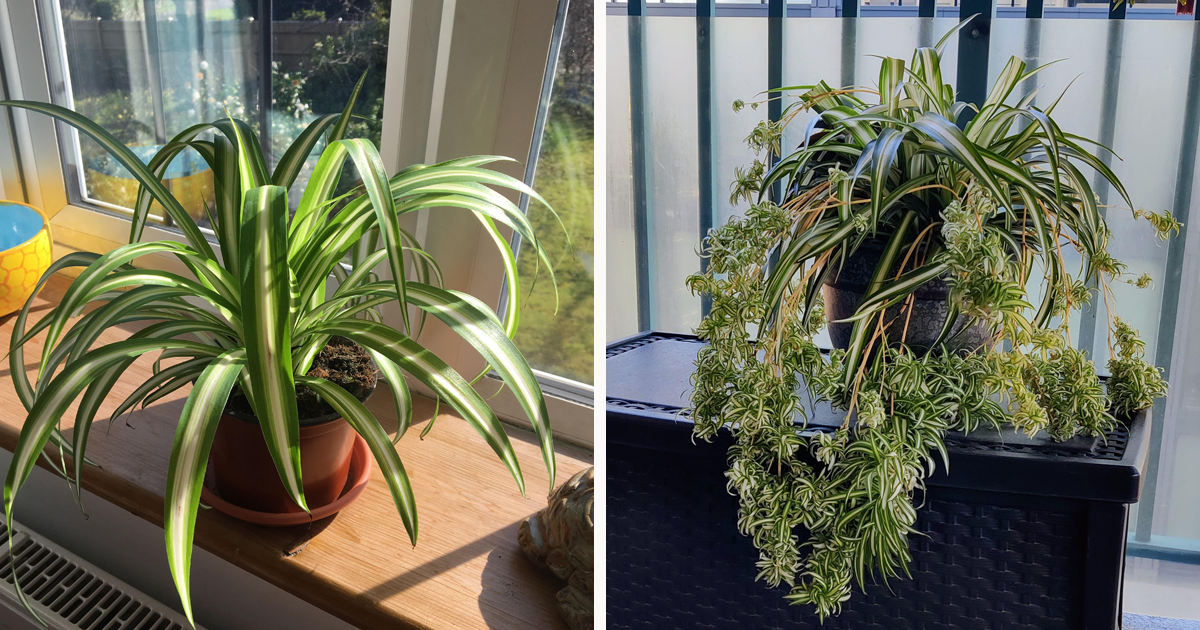

Some spiders belong outside. Some belong in superhero movies. And one very charming “spider” belongs in a hanging basket near your brightest window, casually producing baby plants like it has a side hustle in real estate. Meet the spider plant, also known as Chlorophytum comosum, ribbon plant, airplane plant, or the houseplant your friend keeps offering you for free because it simply will not stop multiplying.
Spider plant care is refreshingly simple, which is one reason this classic houseplant has survived decades of changing design trends. It has seen macramé hangers, minimalist shelves, maximalist plant corners, and probably your grandmother’s kitchen window. Through it all, it remains cheerful, forgiving, and almost suspiciously generous. Give it bright indirect light, decent drainage, moderate water, and a little attention, and it rewards you with arching leaves, tiny white flowers, and dangling plantlets that look like green fireworks.
This guide explains how to grow a healthy spider plant indoors, how to fix common problems like brown leaf tips, how to propagate spider plant babies, and why this easy-care houseplant deserves a place in your home even if you have previously committed crimes against houseplants. No judgment. The pothos remembers, but it forgives.
What Is a Spider Plant?
The spider plant is a tough, grass-like perennial commonly grown indoors for its long, arching leaves and dangling offshoots. Its foliage may be solid green, green with a creamy white center stripe, or green with white margins, depending on the variety. Mature plants often send out wiry stems that produce small white flowers followed by baby spider plants, usually called spiderettes, pups, offsets, or plantlets.
Despite its dramatic name, the spider plant does not bite, hide in shoes, or appear suddenly in the shower. Its “spider” reputation comes from the way its baby plants dangle from the mother plant like tiny spiders on a web. In a hanging basket, the effect is playful and elegant at the same time, like a plant that knows how to accessorize.
Why Spider Plants Are So Popular
Spider plants have earned their reputation as one of the best houseplants for beginners because they tolerate a wide range of indoor conditions. They prefer medium to bright indirect light, but they can survive in lower light better than many showier houseplants. They appreciate consistent moisture, yet their thick, tuberous roots store water, making them more forgiving if you forget a watering now and then.
They are also easy to share. Once a spider plant matures, it may produce enough plantlets to start a small neighborhood plant exchange, decorate your windowsill, or accidentally become “the spider plant person” in your friend group. There are worse identities.
Best Light for Spider Plant Care
The best light for spider plants is bright, indirect light. Think near an east-facing window, a few feet back from a south- or west-facing window, or behind a sheer curtain where the plant receives plenty of brightness without getting roasted. Direct afternoon sun can scorch the leaves, especially on variegated varieties with white or cream stripes.
Spider plants can handle medium light, but low light may slow growth and reduce the production of spiderettes. If your plant looks stretched, pale, or stingy with new babies, it may be asking for a brighter location. It is not being dramatic. It simply wants better real estate.
Signs Your Spider Plant Needs More Light
A spider plant that needs more light may grow slowly, lose some of its vivid variegation, or stop producing plantlets. The leaves may look thinner and less upright. Move it gradually to a brighter spot rather than shocking it with sudden direct sun. Houseplants, like people, do not appreciate being dragged from a dim room straight into a blazing beach vacation.
How Often to Water a Spider Plant
Watering is where many plant parents get nervous, but spider plant care is flexible. Water when the top inch or two of potting mix feels dry. Then water thoroughly until excess moisture drains from the bottom of the pot. Empty the saucer afterward so the roots are not sitting in water.
The goal is evenly moist soil during active growth, not swamp life. Overwatering can lead to yellow leaves, mushy roots, and general plant sadness. Underwatering may cause limp leaves, crispy tips, or slower growth, but spider plants often bounce back quickly after a good drink.
Seasonal Watering Tips
In spring and summer, spider plants usually grow more actively and may need water more often. In fall and winter, growth slows, indoor light decreases, and the plant may need less frequent watering. Always check the soil rather than watering on a strict schedule. Calendars are useful, but your finger in the soil is often the better plant-care app.
Best Soil and Pot for Spider Plants
Spider plants grow well in a general-purpose houseplant potting mix or soilless potting medium. The key is drainage. A loose, well-draining mix allows water to move through the container while still holding enough moisture for healthy roots.
Choose a pot with drainage holes. Decorative cachepots are fine, but use them as outer covers rather than planting directly into a sealed container. A spider plant stuck in soggy soil is not living its best life; it is sitting in a tiny indoor swamp wondering what went wrong.
Do Spider Plants Like Being Root Bound?
Spider plants often grow well when slightly pot bound, and mild root crowding may even encourage flowering and plantlet production. However, “slightly pot bound” is not the same as “trapped in a plastic prison forever.” If roots are circling tightly, pushing the plant out of the pot, or causing water to run straight through without soaking in, it is time to repot.
Repot into a container only one size larger. Too much extra soil can hold moisture longer than the plant can use it, increasing the risk of root rot.
Temperature and Humidity Needs
Spider plants are comfortable in typical indoor temperatures. They generally prefer cool to average household conditions and should be protected from cold drafts. Avoid placing them near exterior doors in winter, directly beside heating vents, or in windows where temperatures drop sharply at night.
Average indoor humidity is usually fine, though very dry air can contribute to brown leaf tips. If your home becomes desert-dry in winter, group houseplants together, use a pebble tray, or run a humidifier nearby. Misting can temporarily freshen leaves, but it is not a long-term solution for low humidity.
How to Fertilize a Spider Plant
Spider plants are not heavy feeders. During spring and summer, use a balanced houseplant fertilizer at half strength every four to six weeks, or follow the label carefully and err on the light side. Over-fertilizing can cause brown leaf tips and may reduce the number of plantlets.
Skip or reduce fertilizer in fall and winter when the plant is growing more slowly. Feeding a resting plant too much is like handing someone a giant breakfast while they are already asleep. Technically possible, but not helpful.
How to Propagate Spider Plant Babies
Propagation is one of the most delightful parts of spider plant care. When your plant produces spiderettes, you can turn them into new plants with very little effort. The easiest method is to wait until a baby has small roots or root nubs, then cut it from the stem and plant it in moist potting mix.
You can also root spider plant babies in water. Place the bottom of the plantlet in a small jar of water, keeping the leaves above the surface. Once roots are a few inches long, transfer the baby to soil. Water gently and keep it in bright indirect light while it settles in.
Propagation Step-by-Step
- Choose a healthy spiderette with visible root nubs.
- Cut it from the runner using clean scissors.
- Plant it in a small pot with fresh, well-draining mix.
- Keep the soil lightly moist, not soggy.
- Place the new plant in bright indirect light.
Some growers leave the baby attached to the mother plant while setting it in a nearby pot of soil. Once it roots, they snip the runner. This method is almost unfairly easy, which is why spider plants are often the gateway plant to a windowsill that slowly becomes a jungle.
Common Spider Plant Problems and How to Fix Them
Brown Leaf Tips
Brown tips are the spider plant’s most famous complaint. They can be caused by inconsistent watering, too much fertilizer, low humidity, salt buildup in the soil, or sensitivity to chemicals sometimes found in tap water. Trim brown tips with clean scissors if they bother you, following the natural shape of the leaf.
To prevent future browning, water deeply, let excess water drain away, reduce fertilizer, and occasionally flush the potting mix by running water through the soil. If your tap water is heavily treated or high in minerals, try using filtered water, rainwater, or water that has sat out overnight.
Yellow Leaves
Yellow leaves often point to overwatering, poor drainage, or low light. Check the soil first. If it is constantly wet, let it dry more between waterings and make sure the pot drains properly. If the plant is in a dark corner, move it closer to bright indirect light.
Pale or Faded Leaves
Faded leaves may mean your spider plant needs more light. Variegated varieties especially need enough brightness to maintain their contrast. Move the plant gradually to a brighter position, avoiding harsh direct sun.
No Spiderettes
If your spider plant refuses to make babies, it may be too young, too shaded, over-fertilized, or sitting in a pot that is too large. Give it bright indirect light, moderate feeding, and time. Some spider plants produce plantlets like popcorn; others wait until they are mature and slightly root bound.
Spider Plant Pests
Spider plants have relatively few pest problems, but they can still attract common houseplant pests such as spider mites, aphids, scale, or mealybugs. Inspect leaves regularly, especially the undersides and the crowded center of the plant. A quick check every week can prevent a tiny pest problem from becoming a full apartment takeover.
If you see pests, isolate the plant from others. Wipe leaves with a damp cloth or rinse the foliage with a gentle stream of water. For persistent problems, insecticidal soap may help when used according to label directions. Avoid harsh treatments unless necessary, because stressed plants are more vulnerable to future issues.
Are Spider Plants Safe for Pets?
Spider plants are widely listed as non-toxic to cats and dogs, making them a popular choice for pet-friendly homes. However, “non-toxic” does not mean “free salad bar.” If pets chew large amounts of plant material, they may still experience stomach upset.
Because dangling spiderettes are extremely tempting to curious cats, hanging baskets are a smart choice. Place the plant where your pet cannot turn it into a leafy piñata. You get a beautiful plant, your cat gets fewer questionable life choices, and everyone wins.
Best Places to Display a Spider Plant
Spider plants look especially good in hanging baskets, on plant stands, or on high shelves where their arching leaves and baby plants can cascade naturally. They work well in kitchens, bathrooms with enough light, bedrooms, home offices, and living rooms.
For a clean modern look, place a variegated spider plant in a simple white or terracotta pot. For a cozy vintage feel, use a hanging basket near a bright window. For maximum drama, let the plantlets grow long and wild until your spider plant looks like it is launching a tiny green parade.
Spider Plant Varieties to Consider
The classic variegated spider plant has green leaves with a white or cream stripe down the center. Reverse variegated types have green centers with lighter edges. Curly varieties, often sold as Bonnie spider plants, have twisting leaves that make the plant look bouncy and compact. Solid green spider plants are less flashy but beautifully lush.
All of these varieties have similar care needs: indirect light, moderate water, good drainage, and occasional feeding during active growth. Choose based on your style and available space. A curly spider plant is great for smaller shelves, while a full-size hanging spider plant can become a living chandelier.
Monthly Spider Plant Care Checklist
- Check soil moisture before watering.
- Rotate the pot for even growth.
- Trim brown tips or damaged leaves.
- Inspect for pests under leaves and near the crown.
- Wipe dusty leaves with a damp cloth.
- Feed lightly during spring and summer.
- Remove and pot up mature spiderettes if desired.
This simple routine keeps spider plant care manageable even if your schedule is busy. The plant does not need daily fussing. In fact, it often does better with calm consistency than with overenthusiastic attention. Love it, but do not smother it. That advice works for houseplants and group chats.
Real-World Experience: What Living With a Spider Plant Teaches You
The first thing you learn from caring for a spider plant is that “easy” does not mean “plastic.” It is forgiving, yes, but it still responds clearly to your habits. Put it in bright indirect light, water it when the top of the soil dries, and suddenly it starts throwing out plantlets like it has discovered passive income. Stick it in a dark corner and drown it every Tuesday because an app told you to, and it will survive for a while, but it will not exactly send you a thank-you card.
One practical experience many growers share is that spider plants are excellent confidence builders. A new plant parent may start with one small pot and, after a few months, notice fresh leaves rising from the center. Then a thin runner appears. Then a tiny white flower. Then a baby plant. That little sequence feels oddly rewarding, like the plant is saying, “Congratulations, you did not ruin this.” For anyone who has lost a fern to crispy despair or a succulent to overwatering, that encouragement matters.
Another lesson is that watering is more about observation than rules. In summer, a spider plant near a bright window may dry out quickly. In winter, the same plant may stay moist for much longer. The pot size, soil mix, room temperature, humidity, and amount of light all change how often it needs water. After a while, you stop asking, “What day is watering day?” and start asking, “What does the soil feel like?” That shift makes you better at caring for nearly every other houseplant too.
Spider plants also teach restraint. Brown tips can make perfectionists twitch. You may be tempted to fertilize more, water more, mist more, move the plant more, and generally behave like a helicopter parent with pruning shears. Usually, the better answer is simpler: reduce fertilizer, improve drainage, avoid harsh direct sun, and keep watering consistent. Trim the brown ends if they annoy you, then let the plant grow. A spider plant does not need to look airbrushed to be healthy.
Propagation is where the experience becomes genuinely fun. Giving someone a spider plant baby is low-cost, personal, and surprisingly charming. It says, “Here, I grew this tiny green creature, and now it is your responsibility.” Spiderettes root so easily that even beginners can succeed, and watching a baby plant become a full hanging basket creates a sense of continuity. Many families have spider plants descended from one original plant passed around for years. It is houseplant genealogy, but with less paperwork.
In small apartments, spider plants are especially useful because they add movement without taking up much floor space. A hanging basket near a window softens a room, fills vertical space, and brings life to corners that furniture cannot fix. In home offices, the plant’s arching shape adds calm without demanding constant attention. In kitchens, it looks fresh and cheerful. In bathrooms with adequate light, it appreciates the slightly higher humidity. Basically, the spider plant is the roommate who pays rent in good vibes.
The best experience-related advice is this: start simple. Buy a healthy plant, place it in bright indirect light, use a pot with drainage, and check the soil before watering. Do not chase perfection. Watch how the plant reacts over several weeks. If the leaves fade, increase light. If the soil stays wet, water less often or improve drainage. If babies appear, celebrate responsibly and prepare tiny pots. Before long, you may discover that the easiest spider to welcome indoors is the one with striped leaves, dangling pups, and absolutely no interest in crawling across your pillow.
Conclusion
Spider plant care is simple, satisfying, and beginner-friendly. This resilient houseplant thrives in bright indirect light, appreciates moderate watering, grows well in a draining potting mix, and rewards basic care with graceful foliage and easy-to-propagate babies. It is stylish enough for design lovers, forgiving enough for busy people, and friendly enough for homes with pets when kept out of nibbling range.
Whether you want a low-maintenance indoor plant, a hanging basket with personality, or a houseplant you can share with friends, the spider plant is a classic for good reason. Let this spider crawl into your home, and it may become the least scary, most generous little creature you have ever invited inside.