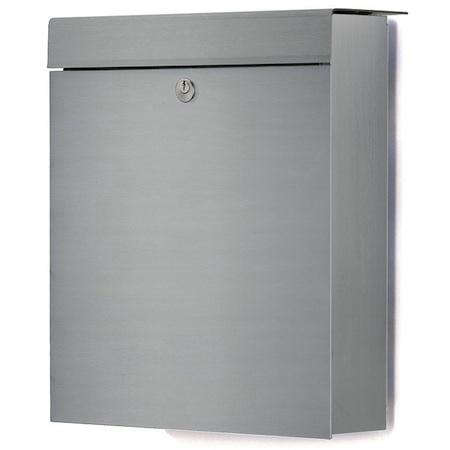

A stainless steel letterbox may not sound like the kind of home upgrade that makes neighbors slow down and whisper, “Wow, look at that curb appeal.” But give it a week. A tired, rusty mailbox can make even a well-kept entryway look like it just survived a pirate raid. A clean stainless steel letterbox, on the other hand, adds a sharp, modern, weather-ready detail that quietly says, “Yes, adults live here, and they know where the screwdriver is.”
Whether you call it a letterbox, mailbox, wall-mounted mailbox, curbside mailbox, or mail slot, the job is simple: receive letters, bills, catalogs, small envelopes, and the occasional postcard from someone who still believes in romance and stamps. But choosing the right stainless steel letterbox is not just about shiny metal. It is about durability, USPS-friendly placement, security, weather resistance, home style, installation, and maintenance. Let’s open the little metal door and take a closer look.
Why a Stainless Steel Letterbox Is Worth Considering
Stainless steel has become a favorite material for modern residential mailboxes because it handles outdoor exposure better than many basic painted steel options. It resists corrosion, looks clean, and pairs well with everything from brick townhouses to white farmhouse siding. Unlike plastic, it does not fade as quickly in the sun. Unlike cheap steel, it is less likely to bubble, peel, and rust after a few seasons of rain. And unlike wood, it does not need to be treated like a tiny outdoor deck.
The biggest benefit is long-term performance. A good stainless steel letterbox can deal with rain, snow, humidity, wind, and daily handling without looking exhausted. That matters because your mailbox is one of the first things visitors, delivery workers, and passersby notice. A scratched, leaning, rust-speckled box can drag down the whole front entrance. A sturdy stainless steel model gives the front of your home a crisp, intentional look.
Stainless Steel Letterbox vs. Regular Steel Mailbox
Regular steel mailboxes are often more affordable, but they usually rely heavily on paint or powder coating for protection. Once that finish chips, moisture can reach the metal underneath and rust begins its tiny villain origin story. Stainless steel is different because it contains chromium, which helps form a protective surface layer. That layer is why stainless steel resists staining and corrosion better than ordinary carbon steel.
However, “stainless” does not mean “magical metal from another planet.” Stainless steel can still discolor or develop surface rust in harsh environments, especially near saltwater, deicing salt, industrial pollution, or sprinkler overspray. The good news is that proper material choice and basic cleaning can greatly extend its life.
304 Stainless Steel
Grade 304 stainless steel is common for home and architectural use. It performs well in many outdoor residential settings and offers a good balance of durability, appearance, and cost. For most suburban homes, covered porches, and normal weather conditions, 304 stainless steel is a strong choice.
316 Stainless Steel
Grade 316 stainless steel contains molybdenum, which improves resistance to chloride corrosion. In plain English: it is better for coastal homes, salty air, and areas where winter road salt is part of the landscape. If your home is near the ocean or your curbside mailbox gets blasted with salty slush every winter, 316 stainless steel is worth considering.
430 Stainless Steel
Grade 430 stainless steel is often used in lower-cost products. It can look attractive, but it is generally less corrosion-resistant than 304 or 316. It may be fine in mild, dry climates, but it is not the first choice for demanding outdoor exposure.
Types of Stainless Steel Letterboxes
Not every stainless steel letterbox works the same way. Before buying, match the style to your delivery method, property layout, and local postal requirements.
Wall-Mounted Stainless Steel Letterbox
A wall-mounted letterbox attaches near the front door, porch, gate, or entry wall. This type is common where mail carriers walk to the house. It is convenient, stylish, and easy to check without stepping into the street. Many modern wall-mounted models include a top flap, front retrieval door, lock, newspaper slot, or nameplate area.
For wall-mounted mailboxes, choose a size that can hold a normal day’s mail, including envelopes, postcards, small catalogs, and magazines. A tiny decorative box may look charming, but if it turns your mail into origami every Tuesday, it is too small.
Curbside Stainless Steel Mailbox
A curbside mailbox is mounted on a post near the street so the carrier can deliver from a vehicle. In the United States, curbside mailbox placement is more regulated than wall-mounted mailbox placement. Typical USPS guidance places the mailbox opening 41 to 45 inches above the road surface and 6 to 8 inches back from the curb. The box should be on the right-hand side of the road in the carrier’s direction of travel.
If you are replacing an existing curbside mailbox, look for a model approved for curbside delivery and confirm your local post office requirements before installation. This is not the moment to freestyle with a mailbox shaped like a submarine unless the postmaster is unusually adventurous.
Locking Stainless Steel Letterbox
A locking stainless steel letterbox adds a secure compartment that protects incoming mail until you retrieve it. The carrier deposits mail through a slot or flap, and you open the lower compartment with a key. This design is useful for busy streets, vacation homes, apartment entries, and anyone who receives checks, cards, or sensitive documents by mail.
A good locking model should have a mail slot large enough for normal envelopes but designed so a hand cannot easily reach inside. Look for a smooth flap, anti-pry features, solid hinges, and a weather-resistant lock. Remember that a locking mailbox helps protect incoming mail, but outgoing mail with raised flags can still attract attention. For sensitive outgoing items, a post office drop box is safer.
Mail Slot or Through-Door Letterbox
A mail slot is installed directly into a door or wall. Stainless steel mail slots can look elegant and save exterior space. Door slots typically need to meet size and placement rules, including a minimum opening that allows normal mail delivery. They should also include a flap that closes securely to reduce drafts, pests, and rain intrusion. Nobody wants a utility bill delivered with a side order of cold air.
How to Choose the Best Stainless Steel Letterbox
1. Match It to Your Delivery Method
Your first decision is simple: does your carrier deliver from the street or walk to your door? If delivery happens from a vehicle, you probably need a curbside mailbox. If delivery happens at the entrance, a wall-mounted letterbox or mail slot may work. If changing from curbside to wall-mounted delivery, check with your local postmaster first.
2. Pick the Right Size
Think about your real mail volume. A household that mostly receives letters and postcards can use a compact box. A family that gets magazines, catalogs, insurance envelopes, and small padded mailers should choose a larger capacity model. If you travel often, size becomes even more important because mail can stack up quickly.
3. Look for Weather Protection
The best stainless steel letterbox should keep rain out while allowing mail to slide in easily. Look for an overhanging flap, sloped top, sealed edges, drainage design, and a door that closes firmly. If the box will be exposed directly to storms, avoid models with large unprotected openings.
4. Check the Finish
Common finishes include brushed stainless steel, satin stainless steel, polished stainless steel, matte black with stainless accents, and powder-coated stainless steel. Brushed and satin finishes are popular because they hide fingerprints and small scratches better than mirror-polished surfaces. Polished stainless steel looks dramatic, but it can also reveal every smudge like it is auditioning for a detective show.
5. Consider Security
If mail theft is a concern in your area, choose a locking stainless steel letterbox. The U.S. Postal Inspection Service recommends collecting mail promptly and not leaving mail in the mailbox overnight, especially when expecting checks, cards, or sensitive documents. A lock adds protection, but habits matter too.
6. Coordinate With Your Home Style
A stainless steel letterbox works beautifully with modern, industrial, minimalist, and contemporary homes. It can also create a clean contrast on brick, stone, stucco, or painted siding. For traditional homes, choose a softer satin finish or a design with simple decorative lines. For ultra-modern homes, a sleek rectangular box with hidden mounting hardware can look especially sharp.
Installation Tips for a Stainless Steel Letterbox
Installing a stainless steel letterbox is usually manageable for a careful DIY homeowner, but the details matter. For wall-mounted models, use the right anchors for your surface. Brick, concrete, stucco, wood siding, vinyl siding, and metal gates all require different fasteners. The box should sit level, open smoothly, and be easy for the carrier to reach.
If mounting to masonry, use masonry anchors and avoid drilling into weak mortar whenever possible. If mounting to siding, be careful not to crush or distort the surface. Use spacers or a mounting board if needed. A small bead of exterior-grade sealant around vulnerable holes can help keep water out of the wall, but do not seal drainage gaps that the manufacturer designed into the box.
For curbside installation, use a safe, breakaway-style post. Heavy masonry columns and rigid oversized supports can be dangerous if struck by a vehicle. Federal Highway Administration guidance commonly supports posts such as a 4-by-4-inch wooden post or a 2-inch diameter standard steel or aluminum pipe, installed in a way that can break away under impact. Always confirm local road, HOA, and USPS rules before setting a post.
Maintenance: How to Keep Stainless Steel Looking Good
A stainless steel letterbox is low-maintenance, not no-maintenance. The easiest routine is to wash it with mild soap and warm water, rinse well, and dry with a soft cloth. This removes dirt, pollen, salt, and pollution before they sit on the surface too long.
Avoid steel wool, harsh abrasives, bleach, and chlorine-based cleaners. Steel wool can leave tiny iron particles that rust on the surface. Chlorine can attack stainless steel, especially in warm or salty environments. For fingerprints, use a microfiber cloth and a stainless steel cleaner made for exterior surfaces. Always wipe with the grain on brushed stainless finishes.
If you see small rust-colored spots, do not panic. Many are surface contamination rather than deep corrosion. Clean gently with a non-abrasive stainless steel cleaner. For coastal homes, rinse the letterbox more often, especially after storms or windy salt spray. Your mailbox may be tough, but it does not need to wear ocean seasoning like a french fry.
Common Mistakes to Avoid
Buying Only for Looks
A beautiful letterbox that leaks, jams, or barely fits a greeting card is not a good purchase. Style matters, but capacity, weather protection, and placement matter more.
Ignoring Local Rules
USPS delivery rules, neighborhood standards, road safety requirements, and HOA guidelines can all affect mailbox selection. A quick check before installation can save you from moving the box later.
Choosing the Wrong Stainless Grade
If you live in a coastal or high-salt area, a basic stainless model may discolor faster than expected. Choose higher corrosion resistance when the environment demands it.
Mounting It Too Low, Too High, or Too Hidden
A letterbox should be convenient for the mail carrier and easy for you to access. Do not hide it behind planters, gates, decorations, or a shrub that has mistaken itself for a jungle.
Best Places to Use a Stainless Steel Letterbox
A stainless steel letterbox is especially useful for modern homes, urban row houses, duplexes, townhomes, offices, rental properties, and homes with exposed entrances. It is also a strong choice for areas with frequent rain because stainless steel handles moisture better than many cheaper materials.
For apartments, multifamily buildings, and commercial locations, stainless steel hardware is often paired with aluminum mailbox systems because the combination offers durability, clean design, and long service life. For single-family homes, stainless steel brings that same professional-grade feel to a smaller scale.
Is a Stainless Steel Letterbox Worth the Price?
In many cases, yes. A stainless steel letterbox usually costs more than a basic plastic or painted steel mailbox, but the longer lifespan and better appearance can make it a smarter value. It is the kind of upgrade you buy once and appreciate quietly every day. No confetti. No marching band. Just a mailbox that does its job without rusting into a sad little metal sandwich.
It is especially worth it if your current mailbox is rusted, leaking, hard to open, too small, or out of style with your home exterior. It can also be a good improvement before selling a home because curb appeal begins before buyers reach the front door.
Experience-Based Notes: Living With a Stainless Steel Letterbox
The first thing people usually notice after installing a stainless steel letterbox is how much cleaner the entryway looks. It is a small object, but it has surprising visual weight. A front porch with a faded plastic mailbox can feel unfinished. Replace it with a satin stainless steel letterbox, and suddenly the porch light, door hardware, house numbers, and mailbox all begin speaking the same design language. Ideally, that language is “tasteful homeowner,” not “random clearance bin.”
In daily use, the best stainless steel letterboxes feel solid. The flap should lift smoothly without squeaking. The retrieval door should close with a confident click. The lock should turn easily without needing the delicate wrist angle of a safecracker in a movie. When a letterbox feels flimsy, you notice it every time you check the mail. When it feels sturdy, you stop thinking about it, which is exactly what good home hardware should do.
One practical lesson is to buy more capacity than you think you need. A small wall-mounted letterbox may look sleek in product photos, but real mail is rarely that polite. Catalogs arrive. Insurance documents arrive. Charity envelopes arrive with dramatic fonts. A larger stainless steel letterbox prevents folded magazines, bent envelopes, and mail sticking out in the rain. For households that travel on weekends, extra capacity is even more useful.
Another experience-based tip is to pay attention to the direction of weather. A letterbox under a covered porch has an easier life than one mounted on a gate facing sideways rain. If your entry gets wind-driven rain, choose a model with a deep protective flap and tight seams. If your home gets morning sun, a brushed finish may hide dust and fingerprints better than a mirror finish. If your sprinkler hits the mailbox every day, adjust the sprinkler. Stainless steel is durable, but it should not be treated like a lawn ornament at a water park.
Cleaning is usually quick. A damp microfiber cloth handles most dust and fingerprints. A mild soap wash every few weeks keeps the finish fresh. In salty or humid areas, rinsing more often helps prevent tea staining, which is a brownish discoloration that can appear on stainless steel surfaces exposed to salt and pollutants. It is easier to prevent than to remove, so a few minutes of maintenance can save a lot of scrubbing later.
Security also becomes more noticeable after installation. A locking stainless steel letterbox gives peace of mind, especially when mail includes bank notices, tax forms, replacement cards, or medical paperwork. Still, the best habit is checking mail daily. A mailbox is not a bank vault; it is a polite metal waiting room for envelopes. Letting mail pile up invites trouble and makes even a secure box less effective.
Finally, installation quality makes or breaks the experience. A premium stainless steel letterbox mounted crookedly will bother you forever. Measure twice, level carefully, use proper anchors, and test the door before calling the job done. When installed at the right height, in the right location, and with the right fasteners, a stainless steel letterbox becomes one of those rare upgrades that is both practical and attractive. It protects mail, improves curb appeal, and quietly upgrades the first impression of your home every single day.
Conclusion
A stainless steel letterbox is a smart choice for homeowners who want durability, style, and better weather resistance in one compact package. It works well for modern entrances, traditional porches, curbside posts, gates, and secure mail setups. The best option depends on your delivery method, climate, security needs, and home design. Choose the right stainless grade, install it correctly, maintain it gently, and your letterbox can stay handsome for years without demanding much attention.
In short, a stainless steel letterbox is not just a place where coupons go to nap. It is a functional piece of exterior hardware that protects your mail, supports curb appeal, and adds a polished finishing touch to your home. Small upgrade, big difference.