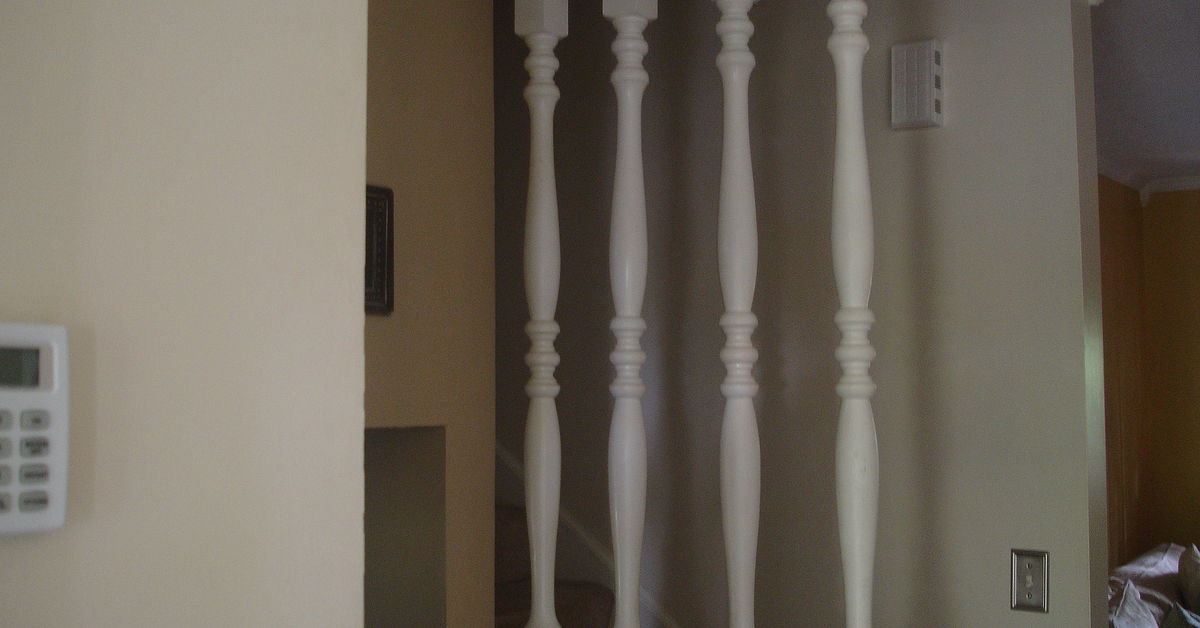

A staircase is rarely just a staircase. It is the first dramatic pause after the front door, the architectural handshake between floors, and, if we are being honest, the place where laundry baskets pause for three business days. When styled well, stair spindles and a gallery wall can turn that hardworking transition zone into one of the most memorable areas in the home.
The magic happens when structure and personality work together. Stair spindles, also called balusters, create rhythm, safety, and architectural character. A gallery wall adds story, color, and warmth. Put them together thoughtfully, and your stairway becomes less “blank hallway with steps” and more “curated design moment that did not require knocking down a wall.”
This guide explores how to choose, update, paint, and style stair spindles while designing a staircase gallery wall that feels balanced, personal, and polished. Whether your home leans farmhouse, traditional, modern, transitional, or “I bought this frame in 2017 and still haven’t hung it,” there is a smart way to make the stair area look intentional.
What Are Stair Spindles?
Stair spindles are the vertical pieces that sit between the handrail and the stair tread, shoe rail, or base rail. In more formal building language, they are often called balusters. The full railing system may include the handrail, balusters, newel posts, and supporting rails. The newel posts are the larger anchor posts at the top, bottom, and turns of the staircase.
In everyday conversation, homeowners often use “spindle” and “baluster” interchangeably. Designers and contractors may be more specific, especially when ordering parts or discussing code requirements. Knowing the difference is helpful because buying “a thingy for the stair rail” rarely inspires confidence at the lumber counter.
Why Spindles Matter More Than You Think
Stair spindles do three important jobs. First, they help create a protective barrier along the open side of the stairs. Second, they support the visual line of the handrail. Third, they influence the entire style of the entryway or hallway. Thin black iron spindles can make a space feel sleek and modern. Turned wood spindles can lean traditional or cottage. Square white balusters often feel clean, classic, and friendly.
Because the staircase usually sits in a high-traffic area, any change to the spindles has an outsized effect. Painting them, replacing dated designs, or simplifying a busy railing can make the surrounding walls, floors, and decor look fresher without a full remodel.
Stair Spindle Styles That Work With a Gallery Wall
The best stair spindle style depends on your architecture, your wall decor, and how much visual activity you want in one area. A gallery wall already adds pattern, frames, shapes, and images. If your railing is also highly ornate, the combination can get noisy fast. Picture a brass band practicing in a closet. Technically impressive, but not relaxing.
Wood Spindles
Wood spindles are timeless and flexible. Painted white wood spindles brighten a staircase and pair well with family photos, black frames, coastal art, or soft neutral prints. Stained wood spindles feel warmer and more traditional, especially when matched to stair treads or flooring.
For a classic look, combine stained handrails with painted spindles. For a more current and seamless look, consider using one stain tone across the railing and treads. If the gallery wall includes vintage art, sepia family photos, or natural wood frames, stained spindles can create a beautiful connection.
Iron Spindles
Iron spindles are popular for homeowners who want contrast and definition. Simple black iron balusters can look modern, elegant, and slightly dramatic without taking over the room. They work especially well with white walls, warm wood stairs, and gallery walls that include black frames.
The key is restraint. A few twists or decorative accents can be charming, but heavy scrollwork may compete with the artwork. If your gallery wall is full of colorful prints, ornate frames, and sentimental objects, streamlined iron spindles usually keep the whole scene from turning into a visual wrestling match.
Square or Craftsman-Style Spindles
Square spindles are clean, architectural, and easy to pair with gallery walls. They suit Craftsman, farmhouse, transitional, and modern homes. Their straight lines create order, which helps when the wall above the stairs features mixed frame sizes or an eclectic layout.
If you want the gallery wall to be the star, square spindles are a safe and stylish choice. They provide rhythm without demanding applause.
Safety and Spacing: The Non-Negotiable Part
Before choosing a finish or frame color, remember that stair railings are safety features. In many U.S. residential settings, baluster openings are commonly expected to prevent a 4-inch sphere from passing through. Stair-specific rules and local building codes can vary, so homeowners should confirm requirements with local authorities or a qualified contractor before modifying a railing.
This matters when replacing spindles, removing old balusters, or changing the spacing. A railing that looks airy but leaves unsafe gaps is not a design win. It is a future inspection headache wearing a cute outfit.
When to Call a Professional
Painting spindles can be a DIY project. Replacing one damaged spindle may also be manageable for careful homeowners with the right tools. But if you are moving newel posts, changing railing height, removing structural parts, or altering baluster spacing, bring in a professional. Stair systems must be sturdy, aligned, and compliant.
A finish carpenter or stair specialist can help ensure the railing looks good and performs properly. This is one area where “close enough” is not the vibe.
How to Update Stair Spindles Without Rebuilding the Staircase
A full staircase renovation can be expensive, but small changes can deliver a major visual upgrade. Start with the least invasive option and move up from there.
Paint the Spindles
Painting stair spindles is one of the most budget-friendly ways to refresh a staircase. White, soft cream, deep charcoal, satin black, and warm greige are all popular choices. Black spindles can add crisp contrast, while white spindles can make a narrow stairwell feel brighter.
Preparation is everything. Clean the spindles, lightly sand glossy surfaces, use painter’s tape where needed, and apply a bonding primer before the final coats. Spindles are basically a group project made of tiny sides, so patience helps. A small angled brush and a steady playlist can get you through it.
Stain or Refinish the Handrail
If the spindles are in good shape but the stair rail feels dated, refinishing the handrail may be enough. A dark walnut stain can add sophistication. A natural oak finish can make the space feel lighter and more organic. A glossy painted rail can add a designer touch, especially when repeated in the gallery wall frames.
Replace Dated Balusters
Replacing ornate or damaged balusters can dramatically change the staircase. Many homeowners swap older wood or decorative iron designs for cleaner wood, simple iron, or square-profile options. The goal is not always to make the stairs trendy. The better goal is to make them feel connected to the rest of the home.
If your gallery wall is modern and minimal, overly decorative spindles may feel out of step. If your home has vintage trim and traditional details, very sleek metal spindles may feel too sharp. Aim for harmony, not a staircase identity crisis.
Why a Staircase Gallery Wall Works So Well
A staircase wall is a natural gallery wall location because it offers vertical movement. As people walk up or down, the art unfolds gradually. Instead of one static wall, you get a little story in motion. Family photos, travel prints, sketches, vintage maps, children’s artwork, mirrors, or collected pieces can all work beautifully.
The challenge is the angle. A staircase gallery wall has to follow the rise of the stairs while still feeling balanced. That means the layout should relate to the slope, not fight it.
Choose a Layout Style
There are three common approaches: grid, collected, and hybrid. A grid gallery wall uses matching frames in even rows. It feels clean, calm, and organized. A collected gallery wall mixes frame sizes, finishes, and art types. It feels personal and layered. A hybrid layout uses a few larger anchor pieces with smaller frames placed around them.
For staircases with bold spindles, a grid layout can calm the area. For simple spindles, a collected wall can add personality. If you are nervous, choose the hybrid approach. It looks curated without requiring mathematical wizardry.
Use a Visual Centerline
A helpful trick is to imagine a line running parallel to the stair angle. The middle of your gallery arrangement should generally follow that line. On landings or flat walls, return to standard eye-level hanging principles. This keeps the arrangement from looking like the frames are slowly sliding downhill.
Many designers recommend planning on the floor first. Use painter’s tape to mark the wall size or create paper templates for each frame. Tape the templates to the wall, step back, adjust, and only then make holes. Your future self, holding a tub of spackle, will thank you.
Frame Spacing and Size Tips
Spacing can make or break a gallery wall. If frames are too far apart, the arrangement looks scattered. If they are too close, it can feel cramped. A practical range for many staircase gallery walls is about 2 to 3 inches between frames, though larger walls and oversized art may allow more breathing room.
Frame size matters too. A wall full of tiny 5-by-7 frames can look busy on a staircase, especially from a distance. Larger frames, such as 11-by-14, 16-by-20, or 20-by-24, often work better as anchor pieces. Smaller frames can fill gaps, but the larger pieces create structure.
Match Frames to the Spindles
One of the easiest ways to make stair spindles and a gallery wall feel connected is to repeat colors or materials. If you have black iron spindles, include a few black frames. If your railing has warm oak tones, add wood frames or art with warm neutral colors. If your spindles are white, consider white mats to echo that clean look.
You do not need everything to match. In fact, a little variation keeps the wall from looking like a hotel corridor. Just give the eye a few repeating elements so the staircase feels designed rather than accidentally accumulated.
Best Art Ideas for a Stairway Gallery Wall
The best gallery wall feels personal, but it still needs editing. A staircase is not the place for every photo you have ever loved, including the blurry beach shot where someone’s thumb made a cameo. Choose pieces that tell a story and look good together.
Family Photos
Family photos are a classic choice for stairway gallery walls. Black-and-white prints create a cohesive look, especially when paired with matching frames. Color photos can work too, but consider using similar editing tones so the wall feels unified.
Travel Prints and Maps
Travel photography, vintage maps, postcards, and city prints add character. They also give guests something to look at while pretending not to be out of breath halfway up the stairs.
Original Art and Children’s Work
Mixing original art with personal pieces creates warmth. Children’s drawings can look surprisingly sophisticated when framed with mats. The secret is presentation. A crayon dinosaur in a nice frame suddenly becomes “early-period abstract expressionism.”
Mirrors and Dimensional Objects
Mirrors can bounce light around a stairwell, especially in narrow or darker spaces. Small sculptural objects, woven pieces, or plaques can add texture. Use them sparingly so the wall remains easy to dust and safe in a high-traffic zone.
Lighting Makes the Difference
Good lighting can elevate both stair spindles and a gallery wall. Natural light is wonderful, but direct sun can fade artwork over time. If your stairwell gets strong sunlight, consider UV-protective glass, prints you can replace, or art placed away from the harshest exposure.
Wall sconces, picture lights, or recessed lighting can make the gallery wall feel intentional. Warm bulbs usually flatter wood tones and family photos. Avoid harsh lighting that creates glare on glass frames. Nobody wants to admire a treasured portrait and see only a reflection of the ceiling fan.
Color Palettes That Bring Everything Together
For a calm look, use white or warm neutral walls, natural wood handrails, and black or wood frames. For a modern look, try black spindles, crisp white walls, and a gallery wall with strong graphic art. For a cozy traditional look, use stained wood spindles, antique brass accents, vintage landscapes, and cream mats.
If you love color, let the artwork carry it. The staircase itself usually benefits from a more restrained base because stairs already have lines, shadows, angles, and movement. A bold runner, colorful art, or painted handrail can add energy without overwhelming the space.
Common Mistakes to Avoid
One common mistake is choosing spindles and art separately. The stair railing and gallery wall live in the same visual zone, so they should have a relationship. Another mistake is hanging frames too high or too low relative to the stair slope. A third is using too many small frames, which can make the wall feel cluttered.
Also avoid ignoring safety for style. Never remove spindles to create a more open look unless the replacement system meets code and is properly installed. A beautiful staircase should still behave like a staircase, not an obstacle course with decorative ambitions.
A Simple Step-by-Step Plan
Step 1: Assess the Staircase
Look at your spindles, handrail, newel posts, stair treads, runner, wall color, and lighting. Decide what feels dated or disconnected.
Step 2: Choose the Main Design Direction
Pick a style: classic, modern, collected, farmhouse, coastal, traditional, or transitional. This keeps every later choice easier.
Step 3: Update the Spindles First
Paint, refinish, repair, or replace the spindles before hanging art. It is much easier to paint a railing when frames are not already on the wall acting like tiny judgmental obstacles.
Step 4: Plan the Gallery Wall
Gather frames and art. Choose a grid, collected, or hybrid layout. Lay everything out on the floor or use paper templates on the wall.
Step 5: Hang, Adjust, and Secure
Use proper hanging hardware, especially on lower frames where kids, pets, bags, and elbows may pass by. Add adhesive bumpers or museum putty where needed to keep frames straight.
Real-Life Experience: What Actually Works in a Stair Spindles and Gallery Wall Project
In real homes, the biggest challenge is not inspiration. Inspiration is everywhere. The biggest challenge is making the staircase look finished without making it feel overdecorated. A stairway already has strong geometry: angled rails, repeating spindles, steps, shadows, and often a runner. Add a gallery wall, and the design can either sing beautifully or start shouting over itself.
One practical experience is to begin with the railing finish before choosing the final art layout. For example, a staircase with honey oak spindles may look busy when paired with gold frames, colorful photos, and a patterned runner. But paint the spindles a soft white, deepen the handrail with a richer stain, and suddenly those same frames look more intentional. The background matters more than people expect.
Another lesson: larger frames usually look better on stairs than tiny frames. Small frames can be charming up close, but staircases are often viewed from the entry, hallway, or lower landing. From that distance, small pieces become visual confetti. A few larger anchor frames give the arrangement confidence. Then smaller pieces can fill the layout like supporting actors instead of stealing the scene with chaos.
Paper templates are worth the effort. Cut kraft paper or recycled wrapping paper to the size of each frame, label each template, and tape it to the wall. This lets you test the slope, spacing, and balance before committing to nails. It also helps you see awkward gaps that are not obvious on the floor. The wall always tells the truth. The floor is a charming liar.
When combining stair spindles and a gallery wall, repeating one color is the easiest design shortcut. If the spindles are black, repeat black in at least a few frames. If the handrail is walnut, include wood frames or warm-toned art. If the spindles are white, use white mats or pale artwork to connect the railing to the wall. This repetition creates unity without making everything match perfectly.
Lighting is another detail people often underestimate. A staircase gallery wall can look flat in poor lighting, especially if the stairwell has no nearby window. Adding a sconce, improving ceiling lighting, or choosing non-glare glass can make the display feel more refined. Even the best art looks less impressive when it is hiding in a dim stairwell like it owes someone money.
Finally, leave room for change. A gallery wall does not have to be frozen forever. Family photos can be updated, seasonal prints can rotate, and travel memories can be added over time. The staircase is a living part of the home. The goal is not museum perfection. The goal is a space that feels safe, beautiful, personal, and welcoming every time someone walks through it.
Conclusion
Stair spindles and a gallery wall are a powerful design pairing because they combine architecture with personality. The spindles provide rhythm, safety, and structure. The gallery wall brings warmth, memory, color, and movement. When the two are planned together, a plain stairway can become one of the most charming features in the home.
Start with safety and proportion. Keep spindle spacing compliant, choose finishes that support your home’s style, and build the gallery wall around a clear visual line. Use larger frames as anchors, repeat colors from the railing, and give the arrangement enough breathing room. With a little planning, your staircase can stop being a pass-through zone and start acting like the design feature it secretly always wanted to be.
Note: This publish-ready article is written in original American English and synthesizes practical design, DIY, and safety guidance for stair spindles and staircase gallery walls without duplicating source text.