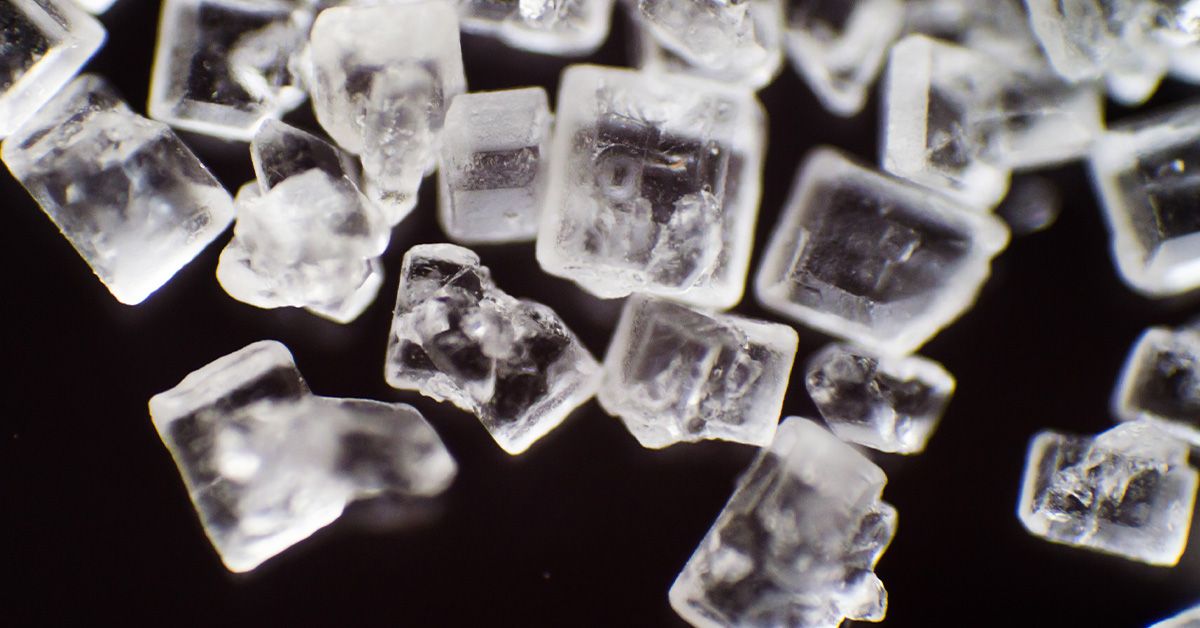

Sugar metabolism sounds like something that happens in a secret laboratory wearing a tiny white coat. In reality, it is happening right now inside your body, whether you are eating oatmeal, sipping coffee, running errands, or wondering why that “just one cookie” somehow turned into a cookie committee meeting.
At its simplest, sugar metabolism is the way your body breaks down carbohydrates into glucose, moves that glucose into your cells, and uses or stores it for energy. Glucose is not the enemy. Your brain, muscles, red blood cells, and many other tissues depend on it. The real goal is not to “kill sugar forever,” but to help your body handle blood sugar smoothly, without dramatic spikes, crashes, cravings, and energy slumps.
Understanding how sugar metabolism works can help you make smarter daily choices about food, exercise, sleep, stress, and meal timing. The best part? Improving glucose metabolism does not require a joyless diet of steamed sadness. It usually comes down to consistent habits that support insulin sensitivity, balanced meals, movement, and better recovery.
What Is Sugar Metabolism?
Sugar metabolism is the process your body uses to turn carbohydrates into usable energy. When you eat carbohydrate-containing foods, such as bread, rice, fruit, beans, milk, pasta, potatoes, or desserts, your digestive system breaks many of those carbohydrates into glucose. Glucose then enters your bloodstream, which is why people often use the terms “blood glucose” and “blood sugar” interchangeably.
Once glucose is in the blood, your body needs to move it where it belongs: inside your cells. That is where insulin enters the story. Insulin is a hormone made by the pancreas. When blood sugar rises after a meal, the pancreas releases insulin, which acts like a key that helps glucose move from the bloodstream into muscle, fat, and liver cells.
Some glucose is used immediately for energy. Some is stored in the liver and muscles as glycogen, which acts like a backup fuel tank. When you go several hours without eating, your body can release stored glucose to help keep your blood sugar from dropping too low. This balance is one reason the human body is impressive, even if it occasionally demands nachos at 10 p.m.
How Sugar Metabolism Works Step by Step
1. You Eat Carbohydrates
Carbohydrates come in several forms: sugars, starches, and fiber. Sugars are found naturally in fruit and dairy, and they are also added to many packaged foods and drinks. Starches are found in foods like grains, beans, corn, peas, and potatoes. Fiber is a type of carbohydrate found in plant foods, but unlike sugars and starches, it is not fully digested into glucose.
This distinction matters. A bowl of lentils and a sugary soda both contain carbohydrates, but they behave very differently in your body. Lentils bring fiber, protein, minerals, and slow-digesting starch. Soda brings fast sugar with almost no nutritional backup. One is a steady coworker. The other is a confetti cannon in your bloodstream.
2. Digestion Turns Carbs Into Glucose
Digestive enzymes break down many carbohydrates into glucose and other simple sugars. These sugars are absorbed through the small intestine and enter the bloodstream. The speed of this process depends on the food. Refined grains and sugary drinks tend to enter the bloodstream quickly. Whole grains, beans, vegetables, and fruit usually digest more slowly because they contain fiber, water, and other nutrients.
3. The Pancreas Releases Insulin
As blood glucose rises, the pancreas releases insulin. Insulin helps cells absorb glucose and use it for energy. This keeps blood sugar from staying too high for too long. In a healthy system, blood glucose rises after a meal, insulin responds, cells take in glucose, and blood sugar gradually returns toward its normal range.
4. Your Body Stores Extra Glucose
If you eat more glucose than your body needs immediately, some is stored as glycogen in the liver and muscles. Glycogen is especially important for physical activity. When you walk, lift weights, climb stairs, or sprint after your dog because he has stolen a sock, your muscles can use stored glycogen for fuel.
5. Blood Sugar Falls Between Meals
Between meals, your body still needs energy. The liver helps by releasing glucose into the bloodstream. Hormones such as glucagon help prevent blood sugar from falling too low. This is why healthy sugar metabolism is not only about lowering blood sugar; it is about keeping levels stable and appropriate throughout the day.
What Happens When Sugar Metabolism Is Not Working Well?
Problems can develop when cells stop responding well to insulin. This is called insulin resistance. When insulin resistance happens, muscle, liver, and fat cells do not take in glucose as efficiently. The pancreas may respond by making more insulin. For a while, this extra insulin can keep blood sugar in range. But over time, the system can become strained.
Insulin resistance is linked to prediabetes, type 2 diabetes, metabolic syndrome, fatty liver disease, and higher cardiovascular risk. It can also contribute to energy crashes, increased hunger, belly fat gain, and stubborn cravings. However, insulin resistance is not a personal failure. It is influenced by genetics, age, physical activity, body composition, sleep, stress, food choices, medications, and other health conditions.
The encouraging news is that sugar metabolism can often improve with lifestyle changes. Even modest improvements in movement, food quality, sleep, and weight management can make cells more responsive to insulin.
Common Signs Your Blood Sugar May Be Riding a Roller Coaster
Blood sugar changes are not always obvious, and symptoms can overlap with many other conditions. Still, some people notice patterns such as afternoon fatigue, intense cravings for sweets, shakiness when meals are delayed, brain fog after high-carb meals, frequent hunger, or feeling sleepy shortly after eating.
Consistently high blood sugar may cause increased thirst, frequent urination, blurry vision, slow-healing cuts, or unexplained fatigue. These symptoms should not be ignored. If you suspect blood sugar problems, ask a healthcare professional about testing such as fasting glucose, A1C, or an oral glucose tolerance test.
Foods That Support Healthy Sugar Metabolism
Choose High-Fiber Carbohydrates
Fiber is one of the most useful tools for blood sugar control. Because fiber is not digested the same way as sugars and starches, it helps slow digestion, supports fullness, and reduces sharp glucose spikes. Good sources include beans, lentils, oats, barley, berries, apples, vegetables, chia seeds, flaxseeds, nuts, and whole grains.
Instead of asking, “Should I eat carbs?” ask, “What kind of carbs am I eating, and what are they bringing to the table?” A sweet potato with beans and avocado is very different from a frosted pastry eaten alone while standing dramatically over the sink.
Pair Carbs With Protein and Healthy Fat
Carbohydrates are easier on blood sugar when they are paired with protein, healthy fats, and fiber. For example, an apple with peanut butter usually has a steadier effect than apple juice. Brown rice with salmon and vegetables is more balanced than a giant bowl of plain rice. Greek yogurt with berries and walnuts is more supportive than sweetened yogurt with candy-like granola.
Protein and fat slow digestion and help you feel satisfied longer. That does not mean every meal needs to be a complicated nutrition spreadsheet. A simple rule works well: build meals with a fiber-rich carb, a protein source, colorful plants, and a healthy fat.
Limit Added Sugars Without Fearmongering
Added sugars are sugars placed into foods during processing or preparation. They show up in soda, sweetened coffee drinks, candy, cookies, flavored yogurts, breakfast cereals, sauces, and many packaged snacks. Too much added sugar can crowd out nutritious foods and make blood sugar harder to manage.
The practical move is not to panic over every gram of sugar. Whole fruit, plain milk, and unsweetened yogurt contain natural sugars along with vitamins, minerals, water, and sometimes fiber or protein. The bigger concern is frequent intake of added sugars, especially in drinks and ultra-processed foods that are easy to overconsume.
Use the Plate Method
A helpful blood sugar-friendly plate often looks like this: half non-starchy vegetables, one quarter lean protein, and one quarter high-fiber carbohydrates. Add a small amount of healthy fat, such as olive oil, avocado, nuts, seeds, or fatty fish. This approach helps with portion control without requiring you to weigh your lunch like it is auditioning for a science fair.
Best Lifestyle Habits to Improve Sugar Metabolism
Move After Meals
Physical activity is one of the fastest ways to improve glucose handling. Muscles use glucose during movement, and regular activity helps cells become more sensitive to insulin. Even a 10- to 15-minute walk after meals can make a meaningful difference for many people.
You do not need to train like an Olympic athlete. Walking, cycling, swimming, dancing, gardening, and household chores all count. The key is consistency. Your muscles are like glucose sponges; movement helps them soak up more sugar from the bloodstream.
Build Muscle With Strength Training
Muscle is metabolically active tissue, and it stores glucose as glycogen. More muscle generally means more storage space for glucose. Strength training two or more days per week can support insulin sensitivity, body composition, bone health, and long-term metabolic function.
Strength training can include weights, resistance bands, machines, bodyweight squats, push-ups, lunges, or carrying groceries with heroic seriousness. Start where you are and progress gradually.
Prioritize Sleep
Poor sleep can make blood sugar harder to manage. Short sleep, irregular sleep schedules, and sleep disorders may affect insulin sensitivity, appetite hormones, cravings, and stress hormones. If you have ever slept four hours and then wanted a muffin the size of a steering wheel, your metabolism was not being dramatic; it was sending a memo.
Aim for a consistent sleep schedule, a dark and cool bedroom, limited late caffeine, and less screen stimulation before bed. If you snore loudly, wake up gasping, or feel exhausted despite enough hours in bed, ask a healthcare professional about sleep apnea screening.
Manage Stress Before It Manages You
Stress hormones can increase glucose production and make insulin less effective. This is useful during short-term emergencies, such as escaping danger. It is less useful when the “danger” is an overflowing inbox and a printer that has chosen violence.
Stress management does not have to be fancy. Try slow breathing, walking outside, journaling, stretching, prayer, meditation, therapy, music, or setting better boundaries. The goal is not to eliminate stress completely. The goal is to give your nervous system regular chances to stand down.
Watch Liquid Sugar
Sugary drinks are among the easiest ways to consume large amounts of added sugar quickly. Soda, sweet tea, energy drinks, sports drinks, fruit drinks, and dessert-style coffees can raise blood sugar rapidly because they require little digestion and do not provide much fullness.
Better choices include water, sparkling water, unsweetened tea, black coffee, or coffee with a small amount of milk. If you love sweet drinks, reduce gradually. Your taste buds can adapt, though they may file a complaint during week one.
Simple Examples of Blood Sugar-Friendly Swaps
Instead of a plain bagel with sweet coffee, try whole-grain toast with eggs, avocado, and berries. Instead of white rice alone, try a smaller portion of rice with chicken, vegetables, and beans. Instead of fruit juice, choose whole fruit. Instead of candy as an afternoon snack, try Greek yogurt with cinnamon and nuts. Instead of late-night cookies, try a protein-rich snack if you are truly hungry, such as cottage cheese, a boiled egg, or hummus with vegetables.
These swaps work because they slow digestion, increase fiber, add protein, and reduce large hits of added sugar. They are not about perfection. They are about making the better choice easier and more repeatable.
Do You Need to Cut Carbs to Improve Sugar Metabolism?
Not necessarily. Some people do well with lower-carbohydrate eating patterns, especially under medical guidance. But many people can improve sugar metabolism without eliminating carbs. The quality, quantity, and pairing of carbohydrates matter enormously.
Whole-food carbohydrates such as beans, lentils, vegetables, fruit, oats, quinoa, barley, and plain yogurt can fit into a blood sugar-friendly diet. Refined carbs and added sugars are the bigger concern, especially when eaten in large portions or without protein, fat, or fiber.
If you take insulin or medications that lower blood sugar, do not make major carbohydrate changes without professional guidance. Medication doses may need adjustment to prevent low blood sugar.
When to Talk With a Healthcare Professional
Talk with a healthcare professional if you have symptoms of high or low blood sugar, a family history of diabetes, a history of gestational diabetes, polycystic ovary syndrome, high blood pressure, abnormal cholesterol, fatty liver disease, or unexplained fatigue. You should also ask about screening if you have been told you have prediabetes or metabolic syndrome.
Registered dietitians, certified diabetes care and education specialists, physicians, and qualified fitness professionals can help create a plan that fits your health status, preferences, budget, and culture. The best plan is not the trendiest plan. It is the one you can actually live with on a random Wednesday.
Real-Life Experiences: What Improving Sugar Metabolism Often Feels Like
Improving sugar metabolism in real life is usually less dramatic than a social media transformation video. There is rarely a lightning bolt moment where broccoli descends from the heavens and your pancreas applauds. More often, it feels like a series of small experiments that slowly teach you how your body responds.
For many people, the first noticeable change comes from breakfast. A breakfast built mostly on refined carbs, such as a sweet pastry and flavored coffee, may taste fun at 8 a.m. but lead to hunger, fatigue, or cravings by 10:30. Swapping that meal for eggs with whole-grain toast, oatmeal with nuts and berries, or plain Greek yogurt with chia seeds can feel surprisingly different. Energy may last longer. Hunger may become less bossy. The snack drawer may stop whispering your name quite so loudly.
Another common experience is discovering the power of walking after meals. A short walk after lunch or dinner can feel almost too simple to matter, yet many people notice they feel lighter, less sleepy, and more mentally clear. It also creates a natural pause between eating and sitting, which is helpful because the couch is excellent at pretending to be a medical device.
People also learn that blood sugar-friendly eating does not mean bland eating. A balanced taco bowl with beans, grilled chicken, salsa, lettuce, avocado, and a moderate portion of rice can be colorful, satisfying, and supportive of glucose control. A pasta dinner can become more balanced by using a smaller portion of pasta, adding vegetables, including protein, and starting with a salad. Even desserts can fit better when eaten after a balanced meal rather than alone on an empty stomach.
One of the biggest lessons is that consistency beats intensity. Someone may start with one habit: drinking fewer sugary beverages, taking a daily walk, adding vegetables to dinner, or going to bed 30 minutes earlier. That small habit builds confidence. Then another habit joins. Over time, the body gets more chances to handle glucose smoothly.
There may also be setbacks. Travel, holidays, stress, illness, deadlines, and family celebrations can disrupt routines. That does not mean the plan failed. It means life happened, as it tends to do without requesting permission. The most successful approach is flexible: return to your next balanced meal, your next walk, your next glass of water, your next night of decent sleep.
Improving sugar metabolism is not about becoming a perfect eater. It is about becoming a better observer. Notice what meals keep you full. Notice what drinks trigger cravings. Notice how sleep changes hunger. Notice how movement affects energy. The more you understand your own patterns, the easier it becomes to make choices that support stable blood sugar and long-term health.
Conclusion
Sugar metabolism is your body’s energy management system. It turns carbohydrates into glucose, uses insulin to move glucose into cells, stores extra fuel, and keeps blood sugar balanced between meals. When this system works well, you are more likely to feel steady, energized, and satisfied. When it struggles, you may experience cravings, fatigue, glucose spikes, insulin resistance, or higher risk for metabolic disease.
The good news is that your daily habits can support healthier glucose metabolism. Choose fiber-rich carbohydrates, pair carbs with protein and healthy fats, move regularly, build muscle, sleep well, reduce added sugars, and manage stress. You do not need perfection, punishment, or a refrigerator filled only with kale. You need practical habits that help your body do what it was designed to do: turn food into energy and keep you moving through life with fewer crashes and more control.
SEO Tags