
Note: This article is for general educational purposes and is not a substitute for medical advice. Anyone considering supplements, especially children, teens, pregnant people, older adults, or people taking medication, should speak with a healthcare professional first.
Your immune system is not a tiny superhero waiting for one magic gummy vitamin to hand it a cape. It is a smart, complicated defense network made of cells, tissues, organs, proteins, barriers, and chemical messengers. It works while you sleep, eat, study, commute, work, exercise, and occasionally wonder whether leftover pizza counts as a balanced breakfast. Spoiler: emotionally, yes; nutritionally, not quite.
The truth is simple but not flashy: the best vitamins and minerals for your immune system work best when they come from a steady, varied diet. Supplements may help fill gaps, but they do not replace sleep, hydration, vaccines, handwashing, stress management, movement, or real food. Still, certain nutrients play especially important roles in immune defense. When your intake is too low, your immune system may not perform at its best.
Below are seven of the most important immune-supporting vitamins and minerals, how they work, where to find them, and how to use them wisely without turning your pantry into a supplement store with Wi-Fi.
Why Vitamins and Minerals Matter for Immune Health
Immune cells are busy. They need nutrients to grow, communicate, respond to threats, calm inflammation, repair tissue, and remember past invaders. A healthy immune response is not simply “stronger.” In fact, an overactive immune response can create problems. The goal is balance: alert enough to defend you, calm enough not to overreact.
Micronutrients such as vitamins A, B6, C, D, and E, plus minerals like zinc and selenium, help support this balance. Iron also matters, especially for oxygen transport and cellular function, but it must be handled carefully because too much iron can be harmful. For most people, the smartest approach is not megadosing. It is building meals that include colorful plants, lean proteins, whole grains, dairy or fortified alternatives, nuts, seeds, beans, and seafood when appropriate.
1. Vitamin A: The Barrier Builder
Vitamin A is like the maintenance crew for your body’s front doors. It supports skin and mucous membranes, including the protective linings in the respiratory, digestive, and urinary tracts. These barriers help keep unwanted germs from strolling in like they paid rent.
Vitamin A also supports white blood cells, cellular communication, and normal growth and development. In immune terms, it helps your body recognize problems and respond appropriately.
Best food sources of vitamin A
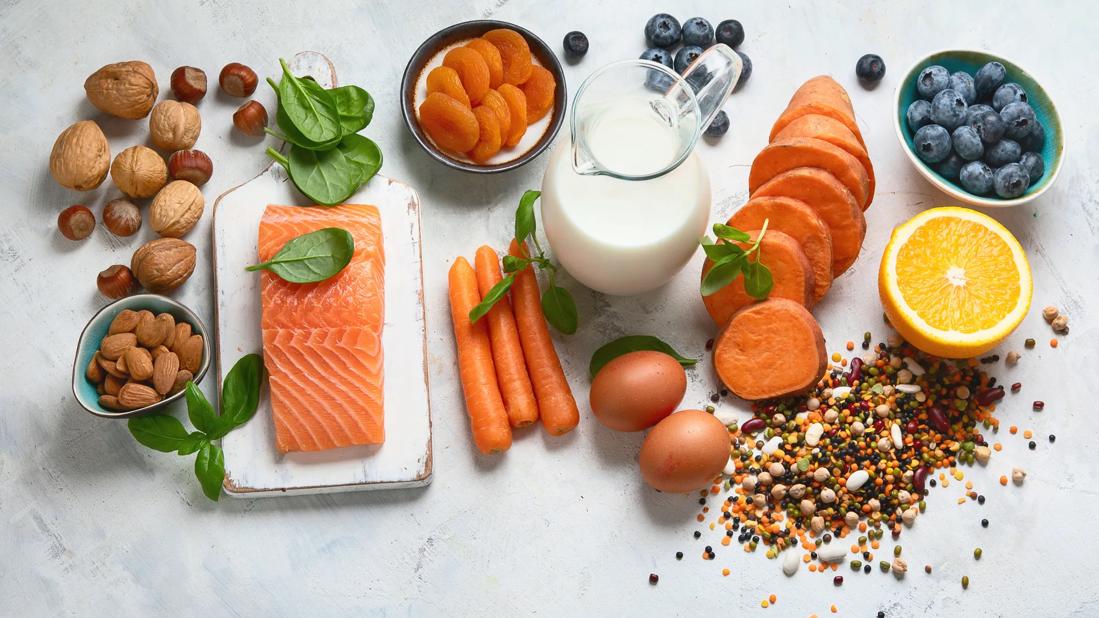
You can get preformed vitamin A from animal foods and provitamin A carotenoids from colorful plant foods. Good options include eggs, dairy products, salmon, sweet potatoes, carrots, spinach, kale, pumpkin, cantaloupe, and red bell peppers.
A practical plate idea: roasted sweet potato with eggs and sautéed spinach gives you vitamin A, protein, and other immune-supporting nutrients in one meal. Basically, breakfast just put on a blazer.
2. Vitamin B6: The Immune Cell Helper
Vitamin B6, also called pyridoxine, is involved in more than 100 enzyme reactions in the body. It supports protein metabolism, hemoglobin formation, brain function, and immune activity. One of its immune-related roles is helping the body produce lymphocytes and other immune messengers.
Because immune cells need amino acids from protein to grow and function, vitamin B6 is especially important in diets that include enough protein but also enough plant variety. Think of B6 as the kitchen assistant that helps turn ingredients into a usable meal.
Best food sources of vitamin B6
Vitamin B6 is found in chickpeas, tuna, salmon, chicken, turkey, potatoes, bananas, fortified cereals, tofu, and beef. Chickpeas are a standout because they are affordable, versatile, and easy to toss into salads, soups, wraps, or homemade hummus.
A simple immune-friendly snack: hummus with bell pepper strips. You get B6 from chickpeas and vitamin C from peppers. It is the kind of snack that quietly does its job without demanding a motivational poster.
3. Vitamin C: The Classic Immune Support Nutrient
Vitamin C is famous for immune support, and for good reason. It acts as an antioxidant, supports white blood cell function, helps the body make collagen, and improves absorption of nonheme iron from plant foods. Collagen matters because healthy skin and tissues are part of your first line of defense.
Your body does not make vitamin C on its own, so you need to get it regularly from food. The good news is that vitamin C is not hiding in rare berries guarded by dragons. It is widely available in everyday fruits and vegetables.
Best food sources of vitamin C
Top choices include oranges, grapefruit, strawberries, kiwi, bell peppers, broccoli, Brussels sprouts, tomatoes, potatoes, kale, and cabbage. Bell peppers are especially impressive and often contain more vitamin C per serving than many citrus fruits.
Try this: add strawberries to breakfast, include broccoli at dinner, and snack on orange slices. You do not need to chug giant glasses of juice. Whole foods offer fiber, water, and a slower, friendlier nutrient package.
4. Vitamin D: The Immune Regulator
Vitamin D is both a nutrient and a hormone-like compound your body can make when skin is exposed to sunlight. It is well known for helping the body absorb calcium and support bones, but it also helps regulate immune responses and inflammation.
Vitamin D is tricky because few foods naturally contain much of it. Some people may have low levels, especially if they get little sun exposure, have darker skin, live in colder climates, cover most skin outdoors, or avoid fortified foods. A blood test is the best way to know your vitamin D status.
Best food sources of vitamin D
Food sources include salmon, trout, sardines, tuna, egg yolks, mushrooms exposed to ultraviolet light, fortified milk, fortified plant milks, and fortified cereals.
Because vitamin D is fat-soluble, it pairs well with meals containing healthy fats. Salmon with roasted vegetables, fortified yogurt with nuts, or eggs with avocado can make vitamin D easier to fit into a normal eating pattern.
5. Vitamin E: The Antioxidant Protector
Vitamin E is a fat-soluble antioxidant that helps protect cell membranes from oxidative stress. Immune cells can create reactive molecules while fighting infections, and antioxidants help keep that process from causing unnecessary cellular wear and tear.
Vitamin E also plays a role in immune function and cell signaling. However, more is not automatically better. High-dose vitamin E supplements can interact with medications and may increase bleeding risk in some people, so food sources are usually the safer everyday choice.
Best food sources of vitamin E
Look for sunflower seeds, almonds, hazelnuts, peanuts, peanut butter, spinach, broccoli, avocado, wheat germ oil, and sunflower oil. A small handful of almonds or sunflower seeds can add crunch and vitamin E to oatmeal, salads, yogurt, or trail mix.
Easy example: spinach salad with avocado, sunflower seeds, citrus, and grilled chicken. It brings vitamin E, vitamin C, protein, and healthy fats together without requiring a spreadsheet.
6. Zinc: The Immune Gatekeeper
Zinc is essential for immune cell development, wound healing, DNA synthesis, protein production, and normal cell division. It helps immune cells communicate and function properly. Low zinc status can make immune defenses less efficient.
Zinc supplements are popular during cold season, but long-term high intake can cause problems, including copper deficiency. Zinc can also interact with some medications. Food-first is the safer baseline, and supplements should be used thoughtfully.
Best food sources of zinc
Oysters are extremely high in zinc, but not exactly an everyday lunchbox item for most people. More common sources include beef, turkey, chicken, crab, beans, lentils, chickpeas, pumpkin seeds, yogurt, milk, cashews, and fortified cereals.
Plant-based eaters can still get zinc, but beans, grains, nuts, and seeds contain compounds called phytates that can reduce zinc absorption. Soaking beans, choosing leavened whole-grain bread, and eating a varied diet can help.
7. Selenium: The Small-but-Mighty Mineral
Selenium is needed to make selenoproteins, which help protect against oxidative damage, support thyroid hormone metabolism, and contribute to immune defense. This mineral is required in tiny amounts, but tiny does not mean optional.
One important caution: selenium has a narrow safety range compared with some other nutrients. Brazil nuts, for example, can be extremely high in selenium. A few may provide more than enough, so eating handfuls daily is not a “more immune support” strategy. It is more like inviting trouble to brunch.
Best food sources of selenium
Good sources include Brazil nuts, tuna, sardines, shrimp, turkey, chicken, eggs, cottage cheese, beef, oatmeal, brown rice, mushrooms, beans, and whole-wheat bread. The selenium content of plant foods can vary depending on soil conditions, which is one reason variety matters.
A practical meal: tuna or egg salad on whole-grain toast with a side of fruit. You get selenium, protein, B vitamins, and antioxidants in a simple, budget-friendly way.
Bonus Nutrient: Iron Deserves Respect
Iron is not always included in “top seven immune vitamins and minerals” lists, but it deserves a mention. Iron helps make hemoglobin, the protein in red blood cells that carries oxygen. It also supports cellular function, growth, and hormone synthesis. Low iron can contribute to fatigue and reduced physical performance, and severe deficiency can affect overall health.
However, iron supplements should not be taken casually. Too much iron can be dangerous, especially for children and for people who do not need extra iron. If iron deficiency is suspected, a healthcare professional can check blood markers and recommend the right approach.
Best food sources of iron
Heme iron, which is generally easier to absorb, is found in meat, poultry, and seafood. Nonheme iron is found in beans, lentils, spinach, tofu, fortified cereals, pumpkin seeds, and whole grains. Pairing plant-based iron with vitamin C-rich foods, such as citrus, strawberries, tomatoes, or bell peppers, can improve absorption.
Should You Take Supplements for Immune Support?
Supplements can be helpful when they correct a real gap. For example, someone with low vitamin D may benefit from a vitamin D supplement recommended by a clinician. A person with limited food access, certain digestive conditions, pregnancy, restricted diets, or diagnosed deficiencies may also need targeted supplementation.
But supplements are not magic armor. A multivitamin cannot cancel out poor sleep, chronic stress, dehydration, or a diet built mostly from ultra-processed foods. Also, dietary supplements are regulated differently from prescription medicines in the United States. They are not approved by the FDA for safety and effectiveness before they hit the market in the same way drugs are.
Before taking a supplement, check the dose, avoid stacking multiple products with the same nutrient, and ask a healthcare professional about possible interactions. This is especially important for vitamin A, vitamin D, vitamin E, iron, zinc, and selenium because too much can cause harm.
How to Build an Immune-Supporting Plate
A smart immune-supporting diet is colorful, varied, and realistic. You do not need a perfect menu. You need repeatable habits.
Use the “color plus protein” rule
At most meals, include at least one colorful fruit or vegetable and one protein source. For example: eggs with spinach and tomatoes, yogurt with berries and nuts, rice bowls with chicken and broccoli, bean chili with peppers, or salmon with sweet potatoes.
Do not forget healthy fats
Vitamins A, D, and E are fat-soluble, meaning they are absorbed better when eaten with fat. Add avocado, olive oil, nuts, seeds, eggs, dairy, or fatty fish when it fits the meal.
Feed your gut
A large part of immune activity happens around the gut. Fiber-rich foods such as beans, oats, fruits, vegetables, nuts, seeds, and whole grains help support a healthy gut environment. Fermented foods like yogurt with live cultures, kefir, kimchi, and sauerkraut may also help diversify the diet.
Common Mistakes to Avoid
Mistake one: chasing megadoses. More is not always better. In some cases, more is worse. Fat-soluble vitamins and certain minerals can build up or interfere with other nutrients.
Mistake two: ignoring food quality. A supplement on top of a low-nutrient diet is like putting a fancy roof on a shaky house. Start with the foundation.
Mistake three: expecting one nutrient to prevent illness. Immune health depends on many factors, including sleep, vaccination, hygiene, stress, movement, medical conditions, and overall nutrition.
Mistake four: forgetting medication interactions. Zinc, iron, vitamin E, and other supplements can interact with medications or affect absorption. Always check before combining products.
Real-Life Experience: What Immune-Supporting Nutrition Looks Like Day to Day
In real life, immune-supporting eating is less glamorous than supplement ads make it look. It usually starts with small decisions that seem almost too ordinary to matter: adding fruit to breakfast, choosing water before another soda, putting spinach in eggs, packing nuts instead of waiting until hunger turns you into a snack goblin, or making soup with beans and vegetables when the weather gets dramatic.
One useful experience many people discover is that consistency beats intensity. A person may buy a large bottle of vitamin C tablets in January, take them enthusiastically for four days, forget them behind the coffee filters, and then wonder why nothing changed. Meanwhile, someone else eats oranges, bell peppers, lentils, eggs, yogurt, oats, tuna, leafy greens, and nuts most weeks and quietly gives their body a steady stream of useful nutrients. The second approach is less flashy, but the immune system is not impressed by drama. It likes supplies.
Another practical lesson is that meal planning does not need to be complicated. A simple weekly rotation can cover many immune-supporting nutrients. For breakfast, try oatmeal with berries and almonds, eggs with vegetables, or fortified yogurt with fruit. For lunch, rotate turkey wraps, bean bowls, lentil soup, tuna salad, or leftovers with extra vegetables. For dinner, use a pattern: protein, colorful vegetable, whole grain or starchy vegetable, and healthy fat. Chicken with broccoli and brown rice, salmon with sweet potato, tofu stir-fry with peppers, or chili with beans and tomatoes all fit.
Budget matters, too. Immune-supporting foods do not have to be expensive. Frozen vegetables, canned beans, canned tuna or salmon, eggs, oats, peanut butter, fortified cereals, carrots, cabbage, potatoes, lentils, bananas, and yogurt can carry a lot of nutritional weight. Frozen berries may be cheaper than fresh and still useful. Canned beans can become chili, tacos, soup, salad toppers, or hummus. Your immune system does not ask whether the vegetables were hand-picked under a rainbow. It asks whether nutrients showed up.
People also learn that digestion and energy often improve when meals become more balanced. A breakfast of only refined carbs may lead to a midmorning crash. Add protein, fiber, and healthy fat, and the day can feel steadier. That steadiness matters because immune health is connected to the whole lifestyle picture. Better meals can support better energy, which can make it easier to move, sleep well, and manage stress.
Finally, immune-supporting nutrition works best when it is flexible. There will be busy days, fast-food days, birthday-cake days, and “I forgot vegetables exist” days. That is normal. The goal is not perfection. The goal is to return to the basics often enough that your body has what it needs most of the time. Think of it as building a reliable immune-support pantry, one meal at a time.
Conclusion
The best vitamins and minerals for your immune system are not miracle cures, but they are important tools. Vitamin A supports protective barriers. Vitamin B6 helps immune cells and protein metabolism. Vitamin C supports antioxidants, collagen, and iron absorption. Vitamin D helps regulate immune responses. Vitamin E protects cells from oxidative stress. Zinc supports immune cell function and wound healing. Selenium helps antioxidant defense and immune balance.
The winning strategy is food-first, supplement-smart, and habit-friendly. Eat a variety of nutrient-dense foods, correct deficiencies when needed, avoid megadoses unless medically advised, and remember that immune health is a team sport. Your fork, sleep schedule, water bottle, movement routine, and healthcare provider all get a jersey.