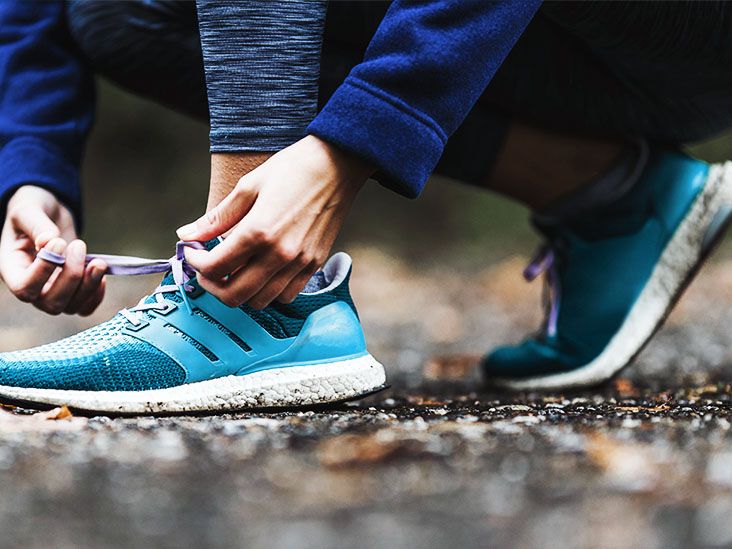

Swollen legs, ankles, and feet can make your shoes feel like they suddenly shrank in the laundry. One minute your sneakers fit perfectly; the next, your ankles look like they are auditioning to become bread rolls. While swelling in the lower body is common, it is not something to ignoreespecially when it appears suddenly, affects only one leg, causes pain, or comes with shortness of breath, chest discomfort, fever, or skin changes.
In medical terms, swelling caused by trapped fluid in body tissues is often called edema. It commonly shows up in the feet, ankles, and legs because gravity pulls fluid downward, especially after long periods of sitting or standing. The good news is that many mild cases improve with simple steps like leg elevation, movement, compression socks, and reducing sodium. The important part is knowing when swollen feet are just a temporary nuisance and when they may be a sign of something more serious, such as vein disease, heart failure, kidney disease, infection, pregnancy complications, or a blood clot.
What Does Swelling in the Legs, Ankles, and Feet Mean?
Swelling happens when extra fluid collects in the tissues. In the lower body, this may appear as puffiness around the ankles, tight skin, heavy-feeling legs, or shoes that leave deep marks. Some people notice pitting edema, where pressing a finger into the swollen area leaves a temporary dent. Others may feel aching, stiffness, warmth, or tenderness, depending on the cause.
Lower-body swelling can be temporary or chronic. Temporary swelling may happen after a long flight, a salty meal, hot weather, or standing all day. Chronic or recurring swelling may point to an underlying issue with circulation, veins, lymph drainage, the heart, the kidneys, the liver, hormones, medications, or inflammation.
Common Causes of Swollen Legs, Ankles, and Feet
1. Sitting or Standing Too Long
One of the most common reasons for swollen ankles and feet is simply staying in one position for too long. Long work shifts, road trips, flights, gaming marathons, and desk-heavy days can slow circulation. When your calf muscles do not contract often, they do not pump blood and fluid upward as efficiently. Fluid then settles in the feet and ankles.
This type of swelling is usually mild and affects both legs. It often improves after walking, stretching, or elevating the legs. Think of your calf muscles as tiny assistants for your circulatory system. If they spend eight hours doing absolutely nothing, they may file a complaint in the form of puffy ankles.
2. Eating Too Much Salt
Sodium helps the body manage fluid balance, but too much salt can encourage fluid retention. Processed foods, fast food, canned soups, deli meats, salty snacks, and restaurant meals can add up quickly. For some people, a high-sodium day leads to swollen feet by evening.
Cutting back on sodium may help reduce mild fluid buildup. This does not mean food must taste like cardboard with commitment issues. Herbs, spices, lemon juice, garlic, vinegar, and salt-free seasoning blends can add flavor without turning your ankles into water balloons.
3. Pregnancy
Swollen feet and ankles are common during pregnancy because the body holds more fluid, hormone changes affect blood vessels, and the growing uterus can slow blood return from the legs. Mild swelling that develops gradually is often expected, especially later in pregnancy.
However, sudden swelling of the face, hands, or feetespecially with a severe headache, vision changes, upper abdominal pain, or feeling very unwellcan be a warning sign of a pregnancy-related complication and should be checked urgently. Swelling during pregnancy should never be brushed off if it appears suddenly or feels unusual.
4. Injury or Sprain
If swelling appears after twisting an ankle, dropping something on your foot, overdoing a workout, or taking an awkward step, injury may be the cause. Sprains, strains, fractures, and bruises can all cause swelling as the body sends fluid and inflammatory cells to the injured area.
Mild ankle sprains are often managed with rest, ice, compression, and elevation, commonly called the RICE method. But severe pain, inability to bear weight, obvious deformity, numbness, or swelling that does not improve should be evaluated by a healthcare professional.
5. Chronic Venous Insufficiency
Chronic venous insufficiency happens when leg veins have trouble sending blood back toward the heart. Veins contain tiny valves that help prevent backward flow. When those valves weaken or become damaged, blood can pool in the lower legs, causing swelling, heaviness, aching, varicose veins, skin discoloration, or leg fatigue.
This condition is more common in people who sit or stand for long periods, have a history of blood clots, are pregnant, have a family history of vein problems, or carry excess body weight. Treatment may include compression stockings, exercise, leg elevation, weight management, and medical procedures in some cases.
6. Lymphedema
Lymphedema occurs when the lymphatic system cannot drain fluid properly. It may happen after cancer treatment, lymph node removal, radiation therapy, infection, injury, or inherited lymphatic problems. The swelling may feel heavy or tight and can affect one or both legs.
Management often involves compression garments, skin care, gentle exercises, elevation, and specialized therapy such as manual lymphatic drainage. Because lymphedema can raise the risk of skin infections, people with this condition should protect the skin, moisturize regularly, and report redness, warmth, fever, or sudden worsening swelling.
7. Heart Failure
Swollen feet, ankles, and legs can occur when the heart does not pump blood as efficiently as the body needs. Fluid may build up in the lower body, abdomen, or lungs. Other symptoms may include shortness of breath, fatigue, rapid weight gain, coughing, reduced ability to exercise, or trouble breathing when lying flat.
Heart-related swelling is not something to self-diagnose or treat with random “water pills” from someone else’s medicine cabinet. Treatment depends on the cause and may include prescribed medications, sodium management, monitoring fluid intake, daily weights, and regular medical care.
8. Kidney Disease
The kidneys help remove extra fluid and salt from the body. When they are not working well, fluid can build up, leading to swelling in the legs, ankles, feet, hands, face, or around the eyes. Kidney-related swelling may also appear with fatigue, changes in urination, foamy urine, high blood pressure, or unexplained weight gain.
Because kidney disease can progress quietly, persistent swelling deserves attention, especially if it is new, worsening, or paired with other symptoms. A clinician may order blood tests, urine tests, blood pressure checks, or imaging to understand what is happening.
9. Liver Disease
Liver problems, including cirrhosis, can affect protein levels and fluid balance in the body. This may lead to swelling in the legs or fluid buildup in the abdomen. Other possible signs include yellowing of the skin or eyes, easy bruising, fatigue, abdominal swelling, nausea, or dark urine.
Leg swelling alone does not mean liver disease, but if it appears with these symptoms or a known liver condition, medical evaluation is important.
10. Blood Clot in the Leg
A deep vein thrombosis, or DVT, is a blood clot that forms in a deep vein, often in the calf or thigh. It may cause swelling in one leg, pain or tenderness, warmth, redness, or discoloration. Sometimes symptoms are subtle. A DVT can become dangerous if part of the clot travels to the lungs and causes a pulmonary embolism.
Seek urgent medical help if leg swelling is sudden, one-sided, painful, warm, or accompanied by shortness of breath, chest pain, coughing blood, fainting, or a fast heartbeat. This is not a “walk it off and see what happens” situation.
11. Infection or Cellulitis
Cellulitis is a bacterial skin infection that can cause swelling, redness, warmth, pain, tenderness, fever, chills, and skin that looks tight or glossy. It often affects the lower legs and may begin after a cut, bite, crack in the skin, or wound.
Cellulitis usually requires medical treatment, often antibiotics. Rapidly spreading redness, fever, severe pain, or swelling in a person with diabetes or a weakened immune system should be evaluated quickly.
12. Medication Side Effects
Some medications can cause or worsen swelling. Possible examples include certain blood pressure medications, nonsteroidal anti-inflammatory drugs, steroid medicines, diabetes medications, hormone therapies, and some antidepressants. The swelling may begin after starting a new medication or changing a dose.
Do not stop prescribed medication without medical guidance. Instead, contact a healthcare provider and explain when the swelling started, which medications you take, and whether you have other symptoms. Sometimes a dose change, medication switch, or additional evaluation is needed.
When Should You Worry About Swollen Feet or Ankles?
Mild swelling after a long day may not be an emergency, especially if it improves with movement and elevation. Still, certain symptoms should raise a red flag.
Seek emergency care if swelling comes with:
- Chest pain or pressure
- Shortness of breath
- Coughing blood
- Fainting, severe dizziness, or confusion
- Sudden swelling in one leg with pain, warmth, or redness
- Severe injury or inability to bear weight
Call a healthcare provider soon if you have:
- Swelling that does not improve after a few days
- Swelling that keeps returning
- Skin redness, warmth, sores, or drainage
- Rapid weight gain
- Known heart, kidney, liver, or vein disease
- Pregnancy with sudden or severe swelling
- New swelling after starting a medication
How Doctors Diagnose Swollen Legs, Ankles, and Feet
A healthcare provider will usually start with a physical exam and questions about your symptoms. They may ask when the swelling began, whether it affects one or both legs, what makes it better or worse, whether it leaves a dent, and whether you have pain, shortness of breath, fever, recent travel, pregnancy, injury, or medication changes.
Depending on the situation, tests may include blood work, urine tests, ultrasound to check for blood clots or vein problems, heart tests such as an electrocardiogram or echocardiogram, kidney function tests, liver function tests, or imaging after injury. The goal is not just to shrink the swelling but to identify why it is happening.
Treatments for Swollen Legs, Ankles, and Feet
1. Elevate Your Legs
For mild swelling, raising the legs above heart level can help fluid move back toward the center of the body. Try lying down and placing pillows under your calves for 15 to 30 minutes. This works best when combined with movement, hydration, and avoiding long periods in one position.
2. Move More Often
Walking, ankle circles, calf raises, and gentle stretching help activate the calf muscles. If you sit for work or travel, stand up and move regularly. On flights or road trips, flex and point your toes, rotate your ankles, and take movement breaks when possible.
3. Use Compression Carefully
Compression socks or stockings can help reduce swelling caused by fluid pooling or vein problems. They apply gentle pressure that supports blood flow. However, compression is not right for everyone, especially people with certain artery problems, severe heart failure, skin infections, or wounds. Ask a clinician what level and style are appropriate if swelling is persistent or you have medical conditions.
4. Reduce Sodium
Lowering sodium may help reduce fluid retention. Start by checking labels on packaged foods, choosing lower-sodium options, rinsing canned foods, and cooking more meals at home. Restaurant portions can be sneaky salt delivery vehicles wearing fancy garnish, so balance them with lower-sodium meals when possible.
5. Support a Healthy Weight
Excess body weight can increase pressure on the veins and make swelling worse. Even modest weight management can reduce strain on the legs, improve mobility, and support circulation. The goal is not perfection; it is less pressure, better movement, and legs that do not feel like they are carrying a backpack full of soup.
6. Treat the Underlying Cause
The best treatment depends on the reason for swelling. An ankle sprain may need RICE and rehabilitation. Cellulitis may need antibiotics. Heart failure may require prescribed medications and careful monitoring. Kidney disease may require specialized care. Venous insufficiency may improve with compression, exercise, and vein treatment. Lymphedema may need complete decongestive therapy and long-term self-care.
7. Review Your Medications
If swelling began after a new medication, talk to a healthcare provider. Bring a complete list of prescriptions, over-the-counter drugs, supplements, and topical medicines. A medication review can uncover side effects or interactions that may be contributing to fluid retention.
Home Care Tips That May Help Mild Swelling
For mild, temporary swelling without warning signs, simple habits can make a difference. Elevate your legs after long periods of sitting or standing. Walk daily if you can. Stretch your calves. Wear comfortable shoes that do not squeeze your feet. Avoid tight socks or clothing that leave deep marks. Drink enough water, especially in hot weather. Reduce salty foods. Take movement breaks during travel. If your job requires standing, shift weight often and consider supportive footwear.
Foot soaks, cold packs, and gentle massage may feel soothing for some people, but they are not cures for medical causes of swelling. Avoid deep massage if you suspect a blood clot, have unexplained one-sided swelling, or have severe pain, warmth, or redness. In those situations, get medical advice first.
Prevention: How to Keep Swelling From Coming Back
Prevention depends on the cause, but many people benefit from the same core habits: move regularly, avoid sitting or standing still for too long, manage salt intake, wear supportive shoes, elevate legs when needed, follow treatment plans for chronic conditions, and keep regular checkups.
People with vein disease may need long-term compression and exercise. People with heart, kidney, or liver conditions should follow their clinician’s plan closely. People with lymphedema should protect the skin and avoid cuts, burns, and infections. Travelers should move frequently and stay aware of clot symptoms, especially after long flights or car rides.
Real-Life Experience: What Swollen Feet Often Feel Like Day to Day
Many people first notice swollen feet in ordinary moments. A pair of shoes feels tight at the end of the day. Sock lines look deeper than usual. Ankles look softer and puffier after a hot afternoon. Someone who stands all day at work may come home feeling as if their legs are heavy, tired, and slightly inflated. Someone who sits for hours may notice swelling after finally standing up, especially if they have barely moved since breakfast.
A common experience is the “evening ankle surprise.” The morning starts normally, but by dinner the ankles look rounded and the feet feel squeezed. In mild cases related to posture, heat, or salty food, elevating the legs and walking around may bring relief. People often describe a sense of pressure rather than sharp pain. Shoes may leave marks. Skin may feel tight. The swelling may be annoying but not dramatic.
Another common scenario happens during travel. After a long flight or road trip, the feet may look puffy because the legs have been still for hours. The best prevention is boring but effective: move your ankles, flex your calves, walk when possible, and avoid staying frozen in one position like a suitcase with headphones. Compression socks may help some travelers, but people with medical conditions should ask a clinician first.
For people with chronic venous insufficiency, swelling can become part of a pattern. Legs may feel worse after standing and better after elevation. There may be aching, heaviness, visible veins, or skin changes near the ankles. The experience is often frustrating because the swelling may improve overnight and return the next day. This is when a medical evaluation can be useful, because long-term vein problems are manageable but should not be ignored.
People with lymphedema may describe swelling differently. Instead of a simple end-of-day puffiness, the leg may feel heavy, full, or harder to move. Clothes and shoes may fit unevenly. Skin care becomes important because small cuts or irritation can lead to infection. Managing lymphedema often feels like a routine: compression, movement, elevation, skin protection, and therapy when recommended. It is not glamorous, but consistency matters.
Swelling related to heart or kidney problems may be more concerning because it can come with other changes. Someone may notice that both feet are swollen, their weight has jumped quickly, they are more tired than usual, or they feel short of breath. These symptoms deserve medical attention. The goal is not to panic every time an ankle looks puffy; the goal is to notice patterns and take warning signs seriously.
There is also an emotional side to swollen legs and feet. People may feel embarrassed wearing sandals, frustrated when shoes do not fit, or worried that something serious is happening. That worry is understandable. The practical approach is to track what you notice: when swelling appears, whether it affects one or both legs, what you ate, how long you sat or stood, whether elevation helps, and whether other symptoms show up. This information can help a healthcare provider identify the cause faster.
The most helpful mindset is simple: treat mild swelling with smart habits, but respect swelling that is sudden, painful, one-sided, infected-looking, persistent, or paired with breathing problems or chest symptoms. Your feet may be far from your heart, but sometimes they are excellent messengers.
Conclusion
Swollen legs, ankles, and feet are common, but they have many possible causes. Sometimes the explanation is simple: too much sitting, too much standing, warm weather, salty food, pregnancy, or a minor injury. Other times, swelling can point to chronic venous insufficiency, lymphedema, medication side effects, infection, heart failure, kidney disease, liver disease, or a blood clot.
For mild swelling, leg elevation, regular movement, sodium reduction, supportive footwear, and properly fitted compression may help. But swelling that is sudden, severe, one-sided, painful, warm, red, persistent, or linked with shortness of breath, chest pain, fever, or pregnancy warning signs should be checked quickly. In other words: listen to your feet. They may not be great conversationalists, but when they swell, they are definitely saying something.