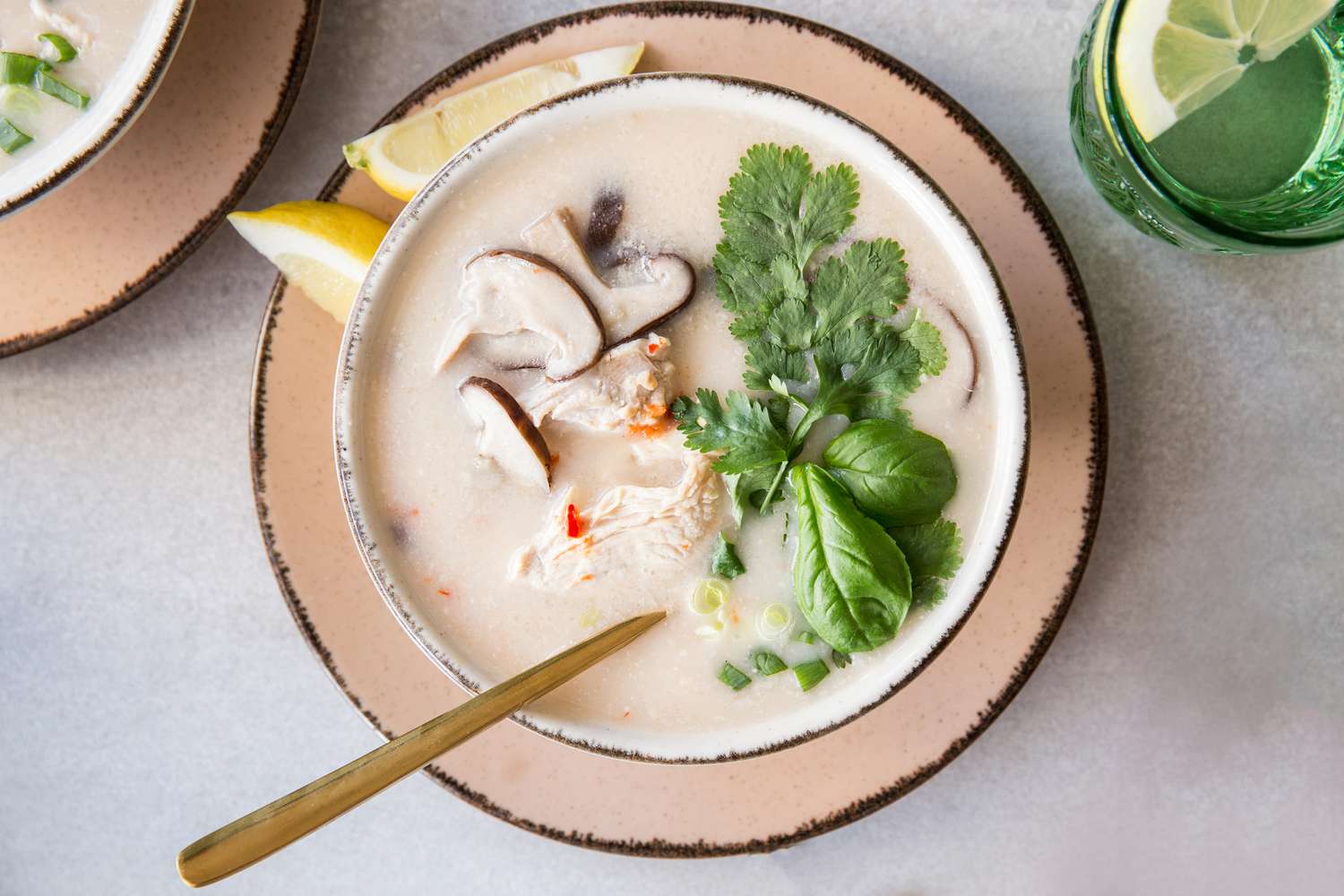

Thai chicken soup with coconut milk, better known as Tom Ka Gai or Tom Kha Gai, is the kind of soup that walks into the room wearing silk pajamas and carrying a tiny thunderstorm of flavor. It is creamy but not heavy, spicy but not reckless, bright with lime, salty with fish sauce, and fragrant enough to make your kitchen smell like it has been studying abroad in Bangkok.
This comforting Thai coconut chicken soup is built around a few signature ingredients: coconut milk, chicken, galangal, lemongrass, makrut lime leaves, mushrooms, lime juice, fish sauce, and fresh herbs. The magic is not in making the soup complicated. The magic is in knowing when to simmer, when to season, and when to stop fussing with it like a nervous contestant on a cooking show.
In this recipe, you will learn how to make a balanced, deeply aromatic bowl of Tom Ka Gai at home using ingredients that are increasingly easy to find at Asian markets, specialty grocery stores, and even many well-stocked supermarkets. You will also get practical substitutions, storage tips, flavor fixes, and real kitchen experiences to help the soup taste restaurant-worthy without requiring a passport or a professional wok station.
What Is Tom Ka Gai?
Tom Ka Gai is a Thai coconut chicken soup known for its creamy broth and fragrant herbs. The name is often spelled Tom Kha Gai, with “kha” referring to galangal and “gai” meaning chicken. Galangal is not just “ginger wearing a fancy hat.” It has a sharper, piney, citrusy bite that gives the soup its unmistakable personality.
The soup is traditionally flavored with lemongrass, galangal, makrut lime leaves, Thai chiles, fish sauce, lime juice, and coconut milk. Mushrooms are common, especially straw mushrooms, oyster mushrooms, or shiitake mushrooms. The final result should taste creamy, tangy, salty, lightly sweet, and aromatic all at once. If it tastes flat, it probably needs lime. If it tastes shy, it needs fish sauce. If it tastes like it has a tiny dragon living in it, congratulations, the chiles are doing their job.
Why This Thai Coconut Chicken Soup Works
A great Tom Ka Gai recipe depends on balance. Coconut milk brings richness, but lime juice keeps the soup from feeling too heavy. Fish sauce adds deep savory flavor, while a small amount of sugar softens the sharp edges. Lemongrass, galangal, and makrut lime leaves perfume the broth without needing to be eaten. Chicken thighs stay tender, mushrooms soak up the broth, and fresh cilantro at the end adds a clean herbal finish.
The best part is that Tom Ka Gai is surprisingly fast. Once the aromatics have infused the broth, the chicken cooks gently, the coconut milk goes in, and the seasoning happens at the end. This is not a soup that wants to boil angrily for hours. It prefers a gentle simmer, a calm spoon, and a cook who understands that coconut milk does not enjoy being bullied.
Recipe Overview
- Prep time: 15 minutes
- Cook time: 25 minutes
- Total time: 40 minutes
- Servings: 4 to 6
- Best for: Weeknight dinners, cozy lunches, Thai-inspired menus, meal prep, and anyone who believes soup should have a personality
Ingredients for Thai Chicken Soup With Coconut Milk
Main Ingredients
- 1 pound boneless, skinless chicken thighs, thinly sliced
- 4 cups low-sodium chicken stock
- 2 cans full-fat coconut milk, 13.5 ounces each
- 8 ounces mushrooms, sliced or halved
- 2 stalks lemongrass, trimmed, bruised, and cut into 2-inch pieces
- 8 to 10 thin slices fresh galangal
- 5 makrut lime leaves, torn
- 2 to 4 Thai chiles, lightly crushed
- 3 tablespoons fish sauce, plus more to taste
- 3 tablespoons fresh lime juice, plus more to taste
- 1 to 2 teaspoons palm sugar or brown sugar
- 1 small shallot, thinly sliced
- 1 tablespoon Thai roasted chili paste, optional
- Fresh cilantro, for garnish
- Sliced green onion, for garnish
- Lime wedges, for serving
Optional Add-Ins
- Cherry tomatoes for a brighter, juicier broth
- Baby corn for a mild crunch
- Red bell pepper for color and sweetness
- Cooked jasmine rice for a more filling meal
- Rice noodles for a noodle-soup variation
How to Make Tom Ka Gai
Step 1: Prepare the Aromatics
Trim the lemongrass stalks and remove the tough outer layers. Use the back of a knife or a rolling pin to bruise the stalks, then cut them into large pieces. Slice the galangal into thin coins. Tear the makrut lime leaves to release their oils. Lightly crush the Thai chiles if you want more heat.
These aromatics are meant to flavor the broth, not become surprise chewing assignments. Keep the pieces large enough so diners can see them and avoid eating them. Think of them as flavor bodyguards: important, powerful, and not necessarily invited to stay for dinner.
Step 2: Infuse the Broth
In a large pot, combine the chicken stock, lemongrass, galangal, makrut lime leaves, Thai chiles, and shallot. Bring the mixture to a gentle simmer over medium heat. Let it simmer for 10 to 12 minutes so the broth becomes fragrant.
Do not rush this step. The soup gets its soul here. The broth should smell citrusy, floral, peppery, and slightly earthy. If your kitchen suddenly smells like a Thai restaurant just opened inside your pantry, you are on the right track.
Step 3: Add the Chicken and Mushrooms
Add the sliced chicken thighs and mushrooms to the simmering broth. Cook for 6 to 8 minutes, stirring occasionally, until the chicken is cooked through and tender. The chicken should reach a safe internal temperature of 165°F.
Chicken thighs are ideal because they stay juicy and have more flavor than chicken breast. However, chicken breast can work if it is sliced thin and cooked gently. The key is not to boil it like it owes you money.
Step 4: Stir in the Coconut Milk
Reduce the heat to medium-low and stir in the coconut milk. Keep the soup at a gentle simmer, not a rolling boil. Coconut milk can separate if it is boiled too aggressively, and while the soup will still taste good, it may lose that silky, elegant texture.
If using Thai roasted chili paste, whisk it into a small amount of hot broth first, then stir it back into the pot. This helps it blend evenly and adds a subtle smoky sweetness with a lovely orange tint.
Step 5: Season the Soup
Add fish sauce and sugar, then taste. Turn off the heat and stir in fresh lime juice. Adding lime juice off the heat helps preserve its bright, fresh flavor. Taste again and adjust as needed.
The finished soup should be creamy, tangy, savory, lightly sweet, and aromatic. If it tastes too rich, add more lime juice. If it tastes dull, add fish sauce. If it tastes too sharp, add a touch more coconut milk or sugar. If it tastes perfect, stop touching it. Step away from the ladle.
Step 6: Garnish and Serve
Ladle the soup into bowls and garnish with cilantro, green onion, and extra lime wedges. Serve it hot as a starter or with jasmine rice for a complete meal. Remind guests that lemongrass, galangal, and lime leaves are usually not eaten. Nobody wants to discover that the “crunchy surprise” is actually a woody lemongrass stalk.
Tips for the Best Tom Ka Gai
Use Full-Fat Coconut Milk
Full-fat coconut milk gives Tom Ka Gai its signature creamy body. Light coconut milk can work, but the soup will taste thinner and less luxurious. If you want a restaurant-style texture, full-fat coconut milk is the way to go.
Choose Galangal When Possible
Fresh galangal is one of the defining ingredients in Tom Ka Gai. Ginger is a useful backup, but it changes the flavor. Galangal tastes more citrusy and peppery, while ginger is warmer and spicier. If you can find fresh or frozen galangal, grab it like you just found the last good avocado at the store.
Do Not Overcook the Chicken
Thinly sliced chicken cooks quickly. Once it is done, keep the soup at a gentle heat. Overcooked chicken can become rubbery, which is great if you are making soup for a tire factory, but not ideal for dinner.
Balance the Soup at the End
Tom Ka Gai is all about final seasoning. Lime juice, fish sauce, sugar, and chili should be adjusted right before serving. This is where the soup changes from “nice coconut broth” to “please give me a bigger bowl.”
Ingredient Substitutions
If you cannot find every traditional ingredient, you can still make a delicious Thai-inspired coconut chicken soup. Use ginger instead of galangal, lime zest instead of makrut lime leaves, and serrano or Fresno chiles instead of Thai chiles. The flavor will not be exactly the same, but it will still be fragrant, comforting, and far better than giving up and eating cereal for dinner.
For mushrooms, straw mushrooms are classic, but oyster, shiitake, cremini, or button mushrooms all work. For a richer soup, use chicken thighs. For a leaner version, use chicken breast and cook it gently. For a dairy-free creamy soup, you are already in luck because coconut milk does all the heavy lifting.
Common Mistakes to Avoid
Boiling the Coconut Milk Too Hard
A rough boil can cause coconut milk to separate. Keep the heat moderate and let the soup simmer gently. The broth should move lazily, not bubble like a science fair volcano.
Skipping the Fresh Lime Juice
Lime juice is not just decoration. It brightens the entire soup and balances the coconut milk. Bottled lime juice is convenient, but fresh lime juice gives a cleaner, more vivid flavor.
Eating the Aromatics
Lemongrass, galangal, and makrut lime leaves are used for infusion. They are usually left in the bowl for aroma but not eaten. You can strain them out before serving if you prefer a smoother dining experience.
Using Too Much Sugar
A little sugar helps round out the flavors, but Tom Ka Gai should not taste like dessert soup. Start with one teaspoon, then adjust carefully.
How to Store and Reheat Tom Ka Gai
Store leftover Thai chicken soup with coconut milk in an airtight container in the refrigerator for up to 3 days. Reheat it gently on the stovetop over medium-low heat. Avoid boiling the soup hard after storage, because the coconut milk may separate.
If the soup thickens in the refrigerator, add a splash of chicken stock or water while reheating. Add fresh lime juice after reheating to wake the flavors back up. Soups with coconut milk can be frozen, but the texture may become slightly grainy after thawing. If you plan to freeze it, leave out the mushrooms and fresh herbs until serving for the best texture.
What to Serve With Thai Chicken Coconut Soup
Tom Ka Gai can be served as a light main dish or as part of a larger Thai-inspired meal. Jasmine rice is the simplest and most satisfying pairing. The rice absorbs the creamy, tangy broth and turns the soup into a more filling dinner.
You can also serve it with cucumber salad, Thai basil chicken, spring rolls, grilled chicken skewers, or a simple plate of stir-fried vegetables. If you want a cozy lunch, serve it with rice noodles and extra herbs. If you want to impress guests, serve small bowls as a starter before a curry or noodle dish.
Flavor Variations
Spicier Tom Ka Gai
Add extra Thai chiles or a spoonful of chili oil. You can also increase the roasted chili paste for more heat and depth. Start small, because Thai chiles are tiny but emotionally intense.
Vegetable-Packed Tom Ka Gai
Add baby corn, tomatoes, bell peppers, spinach, or bok choy. Add delicate vegetables near the end so they stay bright and tender.
Tom Ka Gai With Noodles
Add cooked rice noodles to each bowl before ladling in the soup. This turns the recipe into a satisfying noodle soup while keeping the broth clean and flavorful.
Protein Swaps
Chicken is traditional for Tom Ka Gai, but shrimp, tofu, or mixed mushrooms can also work beautifully. If using shrimp, add it near the end because it cooks quickly. If using tofu, choose firm or extra-firm tofu so it holds its shape.
Kitchen Notes and Personal Cooking Experiences
The first time many home cooks make Tom Ka Gai, they are surprised by how quickly the soup comes together. It looks like it should require a secret grandmother, a clay pot, and a two-hour chant over the stove. In reality, the most important work happens before cooking: finding the right aromatics and prepping them properly. Once the lemongrass is bruised, the galangal is sliced, and the lime leaves are torn, the soup practically starts writing its own thank-you note.
One useful experience is shopping for the ingredients before you need them. Fresh galangal and makrut lime leaves are sometimes available at Asian grocery stores, but they may not be sitting right next to the carrots looking obvious. Galangal often looks like pale, smooth ginger with a firmer texture. Makrut lime leaves may be sold fresh or frozen. If you find them frozen, buy them. They keep well and can turn future weeknight soups from “fine” into “why does this taste like takeout in the best possible way?”
Another lesson is that Tom Ka Gai rewards tasting. The soup changes dramatically with small adjustments. A teaspoon of fish sauce can make the broth deeper. A squeeze of lime can make it sparkle. A little sugar can smooth bitterness from the herbs. The trick is to taste after each adjustment instead of adding everything at once and hoping for the best. Hope is lovely, but it is not a seasoning strategy.
For weeknight cooking, slice the chicken while it is slightly firm from the refrigerator. Thin slices cook evenly and stay tender. If the chicken is too soft, it can be slippery and annoying to cut. A sharp knife helps, too. Tom Ka Gai is elegant, but it does not require suffering through chicken gymnastics.
When serving the soup to guests, it helps to mention that the large aromatic pieces are there for flavor, not chewing. Some people know this immediately. Others will confidently bite into a chunk of galangal and then make the face of someone who has just lost a small argument with a tree root. You can strain the soup before serving if you want a cleaner presentation, but leaving the aromatics in the bowl looks beautiful and keeps the fragrance strong.
Tom Ka Gai also makes excellent leftovers, but it needs gentle reheating. A slow warm-up on the stove keeps the coconut milk smooth and the chicken tender. Add fresh lime juice after reheating because citrus flavor fades in the refrigerator. This one small step can make leftover soup taste fresh again instead of like yesterday’s good idea.
The most satisfying part of making Thai chicken soup with coconut milk is how adaptable it becomes once you understand the balance. Want it richer? Add more coconut milk. Want it brighter? Add lime. Want it more savory? Add fish sauce. Want it fiery? Add chiles. Want it calmer? Serve it with rice. The recipe is flexible, but the goal stays the same: a bowl of soup that feels creamy, bright, soothing, and lively all at once.
Conclusion
Thai Chicken Soup With Coconut Milk, or Tom Ka Gai, is proof that comfort food does not have to be plain. With coconut milk, chicken, galangal, lemongrass, makrut lime leaves, mushrooms, lime juice, and fish sauce, this soup delivers a beautiful balance of creamy, tangy, salty, spicy, and aromatic flavors.
The recipe is simple enough for a weeknight but special enough for guests. The key is to gently infuse the broth, avoid boiling the coconut milk too aggressively, cook the chicken just until tender, and season at the end with fresh lime juice and fish sauce. Once you understand that balance, Tom Ka Gai becomes one of those recipes you can make again and again, adjusting it to your mood, your pantry, and your preferred level of chili-powered excitement.