
Sapo: Most website visitors do not buy, book, subscribe, or request a demo on the first visit. Retargeting campaigns help bring those almost-customers back with smarter ads, better timing, and messages that feel useful instead of creepy. This beginner-friendly guide explains what retargeting is, how it works, which audiences to build first, how to avoid wasting budget, and how to turn abandoned carts, unfinished forms, and “just browsing” traffic into real conversions.
What Is a Retargeting Campaign?
A retargeting campaign is a digital advertising strategy that shows ads to people who have already interacted with your business. They may have visited your website, viewed a product, opened a lead form, watched a video, clicked a previous ad, added something to a cart, or joined your email list.
In plain English, retargeting says: “Hey, remember that thing you were interested in?” It is not magic. It is not mind reading. It is marketing with a memory.
Unlike cold advertising, where you introduce your brand to strangers, retargeting focuses on warm audiences. These people already know you exist. That small difference matters. A first-time visitor may need education. A returning visitor may need reassurance, a better offer, a reminder, or a tiny push toward action.
Retargeting vs. Remarketing: Are They the Same?
The terms are often used interchangeably, but there is a small difference. Retargeting usually refers to paid ads that re-engage people based on online behavior, such as page visits or product views. Remarketing can include email, SMS, customer lists, and broader re-engagement strategies.
For beginners, do not get trapped in vocabulary quicksand. Whether your ad platform calls it remarketing, retargeting, matched audiences, custom audiences, or your data segments, the goal is the same: bring interested people back and help them take the next step.
Why Retargeting Campaigns Matter
Most visitors leave before converting. In ecommerce, shopping cart abandonment remains extremely high, with research commonly showing that roughly seven out of ten carts are abandoned. That means a store can do the hard work of attracting visitors, earn product interest, and still watch potential revenue wander away like a toddler in a toy aisle.
Retargeting helps recover some of that lost attention. It can also support longer buying journeys. In B2B, a buyer may compare several vendors, ask colleagues for opinions, disappear into budget meetings, and return weeks later. Retargeting keeps your brand visible during that decision window without forcing the sales team to send emails that begin with “just circling back” for the fourth time.
Good retargeting campaigns can help you:
- Increase conversions from people who already showed interest.
- Reduce wasted ad spend by focusing on warmer audiences.
- Recover abandoned carts and unfinished checkouts.
- Promote demos, free trials, ebooks, consultations, or limited-time offers.
- Cross-sell and upsell to existing customers.
- Improve brand recall across search, social, display, video, and email channels.
How Retargeting Works
Retargeting starts with data. A visitor lands on your website. Your tracking setup records a signal, such as a page view, product view, form start, cart addition, or purchase. Then your advertising platform groups that person into an audience segment. Later, when that person uses a platform or website where your ads can appear, your campaign can show a relevant message.
Common Retargeting Data Sources
Most beginner campaigns use one or more of these data sources:
- Website tags or pixels: Small pieces of code, such as the Google tag or Meta Pixel, that help track visitor activity and build audiences.
- Customer lists: Email addresses, phone numbers, or customer records uploaded to platforms such as Google Ads, Meta, or LinkedIn, usually after hashing or matching.
- Engagement audiences: People who watched videos, opened lead forms, clicked ads, interacted with social posts, or engaged with platform content.
- Product catalog signals: Product IDs, prices, categories, and inventory feeds used for dynamic product ads.
- Email and ecommerce behavior: Browse abandonment, cart abandonment, and post-purchase behavior from connected ecommerce and email tools.
Dynamic Retargeting
Dynamic retargeting automatically shows ads based on what someone viewed or considered. For example, if a shopper looked at blue running shoes, the ad can show those same blue running shoes instead of a generic “Shop Now” banner. This is useful for ecommerce stores, travel sites, real estate platforms, marketplaces, and businesses with many products or listings.
Dynamic ads are powerful because they reduce guesswork. The visitor already revealed interest. The campaign simply says, “Here is the thing you liked, still looking stylish, still waiting patiently.”
The Main Types of Retargeting Campaigns
1. Website Visitor Retargeting
This is the classic starting point. You create an audience of people who visited your website but did not convert. Beginners often start with all visitors from the last 30 days. That is fine for testing, but better results usually come from more specific segments.
For example, a SaaS company could build separate audiences for pricing page visitors, blog readers, demo page visitors, and users who started but did not submit a form. A pricing page visitor is likely more valuable than someone who read one general blog post and vanished into the internet fog.
2. Cart Abandonment Retargeting
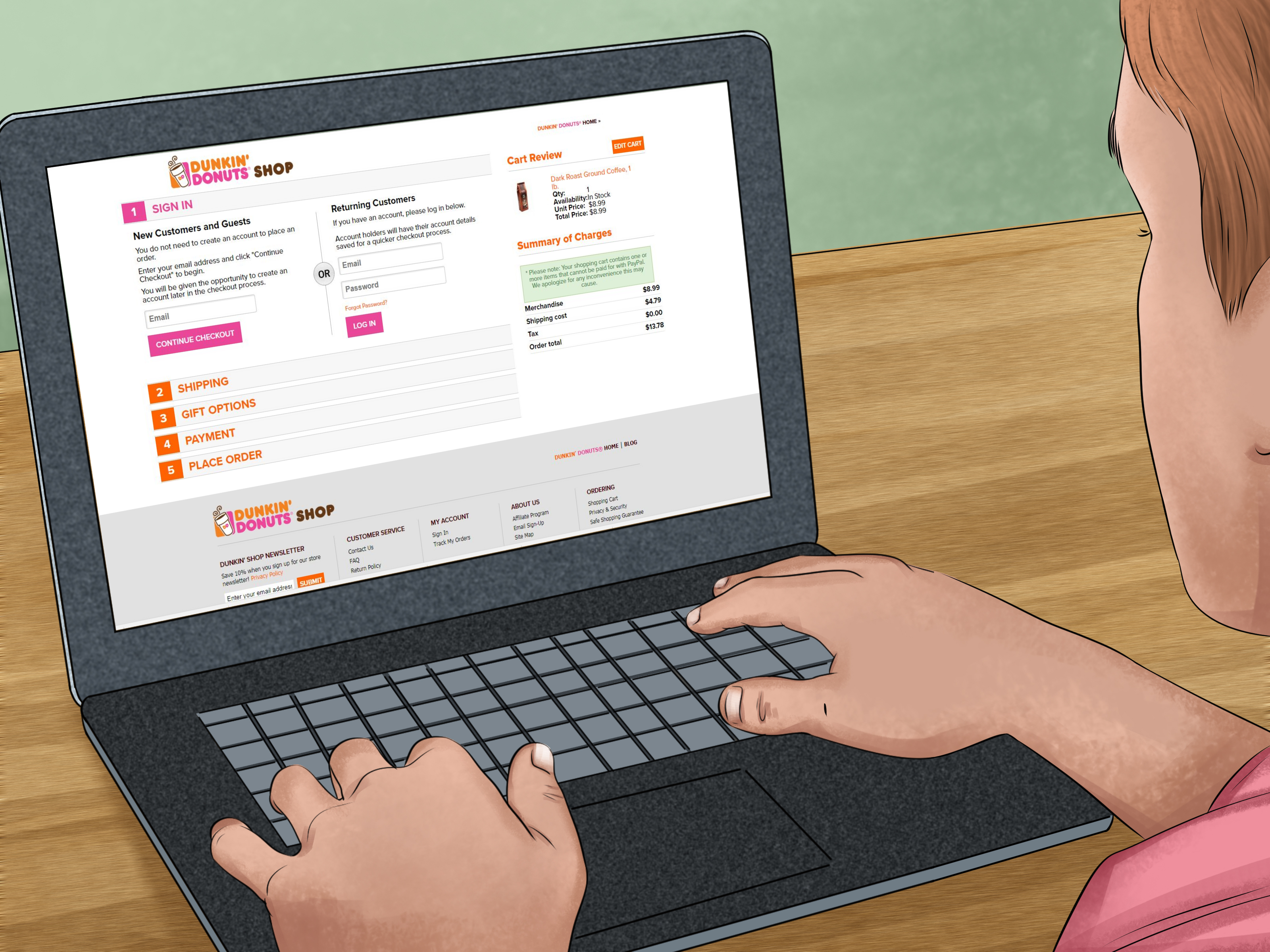
Cart abandonment campaigns target shoppers who added products to a cart but did not complete checkout. These audiences are often high intent. The shopper has already done the digital equivalent of carrying the item around the store. They just did not walk to the cashier.
Effective cart ads often address common hesitation points: shipping cost, return policy, payment security, reviews, delivery speed, or a small incentive. Do not automatically throw a discount at everyone. Sometimes reassurance beats 10% off.
3. Product or Category View Retargeting
This campaign targets visitors based on what they viewed. A furniture store might retarget sofa viewers with sofa ads. A fitness brand might show yoga mat ads to people who browsed yoga gear. A B2B software company might retarget visitors who viewed a specific solution page with a relevant case study.
4. Lead Form Retargeting
Many people start a lead form and quit before submitting. Maybe the form was too long. Maybe the phone rang. Maybe they saw “Company revenue” and decided they suddenly had laundry to fold. Retargeting can bring these users back with a simpler offer, such as “Get the checklist” or “Book a 15-minute consultation.”
5. Video and Content Engagement Retargeting
Platforms like Meta and LinkedIn allow advertisers to create audiences from people who watched videos, opened forms, clicked ads, or engaged with content. This is excellent for businesses that publish educational content. Someone who watched 75% of your product explainer video is warmer than someone who merely scrolled past your logo while eating cereal.
6. Customer List Retargeting
Customer list retargeting uses first-party data, such as email subscribers, past buyers, free trial users, or leads in your CRM. These campaigns can promote renewals, upgrades, appointments, product launches, or loyalty offers. First-party data is increasingly important because privacy rules, browser changes, and user choice continue to reshape digital advertising.
How to Build Your First Retargeting Campaign
Step 1: Choose One Clear Goal
Do not launch retargeting with the goal of “more everything.” That is how budgets go to a quiet place and never return. Choose one campaign goal first:
- Recover abandoned carts.
- Generate demo requests.
- Increase free trial signups.
- Promote a free ebook.
- Bring product viewers back to purchase.
- Re-engage past customers.
If your campaign goal is the free ebook angle in this article title, your objective might be simple: target blog readers, pricing page visitors, or social engagers and invite them to download a beginner-friendly retargeting ebook.
Step 2: Install Tracking Correctly
Before you spend money, make sure your tracking works. Install the relevant platform tag, pixel, or conversion API setup. For Google Ads, that may involve the Google tag, Google Analytics audiences, or dynamic remarketing parameters. For Meta, it may include the Meta Pixel and event tracking. For LinkedIn, it may include the Insight Tag and Matched Audiences. For Microsoft Advertising, it may involve Universal Event Tracking and remarketing lists.
Test key events: page views, product views, add-to-cart actions, lead form starts, purchases, and thank-you page visits. A broken tag is like a security camera pointed at the ceiling. Technically installed, spiritually useless.
Step 3: Segment Your Audience
Segmentation is where retargeting becomes smart. Instead of showing the same ad to everyone, group people by behavior and intent.
Beginner-friendly segments include:
- All website visitors: Useful for awareness, but broad.
- Product or service page visitors: Better intent.
- Pricing page visitors: Strong commercial interest.
- Cart abandoners: Very strong ecommerce intent.
- Checkout abandoners: Highest ecommerce intent before purchase.
- Blog readers: Good for ebook, newsletter, webinar, or educational offers.
- Past customers: Best for upsell, cross-sell, or loyalty campaigns.
Step 4: Exclude People Who Already Converted
Exclusions are one of the easiest ways to save money. If someone already bought the product, do not keep chasing them with the same ad. Nothing says “our tracking is held together with tape” like advertising a product to someone who purchased it yesterday.
Create exclusion audiences for purchasers, submitted leads, booked demos, active subscribers, or anyone who reached the thank-you page. Then consider separate post-conversion campaigns if you have a relevant next step.
Step 5: Match the Message to the Moment
Your ad should reflect where the person is in the buying journey. A blog reader may need education. A cart abandoner may need urgency or reassurance. A pricing page visitor may need a case study, testimonial, or demo invitation.
Example messaging by audience:
- Blog reader: “New to retargeting? Download the free beginner’s ebook.”
- Product viewer: “Still comparing options? See why customers choose us.”
- Cart abandoner: “Your cart is saved. Checkout takes less than two minutes.”
- Pricing visitor: “Need help choosing a plan? Talk to an expert.”
- Past customer: “Complete your setup with this recommended add-on.”
Step 6: Set a Sensible Frequency Cap
Retargeting should feel like a helpful reminder, not a horror movie where the same banner ad follows someone through every room of the internet. Use frequency caps where available, especially for display and video campaigns. Monitor frequency, click-through rate, conversion rate, cost per acquisition, and negative feedback.
There is no universal perfect number. A short ecommerce promotion may tolerate higher frequency for a few days. A B2B campaign with a long sales cycle may need lower frequency and more varied creative. The rule is simple: if performance drops and annoyance rises, reduce frequency or refresh your ads.
Step 7: Launch Small and Learn
Beginners should avoid building a 47-layer campaign structure on day one. Start with one platform, one goal, two or three audience segments, and a small set of creatives. Let the data teach you. Then expand.
Retargeting Ad Creative That Actually Works
Use Specific Offers
Generic ads are easy to ignore. Specific ads give people a reason to return. Instead of “Visit our website,” try “Download the free retargeting ebook,” “See today’s best sellers,” “Compare plans,” or “Finish your order with free shipping.”
Use Social Proof
Warm audiences often need trust. Add customer reviews, star ratings, recognizable client categories, short testimonials, press mentions, or numbers that prove credibility. Keep claims honest and verifiable. The internet already has enough suspicious “number one solution” badges to decorate a small airport.
Rotate Creative
Ad fatigue is real. If someone sees the same image and headline too often, the ad becomes invisible or irritating. Rotate formats: static images, carousel ads, short videos, testimonials, comparison ads, ebook offers, and FAQs.
Build Sequential Messaging
Sequential retargeting shows different messages over time. For example:
- Days 1-3: Reminder ad with the product or offer.
- Days 4-7: Review, testimonial, or case study.
- Days 8-14: Limited-time incentive or consultation offer.
- Days 15-30: Educational content or softer brand reminder.
This approach feels more human than repeating “BUY NOW” until the audience develops banner blindness and a personal grudge.
Privacy, Consent, and First-Party Data
Retargeting must respect privacy. Modern advertisers need clear consent practices, accurate privacy policies, and responsible data use. Browser settings, platform policies, state privacy laws, and consumer expectations continue to change. Even where third-party cookies remain available, smart marketers are investing in first-party data because it is more durable and more trustworthy.
First-party data includes information people share directly with your business: email signups, purchases, form submissions, account activity, loyalty membership, and preference center choices. The key word is trust. If people give you data, use it in ways they reasonably expect, explain your practices clearly, and make opt-out choices accessible.
Beginner Privacy Checklist
- Use a clear privacy policy that explains advertising and tracking practices.
- Honor consent requirements in the regions where you operate.
- Do not upload sensitive data into ad platforms unless policies clearly allow it.
- Use secure methods for customer list uploads.
- Exclude converted users when appropriate.
- Avoid creepy ad copy like “We saw you looking.” Try “Still interested?” instead.
Metrics to Track in Retargeting Campaigns
Retargeting can look successful if you only measure clicks, but clicks do not pay rent. Track metrics that connect to your business goal.
- Reach: How many people are in your audience?
- Frequency: How often does each person see your ad?
- CTR: Are people clicking?
- Conversion rate: Are clicks turning into leads or sales?
- CPA: How much does each conversion cost?
- ROAS: How much revenue comes from ad spend?
- View-through conversions: Did people convert after seeing, but not clicking, an ad?
- Incrementality: Did retargeting create conversions that would not have happened anyway?
For serious optimization, compare retargeted audiences against holdout groups or periods without retargeting. Otherwise, retargeting may claim credit for customers who were already coming back. Attribution can be a little dramatic, like five people all saying they planned the same birthday party.
Common Retargeting Mistakes Beginners Should Avoid
Mistake 1: Targeting Everyone the Same Way
A homepage visitor, pricing page visitor, and cart abandoner should not receive identical ads. Segment by intent.
Mistake 2: Forgetting Exclusions
Always exclude recent converters from acquisition-focused retargeting campaigns. Spend that budget on people who still need persuasion.
Mistake 3: Overdoing Frequency
Seeing your ad too often can damage trust. Cap frequency, monitor fatigue, and rotate creative.
Mistake 4: Sending Traffic to the Wrong Page
If your ad promotes a free ebook, send users to the ebook landing page, not the homepage. The homepage is not a junk drawer for all marketing intentions.
Mistake 5: Weak Landing Pages
Retargeting cannot save a confusing checkout, slow website, vague offer, or form with 19 required fields. Fix the conversion path before blaming the campaign.
Mistake 6: Ignoring Mobile
Many users browse and buy on mobile. Make sure landing pages load quickly, forms are thumb-friendly, and checkout does not feel like assembling furniture without instructions.
A Simple Retargeting Campaign Example
Imagine a small software company offering a project management tool. The team wants more free trial signups and has a free ebook called “The Beginner’s Guide to Retargeting Campaigns.” Here is a simple campaign structure:
Audience 1: Blog Readers
Audience: People who read marketing or advertising blog posts in the last 30 days.
Ad: “New to retargeting? Download the free beginner’s ebook.”
Landing Page: Ebook signup page with a short form.
Audience 2: Pricing Page Visitors
Audience: People who visited the pricing page but did not start a trial.
Ad: “See how teams use our platform to launch smarter campaigns.”
Landing Page: Case study or demo page.
Audience 3: Trial Signup Abandoners
Audience: People who started the signup process but did not complete it.
Ad: “Your free trial is waiting. Start in under two minutes.”
Landing Page: Trial signup page.
Audience 4: Existing Customers
Audience: Current customers who have not used the reporting feature.
Ad: “Turn campaign data into decisions. Explore advanced reporting.”
Landing Page: Feature tutorial or upgrade page.
This structure is simple, but it respects intent. Each audience gets a message that matches what they probably need next.
Free Ebook Angle: How to Use an Ebook in Retargeting
A free ebook is a strong retargeting offer because it lowers the commitment level. Not everyone is ready to buy, but many people are willing to learn. That is especially true for complex topics like advertising, finance, software, health services, home improvement, or B2B solutions.
To use an ebook effectively, make it specific. “Free Marketing Ebook” is forgettable. “The Beginner’s Guide to Retargeting Campaigns” is clearer. It tells the reader who it is for and what problem it solves.
What Your Ebook Landing Page Should Include
- A benefit-driven headline.
- Three to five bullet points explaining what readers will learn.
- A short form asking only for necessary information.
- A privacy note explaining how the email will be used.
- A preview image of the ebook cover.
- A follow-up email sequence after download.
After someone downloads the ebook, do not immediately smash them with a hard sales pitch. Send helpful follow-up content first: a checklist, a campaign template, a case study, and then a demo or consultation invitation. Teach first. Sell second. Humans like that arrangement.
Beginner Retargeting Checklist
- Define one campaign goal.
- Install and test your tracking tag or pixel.
- Create conversion events.
- Build audience segments based on intent.
- Exclude people who already converted.
- Write ads that match each audience’s behavior.
- Use landing pages that continue the same message.
- Set frequency controls where available.
- Launch with a modest budget.
- Review results weekly and optimize based on conversions, not vanity metrics.
Real-World Experience: Lessons From Retargeting Campaigns
The biggest lesson from running or reviewing retargeting campaigns is that the audience is rarely the problem. The problem is usually the message, the offer, the landing page, or the assumption that every visitor is equally ready to buy.
One common beginner mistake is treating retargeting like a digital megaphone. A business gets excited, installs a pixel, creates an audience of all website visitors, and shows everyone the same ad: “Buy now.” That might generate a few conversions, but it leaves a lot of value on the table. A person who read a beginner’s guide does not need the same message as someone who abandoned a checkout page. One is browsing. The other is standing at the cash register, checking their wallet, and wondering about shipping.
A better experience is to map ads to intent. For educational visitors, offer more education: a free ebook, checklist, webinar, or comparison guide. For product viewers, show benefits, reviews, and product-specific reminders. For cart abandoners, reduce friction with shipping information, return policies, payment options, or urgency if the offer is genuinely time-sensitive. For previous buyers, recommend complementary products or helpful onboarding content.
Another practical lesson: creative fatigue arrives faster than many teams expect. The first week looks great. The second week looks fine. By the fourth week, the same ad has been seen so many times that the audience mentally files it under “wallpaper.” Refreshing creative does not always mean producing a cinematic masterpiece. Sometimes a new headline, different product image, customer quote, or alternate call to action is enough to revive performance.
Retargeting also exposes weak landing pages. If many people click but few convert, the ad may not be the villain. The landing page may load slowly, ask for too much information, hide the main offer, or fail to answer obvious objections. In ecommerce, unexpected shipping costs, confusing returns, and forced account creation can hurt conversions. In lead generation, long forms and vague value propositions are frequent culprits. Retargeting brings people back, but the page still has to do its job.
Budget control is another important experience-based lesson. Beginners sometimes spend too much on small audiences. If your retargeting audience has only a few thousand people, a large budget can create excessive frequency. People may see the same ad again and again, which wastes spend and can annoy potential customers. Start small, watch frequency, and scale only when the audience size and performance justify it.
Finally, the best retargeting campaigns feel helpful. They remind, educate, reassure, and guide. They do not stalk. They do not shout. They do not follow someone for 90 days with the same pair of socks. When retargeting is done well, users barely notice the machinery behind it. They simply see a relevant message at a useful time and think, “Actually, yes, I did want to finish that.” That is the sweet spot: marketing that remembers without being weird.
Conclusion
Retargeting campaigns are one of the most practical ways to improve digital marketing performance because they focus on people who already showed interest. For beginners, the winning formula is simple: track correctly, segment by behavior, match the message to the moment, exclude converters, control frequency, and measure real business outcomes.
A free ebook can be an excellent first retargeting offer because it gives warm visitors a low-pressure reason to reconnect with your brand. From there, you can nurture them with useful content, stronger proof, and carefully timed calls to action.
Retargeting is not about chasing people around the internet with a tiny advertising net. It is about giving interested visitors a relevant next step. Do that consistently, and your campaigns will feel less like ads and more like helpful reminders with a marketing budget.
SEO Tags