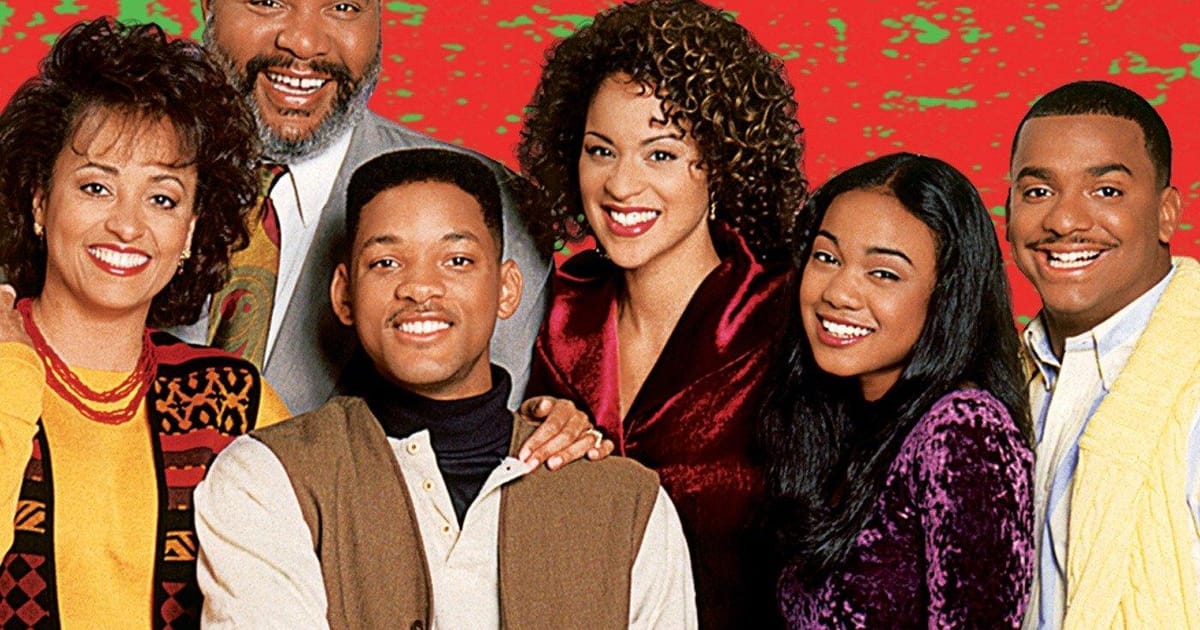

The Fresh Prince of Bel-Air is one of those rare sitcoms that can make you laugh at a butler’s one-liner, cry over a father-son moment, and suddenly wonder whether your own wardrobe needs more neon windbreakers. Running from 1990 to 1996, the series turned Will Smith from a Grammy-winning rapper into a global screen star, but its staying power comes from much more than one magnetic lead. The show mixed hip-hop energy, family comedy, class commentary, race conversations, emotional honesty, and just enough fourth-wall silliness to make the studio audience sound like they were personally invited to the Banks mansion.
This ranking and opinion guide looks at the show from several angles: best seasons, strongest characters, most memorable episodes, emotional peaks, comedy value, cultural legacy, and where the series occasionally loses a little steam. No ranking of The Fresh Prince of Bel-Air is completely scientific, unless someone has invented a laugh-track calculator and forgot to tell us. But by looking at fan discussions, episode reputations, critic commentary, and the series’ long-term cultural impact, we can build a fair, fun, and useful guide for longtime fans and new viewers alike.
Why The Fresh Prince of Bel-Air Still Matters
At first glance, the premise is simple: a street-smart teenager from West Philadelphia moves in with his wealthy relatives in Bel-Air. That setup gives the show endless comedy. Will clashes with Uncle Phil’s rules, teases Carlton’s buttoned-up personality, confuses Geoffrey with chaos, and treats the Banks mansion like a playground with columns. But under the jokes, the series is about identity. What happens when a young person changes environments without wanting to lose himself? What does success look like for a Black family in America? How do love, discipline, privilege, and pride coexist under one very expensive roof?
The show also helped bring hip-hop culture into mainstream family television without sanding off all its personality. Will’s fashion, slang, rhythm, and confidence made the sitcom feel different from many earlier network comedies. Yet the Banks family gave the series balance. Uncle Phil was not just a strict judge; he was a moral center. Aunt Vivian was elegant, intelligent, and formidable. Carlton was both the punchline and, often, the person with the most surprising emotional depth. Hilary could seem hilariously self-absorbed, but she grew into a character with genuine ambition. Ashley matured in front of viewers, while Geoffrey became the patron saint of polite sarcasm.
Best Seasons of The Fresh Prince of Bel-Air, Ranked
1. Season 4: The Emotional Crown Jewel
Season 4 earns the top spot because it contains some of the show’s strongest emotional storytelling while still keeping the comedy sharp. This is the season of “Papa’s Got a Brand New Excuse,” the episode most commonly placed near the top of any Fresh Prince ranking. It is also the season where Will’s charm begins to look more complicated. He is funny, yes, but he is also carrying abandonment, pride, fear, and a deep hunger for belonging. When the show lets those layers appear, it becomes more than comfort TV. It becomes unforgettable TV.
2. Season 3: Peak Sitcom Confidence
Season 3 feels like the show fully understands itself. The cast chemistry is polished, the jokes land quickly, and the series has enough confidence to swing between silly plots and serious themes without looking nervous. This season includes important developments for Ashley, stronger stories for Carlton, and several episodes that show the Banks family as more than just Will’s rich relatives. It is probably the easiest season to recommend to someone who wants the classic Fresh Prince flavor: bright, funny, stylish, and secretly smarter than it looks.
3. Season 2: The Formula Gets Fresher
Season 2 improves on the first season by giving the supporting cast more room. Will is still the engine, but the show starts realizing that Alfonso Ribeiro, James Avery, Karyn Parsons, Tatyana Ali, Janet Hubert, and Joseph Marcell are not decorations around him. They are a comedy orchestra, and Geoffrey is the triangle player who somehow steals the entire concert. Season 2 also sharpens the class contrast between Will and the Banks family without turning either side into a cartoon.
4. Season 1: Charming, Important, Slightly Wobbly
Season 1 has pilot-season energy: exciting, fresh, and occasionally still figuring out where the furniture goes. “The Fresh Prince Project” introduces the premise beautifully, and “Mistaken Identity” proves early that the show is willing to address racial profiling and social assumptions. Still, some early episodes feel more like a star vehicle than a fully balanced ensemble sitcom. That is not a criticism as much as a sign of growth. Even great mansions need a little interior decorating.
5. Season 5: Funny, But More Uneven
Season 5 still has strong episodes, including fan-favorite dramatic moments, but it also begins to show signs of sitcom fatigue. Some stories lean heavily on familiar routines: Will gets into trouble, Carlton reacts dramatically, Uncle Phil raises his voice, and Geoffrey delivers a line so dry it could legally be classified as toast. The formula still works, but it does not always surprise. Even so, the cast is so likable that “uneven Fresh Prince” remains better than many shows at their best.
6. Season 6: A Sentimental Goodbye
Season 6 ranks last not because it is bad, but because finales are difficult. The show has to wrap up character arcs, revisit old jokes, and prepare viewers to leave the Banks house. Some late episodes feel broad, and a few plots stretch credibility like Carlton reaching for a high note. But the finale, “I, Done,” gives the series an emotional sendoff. The empty house image works because the mansion has become more than a setting. It is where Will became family.
Best Fresh Prince Episodes, Ranked by Impact
1. “Papa’s Got a Brand New Excuse”
No serious ranking can ignore this episode. Will’s biological father returns, offering hope and old wounds in the same package. The final scene between Will and Uncle Phil is one of the most powerful moments in 1990s sitcom history. What makes it work is not just the writing, but the contrast. The episode begins with the show’s familiar comic rhythm, then slowly removes the armor. By the end, Will’s jokes cannot protect him anymore. Uncle Phil steps in not with a lecture, but with love. It is devastating, beautifully acted, and still discussed because it feels emotionally true.
2. “Mistaken Identity”
This early episode is essential because it reveals what the series can be. Will and Carlton are pulled over while driving a family car, and their different reactions expose how race, class, and personal experience shape the way people interpret the same event. Carlton initially believes status and respectability can shield him. Will knows better. The episode is direct without becoming preachy, and it gave the sitcom moral weight very early in its run.
3. “Bullets Over Bel-Air”
This episode pushes Will and Carlton into frightening territory after a robbery. The story is remembered for showing Carlton’s fear, anger, and desire for control. It also lets Will act as the emotional protector, proving that his maturity often appears when the people he loves are hurting. The subject matter is heavy, but the episode avoids feeling like a random “very special episode” because the characters’ reactions are rooted in who they are.
4. “Blood Is Thicker Than Mud”
Will and Carlton face different expectations when trying to join a fraternity. The episode explores Black identity, privilege, authenticity, and judgment within the community. Carlton’s speech about not needing to prove his Blackness is one of his strongest moments in the entire series. It is also a reminder that Carlton is not simply “the preppy cousin.” He is a young Black man navigating assumptions from multiple directions.
5. “I, Done”
The series finale deserves a high ranking because it understands the emotional geography of the show. Everyone is moving forward, and the house slowly empties. For a sitcom known for entrances, exits, dances, and people being thrown out the front door, the quietness of the ending feels surprisingly graceful. It says goodbye without over-explaining. That is harder than it looks.
Best Characters, Ranked With Opinions
1. Uncle Phil
Philip Banks is the show’s heart. James Avery plays him with authority, warmth, intelligence, and comic timing that could stop traffic. Uncle Phil can be intimidating, but he is never just “the angry dad.” He is a man who worked hard, built a life, loves his family deeply, and expects the people around him to grow. His relationship with Will gives the show its emotional foundation. Every great Fresh Prince ranking should begin with Uncle Phil and a respectful nod.
2. Will Smith
Will is the show’s spark plug. He is fast, stylish, mischievous, and emotionally more vulnerable than he wants people to know. The best version of Will is not merely the guy with jokes; it is the young man learning when jokes are not enough. His chemistry with every major character gives the sitcom unusual flexibility. He can be a clown with Jazz, a rival with Carlton, a son figure with Uncle Phil, a brother figure to Ashley, and a chaos generator for Hilary.
3. Carlton Banks
Carlton could have been a one-note joke about privilege. Instead, Alfonso Ribeiro turns him into one of the most memorable sitcom characters of the decade. Yes, the dance is legendary. Yes, the sweaters deserve their own museum wing. But Carlton is also insecure, ambitious, loyal, and often braver than he looks. His best episodes reveal the pressure of being judged as “not enough” by people inside and outside his world.
4. Geoffrey Butler
Geoffrey is the show’s stealth weapon. He may not dominate every storyline, but his commentary can slice through a scene like a butter knife with a law degree. Joseph Marcell’s delivery makes even simple lines feel elegant and savage. Geoffrey is not just the butler; he is the mansion’s unofficial historian, critic, and emotional weather reporter.
5. Aunt Vivian
Aunt Vivian, especially in the earlier seasons, brings intelligence, strength, and warmth to the Banks household. She can comfort, challenge, and command a room. Her dance-class episode remains a beloved example of how the character could surprise people who underestimated her. The recasting of Aunt Vivian remains one of the most debated parts of Fresh Prince history, but the character’s importance to the family structure is undeniable.
6. Hilary Banks
Hilary is easy to underestimate, which is exactly why she works. Her sheltered worldview creates comedy, but Karyn Parsons gives her a specific rhythm that makes the character oddly lovable. Hilary’s growth into a media personality gives her arc more direction than she receives credit for. She may not always know what is happening, but she usually looks fantastic while not knowing.
7. Ashley Banks
Ashley starts as the youngest Banks child and gradually becomes one of the show’s clearest examples of Will’s influence. She becomes more confident, curious, and independent. Her coming-of-age stories are sometimes light, sometimes serious, and often useful for showing how the family changes because Will is there.
Funniest Running Jokes and Moments
The most obvious recurring joke is Jazz being thrown out of the house, a bit that somehow stays funny because the show treats it like a ritual. It is not just a gag; it is practically a household maintenance procedure. Carlton’s dancing is another iconic element, but what makes it last is Ribeiro’s total commitment. Carlton dances with the confidence of a man who has never once feared a mirror.
Will’s insults toward Carlton also form a major part of the comedy, though the best jokes work because there is affection underneath. Geoffrey’s dry insults may be the most sophisticated humor in the series. He can destroy someone’s ego while holding a serving tray, which is frankly a life skill many people would pay to learn. Hilary’s clueless comments, Uncle Phil’s explosive reactions, and the show’s occasional fourth-wall breaks round out a comedy style that feels energetic even decades later.
Most Serious Themes the Show Handled Well
The Fresh Prince of Bel-Air is often remembered as a fun sitcom, but its legacy is stronger because it was not afraid of serious subjects. It explored racial profiling, father absence, gun violence, class tension, academic pressure, identity, grief, and family responsibility. The series usually returned to comedy, but it did not always rush away from pain. That balance is why so many viewers remember specific emotional scenes as clearly as they remember the jokes.
The best dramatic episodes do not feel pasted onto the show. They grow naturally from character relationships. Will’s father issues matter because Uncle Phil has already become a father figure. Carlton’s identity struggles matter because viewers have watched him be mocked for his personality. Ashley’s growing independence matters because she has been shaped by both privilege and Will’s rebellious influence. Seriousness works because the sitcom has already earned our affection.
Fresh Prince vs. Bel-Air: A Quick Opinion
The dramatic reboot Bel-Air proves how durable the original premise is. By removing the laugh track and leaning into drama, the reboot highlights issues that were sometimes compressed into 22-minute sitcom plots. It explores identity, wealth, ambition, trauma, and modern Black excellence in a more serialized way. Still, the original Fresh Prince has something impossible to duplicate: effortless comic chemistry. The sitcom feels like lightning in a very expensive bottle.
Comparing the two shows is tricky because they are built for different purposes. Bel-Air wants to reinterpret. The Fresh Prince of Bel-Air wants to entertain first, then sneak up and hit your feelings with a pillowcase full of truth. The original remains the stronger comfort watch, while the reboot offers a more dramatic expansion. Both can exist, but when people quote, dance, laugh, and get misty-eyed, they usually return to the Banks mansion of the 1990s.
Personal Viewing Experience: Why Ranking Fresh Prince Feels So Personal
Ranking The Fresh Prince of Bel-Air is not like ranking a show you watched once and filed away in your brain next to old Wi-Fi passwords. It feels personal because the series has a strange way of meeting viewers at different ages. As a kid, you may watch for Will’s jokes, the wild clothes, Jazz’s entrances, and Carlton’s dance. As a teenager, you may connect with Will’s feeling of being out of place, Ashley’s desire for independence, or Carlton’s pressure to live up to expectations. As an adult, Uncle Phil suddenly stops looking like “the strict one” and starts looking like the person holding the entire emotional building together with patience, discipline, and a very strong robe game.
One of the best experiences with the show is noticing how your favorite character changes over time. Many viewers begin with Will because he is the obvious center: funny, cool, quick, and rebellious. Then Carlton becomes more interesting because his insecurity is so human. Later, Uncle Phil becomes the standout because his love is not soft in a simple way; it is active, demanding, protective, and consistent. Geoffrey also improves with age because dry humor becomes more delicious when you have survived enough awkward family dinners to understand the value of a perfectly timed insult.
Another enjoyable part of revisiting the series is seeing how well the emotional episodes hold up. “Papa’s Got a Brand New Excuse” still works because it does not depend on nostalgia. The pain is clear. The acting is raw. The silence after the laughter fades feels earned. “Mistaken Identity” also remains powerful because the conversation it raises has not disappeared. A good sitcom episode can make you laugh; a great one can make you think about the world after the credits roll.
The show is also a reminder that comfort television does not have to be shallow. Sometimes people return to The Fresh Prince of Bel-Air because it feels safe, bright, and familiar. But once they are there, the show gives them more than easy laughs. It offers a family that argues, grows, forgives, and keeps showing up. It lets characters be ridiculous without making them meaningless. It lets wealth be funny, but not automatically superior. It lets Will be cool, but not invincible.
From a viewer’s perspective, the best way to enjoy the series today is not to treat it like a museum piece. Yes, it is very much a 1990s show. The fashion announces itself from across the street. Some jokes belong to their era. Some plots are broader than modern sitcom storytelling. But the emotional engine still runs. Will wants belonging. Carlton wants respect. Uncle Phil wants his family to become better. Hilary wants attention, then purpose. Ashley wants room to grow. Geoffrey wants everyone to stop being foolish, though thankfully they never do.
That is why Fresh Prince rankings create debate. Fans are not only comparing episodes; they are comparing memories. One viewer may rank “Bullets Over Bel-Air” highest because it shook them. Another may prefer “The Fresh Prince Project” because the pilot’s energy is unbeatable. Someone else may choose a lighter episode because it reminds them of watching reruns after school. None of those opinions are wrong. The show’s greatness is that it can be many things at once: a star-making comedy, a family sitcom, a cultural time capsule, a hip-hop television milestone, and an emotional coming-of-age story hiding inside a mansion with a very patient butler.
Final Opinion: What Is the True Legacy of The Fresh Prince of Bel-Air?
The true legacy of The Fresh Prince of Bel-Air is not just that it made Will Smith famous, though it absolutely launched him like a rocket wearing a backwards cap. Its real achievement is that it made a specific story feel universal without flattening what made it specific. It gave viewers a wealthy Black family on network television, brought hip-hop style into the sitcom mainstream, and used comedy to discuss class, race, family, masculinity, and belonging.
Not every episode is perfect. Some jokes age better than others. Some later-season plots feel stretched. But the show’s best moments are so strong that they lift the entire series. The Fresh Prince of Bel-Air remains funny because the cast is gifted. It remains emotional because the relationships are believable. It remains relevant because its central questions still matter. Where do you come from? Where do you belong? Who helps raise you? And how do you stay yourself when life flips everything upside down?
For rankings, Season 4 stands as the emotional champion, Season 3 as the best pure sitcom season, Uncle Phil as the most important character, Will as the brightest spark, and “Papa’s Got a Brand New Excuse” as the defining episode. For opinions, the verdict is simple: The Fresh Prince of Bel-Air is not just one of the best sitcoms of the 1990s. It is one of the most rewatchable American sitcoms ever made. Also, Geoffrey deserves a raise. Probably six raises.