
There are few workplace phrases more powerful, more mysterious, and more capable of making people silently stare at their laptop than “circle back.” It sounds friendly. It sounds productive. It sounds like something a person says while holding a coffee they forgot to drink three meetings ago.
But what does “circle back” actually mean? In plain English, it usually means “let’s return to this later” or “I’ll follow up when I have more information.” That’s the simple version. The real version is a little more entertaining, because the phrase can be useful, vague, polite, evasive, strategic, annoying, or all five at once.
In modern workplace communication, “circle back” has become one of those classic business expressions people use in emails, meetings, chats, and project updates. Sometimes it helps keep conversations moving. Sometimes it feels like corporate wallpaper with a password. Either way, it’s worth understanding because you will absolutely hear it, read it, and probably be tempted to use it.
This guide breaks down the meaning of “circle back,” how to use it, when it works, when it sounds like pure office fog, and what to say instead if you’d rather sound like a human being and not a company-branded chatbot in loafers.
What Does “Circle Back” Mean?
“Circle back” means to return to a topic, issue, conversation, or task later. In a workplace setting, it often suggests that the speaker wants to pause the discussion for now and revisit it after gathering more information, getting approval, or simply finding a better time to talk.
For example:
- “Let’s circle back to the budget after finance reviews the numbers.”
- “I’ll circle back with you tomorrow once I hear from legal.”
- “We’re running out of time, so let’s circle back to this in next week’s meeting.”
At its best, the phrase is practical. It keeps a conversation from getting stuck. At its worst, it can feel like a polite way of saying, “I do not want to deal with this right now, and I hope it disappears into the mist.”
Why Do People Say “Circle Back” So Much?
Because work is full of unfinished conversations.
Teams often need to pause discussions while waiting for data, approvals, stakeholder input, or a less chaotic moment on the calendar. “Circle back” gives people a quick shorthand for that pause. It sounds collaborative, softens the delay, and avoids making the conversation feel like a hard stop.
People also use it because it feels safer than being direct. Saying “I don’t know yet” or “we can’t decide right now” is honest, but “let’s circle back” sounds smoother and more diplomatic. It buys time. It protects tone. It also creates a delightful amount of ambiguity if nobody defines when the return will happen.
That ambiguity is exactly why the phrase has become famous as corporate jargon. Many professionals recognize it instantly, but not everyone loves it. Some hear efficiency. Others hear a nicely folded blanket hiding a messy problem underneath.
Is “Circle Back” Professional?
Yes, “circle back” is professional enough for many workplaces, especially in internal communication. You’ll hear it in meetings, Slack messages, and routine emails between coworkers. It is common in business settings and widely understood.
That said, “professional” and “clear” are not always the same thing.
If your audience is informal, fast-moving, and already used to workplace shorthand, “circle back” may sound completely normal. If your audience includes clients, job candidates, cross-functional partners, or people outside your company culture, the phrase can feel vague or overly corporate.
In other words, it is not wrong. It is just not always the best choice.
When “Circle Back” Works Well
1. When you truly plan to follow up
This is the golden rule. If you say you’ll circle back, you should actually do it. Otherwise, the phrase becomes a tiny trust leak.
2. When a discussion needs more information
If a decision depends on data, approvals, or research, the phrase can help pause the conversation without sounding abrupt.
3. When a meeting is running out of time
Not every topic deserves to be wrestled into submission during minute 57 of a 60-minute call. Sometimes the humane thing is to revisit it later.
4. When you need a neutral tone
“Circle back” often sounds less harsh than “not now” or “we’re not discussing this today.” That can be useful in delicate situations.
When “Circle Back” Can Be a Problem
1. When it replaces clarity
If you say “let’s circle back” but do not name the next step, you may leave people wondering whether they should wait, act, or start stress-refreshing their inbox.
2. When it sounds evasive
Some people use the phrase to dodge commitment. If that becomes a pattern, coworkers may interpret it as avoidance rather than professionalism.
3. When your audience values direct language
Clients, executives, and external partners often appreciate specificity more than corporate shorthand. “I’ll send an update by Thursday” is stronger than “I’ll circle back.”
4. When it becomes verbal wallpaper
Like “touch base,” “synergy,” and “move the needle,” the phrase can start sounding tired if it appears in every meeting. Nobody wants an email that reads like it was written by a committee trapped in a conference room since 2016.
Examples of “Circle Back” in Real-Life Communication
In a meeting
“We need more customer feedback before making that call, so let’s circle back next Friday.”
In an email
“I’m still waiting on the vendor’s final quote. I’ll circle back once I have the updated pricing.”
In a chat message
“I’m tied up right now, but I’ll circle back this afternoon.”
In project management
“Let’s circle back to the timeline after the engineering team reviews the scope changes.”
These examples all work because they imply a return to the topic. They work even better when paired with a timeframe or next action.
How to Use “Circle Back” Better
If you want to use the phrase without sounding vague, add details. The phrase itself is not the issue. The fog around it is.
Here’s the weak version:
“Let’s circle back on this.”
Here’s the stronger version:
“Let’s circle back on this after the client review on Wednesday.”
Even better:
“I’ll follow up by Wednesday after the client review and share a recommendation.”
Notice the pattern? The more specific the language, the more useful it becomes.
Alternatives to “Circle Back”
If you want a phrase that sounds clearer, fresher, or less corporate, here are strong alternatives to “circle back,” along with when to use them.
1. Follow up
Best for: emails, project updates, and professional communication in general.
Example: “I’ll follow up tomorrow after I review the proposal.”
2. Revisit
Best for: strategy discussions, longer-term topics, and meetings.
Example: “Let’s revisit this after we finish the pilot.”
3. Return to this
Best for: direct, simple language.
Example: “Let’s return to this once we have the final data.”
4. Check back in
Best for: friendly internal communication.
Example: “I’ll check back in later this week.”
5. Continue the conversation
Best for: people-focused discussions and collaborative tone.
Example: “Let’s continue the conversation once everyone has reviewed the draft.”
6. Get back to you
Best for: one-to-one communication and client-facing situations.
Example: “I’ll get back to you by noon tomorrow.”
7. Discuss this later
Best for: blunt clarity without sounding rude.
Example: “We’re out of time, so let’s discuss this later.”
8. Table this for now
Best for: meetings, though it can sound a bit formal.
Example: “Let’s table this for now and pick it up next week.”
“Circle Back” vs. Similar Phrases
“Circle back” vs. “follow up”
These are close cousins, but “follow up” is usually clearer. It suggests a real next step. “Circle back” can sound more open-ended.
“Circle back” vs. “touch base”
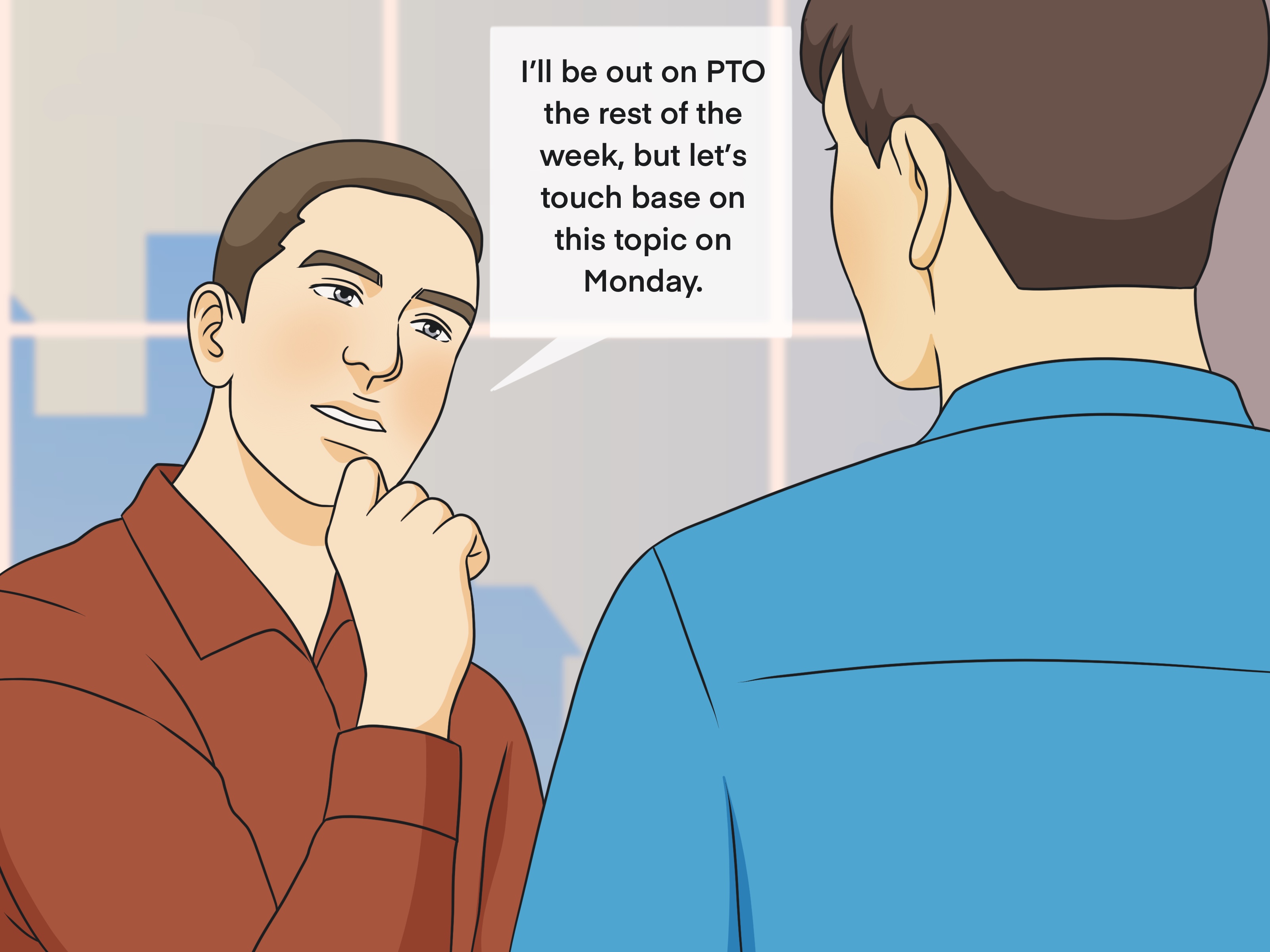
Both are workplace staples, but “touch base” usually means briefly connecting with someone, while “circle back” means returning to a topic later.
“Circle back” vs. “revisit”
“Revisit” sounds a bit more polished and less buzzy. It often works better in writing, especially when you want to sound thoughtful rather than corporate.
Should You Use “Circle Back” in Emails?
Yes, but carefully.
In internal emails, it’s generally fine. In external emails, it depends on your audience. A client may understand it, but a more direct phrase usually lands better. Instead of writing:
“I’ll circle back on this shortly.”
Try:
“I’ll send an update this afternoon.”
That second version is stronger because it gives the reader something concrete. Good business writing respects the other person’s time. It does not make them decode a cloud.
Funny but True: Why People Roll Their Eyes at It
Because “circle back” has become one of those phrases that can sound oddly polished while saying very little. It belongs to the same office universe as “let’s unpack that,” “take this offline,” and “put a pin in it.” These phrases survive because they are useful shorthand. They also inspire mild emotional damage because overuse turns them into clichés.
The issue is not that “circle back” is evil. It is that many people use it when they could say something simpler:
- Not “Let’s circle back after alignment.”
- Say “Let’s talk again after the team agrees on the plan.”
Cleaner language usually wins. Fewer sighs. Less jargon. Lower probability of someone muting themselves to laugh.
Best Practices for Using “Circle Back” Without Sounding Vague
- Add a timeframe: “I’ll circle back by Friday.”
- Name the trigger: “Let’s circle back after legal approves the contract.”
- State the action: “I’ll circle back with a revised draft.”
- Use it sparingly: even good phrases get tired when they appear in every sentence.
- Choose plain English when possible: especially with clients or broad audiences.
Final Thoughts on the Meaning of “Circle Back”
So, what does “circle back” mean? Most simply, it means to return to something later. In the workplace, it often signals a pause, a follow-up, or a delayed decision. It can be useful, polite, and efficient. It can also be fuzzy, overused, and suspiciously convenient.
The smartest approach is not to ban the phrase from your vocabulary forever like it committed tax fraud. Just use it with intention. If you really plan to revisit the issue, “circle back” can work. If clarity matters more than corporate comfort, pick a more direct alternative like “follow up,” “revisit,” or “get back to you.”
In other words, you do not need to stop saying it. You just need to make sure your language actually goes somewhere, instead of doing elegant laps around the point.
Experiences Related to “Circle Back”: What It Sounds Like in Real Life
If you have worked in an office, attended virtual meetings, or survived even one group project with six opinions and no agenda, you have probably experienced “circle back” in the wild. And the phrase tends to produce one of two reactions.
The first reaction is relief. Imagine a meeting where ten people are debating a tiny issue with the passion usually reserved for championship sports or family holiday recipes. The conversation is drifting, time is disappearing, and nobody has the information needed to decide anything. Then someone says, “Let’s circle back after we get the customer data.” In that moment, the phrase is a hero. It saves time, restores order, and lets everyone move on to the next topic without dramatic emotional collapse.
The second reaction is suspicion. This happens when “circle back” gets used so often that it starts sounding less like a plan and more like a witness protection program for unresolved tasks. You ask about a promotion timeline. “We’ll circle back.” You ask whether the budget is approved. “Let’s circle back.” You ask who is responsible for the mistake in the client deck. Somehow, everyone is suddenly circling and nobody is arriving anywhere.
Many professionals learn the meaning of the phrase through experience, not dictionaries. Early in a career, it may sound polished and impressive. Later, after hearing it fifty times in one quarter, people start translating it automatically. Sometimes it means, “I need more time.” Sometimes it means, “This is not a priority.” Sometimes it means, “I forgot.” And sometimes, to be fair, it means exactly what it says: “We will return to this once the right conditions are in place.”
That lived experience is why tone matters so much. When a manager says, “I’ll circle back with you tomorrow,” and then actually follows up tomorrow, trust grows. The phrase feels responsible. But when someone says it repeatedly with no deadline, no context, and no next step, the phrase turns into office confetti. Decorative, plentiful, and not especially helpful.
The best communicators usually learn a simple lesson from these experiences: people do not just remember your words; they remember whether your words led to action. That is the real reputation of “circle back.” It is not defined by the phrase itself but by what happens after it. If your follow-up arrives, the phrase sounds professional. If nothing happens, it sounds like polished delay.
So the most useful experience-based rule is this: say “circle back” only when you can point to the road back. Give a date, a condition, or a specific next move. That tiny extra detail changes the phrase from vague business jargon into clear communication. And in a workplace full of overflowing calendars and half-finished threads, that difference is bigger than it looks.
SEO Tags