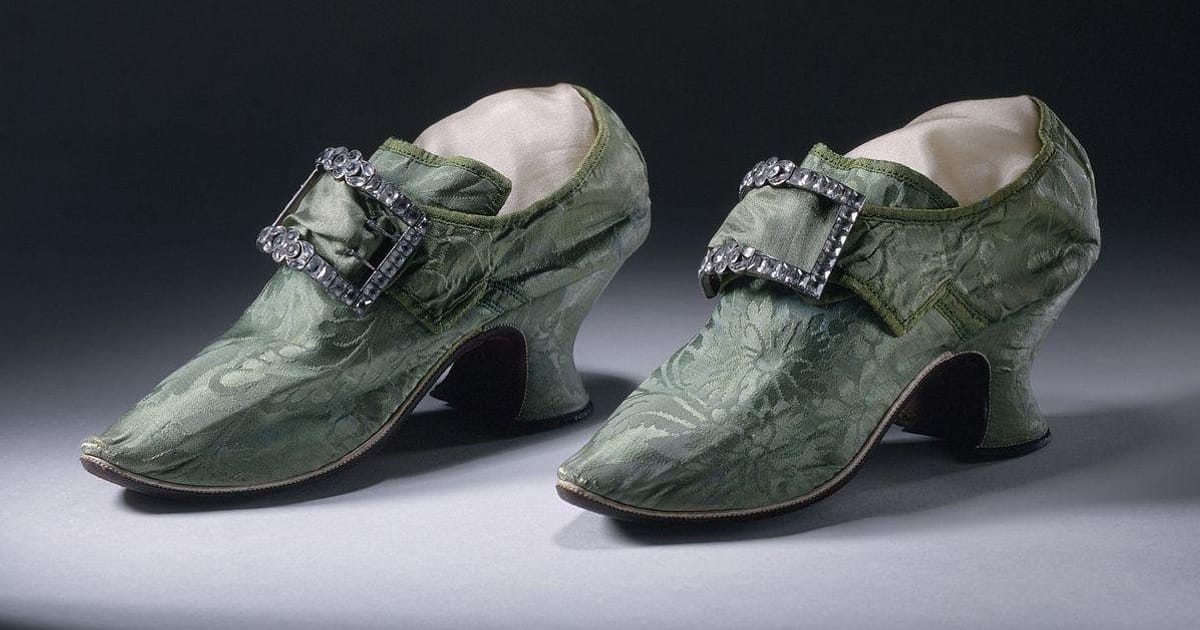

High heels may look like the ultimate symbol of modern feminine glamour, but their history is much stranger, older, and more delightfully dramatic than a red-carpet ankle wobble. Long before stilettos appeared in department stores, heeled shoes were worn by horseback riders, aristocratic men, wealthy women, kings, courtiers, performers, rebels, and fashion lovers who wanted one thing humans have always wanted: to stand a little taller.
The history of high heels is not a simple story of “women’s shoes.” It is a story of power, class, gender, technology, body language, and social performance. At different moments, heels have meant military skill, royal privilege, wealth, flirtation, rebellion, professionalism, discomfort, confidence, and pure theatrical flair. In other words, high heels have never been just shoes. They are tiny architectural monuments attached to the feet, and sometimes they come with blisters.
Where Did High Heels Come From?
The earliest roots of heeled footwear are often connected to riding cultures, especially in Western Asia. A raised heel helped riders keep their feet secure in stirrups, which was especially useful for cavalrymen who needed balance while moving quickly on horseback. This practical origin is important because it flips the modern assumption upside down: heels were not originally designed to make someone look delicate. They helped riders stay steady while handling weapons, horses, and the general chaos of premodern warfare.
That riding function never fully disappeared. Even today, cowboy boots and riding boots often include a stacked heel. The heel catches the stirrup and adds stability. So, while a modern stiletto may not help anyone chase across a battlefieldunless the battlefield is a sample salethe basic concept of a raised heel has practical equestrian roots.
High Heels Enter European Fashion
By the early modern period, heeled shoes had become visible in Europe, where they were adopted by elite men as markers of power and refinement. In the 16th and 17th centuries, European aristocrats were fascinated by foreign styles, military symbolism, and anything that made them appear wealthier than the person standing next to them. Heels delivered all three.
For noblemen, high heels suggested horseback skill, status, and leisure. A man who could afford impractical shoes clearly was not spending his day plowing fields or carrying sacks of grain. His shoes announced, “I have servants for that.” Fashion has always had a talent for turning inconvenience into prestige.
Louis XIV: The King Who Took Heels Very Seriously
No discussion of men in high heels is complete without King Louis XIV of France. The Sun King understood image-making before personal branding had a name. He used clothing, architecture, ceremony, and footwear to project authority. His heeled shoes, often associated with red heels and soles, became symbols of courtly privilege.
At the French court, heels were not just accessories; they were political signals. Red heels indicated proximity to royal power. They were expensive, visible, and impractical enough to say, “I belong in a palace, not a muddy street.” Louis XIV’s footwear helped turn high heels into a language of hierarchy. The higher and more elaborate the shoe, the more carefully society was expected to notice.
Women, Chopines, and the Art of Towering Elegance
While European men embraced heels as symbols of aristocratic masculinity, women were also stepping upwardsometimes dramatically. In Renaissance Venice and Spain, wealthy women wore chopines, towering platform shoes that could reach extraordinary heights. These shoes were often hidden under long skirts, but their effect was unmistakable: the wearer appeared taller, grander, and more socially elevated.
Chopines served both practical and symbolic purposes. They helped protect clothing from dirty, wet streets, but they also displayed wealth. The higher the platform, the more fabric was needed for the gown. More fabric meant more money. More money meant more status. It was fashion math, Renaissance edition.
Of course, walking in very high chopines was not exactly a casual errand-running experience. Some women needed attendants for balance. That detail tells us something important about fashion history: shoes have often been used to communicate that the wearer did not need to move quickly, work physically, or be practical. In elite fashion, inconvenience could be the point.
When High Heels Became Gendered
In the 17th century, both men and women wore heels in Europe. But over time, styles began to split along gender lines. Men’s heels tended to become broader, sturdier, and associated with boots, riding, and military dress. Women’s heels became slimmer, more decorative, and increasingly linked to elegance, beauty, and sexuality.
This shift did not happen overnight. Fashion changes slowly, then all at once. By the 18th century, Enlightenment ideals encouraged men to dress in ways that appeared rational, sober, and practical. Male fashion became less flamboyant, especially compared with the highly decorated court styles of the previous century. This broader change is sometimes associated with the “Great Male Renunciation,” when elite men moved away from bright colors, lace, elaborate wigs, and high heels toward darker suits and more restrained clothing.
Women, meanwhile, were increasingly expected to carry the decorative weight of fashion. Heels became coded as feminine, even though men had worn them for centuries. It was one of history’s great wardrobe handoffs: men popularized heels, then acted surprised when women kept wearing them.
The 19th Century: Heels, Morality, and Mass Production
During parts of the early 19th century, high heels fell out of mainstream fashion, especially as simpler footwear became popular. But heels returned with force later in the century, helped by changes in manufacturing and consumer culture. Industrial advances made shoes easier to produce in larger quantities, and fashion magazines helped spread trends more quickly.
The 19th century also sharpened the connection between heels and ideas about femininity. Shoes became part of a broader conversation about modesty, attractiveness, class, and respectability. A woman’s footwear could be judged as elegant, frivolous, seductive, or improper depending on the observer’s mood and moral temperature. Apparently, ankles were very busy causing cultural anxiety.
Photography and print advertising further shaped the image of the heeled shoe. As fashion became more visual and commercial, heels were marketed not only as clothing but as transformation. They changed posture, gait, height, and silhouette. A heel could make the body appear more upright and the legs longer. It could also make walking across cobblestones feel like negotiating a peace treaty with gravity.
The 20th Century: From Hollywood Glamour to the Stiletto
In the 20th century, high heels became deeply connected to cinema, celebrity, and modern femininity. Hollywood helped turn heels into symbols of glamour. Film stars wore pumps, sandals, platforms, and elegant evening shoes that audiences wanted to imitate. The camera loved the line created by a high heel, and advertisers loved the emotional promise: wear this, become unforgettable.
After World War II, new materials and design techniques contributed to the rise of the stiletto. The stiletto heel, slim and often reinforced with metal, created a sharper, more dramatic silhouette than earlier chunky heels. It became one of the most recognizable shoe forms of the modern era.
The stiletto was admired, criticized, desired, and debated almost immediately. Some saw it as empowering and glamorous. Others saw it as uncomfortable, restrictive, or designed more for looking than living. Both views can be true. High heels have always carried contradiction: they can make someone feel powerful and physically limited at the same time. That is a complicated legacy for an object small enough to fit in a closet.
Men Never Really Stopped Wearing Heels
Although high heels became strongly associated with women’s fashion, men never completely abandoned elevated footwear. Riding boots, cowboy boots, Cuban heels, Beatle boots, platform shoes, and rock-star footwear all kept the tradition alive. In the 1960s and 1970s, musicians helped bring men’s heels back into popular culture. Glam rock, disco, and stage fashion made elevated shoes look bold, rebellious, and theatrical.
Think of Prince, David Bowie, Elton John, and countless performers who understood that a heel can command a stage. Their shoes were not quiet. They were part of the performance. They challenged everyday gender rules and reminded audiences that fashion is a costume, a message, and occasionally a very sparkly dare.
Today, men’s heels continue to appear in fashion shows, celebrity styling, queer fashion, streetwear, and luxury footwear. Designers have increasingly explored gender-fluid shoes, including boots and platforms that refuse to stay in one category. The old idea that heels “belong” to one gender looks less historical and more like a temporary social habit.
Why High Heels Became Symbols of Power
Height has always carried symbolic meaning. To stand taller can suggest confidence, authority, visibility, and dominance. That does not mean every person wearing heels is trying to rule a kingdom, although some boardrooms do have Versailles energy. It means heels change the wearer’s relationship to space.
Heels alter posture by lifting the heel, changing the angle of the foot, and shifting the body’s center of gravity. This can create a more upright stance and a distinctive walk. Across history, that bodily transformation has been interpreted in many ways: masculine strength, aristocratic leisure, feminine allure, stage presence, rebellion, professionalism, or celebration.
High heels also separate the wearer from the ordinary ground. That sounds poetic because it is. From chopines to red court heels to stilettos, elevated footwear has often suggested that the wearer occupies a special social position. The person is not merely walking; they are being seen.
Comfort, Criticism, and the Politics of Pain
No honest history of high heels can ignore discomfort. Heels can strain feet, ankles, knees, hips, and backs, especially when worn for long periods or designed with narrow toe boxes and steep angles. Many wearers love the look but dislike the pain. That tension has fueled debates for generations.
In workplaces, high heels have sometimes been treated as part of a professional dress code for women, which has raised fair questions about gender, health, and choice. If a shoe is painful, should it ever be required? If it changes how a person is perceived, is it empowering, limiting, or both? The answer depends on context, culture, and whether the person wearing them actually wanted to.
Modern fashion has responded with block heels, wedges, platforms, cushioned insoles, lower heel heights, and hybrid designs that try to balance style with comfort. The popularity of sneakers has also changed expectations. Today, many people want shoes that look good and allow them to survive a parking lot, a subway platform, and a wedding reception without bargaining with their toes.
High Heels in Modern Fashion
Modern high heels are more diverse than ever. There are stilettos, kitten heels, block heels, wedges, platforms, mules, pumps, slingbacks, boots, and architectural runway shoes that look like they were designed during a dramatic conversation between an engineer and a swan. Some are made for daily wear. Others are closer to sculpture.
Designers such as Christian Louboutin, Manolo Blahnik, Jimmy Choo, and many others have helped turn heels into luxury icons. Red soles, elegant pumps, and fantasy footwear are now part of global fashion language. At the same time, independent designers and gender-fluid brands are challenging old assumptions about who gets to wear what.
That is the real lesson of high heel history: footwear is never neutral. Shoes carry stories about labor, status, gender, desire, and identity. When someone wears heels today, they step into a history that includes Persian riders, Venetian platforms, French kings, Hollywood stars, office workers, drag performers, brides, musicians, and anyone who has ever said, “These shoes are uncomfortable, but look at them.”
Experiences Related to High Heels: What Wearing Them Teaches Us
Spend even one evening in high heels and fashion history suddenly becomes less abstract. The first lesson is posture. Heels make you aware of your body immediately. You stand differently, distribute weight differently, and walk with more intention. There is less casual shuffling and more strategic movement. Every staircase becomes a small engineering project. Every sidewalk crack becomes a villain.
This experience helps explain why heels have been associated with performance for so long. Wearing heels can make a person feel polished, taller, and more commanding. A pair of sleek pumps can change the mood of an outfit instantly. A heeled boot can make a simple jacket feel sharper. Platform heels can turn an ordinary entrance into a small parade. This is why people keep returning to heels despite the complaints. They are not only worn on the feet; they are worn in the attitude.
At weddings, high heels often reveal their double personality. During the ceremony, they look elegant and photograph beautifully. By the reception, many guests quietly switch to flats, sandals, or bare feet under the table. This ritual is practically universal: glamour at 5 p.m., survival by 10 p.m. It shows the ongoing negotiation between beauty and comfort that has shaped heel history for centuries.
In professional settings, heels can carry another layer of meaning. Some people wear them because they feel confident and put-together. Others feel pressured by dress expectations. A black pump in an office may communicate authority, but it can also represent the extra effort often expected in women’s appearance. The best modern approach is choice. A shoe should support the person wearing it, not trap them in a historical argument with the floor.
For men who wear heels today, the experience can be especially revealing. A Cuban heel or platform boot may feel stylish and subtle, while a taller heel can attract attention precisely because society still treats heels as gendered. Yet history is on their side. Men in heels are not a new trend; they are part of a very old tradition returning with better lighting and possibly better leather.
Trying on historical-style heels also changes how we understand the past. Looking at a portrait of Louis XIV is one thing. Imagining court life while balancing in decorated heels is another. Seeing Venetian chopines in a museum is impressive; picturing someone walking in them with attendants nearby makes the social message clear. These were not just accessories. They shaped movement, status, and behavior.
The everyday experience of heels also teaches respect for design. A well-made heel distributes weight better, supports the arch, and gives the wearer a fighting chance. A poorly made heel feels like a medieval punishment disguised as a discount. Heel thickness, toe shape, platform height, and material all matter. This is why two shoes with the same heel height can feel completely different.
Ultimately, high heels offer an experience that is emotional as much as physical. They can be joyful, painful, empowering, impractical, elegant, rebellious, or all of those before lunch. Their long history explains why they remain fascinating. High heels have survived because they do something few garments can do so quickly: they change how people stand, how they move, and how they are seen.
Conclusion: High Heels Have Always Been Bigger Than Fashion
The history of high heels proves that fashion is rarely as simple as it looks. Heels began with practical functions, gained power through military and aristocratic associations, became symbols of royal privilege, rose under women’s skirts in the form of chopines, shifted into feminine fashion, and later returned through men’s boots, platforms, stagewear, and gender-fluid design.
Both men and women have worn high heels, and both have used them to express status, beauty, authority, identity, and drama. The modern heel may be controversial, but it is also historically rich. Whether you love stilettos, prefer block heels, admire cowboy boots, or avoid elevated footwear entirely, high heels deserve credit for one thing: they have kept humanity standing taller, arguing louder, and dressing with flair for centuries.