
Note: This Hoka Kaha 3 hiking boot review is written for readers who want a practical, trail-minded look at comfort, waterproofing, traction, fit, durability, and real-world value. No fluff, no hype fog machinejust the good, the questionable, and the “should I spend $240 on these?” answer.
Introduction: A Hiking Boot for People Who Secretly Want Sneakers
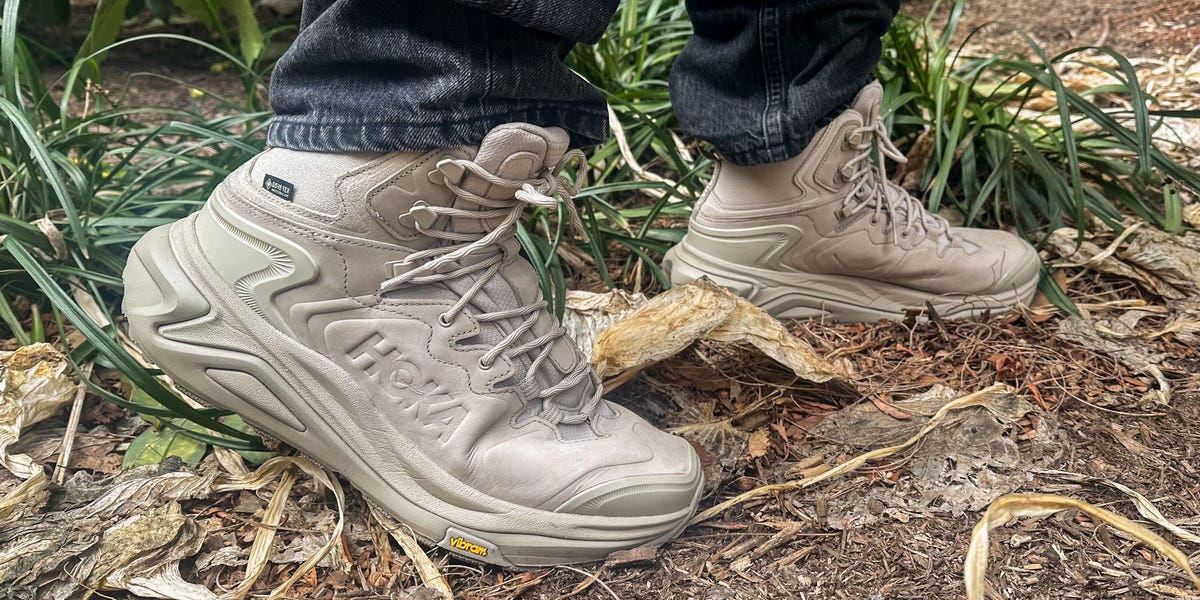
The new Hoka Kaha 3 GTX arrives with a very Hoka promise: maximum cushion, long-haul comfort, and enough trail protection to make your ankles feel like they hired security. It is a mid-cut waterproof hiking boot designed for day hikes, multi-day backpacking trips, wet trails, rocky descents, and hikers who believe sore feet are not a personality trait.
Hoka has built its reputation on oversized midsoles and smooth rides, mostly in running shoes. The Kaha line takes that plush, rolling feel and applies it to hiking footwear. The result is a boot that looks burly but walks softer than many traditional leather hikers. Think less “old-school mountain boot that needs three weeks and a blood sacrifice to break in,” and more “trail cruiser with a protective shell.”
The Kaha 3 GTX is not cheap. It is not the lightest hiking boot in the store. It is not the breeziest option for hot summer trails. But it may be one of the most comfortable waterproof hiking boots for hikers who prioritize underfoot cushioning, stable support, and dependable grip over minimalist trail feel.
Hoka Kaha 3 GTX at a Glance
| Feature | Details |
|---|---|
| Boot Type | Mid-cut waterproof hiking boot |
| Best For | Day hikes, wet trails, long hikes, backpacking, rocky terrain |
| Upper | Waterproof nubuck leather with recycled polyester mesh elements |
| Waterproofing | GORE-TEX Invisible Fit |
| Midsole | Dual-density EVA with 30% sugarcane-based content |
| Outsole | One-piece Vibram Megagrip with Traction Lug technology |
| Lug Depth | 4 mm |
| Listed Weight | About 20 oz per men’s shoe |
| Heel-to-Toe Drop | Listed around 7 mm for men’s model |
| Price | About $240 |
What’s New in the Hoka Kaha 3?
The Hoka Kaha 3 GTX is not just a fresh paint job on the Kaha 2. The third version brings a more streamlined silhouette, an updated fit, more durable protective elements, and a one-piece outsole design intended to improve long-term reliability. Hoka also added GORE-TEX Invisible Fit, a plush sugarcane-based EVA midsole, a molded TPU heel counter and toe cap, and beveled edges that make the boot look less like a moon rover and more like something you can wear to a trailhead coffee stop without frightening the barista.
A Softer, More Cushioned Ride
The biggest reason to consider the Kaha 3 is comfort. The dual-density midsole gives the boot a cushioned landing without turning every step into a marshmallow trampoline. The softer layer helps absorb impact, while the firmer layer keeps the platform from feeling sloppy. On long descents, gravel roads, rooty forest trails, and backpacking days with extra load, that extra cushion can matter.
Hikers with sensitive feet, tired knees, or a history of choosing boots that feel like medieval punishment devices may especially appreciate the Kaha 3’s soft landings. The underfoot feel is muted, protective, and smooth. You will not feel every pebble. For some hikers, that is the whole point.
Better Durability Where It Counts
The new version adds a more protective toe cap and a molded heel structure. The one-piece Vibram outsole is also an important update because outsole separation has been a concern with some heavily cushioned hiking shoes and boots in the broader market. The Kaha 3 feels more boot-like than the Kaha 2, and that added structure should appeal to hikers carrying packs or walking through rougher terrain.
Comfort Review: The Main Event
Comfort is where the Hoka Kaha 3 GTX makes its strongest argument. Many hiking boots ask for patience. The Kaha 3 asks for socks and a trail. While it may still feel slightly stiff out of the box, especially around the leather upper, it generally avoids the brutal break-in period that gives traditional boots their villain origin story.
The cushioning is thick, protective, and forgiving. It helps reduce the repetitive pounding that builds up over a full day on trail. On hard-packed dirt, rocky paths, and gravel access roads, the boot feels especially good. Instead of sharp feedback, you get a steady roll forward. This is not a barefoot-style hiking experience; it is more like hiking with suspension.
The PU sockliner adds another layer of plushness, and the collar is designed to reduce pressure around the Achilles. That detail matters. A boot can have the softest midsole in the world, but if the collar chews your heel like an angry raccoon, the hike is over. The Kaha 3 is generally friendly around the ankle and heel, though fit will depend heavily on foot shape.
Fit and Sizing: Try Before You Commit
Fit is the one area where shoppers should slow down. Hoka recommends going up a half size for the ideal fit, and many hikers will be wise to follow that advice, especially if they wear thick hiking socks or expect their feet to swell on longer hikes. Some retailers and reviewers report true-to-size experiences, while some customer feedback suggests the toe box can feel narrower than previous Kaha models.
The safest approach is simple: test the boot on an incline if possible. Your toes should not jam into the front on descents. You should be able to lace the heel securely without crushing the top of your foot. If you are between sizes, the half-size-up recommendation deserves serious consideration.
Who Will Like the Fit?
The Kaha 3 should work well for hikers with average-width feet who like a snug, secure mid-cut boot. It offers a stable platform and a supportive upper without feeling as rigid as many traditional backpacking boots.
Who Might Struggle?
Hikers with very wide forefeet may find the toe box less forgiving. If you prefer roomy, natural toe splay, brands like Altra or certain Keen models may feel more accommodating. Also, if you love ultra-light trail runners, the Kaha 3 may feel like it brought a suitcase to a sprint.
Traction Review: Vibram Megagrip Does the Heavy Lifting
The Hoka Kaha 3 GTX uses a one-piece Vibram Megagrip outsole with 4 mm lugs. That combination is built for mixed terrain: dry dirt, forest duff, wet roots, mud, gravel, and rocky trails. The outsole has a wide contact patch, which helps the boot feel planted rather than tippy despite the tall midsole.
On moderate trails, the grip feels confident. On wet dirt and muddy paths, the lugs bite well enough for most day hikes and backpacking routes. On rock, Vibram Megagrip provides a tacky feel that gives the boot better confidence than its soft, chunky appearance might suggest.
However, this is not a technical scrambling boot. The high stack height reduces ground feel, and hikers who need precise edging on steep rock may prefer a firmer, lower-profile boot or approach shoe. The Kaha 3 favors comfort and stability over surgical foot placement. It is a trail cruiser, not a rock-climbing slipper with ankle padding.
Waterproofing: Great for Wet Trails, Less Great for Hot Feet
The Kaha 3 GTX features GORE-TEX Invisible Fit and waterproof nubuck leather. In practical terms, this means it is built for rain, mud, wet grass, shallow stream crossings, slushy shoulder-season hikes, and those suspicious puddles that look two inches deep until they are absolutely not.
For wet climates, this is a major strength. The boot gives solid protection when the weather turns moody, and the mid-cut height adds more splash protection than a low hiking shoe. If your trails include creek crossings, muddy switchbacks, or rainy forest hikes, the waterproof build is a strong reason to consider the Kaha 3.
The trade-off is breathability. Waterproof hiking boots almost always run warmer than non-waterproof models. In hot, dry summer conditions, the Kaha 3 can feel overbuilt. Your feet may stay protected from external moisture but create their own tiny climate event inside the boot. If most of your hiking happens in desert heat or dry summer weather, a breathable non-waterproof shoe may be more comfortable.
Stability and Support: Plush, But Not Wobbly
A thick midsole can sometimes create a platform that feels unstable, especially on uneven terrain. Hoka manages this risk with a wide base, an Active Foot Frame, a supportive upper, and its Hubble Heel and SwallowTail geometry. The result is a boot that feels cushioned but surprisingly controlled.
The mid-cut ankle height provides more support than a hiking shoe without feeling like a rigid mountaineering boot. The lacing system uses quick-lace metal hooks that make it easier to adjust ankle tension. On mellow terrain, you can lace a bit looser for comfort. On descents or when carrying a pack, you can cinch down for better heel hold.
For backpacking, this balance is important. A boot that is soft but unstable can become tiring. A boot that is supportive but harsh can become painful. The Kaha 3 lands in the middle: cushioned, protective, and stable enough for most long hikes and moderate backpacking trips.
Weight: Not Ultralight, But Reasonable for the Cushion
The Kaha 3 GTX is not trying to be an ultralight hiking shoe. At around 20 oz per men’s shoe, it carries some noticeable mass compared with trail runners and lightweight hikers. That said, the rocker shape and smooth midsole help mask some of the weight once you get moving.
If your goal is fast-and-light hiking with a minimal pack, this boot may feel like too much. If your goal is comfort, waterproofing, and support over long miles, the weight becomes easier to justify. Basically, the Kaha 3 is not the boot you choose to win a speed-hiking bragging contest. It is the boot you choose when you want your feet to still speak to you politely at mile twelve.
Hoka Kaha 3 GTX Pros and Cons
Pros
- Excellent underfoot cushioning for long hikes and descents
- Reliable waterproof protection with GORE-TEX Invisible Fit
- Strong Vibram Megagrip outsole with 4 mm lugs
- Stable platform despite the high stack height
- Supportive mid-cut design for backpacking and rough trails
- Improved durability features compared with previous versions
- More refined, less bulky look than older Kaha models
Cons
- Expensive at around $240
- Warmer and less breathable than non-waterproof hiking shoes
- Not ideal for hikers who want maximum ground feel
- May feel narrow for wide feet
- Heavier than trail runners and some lightweight hiking boots
- Leather upper can take longer to dry externally
Who Should Buy the Hoka Kaha 3 GTX?
The Hoka Kaha 3 GTX is best for hikers who put comfort first but still need real boot support. It is a strong match for people who hike in wet climates, carry moderate backpacking loads, walk long distances on hard or rocky surfaces, or want plush cushioning to reduce foot fatigue.
It is also a good option for hikers transitioning from trail runners into boots. If traditional boots feel too stiff, heavy, or joyless, the Kaha 3 offers a softer landing and smoother ride while still giving more ankle coverage and weather protection.
Who Should Skip It?
Skip the Kaha 3 GTX if you primarily hike in hot, dry conditions and do not need waterproofing. Also consider alternatives if you have very wide feet, prefer a low-drop or minimalist feel, need a highly precise scrambling boot, or simply want the lightest possible footwear.
Budget also matters. At $240, this is a premium hiking boot. The Merrell Moab 3, Keen Targhee series, and some Salomon hiking shoes cost less and may be better for casual hikers who only hit easy trails a few times per season.
Hoka Kaha 3 vs. Hoka Kaha 2
The Kaha 3 improves on the Kaha 2 with a sleeker design, a more durable one-piece outsole, updated waterproof construction, and added protective elements at the heel and toe. It also feels a bit more refined visually. The older Kaha 2 had a loyal following for comfort, but the Kaha 3 feels more structured and more trail-ready.
The downside is that the Kaha 3 may feel slightly heavier and possibly narrower in the forefoot for some users. If you loved the Kaha 2’s roomier feel, try the Kaha 3 carefully before committing. If you wanted the Kaha 2 to feel tougher and more polished, the Kaha 3 is the better boot.
Performance on Different Trails
Day Hikes
For day hikes, the Kaha 3 GTX is almost luxurious. It may be more boot than you need for short, dry walks, but on rocky, wet, or rooty trails, the comfort and traction shine.
Backpacking
The supportive upper, stable base, and cushioned midsole make it a strong choice for moderate backpacking loads. It is not a stiff alpine boot, but it handles multi-day trail use well.
Wet Forest Trails
This is one of the Kaha 3’s best environments. The waterproofing, leather upper, and grippy outsole make sense in mud, rain, wet leaves, and shallow water crossings.
Hot Summer Trails
This is where the boot is less convincing. The waterproof build can feel warm, especially during high-output hikes. For dry summer hiking, a breathable non-GTX shoe may be smarter.
Real-World Experience: What Hiking in the Kaha 3 Feels Like
The first thing you notice about the Hoka Kaha 3 GTX is the height of the platform. It feels tall, cushioned, and protective, almost like the boot is politely separating your feet from the nonsense below. Gravel? Muted. Small rocks? Softened. Hard-packed trail? Smoothed out like someone ran an iron over it.
On an early morning hike after rain, the Kaha 3 feels right at home. Wet grass brushes the leather upper, puddles collect in low spots, and mud tries to make the trail more exciting than necessary. The boot stays composed. The Vibram outsole grips well, and the mid-cut collar gives a sense of security when stepping over slick roots. You do not feel nimble in the way you would in a trail runner, but you do feel protected.
After a few miles, the cushioning becomes the star. On long descents, where many boots start to feel harsh under the heel and forefoot, the Kaha 3 keeps absorbing impact. This is especially noticeable with a daypack or overnight pack. The boot does not eliminate fatiguesadly, your legs are still responsible for being legsbut it reduces that sharp pounding sensation that can make descents feel like a personal feud with gravity.
The lacing system is practical. You can dial in the lower foot and ankle separately, which helps when terrain changes. On flat trail, a slightly relaxed ankle lace feels comfortable. Before descending, tightening the upper hooks helps prevent forward slide. This matters because toe bang is the fastest way to turn a scenic hike into a toenail-related tragedy.
The waterproofing feels reassuring in cool, wet weather. Walking through damp brush or crossing shallow streams is less stressful when you trust the boot. But once the day warms up, the same waterproof protection becomes a trade-off. Breathability is acceptable for a waterproof leather boot, but it is not airy. On a hot exposed climb, your feet may feel warm enough to start asking legal questions.
The boot’s stability is better than expected for something this cushioned. The wide platform helps, and the heel geometry gives a steady landing. Still, hikers who prefer close trail feel may find the ride too insulated. You are not reading the trail in fine print; you are getting the large-print edition.
By the end of a long hike, the Kaha 3’s value becomes clearer. It is not about being the lightest or most technical boot. It is about finishing with feet that feel less battered. For hikers who often end the day with sore heels, tender forefeet, or tired joints, that comfort can be worth the premium price.
Verdict: Is the Hoka Kaha 3 GTX Worth It?
Yes, the Hoka Kaha 3 GTX is worth it for the right hiker. If you want a plush, waterproof hiking boot with strong traction, supportive structure, and a smooth ride, it is one of the most compelling comfort-first boots available. It is especially good for wet trails, long days, backpacking, and hikers who want more protection than a trail runner without stepping into the stiffness of a traditional leather backpacking boot.
It is not perfect. The price is high, the waterproof build runs warm, the fit may be narrow for some feet, and the tall midsole reduces ground feel. But judged by what it is trying to bea cushioned, supportive, weather-ready hiking bootthe Kaha 3 GTX performs very well.
The simplest verdict: buy it if comfort and waterproof protection are your top priorities. Try before buying if you have wide feet. Skip it if you hike mostly in hot, dry weather or want an ultralight trail feel. The Kaha 3 is a premium boot with a premium ride, and for many hikers, that ride will feel like money well spent.
Final Thoughts
The new Hoka Kaha 3 hiking boot proves that a serious trail boot does not have to feel like a brick with laces. It blends Hoka’s famous cushioning with real hiking features: GORE-TEX waterproofing, Vibram traction, a supportive leather upper, and a stable mid-cut build. It is comfortable, protective, and surprisingly smooth for its size.
If your hiking style includes wet trails, long mileage, sore-foot prevention, or backpacking comfort, the Kaha 3 GTX deserves a spot on your shortlist. Just respect the fit. Try a half size up, test it on descents, and make sure the toe box works for your foot shape. A great boot is only great if your feet agreeand feet are famously dramatic little coworkers.