
The Tomnuk French Rolling Pin is the kind of kitchen tool that makes you want to clear the counter, dust it with flour, and pretend your weekend pie project is a charming scene from a cooking show. Simple? Yes. Ordinary? Not exactly. This handle-free wooden rolling pin blends practical pastry control with the quiet beauty of handcrafted design, making it a favorite for bakers who care as much about feel as they do about function.
Unlike bulky American-style rolling pins with handles, a French rolling pin is direct, responsive, and pleasantly old-school. You press with your palms, guide with your fingers, and feel the dough as it changes under the pin. The Tomnuk version takes that traditional form and turns it into a polished kitchen object that can roll pie crust one minute and hang like functional art the next. If your current rolling pin lives in a drawer like a forgotten wooden log, this one may inspire better behavior.
What Is the Tomnuk French Rolling Pin?
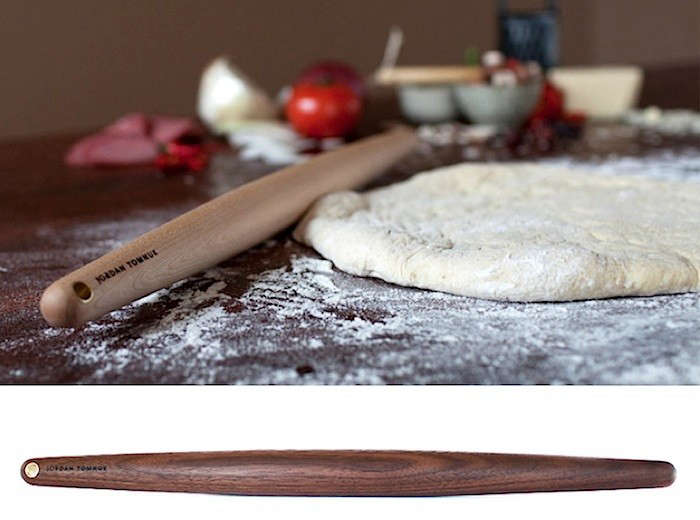
The Tomnuk French Rolling Pin is a handcrafted wooden rolling pin designed in the French style: long, slim, handle-free, and easy to maneuver. The maple version measures approximately 21.5 inches long and 1.5 inches in diameter, giving it enough length for pie dough, pastry, pizza crust, cookies, flatbreads, and other baking tasks without feeling oversized on a home kitchen counter.
Tomnuk’s maple rolling pin is finished with a mixture of beeswax and mineral oil, which gives the wood a smooth surface while helping protect it from drying out. A small brass hanging feature adds a distinctive design detail. That detail is practical if you like to keep your tools close at hand, but it also gives the pin a gallery-like quality. In other words, it is not shy about being seen.
The brand is known for refined, design-forward products, and this rolling pin reflects that same sensibility. It is not covered in gimmicks. It does not have silicone rings, ball bearings, bright plastic handles, or a “space-age dough optimization system,” which, thankfully, is not a real thing. It is simply wood, shape, balance, and finish working together.
Why French Rolling Pins Are Loved by Bakers
A French rolling pin changes the way you interact with dough. With a handled rolling pin, your hands sit away from the dough, often applying pressure through the handles instead of directly through the barrel. With a French pin, your palms sit on the pin itself. This gives you a clearer sense of thickness, resistance, temperature, and movement.
Better Control Over Pressure
When rolling pie crust or pastry dough, uneven pressure can lead to thin edges, thick centers, cracking, sticking, and the sort of emotional spiral usually reserved for assembling furniture without instructions. A French rolling pin helps because your hands can adjust pressure instantly. Press harder in the middle, ease up near the edges, or angle one hand slightly to correct the shape.
Easier Circular Rolling
French rolling pins are especially useful for rolling dough into rounds. Because the ends are easy to guide, you can rotate the dough and gently pivot the pin as you work. This is helpful for pies, galettes, tart crusts, tortillas, dumpling wrappers, and any recipe where a nice circle matters. It will not turn you into a pastry chef overnight, but it can reduce the number of crusts that look like the outline of an unidentified island.
More Feel for the Dough
Experienced bakers often talk about “feeling” the dough. That may sound dramatic until you have rolled butter-heavy pastry on a warm day. Dough tells you things. It gets tacky when warm, stiff when chilled, elastic when overworked, and fragile when too dry. A handle-free rolling pin lets you notice those changes faster because there is less hardware between your hands and the dough.
Tomnuk French Rolling Pin Design and Materials
The Tomnuk French Rolling Pin stands out because it treats a humble baking tool as an object worth designing carefully. The maple model has a clean, pale wood tone that fits naturally into modern, farmhouse, Scandinavian, minimalist, and traditional kitchens. It looks elegant without begging for compliments, which is a rare and admirable quality in kitchen gear.
Maple Wood Construction
Maple is a popular choice for rolling pins because it is hard, durable, smooth, and dense enough for regular kitchen use. A wooden rolling pin should feel sturdy but not exhausting. The Tomnuk maple pin’s slim profile gives it a light, agile feel, especially compared with marble pins or oversized handled models.
Wood also has a natural advantage when working with flour. A lightly floured wooden surface can help reduce sticking without requiring excessive flour, which matters because too much added flour can toughen dough. This is especially important for pie crust, biscuits, pastry, and cookies where tenderness is the goal.
Beeswax and Mineral Oil Finish
The beeswax and mineral oil finish helps create a smooth, clean surface while preserving the natural texture of the wood. This type of finish is common for wooden kitchen tools because it conditions the wood without creating a thick synthetic coating. The result is a rolling pin that feels polished but still connected to the material.
That finish also supports easy care. You can wipe the pin clean after use, dry it promptly, and occasionally refresh the wood with food-safe mineral oil or a beeswax-based conditioner. Treat it kindly and it should age beautifully. Treat it like a dishwasher-safe plastic spatula and, well, the rolling pin will remember.
Brass Hanging Detail
The small brass hanging feature is one of the Tomnuk rolling pin’s most memorable details. Many rolling pins are designed to disappear into a drawer. This one is designed to be displayed. Hanging it on a rail, hook, or peg keeps it accessible and turns it into part of the kitchen’s visual story.
That may sound minor, but easy access matters. When a tool is visible and pleasant to use, you are more likely to reach for it. A rolling pin hanging near your prep area quietly says, “You could make biscuits.” Dangerous? A little. Delicious? Absolutely.
Best Uses for the Tomnuk French Rolling Pin
The Tomnuk French Rolling Pin is versatile enough for everyday baking, but it shines most in recipes where control and sensitivity matter. Its slim, handle-free shape works beautifully for doughs that need gentle pressure and steady guidance.
Pie Crust and Galettes
Pie dough rewards even pressure and quick handling. The Tomnuk pin’s French design helps you roll from the center outward while adjusting pressure near the edges. For galettes, where rustic charm is allowed and perfection is politely discouraged, the pin makes it easy to create a thin, even round without overworking the dough.
Cookies and Shortbread
For sugar cookies, gingerbread, and shortbread, the pin offers good control over thickness. If you need perfectly uniform cookies, you may still want thickness guides or rolling pin rings. But for most home baking, the Tomnuk pin provides enough precision while feeling more natural than many handled pins.
Pizza Dough and Flatbreads
Pizza purists may argue that dough should be stretched by hand, and they are not entirely wrong. Still, a French rolling pin can help flatten stubborn dough, shape flatbreads, or roll thin crackers. Use a light touch so you do not force out every air bubble unless the recipe calls for it.
Dumplings, Pasta Sheets, and Small Pastries
The direct control of a French rolling pin is useful for smaller dough projects. Dumpling wrappers, hand pies, empanadas, and laminated pastry pieces all benefit from a rolling pin that can make small adjustments without feeling clunky. The Tomnuk pin’s slim diameter makes it easy to reposition and guide.
Tomnuk French Rolling Pin vs. Traditional Rolling Pins
Choosing a rolling pin is partly about baking style. A traditional handled rolling pin can be comfortable for people who want leverage and a familiar grip. A straight dowel pin can be excellent for rolling large sheets evenly. A marble pin can stay cool for pastry but may feel heavy. The Tomnuk French Rolling Pin offers a different balance: control, lightness, beauty, and direct contact.
Compared With Handled Rolling Pins
Handled rolling pins can be useful for large batches and firm doughs, but the handles sometimes reduce feedback. You may press harder than needed or miss subtle changes in dough thickness. The Tomnuk French pin gives you more tactile control, which many bakers prefer for pastry and pie crust.
Compared With Marble Rolling Pins
Marble rolling pins are attractive and naturally cool, which can help with buttery doughs. However, they are often heavy and less responsive. The Tomnuk pin is lighter, easier to move, and less intimidating for everyday use. You can always chill your dough properly; you do not always need a rolling pin that doubles as gym equipment.
Compared With Budget French Pins
Budget French rolling pins can perform well, especially for beginners. The difference with Tomnuk is in the details: handcrafted appeal, refined finish, balanced proportions, and the brass hanging feature. It is not the cheapest way to roll dough, but it is a more design-conscious choice for bakers who appreciate well-made tools.
How to Use the Tomnuk French Rolling Pin
Using a French rolling pin is simple, but a few technique adjustments can make it much more effective. Start by lightly flouring your work surface and the pin. Place the dough in the center and roll outward from the middle, turning the dough a quarter turn every few passes. This helps maintain an even shape and prevents sticking.
Keep your hands relaxed. Let your palms guide the pressure instead of pushing aggressively. If the dough begins to stick, lift it gently, add a whisper of flour, and continue. If it gets too soft, pause and chill it. Dough is not a race. Dough is a negotiation.
For round shapes, press slightly more in the center and ease up as you reach the edges. For rectangular doughs, roll from the center toward each side, then square the corners gently with your hands. For delicate pastry, use shorter strokes and avoid repeatedly rolling over the same spot.
How to Clean and Care for a Tomnuk French Rolling Pin
Wooden rolling pins are easy to maintain when you avoid the two great villains of wood care: soaking and dishwashers. After use, scrape off stuck dough with a bench scraper or dry cloth. Wipe the pin with a damp cloth and, if needed, a tiny amount of mild dish soap. Then wipe away any soap residue and dry the pin immediately.
Do not leave the rolling pin sitting in water. Do not put it in the dishwasher. Do not store it near direct heat. Wood expands and contracts with moisture and temperature changes, so gentle cleaning helps prevent cracking, warping, or roughness.
Every few months, or whenever the wood feels dry, apply a small amount of food-safe mineral oil or a beeswax-based wood conditioner. Rub it in with a clean cloth, let it absorb, and wipe off any excess. This keeps the surface smooth and helps preserve the pin’s natural beauty.
Who Should Buy the Tomnuk French Rolling Pin?
The Tomnuk French Rolling Pin is a strong fit for home bakers, design lovers, gift shoppers, and anyone who wants a kitchen tool that performs well and looks good enough to display. It is especially appealing if you enjoy making pie crust, tarts, cookies, galettes, hand pies, or other dough-based recipes where control matters.
It also makes a thoughtful gift for someone who already owns the basics and appreciates handcrafted objects. A stand mixer may steal the spotlight, but a beautiful rolling pin is the tool that quietly shows up for holiday cookies, Sunday biscuits, birthday pies, and late-night “why not make pizza?” decisions.
Possible Drawbacks to Consider
No product is perfect for every kitchen. The Tomnuk French Rolling Pin is more expensive than many mass-market rolling pins, so it may not be the best choice if you only bake once a year and mostly use your oven for frozen fries. It also requires basic wood care, including hand washing and occasional conditioning.
Because it is a French-style pin, there may be a learning curve if you are used to handles. The first few uses can feel unfamiliar. However, most bakers adjust quickly, and many end up preferring the added control. Think of it like switching from automatic doors to a beautifully made brass doorknob. Different at first, satisfying after that.
Is the Tomnuk French Rolling Pin Worth It?
The Tomnuk French Rolling Pin is worth considering if you value craftsmanship, design, and tactile control. It is not merely a baking accessory; it is a tool that can improve how you roll dough and how your kitchen feels. The maple wood, beeswax and mineral oil finish, slim proportions, and brass hanging detail all contribute to a product that is useful, durable, and visually refined.
If your priority is the lowest possible price, a basic French rolling pin can do the job. But if you want a rolling pin that feels special every time you use it, Tomnuk offers something more memorable. It is the difference between a pen from a hotel lobby and a pen you actually enjoy writing with. Both make marks. Only one makes the task feel better.
Real Baking Experience With the Tomnuk French Rolling Pin
Using the Tomnuk French Rolling Pin feels refreshingly simple, and that simplicity is part of its charm. The first thing you notice is the shape. Without handles, there is nothing to distract your hands. You place your palms directly on the wood, and the dough responds immediately. For pie crust, that responsiveness is a big advantage. You can feel when the chilled butter is still firm, when the dough begins to soften, and when one side is getting thinner than the other.
In a typical home baking session, the pin works best when the dough is properly chilled and the counter is lightly floured. Too much flour makes pastry dry, but too little creates sticking and panic. The Tomnuk pin’s wooden surface holds a light dusting well, so it moves smoothly across the dough without feeling slippery. It is especially satisfying for rolling a galette crust because the pin allows small corrections as the circle expands. If the dough starts becoming oval, you can rotate it and gently guide it back. If one edge thins too quickly, you ease pressure there. It feels less like forcing dough into shape and more like persuading it with confidence.
For cookie dough, the experience is equally pleasant. The pin is long enough to roll a generous sheet, yet slim enough to control near the edges. When making sugar cookies, it helps to roll from the center outward, then rotate the dough and repeat. The pin does not eliminate the need for good technique, but it makes good technique easier to practice. Bakers who like exact cookie thickness may still use guide rails, but the Tomnuk pin provides a smooth, natural rolling motion that feels more personal than mechanical.
The brass hanging detail becomes surprisingly useful after baking. Instead of hiding the pin in a drawer where it can knock into measuring spoons, pastry brushes, and that one mystery utensil nobody remembers buying, you can hang it where it belongs. It becomes part of the kitchen. This matters more than it sounds. When tools are beautiful and visible, they invite use. You may find yourself baking more often simply because the rolling pin is there, looking calm and capable.
Cleaning is straightforward as long as you do not let dough dry on the surface for hours. A quick scrape, a damp cloth, and immediate drying are usually enough. After several uses, a little food-safe mineral oil or beeswax conditioner refreshes the surface. This small maintenance ritual actually adds to the experience. It reminds you that wood is alive in a way stainless steel and plastic are not. It changes slightly, deepens in character, and becomes more personal over time.
The Tomnuk French Rolling Pin is not the tool for someone who wants every kitchen item to be dishwasher-safe and emotionally unavailable. It asks for a little care. In return, it gives you control, beauty, and a more connected baking experience. Whether you are making apple pie, cinnamon rolls, crackers, tart shells, or a casual weeknight pizza crust, it makes the process feel more intentional. And honestly, if a rolling pin can make flour on your shirt feel like evidence of artistry rather than poor planning, that is a kitchen win.
Conclusion
The Tomnuk French Rolling Pin is a beautifully made tool for bakers who want precision, comfort, and a little visual poetry in the kitchen. Its French-style shape offers excellent control, the maple wood construction feels smooth and natural, and the brass hanging detail turns a practical object into something worth displaying. It requires simple hand care, but that is a small trade-off for a rolling pin that can serve pies, pastries, cookies, and kitchen memories for years.
If you bake often, appreciate handcrafted tools, or want a gift that feels thoughtful instead of generic, the Tomnuk French Rolling Pin deserves a serious look. It is elegant without being fussy, useful without being boring, and charming without trying too hard. In the world of baking tools, that is a pretty delicious combination.
Note: Product details such as price, availability, shipping time, dimensions, and finish may change over time. Always check the current seller listing before purchasing.