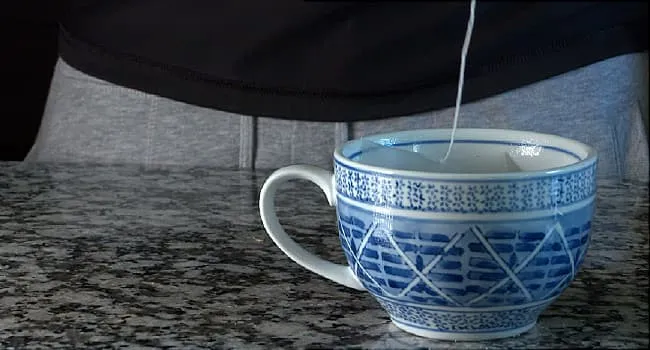

A sore throat can turn ordinary activities into surprisingly dramatic events. Swallowing water feels like a major negotiation, talking becomes optional, and a crunchy potato chip suddenly looks like a medieval weapon. Fortunately, many mild sore throats can be managed with simple home-care steps while the underlying irritation or infection runs its course.
This video-style guide explains how to soothe a sore throat at home using hydration, saltwater gargles, honey, humidity, cold foods, lozenges, rest, and appropriate over-the-counter medicine. It also covers what not to do and the warning signs that mean it is time to contact a healthcare professional.
What Causes a Sore Throat?
A sore throat, medically called pharyngitis, occurs when the tissues in the throat become inflamed or irritated. Viral infections such as the common cold are among the most frequent causes. Influenza, COVID-19, infectious mononucleosis, and other viral illnesses may also begin with throat discomfort.
Bacterial infections are less common, but they matter because some require medical treatment. Strep throat, caused by group A Streptococcus bacteria, may produce sudden throat pain, fever, painful swallowing, swollen lymph nodes, red tonsils, or white patches. A clinician may need to perform a rapid test or throat culture before recommending antibiotics.
Not every sore throat is an infection. Allergies, postnasal drip, dry indoor air, mouth breathing, cigarette smoke, chemical fumes, acid reflux, and excessive talking or shouting can all irritate the throat. Your throat may simply be filing a formal complaint about its working conditions.
Most viral sore throats improve without antibiotics. Antibiotics do not treat viruses and should not be taken “just in case,” borrowed from another person, or rescued from the mysterious leftovers at the back of a medicine cabinet.
Video Guide: How to Soothe a Sore Throat at Home
Step 1: Drink Enough Fluids
The first home remedy is also the least glamorous: drink fluids regularly. Water keeps the throat moist and helps prevent dehydration, especially when fever, congestion, or coughing is present. Clear broth, warm tea, diluted juice, ice water, and electrolyte drinks are reasonable options.
Warm liquids can feel comforting because they relax and moisten irritated tissues. Cold liquids can temporarily numb discomfort. Neither temperature is universally superior, so choose the one your throat votes for. Some people prefer warm tea in the morning and ice water later in the day.
Avoid beverages that sting or worsen symptoms. Highly acidic juices may irritate a raw throat, while alcohol can contribute to dehydration. Excessive caffeine may also be unhelpful when you are already struggling to drink enough water.
Step 2: Gargle With Warm Salt Water
For adults and children old enough to gargle safely, a warm saltwater rinse may temporarily reduce throat discomfort. Mix approximately one-quarter to one-half teaspoon of table salt into 4 to 8 ounces of warm water. Gargle for several seconds and spit it out.
The water should feel pleasantly warm, not hot enough to audition as soup. Repeat the gargle several times during the day as needed. Do not encourage young children to try it until they can reliably gargle and spit without swallowing or choking.
Step 3: Use Honey for a Coating Effect
Honey can coat an irritated throat and may also help calm a cough associated with an upper respiratory infection. Stir a teaspoon into warm water or caffeine-free tea, or take a small spoonful by itself. Let boiling drinks cool before adding honey so you do not replace throat irritation with a burned mouth.
Important safety rule: Never give honey to a baby younger than 12 months. Honey may contain spores that can cause infant botulism. For children older than 1, caregivers should use age-appropriate amounts and consult a pediatrician when symptoms are concerning.
Step 4: Try Cold Foods
Ice chips, frozen fruit pops, chilled applesauce, smoothies, or small servings of ice cream can provide temporary numbing relief. Cold foods are especially useful when swallowing warm drinks feels unpleasant.
Select smooth foods without sharp edges. Toast, dry crackers, spicy chips, and crunchy snacks may scrape an already irritated throat. This is one of those rare moments when pudding can honestly claim to be part of a sensible plan.
Step 5: Add Moisture to Dry Air
A cool-mist humidifier may ease dryness caused by heated or air-conditioned indoor air. Place it near the bed while sleeping, but follow the manufacturer’s cleaning instructions carefully. Dirty humidifiers can collect bacteria, mold, and mineral buildup, creating an indoor ecosystem nobody requested.
A warm shower can also add moisture to the air and loosen nasal mucus. Avoid leaning over bowls of boiling water, especially around children. Steam burns can be serious, and the potential benefit is not worth turning a sore-throat evening into an emergency-room evening.
Step 6: Use Lozenges or Hard Candy Safely
Throat lozenges and hard candy stimulate saliva production, which can keep the throat moist. Some products contain menthol or a local numbing ingredient for additional temporary relief.
These products are choking hazards for young children. Follow the product’s age instructions and pediatric guidance rather than guessing based on how mature a child appears while requesting candy. Also remember that medicated lozenges are medicines, not an unlimited snack.
Fluids, warm saltwater, honey for people older than 1, humidity, ice, and age-appropriate lozenges are consistently recommended as symptom-relief measures by major U.S. medical organizations.
Step 7: Rest Your Body and Your Voice
Sleep supports recovery, while reduced talking gives irritated throat and voice tissues a break. Speak normally but gently when necessary. Whispering is not always restful because it can strain the voice box in a different way.
If your sore throat follows a long day of teaching, cheering, singing, or talking over loud music, vocal rest may be particularly useful. Send a text instead. The people in your household may even enjoy the unexpected tranquility.
Step 8: Control Postnasal Drip
Mucus draining down the back of the throat can create persistent scratchiness, throat clearing, and coughing. Saline nasal spray, hydration, humidity, and treatment of underlying allergies may reduce this irritation.
Use only sterile, distilled, or appropriately boiled and cooled water in devices designed to rinse the nasal passages. Follow the device instructions and keep the equipment clean. A simple saline spray may be more convenient for people who do not want nasal irrigation to become a full evening project.
Step 9: Avoid Smoke and Other Irritants
Cigarette smoke, vaping aerosols, strong cleaning fumes, dust, paint odors, and very dry air can worsen throat irritation. Avoid smoking and secondhand smoke while symptoms are presentand preferably after symptoms disappear too.
If cleaning products trigger coughing or burning, leave the area, ventilate the room, and avoid combining household chemicals. A sore throat does not need a side quest involving chlorine gas.
Step 10: Consider Acid Reflux
A sore throat that is worse in the morning, follows late-night meals, or occurs with hoarseness, throat clearing, heartburn, or a sour taste may be related to reflux. Avoid lying down immediately after eating, limit foods that clearly trigger symptoms, and consider eating smaller evening meals.
Persistent reflux symptoms should be discussed with a healthcare professional. Repeated throat irritation may need a more specific diagnosis and treatment plan rather than an endless cycle of tea and optimism.
Can Over-the-Counter Medicine Help?
Over-the-counter pain relievers such as acetaminophen or ibuprofen may reduce sore throat pain and fever when they are safe for the person taking them. Always read and follow the Drug Facts label. Doses vary by age, product strength, and medical history.
Do not take multiple products containing acetaminophen at the same time. Many combination cold and flu medicines already contain it, making accidental double dosing possible. Too much acetaminophen can cause severe liver damage.
Ibuprofen and other nonsteroidal anti-inflammatory drugs may not be appropriate for everyone, including some people with kidney disease, stomach ulcers, gastrointestinal bleeding, certain heart conditions, or specific medication interactions. Ask a pharmacist or healthcare professional when unsure.
Children and teenagers should not receive aspirin for a suspected viral illness because of the risk of Reye syndrome. Pediatric doses should be measured with the dosing device supplied with the medicine, not a kitchen spoon with a strong sense of independence.
Medicine can reduce discomfort, but it does not automatically treat the underlying cause. Confirmed strep throat generally requires prescribed antibiotics, while viral infections usually do not.
Home Remedies That Deserve Caution
Very Hot Drinks
Warm drinks may feel soothing, but extremely hot liquids can burn sensitive tissues. Test the temperature before drinking, especially when serving children or older adults.
Undiluted Vinegar or Lemon Juice
Acidic ingredients may sting an inflamed throat and can affect tooth enamel. A small amount of lemon in warm water may be comfortable for some people, but stronger is not automatically better.
Essential Oils Taken by Mouth
Essential oils can be toxic when swallowed, may interact with medicines, and may cause allergic reactions. Do not ingest them unless a qualified healthcare professional has specifically recommended a regulated product and dose.
Leftover Antibiotics
Using leftover antibiotics can delay the correct diagnosis, cause side effects, and contribute to antibiotic resistance. A throat swab may be needed to determine whether a bacterial infection is present.
Smoking or Alcohol “To Kill Germs”
Neither approach disinfects the throat safely. Smoke increases irritation, while strong alcohol may sting tissues and contribute to dehydration. The germs will not be impressed, but your throat will be annoyed.
When Should You Seek Medical Care?
Home remedies are intended for mild symptoms, not breathing emergencies or serious infections. Seek urgent medical care for difficulty breathing, severe difficulty swallowing, drooling caused by an inability to swallow, signs of dehydration, blue or gray lips, confusion, severe weakness, or rapidly increasing swelling of the neck, tongue, mouth, or face.
Contact a healthcare professional when a sore throat is severe, continues to worsen, lasts longer than expected, or is accompanied by a high or persistent fever, rash, blood in saliva, repeated vomiting, significant neck swelling, pus or white patches, severe ear pain, or symptoms that improve and then return.
Children should be evaluated promptly if they are unusually sleepy, cannot drink, urinate much less than normal, have trouble breathing, develop excessive drooling, or appear seriously ill. A sore throat with a sandpaper-like rash may be associated with scarlet fever and requires medical assessment.
People with weakened immune systems, active cancer treatment, organ transplants, serious chronic illness, or a history of significant airway problems should seek individualized medical advice sooner.
Persistent hoarseness, a recurring sore throat, a neck lump, unexplained weight loss, or symptoms lasting for weeks also deserve evaluation, especially in people who smoke or previously smoked.
A Simple Sore Throat Routine for One Day
Morning: Start with water, then try warm tea with honey if you are older than 1. Eat a soft breakfast such as oatmeal, yogurt, scrambled eggs, or applesauce. Gargle with warm salt water if you can do so safely.
Afternoon: Continue sipping fluids. Use a lozenge if it is age-appropriate, and choose soup, mashed potatoes, noodles, or another soft meal. Take an appropriate pain reliever only according to the label or professional advice.
Evening: Avoid smoke, alcohol, and a large late-night meal. Take a warm shower or run a properly cleaned cool-mist humidifier. Prepare water for the bedside so dryness does not wake you at 2 a.m. with the sensation that you swallowed a cactus.
Before bed: Check your symptoms honestly. If breathing or swallowing is becoming difficult, do not simply add another pillow and hope for a plot twist. Seek medical care.
Practical Experience: What At-Home Sore Throat Care Often Feels Like
The following is an illustrative, experience-based scenario rather than a report about one specific patient. It reflects common situations people encounter when managing a mild sore throat at home.
Imagine waking up with a faint scratch in your throat. At first, you blame the air conditioner, yesterday’s long phone call, or the suspiciously enthusiastic karaoke performance nobody requested. You drink coffee, begin your normal routine, and discover that the scratch has upgraded itself into actual pain by lunchtime.
The first useful lesson is that relief rarely comes from one dramatic remedy. It usually comes from a series of small choices. Keeping a bottle of water nearby works better than remembering to drink a giant glass every four hours. Warm tea may provide comfort, but alternating it with cold water or a frozen fruit pop can prevent “tea fatigue,” a medical condition invented for this paragraph but emotionally very real.
A saltwater gargle often feels odd during the first attempt. The mixture may be too salty, too hot, or aimed toward the kitchen sink with insufficient planning. Using a modest amount of salt and comfortably warm water makes the routine easier. Gargling for a few seconds, spitting, and repeating later is more practical than trying to endure an Olympic-length session.
Food choices quickly become part of the experience. Soft soup feels friendly; dry toast behaves like construction material. Spicy noodles may sound appealing until the first bite introduces your inflamed throat to chili oil. A person who normally ignores applesauce may suddenly regard it as a five-star entrée.
Nighttime can be the most frustrating period. Nasal congestion encourages mouth breathing, the room feels dry, and every swallow becomes loud enough to deserve its own sound effect. A clean humidifier, saline nasal spray, water beside the bed, and an elevated sleeping position may make the night more manageable. These measures do not instantly cure the illness, but they reduce the number of reasons the throat has to complain.
The second useful lesson is to monitor the pattern, not just the pain. A mild sore throat accompanied by a runny nose and cough may behave differently from sudden severe throat pain with fever and swollen neck glands. Writing down the temperature, symptom onset, medicine doses, and ability to drink can help prevent confusion, particularly when caring for a child.
The third lesson is that “natural” does not mean “risk-free.” Honey is inappropriate for babies younger than 1. Steam can burn. Essential oils can be toxic when swallowed. Too much salt may cause nausea if the gargle is swallowed, and excessive doses of over-the-counter medicine can cause serious harm. Gentle, correctly used remedies are more useful than aggressive experiments.
By the second or third day, many mild viral sore throats begin to feel less intense. Swallowing becomes easier, appetite returns, and the collection of mugs beside the bed starts to resemble an archaeological site. Improvement is reassuring, but worsening symptoms deserve attention. Trouble breathing, dehydration, drooling, a spreading rash, severe weakness, or an inability to swallow should never be treated as a test of toughness.
The overall experience teaches a simple rule: comfort the throat, support hydration, rest, avoid irritants, use medicines carefully, and watch for warning signs. Home care should make recovery safer and more comfortablenot delay necessary testing or treatment.
Conclusion
Learning how to soothe a sore throat at home begins with simple, evidence-based measures. Drink fluids, gargle with warm salt water, use honey when age-appropriate, try warm or cold foods, add clean humidity, rest your voice, and avoid smoke and other irritants. Over-the-counter pain medicine may help when used safely and exactly as directed.
Most mild sore throats improve as the underlying viral illness or irritation resolves. However, home remedies cannot diagnose strep throat, treat a dangerous allergic reaction, or fix an obstructed airway. Pay attention to breathing, swallowing, hydration, fever, rashes, symptom duration, and overall condition. When something feels seriously wrong, medical care is a better remedy than another cup of tea.
Note: This content is for general education and should not be used as a substitute for professional medical advice. Seek urgent care for breathing problems, severe swallowing difficulty, rapidly increasing swelling, or other serious symptoms.