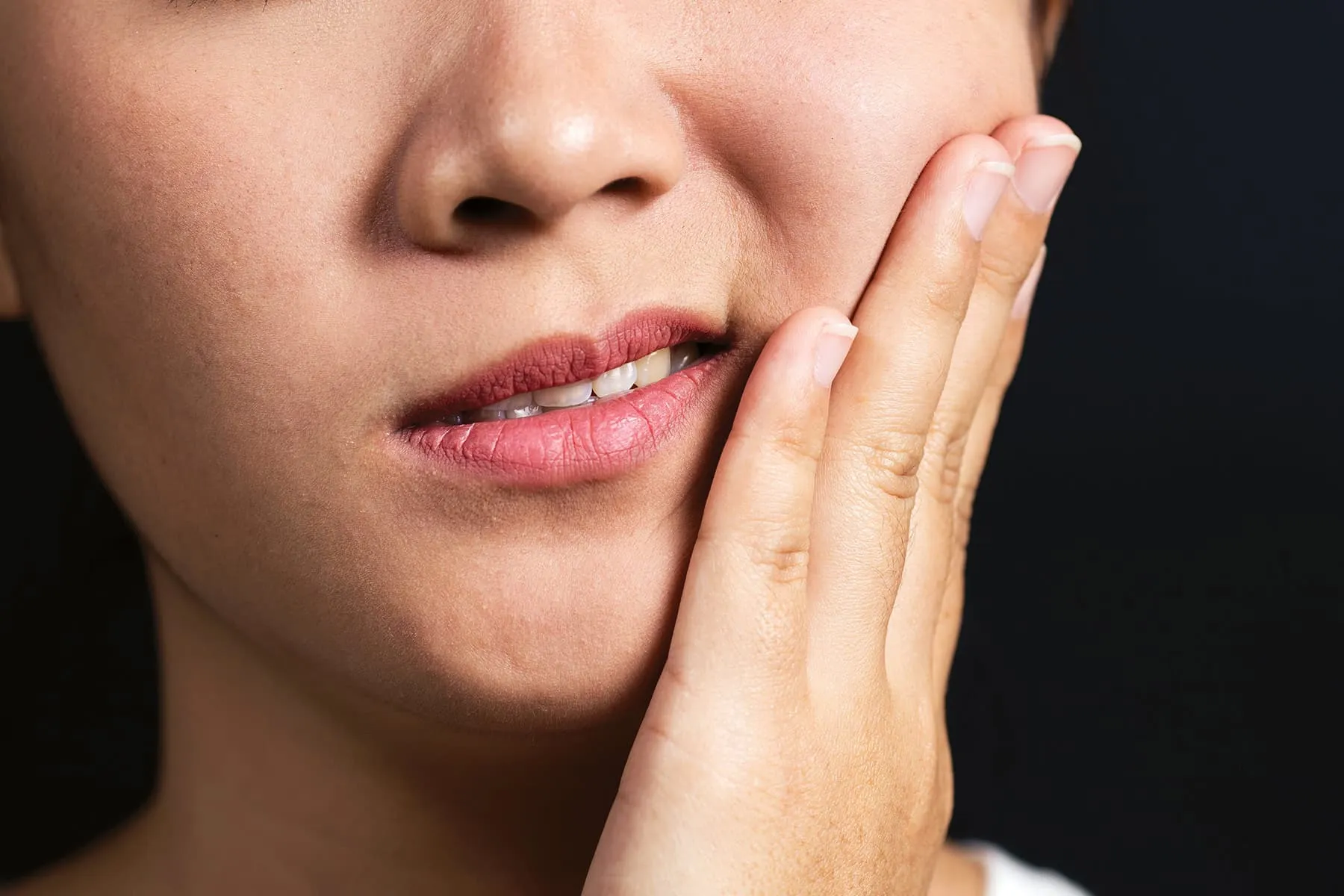

Note: This article is for educational publishing purposes only. It explains common TMD signs, possible causes, and typical care options, but it should not replace a diagnosis from a dentist, physician, or qualified jaw-pain specialist.
If your jaw clicks like a tiny office stapler every time you eat a bagel, you are not alone. Temporomandibular disorders, often shortened to TMD, affect the jaw joints and the muscles that help you chew, talk, yawn, laugh, and occasionally regret ordering the extra-chewy steak. Many people call the problem “TMJ,” but technically, TMJ means the temporomandibular joint itself. TMD is the disorder. Think of it this way: TMJ is the door hinge; TMD is when the door squeaks, sticks, or refuses to open before coffee.
This visual guide to TMD (TMJ) breaks the topic into easy-to-picture sections: where the joint is, what pain patterns look like, which symptoms matter, what may trigger flare-ups, how professionals diagnose it, and what treatment options are usually considered first. The goal is simple: help readers understand jaw pain without needing a dental degree, a medical dictionary, or a magnifying glass pointed at an anatomy chart.
What Is TMD?
Temporomandibular disorders are a group of conditions that affect the jaw joint, chewing muscles, and surrounding tissues. You have two temporomandibular joints, one on each side of your face, located just in front of your ears. Put your fingertips there and slowly open and close your mouth. That sliding, rotating movement is your TMJ doing its daily shift.
The TMJ is more complicated than a simple hinge. It works like a sliding hinge with a small disc between the bones that helps the jaw glide smoothly. When the joint, disc, muscles, ligaments, bite mechanics, or pain-processing system becomes irritated, the result may be TMD. Symptoms can be mild and temporary, or they can become persistent enough to affect eating, speaking, sleeping, and mood.
A Simple Visual Map Of The Jaw Joint
Picture the TMJ in three layers
Imagine the side of the face as a small mechanical system:
- The bones: the lower jaw, called the mandible, connects to the temporal bone of the skull.
- The disc: a small cushion helps the jaw move smoothly as it opens and shifts.
- The muscles: chewing muscles, including the masseter and temporalis, create the force needed to bite, chew, and clench.
When everything works well, the jaw opens, closes, and slides with little drama. When something is irritated, the system may announce itself with pain, stiffness, popping, fatigue, or that awkward “my jaw just got stuck while I was eating a sandwich” moment.
TMD vs. TMJ: What Is The Difference?
The terms are often used interchangeably online, but they are not identical. TMJ stands for temporomandibular joint. It is the actual joint. TMD stands for temporomandibular disorder. It refers to the condition affecting the joint, muscles, or related structures.
For SEO and reader clarity, both terms matter. People search for “TMJ pain,” “TMJ symptoms,” “TMJ treatment,” and “TMD jaw disorder.” In a medically accurate article, it is best to explain that TMJ is the body part and TMD is the problem. Your jaw may not care about terminology, but Google, dentists, and anatomy teachers absolutely do.
Common Symptoms Of TMD
TMD symptoms vary because the jaw sits at a busy intersection of muscles, nerves, teeth, ears, posture, and stress. One person may feel a dull ache near the ear. Another may have morning jaw stiffness. Someone else may hear clicking but feel no pain at all. Clicking alone does not always mean a serious disorder, especially if there is no pain or loss of movement.
Jaw pain or tenderness
Pain near the jaw joint is one of the classic signs. It may feel sharp, dull, sore, tight, or tired. Some people notice it more while chewing, yawning, singing, or taking a heroic bite of a sandwich that clearly required architectural planning.
Clicking, popping, or grinding sounds
Jaw noises can happen when the disc or joint surfaces do not glide smoothly. A click may occur on opening, closing, or both. A grinding or sandy feeling may suggest joint wear or inflammation, though only a professional can properly evaluate the cause.
Jaw locking or limited opening
Some people feel as if the jaw catches, sticks, or cannot open fully. This can make eating, dental visits, and even normal conversation frustrating. A jaw that locks open or closed deserves prompt professional attention.
Headaches and facial pain
The chewing muscles connect with areas around the temples, cheeks, and jawline. When those muscles are overworked, headaches may show up around the temples or forehead. TMD-related pain can also travel into the cheek, neck, or shoulder area.
Ear symptoms without an ear infection
Because the TMJ sits close to the ear canal, TMD may feel like earache, pressure, fullness, or ringing. That does not mean every ear symptom is jaw-related, but it explains why some people visit an ear doctor before discovering that the jaw is the noisy neighbor.
What Causes TMD?
TMD rarely has one simple cause. It is usually a “team project,” although not the kind anyone signed up for. Several factors may work together, including muscle tension, jaw injury, arthritis, teeth grinding, clenching, bite changes, posture strain, stress, and certain habits.
Clenching and grinding
Bruxism, or teeth grinding and clenching, can overload the jaw muscles and joints. Some people grind during sleep and only notice the effects in the morning: sore jaw, tooth sensitivity, headaches, or a tired face. Others clench during the day while concentrating, driving, studying, gaming, or reading one more email with the phrase “just circling back.”
Jaw injury
A direct blow, dental trauma, sports injury, or accident can irritate the TMJ. Even a difficult dental procedure that requires the mouth to stay open for a long time may temporarily aggravate jaw muscles.
Arthritis and joint inflammation
Like other joints, the TMJ can be affected by inflammatory or degenerative joint conditions. Arthritis may contribute to stiffness, pain, and grinding sensations.
Stress and muscle tension
Stress does not “invent” TMD out of thin air, but it can turn up the volume. People often tighten the jaw without noticing. Over time, that muscle tension may contribute to pain and fatigue. The jaw is basically the emotional support hinge of the face, and sometimes it takes its job too seriously.
Daily habits
Chewing gum constantly, biting nails, chewing ice, holding the phone between shoulder and jaw, eating very hard foods, or taking huge bites can irritate symptoms. These habits may seem harmless until the jaw files a formal complaint.
Visual Symptom Guide: Where TMD Pain May Show Up
Readers often understand TMD better when they imagine a pain map. TMD discomfort may appear in several zones:
- In front of the ear: pain near the joint itself.
- Cheek and jaw angle: soreness in the masseter muscle, the powerhouse chewing muscle.
- Temple area: tension in the temporalis muscle, often linked with headaches.
- Neck and shoulders: muscle guarding and posture strain can spread discomfort.
- Teeth: clenching and grinding can make teeth feel sore even when no cavity is present.
This is why TMD can be confusing. The pain does not always stay politely inside the jaw joint. It wanders. It mingles. It acts like a guest at a party who keeps changing rooms.
How TMD Is Diagnosed
Diagnosis usually starts with a careful history and physical exam. A dentist, physician, oral medicine specialist, or oral and maxillofacial surgeon may ask when the pain began, what makes it better or worse, whether the jaw locks, whether there is grinding, and whether headaches, ear symptoms, or neck pain are present.
What the exam may include
A professional may check how far the mouth opens, whether the jaw moves straight or shifts to one side, where the muscles are tender, whether joint sounds occur, and whether the teeth show signs of grinding. They may also evaluate the bite, neck muscles, posture, and signs of other conditions that can mimic TMD.
When imaging may be used
Imaging is not always needed. Many TMD cases can be evaluated clinically. However, X-rays, panoramic dental imaging, cone-beam CT, CT, ultrasound, or MRI may be considered when symptoms are unusual, severe, linked to trauma, not improving with conservative care, or when a professional needs to evaluate bone changes or disc position. MRI is especially useful for soft tissue problems, while CT-type imaging can show bony details more clearly.
Conditions That Can Mimic TMD
Not every ache near the jaw is TMD. Tooth infection, sinus problems, ear disease, nerve pain, migraines, salivary gland issues, and certain inflammatory conditions can cause overlapping symptoms. That is why persistent or unusual pain should be evaluated rather than self-diagnosed through a late-night search session powered by anxiety and leftover cookies.
Red flags include swelling, fever, sudden bite change, facial numbness or weakness, unexplained weight loss, severe trauma, jaw locking that does not release, or pain that is rapidly worsening. These signs deserve prompt medical or dental attention.
Treatment Options For TMD
Most TMD care begins conservatively. That means reversible steps that reduce strain, calm inflammation, improve movement, and protect the jaw without permanently changing teeth or joint structure. Many people improve with self-care and professional guidance.
Jaw rest without total silence
Jaw rest does not mean refusing to speak for a week and communicating only through dramatic eyebrow movements. It means avoiding overload. Choose softer foods for a short period, cut food into smaller pieces, avoid gum, skip hard candy, and do not test how wide you can yawn like you are auditioning for a lion documentary.
Heat or cold therapy
Warm compresses may relax tight muscles, while cold packs may help with acute soreness or inflammation. The best option depends on the type of pain and professional advice. Use a barrier between skin and pack, and avoid extreme temperatures.
Medication
Over-the-counter pain relievers or anti-inflammatory medicines may help some people, but they are not right for everyone. A clinician may sometimes prescribe muscle relaxants or other medications for selected cases. Medication should be used carefully, especially for people with stomach, kidney, liver, bleeding, pregnancy, or medication-interaction concerns.
Physical therapy and jaw exercises
Physical therapy can help improve jaw movement, reduce muscle tension, and address neck or posture contributions. Gentle exercises may be useful when prescribed correctly. Random aggressive stretching from the internet, however, can make symptoms worse. The jaw prefers coaching, not boot camp.
Oral splints or night guards
A dentist may recommend a splint or night guard, especially when clenching or grinding is suspected. These devices can help protect teeth and reduce strain for some patients. They should fit properly and be monitored, because a poorly fitting appliance can create new problems instead of solving old ones.
Behavior changes
Small changes can matter: keep teeth slightly apart when resting, place the tongue gently on the palate, avoid leaning the chin on the hand, reduce gum chewing, and notice daytime clenching. A helpful reminder is: lips together, teeth apart, jaw relaxed.
Injections, procedures, and surgery
More advanced options may be considered for specific cases that do not respond to conservative care. These can include injections, minimally invasive joint procedures, or surgery. Because TMD is complex, irreversible procedures should be approached carefully and usually reserved for clearly diagnosed problems after less invasive options have been tried.
Foods To Choose During A TMD Flare-Up
During a painful flare, the menu should be kind to the jaw. Good options may include scrambled eggs, oatmeal, yogurt, smoothies, soups, soft pasta, flaky fish, mashed potatoes, rice bowls, soft vegetables, and tender shredded chicken. The goal is not to live forever on beige foods. It is to reduce chewing load while symptoms calm down.
Foods that may aggravate symptoms include crusty bread, chewy steak, hard nuts, raw carrots, thick sandwiches, tough jerky, sticky candy, and giant burgers that require jaw engineering. If a food makes you open wide, chew hard, or negotiate with your molars, save it for a better jaw day.
At-Home Habits That May Help
A practical TMD self-care routine can be simple:
- Use soft foods temporarily during flares.
- Avoid gum and nail biting.
- Practice relaxed jaw posture.
- Use heat or cold as recommended.
- Keep caffeine and stress-related clenching in mind.
- Sleep in a position that does not press the jaw awkwardly.
- Ask a professional before starting intense jaw exercises.
The most underrated step is awareness. Many people do not realize they clench until they check in with their jaw during the day. Once they notice it, they can begin to interrupt the pattern.
When To See A Professional
Occasional jaw clicking without pain may not require urgent care. But professional evaluation is wise if jaw pain lasts more than a couple of weeks, keeps returning, limits eating, causes locking, appears after injury, affects sleep, or comes with swelling, fever, numbness, or major bite changes.
Start with a dentist or primary care clinician. Depending on symptoms, referral may involve an oral medicine specialist, physical therapist, oral and maxillofacial surgeon, pain specialist, ear-nose-throat doctor, neurologist, or rheumatologist. TMD sometimes needs a team approach because the jaw does not live in isolation. It lives in a face, attached to a neck, powered by muscles, influenced by stress, and occasionally challenged by popcorn kernels.
Common Myths About TMD
Myth 1: Every click means disaster
Not necessarily. Jaw clicking can happen without pain or serious dysfunction. Pain, locking, limited movement, or worsening symptoms are more concerning than sound alone.
Myth 2: TMD is always caused by a bad bite
Bite issues can contribute in some cases, but TMD is often multifactorial. Muscles, joints, habits, injury, stress, inflammation, and nervous system sensitivity may all play roles.
Myth 3: Surgery is the normal treatment
Most people begin with conservative, reversible care. Surgery is not the first stop for typical jaw pain. It is more like the emergency exit: important when needed, but not where everyone should begin.
Myth 4: TMD is “all in your head”
TMD pain is real. Stress may influence muscle tension and pain perception, but that does not make the condition imaginary. The jaw is a real joint with real muscles, and both can become irritated.
Experience Section: What Living With TMD Can Feel Like
People often describe TMD as a condition that sneaks into ordinary moments. Breakfast becomes a strategy session. A chewy bagel suddenly looks like gym equipment. Yawning feels risky. A phone call may leave the jaw tired. Even smiling through a long event can create soreness later, which feels unfair because smiling is supposed to be the easy part of being polite.
One common experience is the morning surprise. A person wakes up with a sore jaw and wonders what happened overnight. They did not run a marathon. They did not chew through a tree. Yet the jaw feels as if it spent eight hours lifting weights. Nighttime clenching or grinding may be the reason. The person may also notice temple headaches, sensitive teeth, or a feeling that the bite is slightly “off” until the muscles relax.
Another common experience is the “click panic.” The jaw makes a pop during lunch, and suddenly every bite becomes a tiny science experiment. Is it louder now? Did someone hear it? Is this normal? Should soup become a lifestyle? For many people, sounds alone are not dangerous, but the anxiety around them can increase muscle tension. The more someone monitors every movement, the tighter the jaw may become. It is a very annoying feedback loop, like a smoke alarm that beeps because you are stressed about the smoke alarm.
TMD can also affect social life. Eating out may require choosing softer meals, avoiding giant sandwiches, or cutting food into smaller pieces. Some people feel embarrassed when their jaw clicks in a quiet room. Others avoid long conversations because their face gets tired. The condition may not be visible, but it can still change behavior. That invisibility is one reason TMD can feel frustrating: the outside world sees a normal face, while the person inside is negotiating with a stubborn hinge.
Work and school habits may play a role too. Long hours at a computer can encourage forward-head posture, shoulder tension, and jaw clenching. Concentration often comes with a hidden “teeth together” habit. A useful trick is to place small reminders near screens: “teeth apart,” “drop shoulders,” or “relax jaw.” These tiny check-ins can interrupt the clench before it becomes a full facial workout.
Many people report that improvement is gradual rather than magical. There may not be one dramatic fix. Instead, progress may come from a combination of softer foods during flares, better sleep habits, a well-fitted guard, physical therapy, stress management, posture changes, and learning not to use the jaw as a bottle opener, package cutter, or emotional storage unit. The best results often come from respecting the jaw’s limits while slowly rebuilding comfort and function.
The emotional side matters as well. Chronic jaw pain can make people irritable, tired, or worried. That does not mean they are overreacting. Pain near the face is hard to ignore because the jaw is involved in eating, talking, laughing, and expressing emotion. A compassionate approach helps: track symptoms, seek professional guidance, make realistic changes, and avoid blaming yourself. The jaw may be small compared with the rest of the body, but when it hurts, it knows how to become the main character.
Conclusion
TMD is more than a clicking jaw. It is a group of conditions involving the temporomandibular joints, chewing muscles, and surrounding structures. Symptoms may include jaw pain, stiffness, headaches, ear discomfort, limited opening, and popping or locking. The good news is that many cases improve with conservative care, habit changes, jaw-friendly eating, physical therapy, proper dental appliances, and professional guidance.
A visual guide to TMD (TMJ) helps readers understand what is happening inside the jaw without fear or confusion. The key takeaway is simple: pay attention to persistent pain, avoid overloading the jaw, seek evaluation when symptoms interfere with daily life, and be cautious with irreversible treatments unless a qualified professional has clearly explained the diagnosis and options. Your jaw does a lot for you. Treat it less like a tool and more like a hardworking joint that deserves a lunch break.