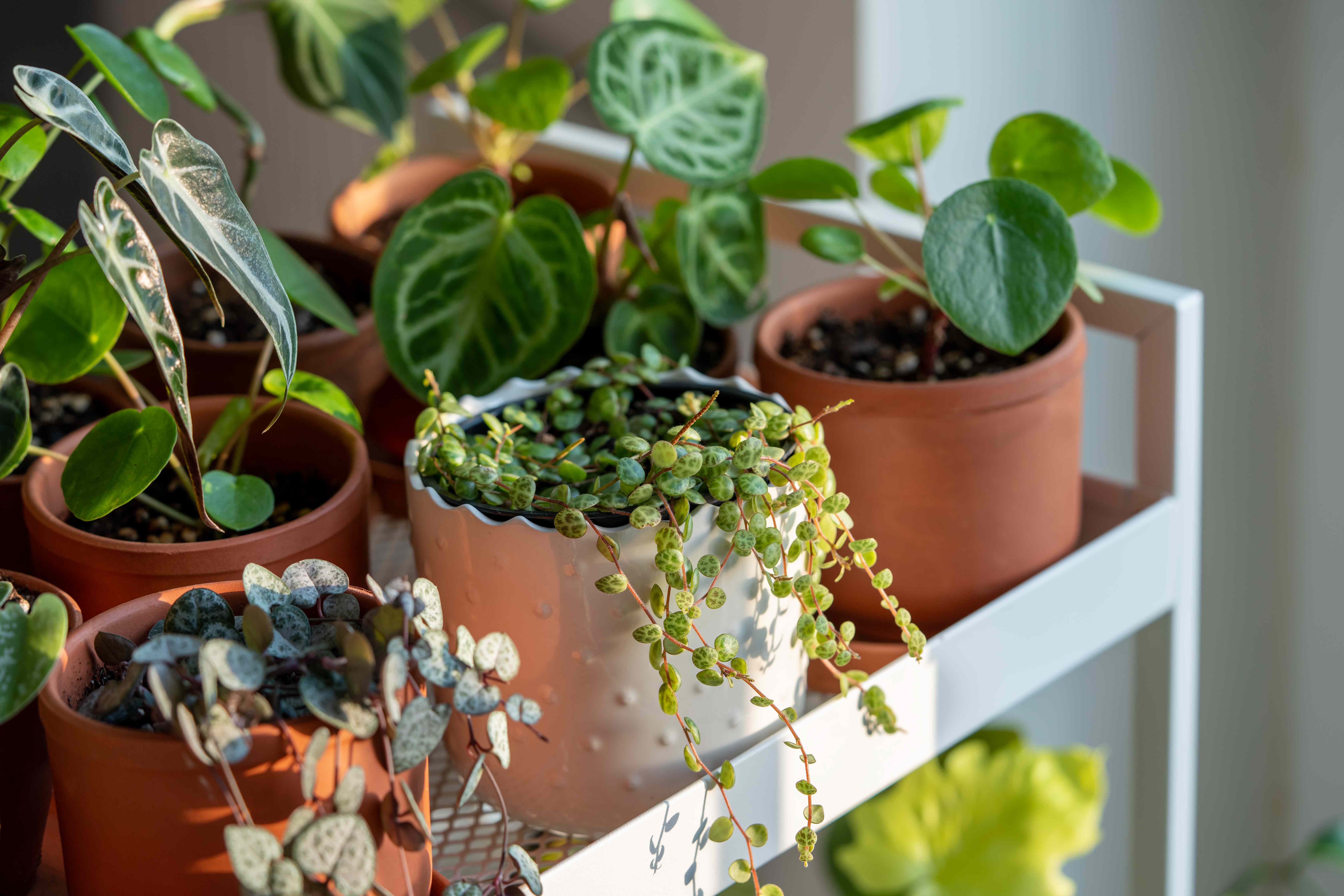

Houseplants have a way of turning otherwise normal adults into interior decorators with a watering can and a mild fern obsession. One pothos becomes three. Three become a windowsill jungle. Suddenly, your monstera is practically spooning your philodendron, and you’re left wondering: is this adorable, or is it a botanical HR violation?
According to plant experts, the answer is a little more nuanced than a simple yes or no. Houseplants can sit near each other, and in some cases that’s even helpful, but they generally shouldn’t stay packed so tightly that their leaves constantly overlap or rub together. The surprise is that proximity itself is not the villain. The real issue is what crowding does to the environment around the plant: it can reduce airflow, trap moisture, encourage pests, block light, and make routine care way more annoying than it needs to be.
So if your indoor garden looks like a cozy reunion tour, don’t panic. You may not need to spread every plant across the room like they’re in a feud. But you probably do need to rethink how close is too close, especially if your collection keeps growing faster than your available shelf space.
The Short Answer: Nearby Is Fine, Constant Contact Usually Isn’t
If you want the cleanest takeaway possible, here it is: houseplants can be grouped together, but they should usually have enough room for air to move between them. A light brush between leaves now and then is not the end of civilization. Constant leaf-on-leaf contact, though, is usually where problems begin.
That means the dreamy “urban jungle” look can absolutely work. You do not need to stage your plants like awkward guests at a wedding with six feet of personal space. But you also do not want them crammed so tightly that the center of the group stays dark, damp, and impossible to inspect without moving six pots and saying something dramatic under your breath.
Why People Group Houseplants in the First Place
Plant lovers didn’t invent clustering just because it looks good on social media, though it definitely does. Grouping houseplants can provide some real benefits.
1. Grouping can raise humidity around the plants
Many common houseplants, especially tropical varieties, appreciate more humidity than the average heated or air-conditioned home provides. When plants are placed near one another, moisture released through transpiration and evaporation can create a small, more humid microclimate around them. In plain English: your plants can make the air around them feel a little less like a desert and a little more like a rainforest vacation.
This is one reason plant experts often recommend clustering humidity-loving plants together. Ferns, calatheas, prayer plants, peace lilies, and some philodendrons usually enjoy that extra moisture in the air. If you’ve ever seen a prayer plant crisp up in winter like it took your thermostat personally, you already know humidity matters.
2. Grouped plants can be easier to style and manage
Practicality also plays a role. Keeping plants together can make it easier to use humidifiers, grow lights, pebble trays, or one bright window effectively. It can also create a more intentional design moment. One plant is décor. Five plants grouped with purpose is a vibe.
3. Similar plants can benefit from similar care zones
Grouping can help you organize care. Succulents and cacti can live together in a bright, drier spot. Tropical plants can share an area with indirect light and slightly higher humidity. This makes it easier to water appropriately, monitor growth, and avoid turning plant care into a household scavenger hunt.
So What’s the Problem If Houseplants Touch?
The issue is not that plants are offended by intimacy. Plants are not gossiping about each other in the corner. The trouble is environmental.
Reduced airflow can invite disease
When foliage overlaps too much, air movement around the leaves decreases. Moisture lingers longer on leaf surfaces and in the surrounding canopy. That can create a friendlier environment for fungal problems, leaf spot, mildew, and general “something is off and now the leaves look weird” situations.
This matters most in homes that are already humid, in rooms with poor circulation, or when plants are frequently overwatered. A tightly packed plant corner in a dim room is basically a tiny stress laboratory. The leaves stay wetter. The soil dries more slowly. The risk of trouble creeps up.
Pests can spread more easily
If one plant gets spider mites, mealybugs, scale, aphids, whiteflies, or fungus gnats, close contact can make it easier for that problem to become everyone’s problem. Think of it as the botanical version of one sick kid showing up to daycare.
Spider mites, in particular, are notorious travelers in indoor collections. If leaves are touching and plants are packed tightly, pests may move from one plant to the next before you even realize the original plant is struggling. That is why many plant pros recommend keeping new or infested plants isolated rather than immediately adding them to the group.
Light can become uneven
Plants in crowded clusters often shade one another. The stronger or taller plant gets the glory, while the smaller or slower grower ends up in the back looking like it has given up on joy. Over time, blocked light can contribute to weak growth, legginess, smaller leaves, or uneven shape.
This is especially common when a fast-growing plant like pothos, monstera, or philodendron starts sprawling into its neighbors. What began as a charming arrangement can turn into an indoor plant coup.
Maintenance becomes harder
Even if disease and pests never show up, crowding makes basic care harder. It is more difficult to inspect the undersides of leaves, spot yellowing, rotate plants evenly, prune damaged growth, and water properly when everything is packed together like luggage in an overstuffed trunk.
And once care gets inconvenient, mistakes happen. You skip inspecting. You miss pests. You overwater one pot while trying to reach another. You tell yourself you’ll deal with it tomorrow. Tomorrow becomes next week. The fungus gnats thank you for your service.
When It’s Usually Fine for Houseplants to Be Close Together
Not every plant arrangement needs to look like a museum display with exact measurements. In many homes, plants can be fairly close together without issues, especially if you keep a few guardrails in mind.
It’s generally okay when:
The room has decent airflow. If air moves gently through the space, leaves dry normally, and humidity does not stay trapped, close grouping is less risky.
The plants are healthy and pest-free. A clean, well-monitored collection can handle closer styling better than a group with existing issues.
The leaves only touch occasionally. A little overlap is usually not a crisis. The bigger concern is constant, dense contact.
The plants have similar care needs. Tropicals tend to do best near tropicals. Succulents tend to prefer other sun-loving, lower-humidity neighbors.
You can still access every plant. If you can inspect, rotate, water, and prune without performing acrobatics, your spacing is probably manageable.
When You Should Definitely Create More Space
Sometimes the plants are telling you very clearly that the cuddle puddle has gone too far.
Watch for these warning signs:
Leaves stay wet or damp for long periods. Lingering moisture is a clue that airflow is weak.
You see fungus gnats, spider mites, mealybugs, or scale. Space plants out and isolate affected ones quickly.
There are signs of fungal trouble. Spots, fuzzy growth, or repeated leaf problems can point to poor circulation.
Plants are growing unevenly or leaning hard. That often means they are competing for light.
You cannot reach the back plants easily. If routine care feels like an obstacle course, the setup needs help.
Succulents are living in a steamy tropical crowd. That is rarely a happy long-term arrangement.
How Much Space Should You Leave Between Houseplants?
There is no single magic number because plant size, leaf shape, room conditions, and species all matter. Still, a practical rule of thumb works well: leave a few inches of open space between the foliage of small to medium plants, and more for larger growers.
In real homes, that often means you want visible breathing room between leaves rather than one seamless wall of green. The goal is not mathematical perfection. The goal is enough separation so air can move, light can reach the plant, and you can actually care for the collection.
If space is tight, think vertically instead of squeezing horizontally. Plant stands, wall shelves, tiered racks, and hanging planters can make a small room feel lush without forcing every pot into shoulder-to-shoulder chaos.
The Best Way to Group Plants Without Causing Trouble
Group by care needs, not just appearance
Sure, the dramatic dark leaves and the cute trailing vines may look fabulous together. But if one plant wants bright sun and dry soil while the other wants medium light and steady moisture, beauty alone should not be in charge.
Try these smart pairings:
Tropical zone: pothos, philodendrons, ferns, calatheas, prayer plants, peace lilies.
Bright-and-dry zone: cacti, succulents, jade plants, aloe, snake plants in sunnier spots.
Higher-humidity specialty zone: orchids and ferns with gentle airflow and close monitoring.
Keep a little air moving
You do not need your living room to feel like a wind tunnel. A gentle fan, normal household air circulation, or an area that is not sealed and stuffy can help prevent moisture from lingering too long around crowded foliage.
Quarantine new plants before adding them
One of the smartest habits in houseplant care is also one of the least glamorous: keep new plants separate for a week or two, and preferably longer if you can. This gives you time to check for hidden pests before the newcomer joins the main cast. It is not rude. It is responsible.
Rotate and inspect regularly
Grouped plants need a little more vigilance. Rotate pots, inspect the undersides of leaves, remove dead foliage, and keep an eye on airflow and light. A quick weekly check can prevent a tiny issue from becoming a full-blown plant soap opera.
Are Some Plants More Sensitive to Touching Than Others?
Absolutely. Broad-leaved tropical plants that hold moisture, plants prone to fungal issues, and dense growers can run into problems faster when crowded. Orchids also tend to appreciate humidity paired with good airflow, which is a fancy way of saying they enjoy balance and will absolutely judge you if they do not get it.
Succulents and cacti are another special case. While they can sit near other plants, they usually do not want the same humid microclimate that tropical foliage plants enjoy. Packing them tightly into a moist corner is a good way to turn “low maintenance” into “why is this rotting?”
Fast-growing climbers and trailers can also become accidental bullies. A pothos vine draped across three neighboring pots may look artistic, but over time it can reduce light and complicate care. Sometimes pruning is not cruelty. Sometimes pruning is boundary-setting.
The Real Verdict: Should Houseplants Touch?
Usually, nonot if “touch” means constant overlap and crowding. But the expert answer is not a dramatic ban on plants being near one another. In fact, grouping can be helpful, especially for humidity-loving species.
The better rule is this: let houseplants be neighbors, not roommates sharing the same pillow. A little closeness can create a healthier microclimate. Too much closeness can reduce airflow, encourage pests and disease, block light, and make care unnecessarily difficult.
So if your current arrangement is lush but slightly chaotic, you do not need to break up the whole party. Just edit it. Give leaves some breathing room. Group similar plants together. Quarantine new additions. And when in doubt, choose airflow over plant pileup.
Your houseplants may love company. They just do not need to be on top of each other about it.
Real-World Experiences: What Happens When Houseplants Get Too Cozy?
In real homes, the “should houseplants touch?” question usually starts with good intentions. A plant parent buys a few humidity-loving plants, gathers them near the brightest window, and feels very pleased with the lush little jungle effect. At first, everything looks fantastic. The leaves seem perkier, the arrangement looks fuller, and the room suddenly has main-character energy. Then, a month or two later, small clues start showing up. A back leaf turns yellow. A few pots stay wet longer than expected. A sticky patch appears on one stem. Someone spots a gnat. That is often when people realize the issue was never that the plants were close. It was that the group became crowded enough to hide problems.
One common experience is with tropical collections. A cluster of pothos, philodendrons, and peace lilies can look great and often does benefit from slightly increased humidity. But when the leaves begin overlapping heavily, the center of the group can become darker and stuffier than the outside edges. The plants along the perimeter keep thriving, while the ones in the middle begin to struggle. People often assume the weaker plant simply “isn’t happy,” when really it is being shaded, staying damp too long, or losing airflow.
Another familiar scenario happens with pest spread. Someone brings home a new plant, sets it right into the collection, and within a couple of weeks multiple plants show signs of spider mites or mealybugs. It feels sudden, but the close arrangement made it easy for the problem to travel before anyone noticed. This is why experienced plant owners get almost religious about quarantine. It may seem overly cautious when the new plant looks perfectly healthy, but many pest problems are easy to miss at first.
There is also the maintenance issue, which sounds boring until it becomes the whole problem. In many households, the plants that decline are not always the most delicate ones. They are the ones that became too difficult to reach. When pots are wedged together tightly, people tend to water less accurately, rotate less often, and inspect less thoroughly. Dead leaves stay tucked underneath. Soil problems go unnoticed. A simple weekly check becomes a project, and projects love to become procrastination.
On the flip side, plenty of plant owners have great success with grouped houseplants because they treat grouping as a strategy, not just a styling choice. They leave small pockets of space between leaves. They group plants with similar needs. They use shelving to create height instead of packing every pot side by side. They run a small fan nearby if the room feels stagnant. Most importantly, they keep looking closely. That is really the difference. Healthy plant groups are not accidental. They are edited, observed, and adjusted over time.
So the lived experience around this topic is surprisingly consistent: houseplants do not mind company, and many genuinely benefit from it. What they dislike is crowding that quietly changes their environment for the worse. If your plants are close and thriving, great. If they are close and problems keep popping up, the fix may be as simple as giving them a little elbow room. Even plants need boundaries.
Conclusion
If there is one lesson worth remembering, it is this: houseplants do best when design and plant health work together. You can absolutely create a lush, layered indoor garden. Just do it with enough space for airflow, light, inspection, and common sense. That way your plant display stays gorgeous, and your leaves stay out of unnecessary drama.