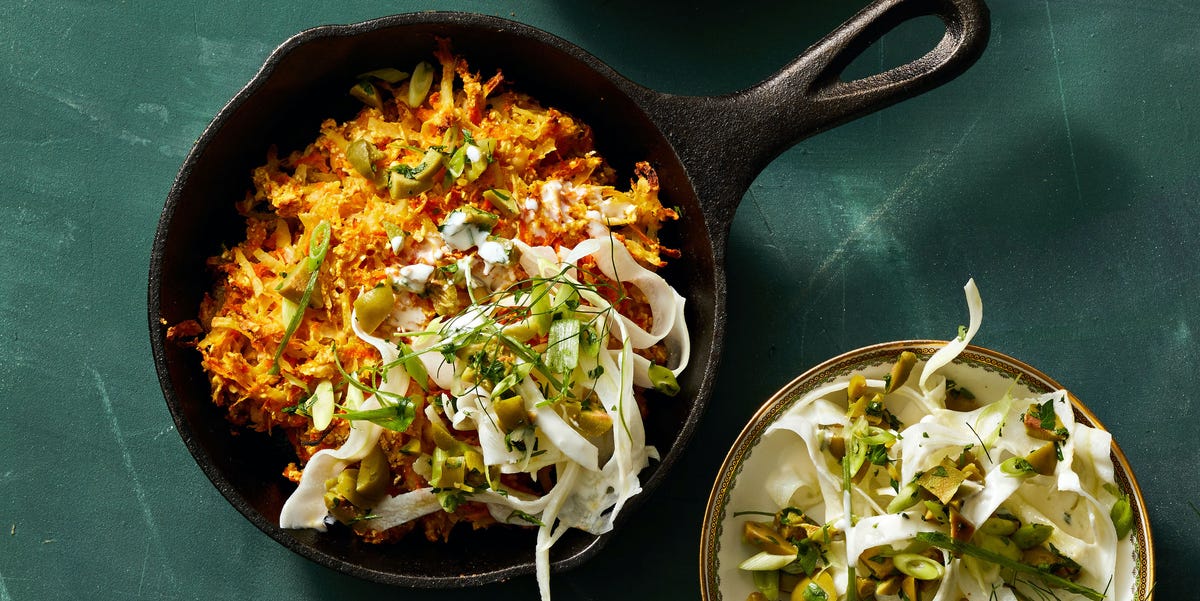
Best Crispy Skillet Carrot Latkes Recipe – How To Make Crispy Skillet Carrot Latkes

If regular potato latkes are the dependable holiday cousin who always brings the applesauce, crispy skillet carrot latkes are the fun cousin who shows up wearing orange, brings a cast-iron skillet, and somehow makes everyone ask for seconds before dinner has officially started. These golden, crunchy little pancakes combine the familiar comfort of classic Hanukkah latkes with the natural sweetness of carrots, the savory bite of onion, and the deeply satisfying crackle that only hot oil and a good skillet can deliver.
This crispy skillet carrot latkes recipe is designed for home cooks who want latkes with lacy edges, tender centers, and enough flavor to stand proudly next to brisket, roast chicken, soup, or a casual weeknight salad. The trick is not complicated, but it does require respect for three things: moisture control, starch, and oil temperature. Ignore those, and your latkes may sulk into soggy pancakes. Follow them, and you get carrot latkes so crisp they practically applaud when you bite into them.
Below, you will find a complete guide to making the best crispy skillet carrot latkes, including ingredients, step-by-step instructions, expert tips, serving ideas, make-ahead advice, and real kitchen experience from the sizzling side of the stove.
Why You Will Love These Crispy Skillet Carrot Latkes
Carrot latkes are not just potato latkes wearing a brighter outfit. Carrots bring gentle sweetness, color, and a softer texture that balances beautifully with starchy russet potatoes. When shredded and fried in a skillet, carrots caramelize at the edges, turning nutty, crisp, and slightly candy-like without tasting sugary.
This recipe keeps potatoes in the mix because russets are naturally high in starch and help the latkes hold together. The carrots add flavor and color, while onions bring savory depth. Matzo meal or potato starch gives structure, and eggs bind everything into patties that fry up golden instead of falling apart like a dramatic reality TV reunion.
Ingredients for Crispy Skillet Carrot Latkes
This recipe makes about 14 to 16 small latkes, depending on how generously you scoop.
Main Ingredients
- 1 pound carrots, peeled and shredded
- 1 pound russet potatoes, peeled and shredded
- 1 medium yellow onion, grated or finely shredded
- 2 large eggs, lightly beaten
- 1/2 cup matzo meal, plus more if needed
- 2 tablespoons potato starch, optional but excellent for extra crispiness
- 1 1/2 teaspoons kosher salt
- 1/2 teaspoon freshly ground black pepper
- 1/2 teaspoon ground coriander
- 1/4 teaspoon ground cumin
- 1/4 cup chopped fresh parsley or dill
- Neutral oil for frying, such as canola, avocado, sunflower, or vegetable oil
For Serving
- Sour cream or Greek yogurt
- Applesauce
- Fresh dill or parsley
- Lemon wedges
- Flaky salt
How To Make Crispy Skillet Carrot Latkes
Step 1: Shred the Vegetables
Use the large holes of a box grater or the shredding disk of a food processor to shred the carrots and potatoes. A food processor is faster and gives more even strands, which helps the latkes cook evenly. If using a box grater, consider it your arm workout for the day. You have earned dessert.
Grate the onion as well. Onion adds moisture, so do not skip the squeezing step later. That squeeze is the difference between crispy skillet carrot latkes and vegetable pancakes that look like they gave up halfway through cooking.
Step 2: Remove as Much Liquid as Possible
Transfer the shredded carrots, potatoes, and onion to a clean kitchen towel or several layers of cheesecloth. Gather the towel tightly and twist hard over the sink. Keep squeezing until the mixture feels noticeably drier. Potatoes and onions release a surprising amount of liquid, and extra moisture is the enemy of crisp edges.
If liquid collects in a bowl, let it sit for a few minutes. You may see white starch settle at the bottom. Pour off the liquid and save that starch. Stirring it back into the latke batter improves structure and crispiness.
Step 3: Mix the Batter
Place the squeezed vegetables in a large bowl. Add the beaten eggs, matzo meal, potato starch, salt, pepper, coriander, cumin, and herbs. Toss everything together with a fork or your hands until evenly combined.
The mixture should hold together when pressed. If it feels too wet, add another tablespoon or two of matzo meal. If it feels dry and crumbly, add a small splash of beaten egg. Carrot latke batter should be loose but cooperative, not soupy and not stiff.
Step 4: Heat the Skillet
Pour about 1/4 inch of oil into a large cast-iron or heavy-bottomed skillet. Heat over medium-high heat until the oil shimmers. A small shred of potato or carrot should sizzle immediately when dropped into the pan.
For the best crispy latkes, the oil should be hot enough to brown the outside quickly but not so hot that the edges burn before the centers cook. If you use a thermometer, aim for about 350°F to 375°F. If you do not have one, trust the sizzle: lively bubbling is good; angry smoking is not.
Step 5: Fry in Small Batches
Scoop about 2 tablespoons of the mixture for each latke. Carefully place it in the skillet and flatten it with a spatula into a thin patty. Thin latkes cook faster and get crispier edges.
Do not crowd the pan. Crowding lowers the oil temperature and leads to greasy latkes. Fry for 3 to 4 minutes per side, or until deeply golden brown and crisp. Flip only once if possible. Latkes appreciate confidence.
Step 6: Drain and Season
Transfer cooked latkes to a wire rack set over a baking sheet. A rack keeps air circulating around the latkes so the bottoms stay crisp. Paper towels are useful for catching oil, but if latkes sit directly on them too long, steam can soften the crust.
Sprinkle with a tiny pinch of salt while hot. Repeat with the remaining batter, adding more oil as needed and allowing the oil to come back up to temperature between batches.
Chef-Style Tips for the Crispiest Carrot Latkes
Use Russet Potatoes for Structure
Carrots are flavorful, but they do not have the same starch power as russet potatoes. A half-carrot, half-potato ratio gives you the best of both worlds: sweet carrot flavor and reliable potato structure.
Do Not Skip the Squeeze
The drier the shredded vegetables, the crispier the latkes. Squeeze once, pause, then squeeze again. Pretend the towel owes you money.
Add Potato Starch for Insurance
Potato starch helps absorb leftover moisture and encourages crisp, lacy edges. It also keeps the flavor clean, unlike too much flour, which can make latkes taste heavy.
Keep the Oil Hot
If the oil is too cool, the latkes absorb it. If it is too hot, the outside burns while the inside stays raw. Adjust the heat as you cook, especially between batches.
Use a Wire Rack
For truly crispy skillet carrot latkes, drain them on a wire rack instead of stacking them on a plate. Stacking traps steam, and steam is basically crispiness wearing a villain costume.
Best Toppings for Carrot Latkes
The classic debate is sour cream versus applesauce. With carrot latkes, both work beautifully. Applesauce highlights the carrot’s natural sweetness, while sour cream adds tang and richness. Greek yogurt is a lighter option with a similar creamy bite.
For a savory twist, try herbed sour cream with dill, chives, lemon zest, and black pepper. For a modern appetizer platter, top each latke with a small spoonful of yogurt, fresh herbs, and a sprinkle of flaky salt. You can also add smoked salmon, pickled onions, or a tiny spoonful of horseradish cream for a festive bite.
What To Serve With Crispy Skillet Carrot Latkes
These latkes fit naturally into a Hanukkah menu, but they are far too good to be locked into one holiday. Serve them with roast chicken, brisket, matzo ball soup, winter salad, or roasted vegetables. They also make a great brunch dish with eggs and smoked fish.
For a vegetarian meal, serve carrot latkes with a crisp cucumber salad, lentil soup, or a platter of roasted beets, greens, and creamy dip. Their sweetness pairs especially well with tangy, salty, and herb-packed sides.
Can You Make Carrot Latkes Ahead of Time?
Yes. Like most fried foods, carrot latkes are best fresh from the skillet, but they reheat surprisingly well when handled correctly. Fry them fully, cool them on a wire rack, and refrigerate in an airtight container for up to 3 days.
To reheat, place latkes on a wire rack set over a baking sheet and warm in a 375°F oven until hot and crisp, usually 8 to 12 minutes. Avoid microwaving unless you enjoy sadness with a side of steam.
Can You Freeze Carrot Latkes?
Yes. Freeze cooked and cooled latkes in a single layer on a baking sheet. Once firm, transfer them to a freezer bag or airtight container. Reheat from frozen in a 400°F oven until crisp and heated through. This makes them excellent for parties because you can do the messy frying ahead and still serve latkes that taste freshly made.
Common Mistakes To Avoid
Making the Batter Too Wet
Wet batter leads to soft latkes. Always squeeze the vegetables thoroughly and add matzo meal or potato starch as needed.
Using Too Little Oil
Latkes are shallow-fried, not dry-sautéed. Enough oil helps create a crisp crust. You do not need a deep fryer, but you do need a generous layer in the skillet.
Flipping Too Early
Let the first side brown before flipping. If the latke sticks, it probably needs another minute. A properly browned latke releases more easily.
Overcrowding the Pan
Four small latkes in a large skillet is usually better than six crowded ones. Give them space to crisp.
Flavor Variations
Once you master the base recipe, you can adjust the flavor without changing the technique. Add grated ginger for warmth, smoked paprika for depth, or chopped scallions for freshness. A pinch of cinnamon can work nicely with carrots, but keep it subtle so the latkes do not wander into carrot cake territory.
For a gluten-free version, use potato starch or certified gluten-free matzo meal. For a brighter flavor, add lemon zest to the batter. For a spicy appetizer, stir in a pinch of cayenne and serve with chili-lime yogurt.
Why Carrots Make Latkes Special
Carrots are humble, affordable, and available year-round, but they transform beautifully in hot oil. Their sugars caramelize, their color intensifies, and their flavor becomes deeper and rounder. In latkes, they bring a cheerful sweetness that makes every bite feel a little lighter than a traditional all-potato version.
They also make the latkes visually appealing. A platter of carrot latkes looks warm, golden, and festive, especially with green herbs and white sour cream on top. Food should taste good first, of course, but nobody has ever complained that dinner looked too pretty.
Personal Experience: What I Learned Making Crispy Skillet Carrot Latkes
The first time I made carrot latkes, I treated them like regular potato pancakes and assumed the skillet would do all the hard work. The skillet, apparently, had other plans. My first batch tasted good but leaned soft in the middle, with edges that were more “lightly polite” than crisp. The problem was not the carrots. It was moisture. Carrots may seem sturdy and dry when whole, but once shredded, they release enough liquid to sabotage the crunch if you do not squeeze them properly.
On the second attempt, I squeezed the shredded carrots, potatoes, and onion in a clean towel until my hands needed a short motivational speech. That was the turning point. The batter became lighter, the patties held together better, and the edges fried into the kind of delicate crunch that makes people hover near the stove pretending they are “just checking.”
I also learned that carrot latkes benefit from being thinner than you might expect. Thick patties look generous, but they can steam inside before the center fully cooks. A thinner patty gives you more surface area, more golden edges, and a better ratio of crisp outside to tender inside. Flattening each scoop gently with a spatula made a huge difference.
The skillet matters too. A cast-iron skillet held heat beautifully and gave the latkes an even crust, but a heavy stainless-steel pan also worked well. The key was letting the oil recover between batches. When I rushed and added the next round too quickly, the latkes absorbed more oil and browned unevenly. When I waited for the oil to shimmer again, the results were dramatically better.
One surprisingly helpful habit was seasoning each batch right after frying. A tiny pinch of salt on hot latkes wakes up the carrot sweetness and makes the crust taste more complete. It is a small step, but it makes the difference between “nice vegetable fritter” and “please move away from the platter so others may participate.”
For serving, I expected applesauce to be the winner because carrots are sweet, but the best bite was actually sour cream with lemon zest, dill, and black pepper. The tang balanced the sweetness and made the latkes feel fresh instead of heavy. That said, applesauce still belongs on the table. Latkes without topping choices are like a party with one chair.
After several batches, my best advice is simple: do not fear the oil, do not rush the squeeze, and do not crowd the pan. Carrot latkes are forgiving in flavor but demanding in texture. Treat the technique seriously, and they reward you with crisp edges, sunny color, and a flavor that feels both traditional and new.
Conclusion
The best crispy skillet carrot latkes recipe is all about balance. Carrots bring sweetness and color, russet potatoes bring starch and structure, onions bring savory depth, and hot oil brings the magic. With a good squeeze, the right binder, and a properly heated skillet, you can make carrot latkes that are crunchy outside, tender inside, and memorable enough to become a yearly tradition.
Serve them for Hanukkah, brunch, dinner, appetizers, or any day when carrots need to stop behaving like background vegetables. These latkes are bright, crisp, comforting, and just a little bit showyin the best possible way.