We Illustrated The Cutest Words People Call Their Significant Others Around The World

Every couple invents a tiny private universe. Sometimes it starts with “babe,” sometimes with “honey,” and sometimes with a word that sounds like a dessert, a bunny, or a cabbage. Linguists and relationship researchers have long noted that pet names are more than cute accessories; they help create intimacy, signal belonging, and build a kind of “mini-culture” between two people. In other words, nicknames are not random fluff. They are love with a secret handshake.
That is why the cutest words people use for their partners feel so fun to map across languages. Some are direct and sugary. Some are old-fashioned and elegant. Some lean on animals, food, or family roles. And some are so culturally specific that they seem to carry an entire relationship inside one syllable. The result is a global glossary of affection that is part romance, part comedy, and part anthropology.
Why Pet Names Stick So Easily
Pet names thrive because they do a simple but powerful job: they turn ordinary speech into something personal. Research summarized by Scientific American suggests that personalized language is a hallmark of close relationships, and that pet names can be associated with greater relationship satisfaction. Psychology Today makes a similar point, describing endearment terms as flexible, creative, and shaped by context rather than by dictionary rules.
There is also a cultural layer. A UCLA-based study on affectionate text messages found that American students tended to use more direct language and pet names such as “baby” or “sweetie,” while East Asian students more often used partners’ names and indirect expressions of care. That does not mean one style is warmer than the other; it means warmth is spoken differently depending on the social script.
English: Honey, Babe, Boo, and the Internet’s Favorite “Bae”
Classic English pet names
English keeps its romance straightforward. Merriam-Webster and Dictionary.com both define bae as a term for a sweetheart or romantic partner, while Dictionary.com also notes that boo became a familiar affectionate word for a significant other. Traditional standbys like honey, dear, and babe/baby remain common because they are simple, familiar, and easy to say without sounding like you swallowed a greeting card.
Part of English’s charm is that it can move from formal to flirtatious in one second. A word like “dear” can feel polite in one context and tender in another. That flexibility is exactly why English pet names survive every trend cycle. Even when a nickname begins as internet slang, it can quickly become a daily habit whispered over coffee, texted in the middle of work, or dropped at the end of a sentence like a tiny love note.
French: The Language of Love Also Has a Sense of Humor
From “my love” to “my cabbage”
French may be famous for mon amour, mon chéri, and ma chérie, but the language gets delightfully playful once you look closer. ThoughtCo’s French vocabulary guides show that French lovers may also use mon trésor (“my treasure”), mon cœur (“my heart”), and mon chou, which literally means cabbage but is used as a term of endearment. Michigan Quarterly Review adds that “my little cabbage” is one of those phrases that instantly signals closeness.
The magic of French pet names is that they sound elegant even when the literal meaning is weirdly breakfast-table adjacent. That contrast is part of the appeal. French lovers can sound like poets one moment and like they are shopping in the produce aisle the next, and somehow both modes still feel romantic.
German: Treasure, Bunny, Mouse, and a Whole Zoo of Cuteness
Warmth with a practical accent
German pet names are a master class in affectionate precision. ThoughtCo notes that common terms include Schatz (“treasure”), Liebling (“darling” or “sweetheart”), Engel (“angel”), and animal-based nicknames like Maus (“mouse”), Hase (“bunny”), and Bärchen (“little bear”). The result is a nickname style that sounds both sturdy and soft, which is a very German combination in the best possible way.
What makes German endearments especially charming is their layering. A simple word like Schatz can be stretched into multiple diminutive forms, creating a whole family of affection with one root. The language seems to enjoy turning one treasure into many treasures. That is not just cute; it is efficient romance.
Russian: Sunshine, Bunny, and the Power of Diminutives
Affection built into the grammar
Russian has a reputation for being intense, but its pet names are often pure velvet. ThoughtCo explains that Russian terms of endearment are especially flexible because diminutive suffixes can turn ordinary nouns and adjectives into affectionate forms. Among the sweetest examples are solnyshko (“little sun” or “sunshine”) and zayka, a bunny-based term used for loved ones and close friends.
That built-in softness matters. Instead of sounding overly manufactured, Russian pet names often feel as if affection has been woven directly into the language itself. A word can shrink, brighten, or soften by changing its ending, and that tiny grammatical shift can make a relationship feel warmer in one syllable.
Spanish: Familial Warmth That Slips Seamlessly Into Romance
Mija, mijo, and the art of everyday tenderness
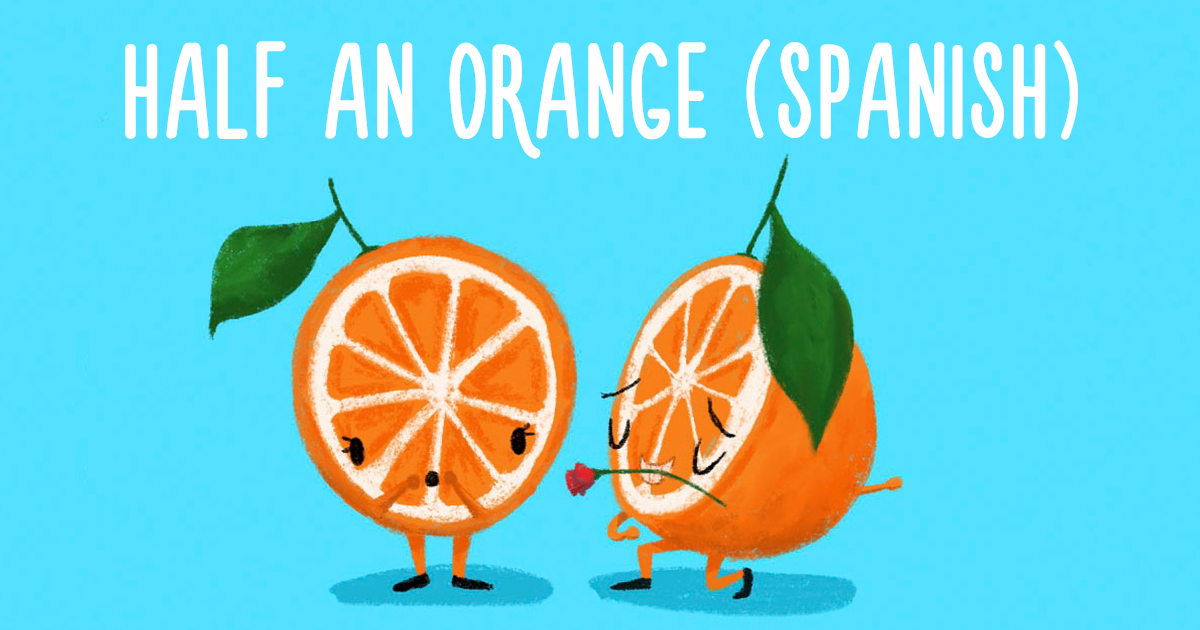
Spanish endearment often blurs the line between family language and romantic language. Dictionary.com explains that mija literally means “my daughter,” but it is widely used as a familiar, affectionate address for women, including a female partner, where it can mean something like “my girl” or “sweetheart.” ThoughtCo also shows that Spanish expresses love through verbs such as te amo and te quiero, which carry different shades of romantic intensity.
Spanish nicknames are especially interesting because they can feel casual without feeling cold. They often sound like something a family would say at the dinner table, then suddenly, in the right relationship, become deeply intimate. That overlap between family warmth and partner warmth is part of what gives Spanish affection such an easy, lived-in feel.
Japanese and Chinese: Love With Layers
When one word is never quite enough
Japanese and Chinese both show how much a nickname can depend on nuance. ThoughtCo explains that Japanese distinguishes between koi, a romantic or passionate love tied to longing for a specific person, and ai, a deeper and more selfless kind of love. The related word koibito means boyfriend or girlfriend, so the language links romance to both emotion and relationship status with remarkable precision.
Chinese offers its own elegant symbolism. ThoughtCo notes that the traditional character for love, 愛, includes the component for “heart,” while the simplified character 爱 removes that element. Even without turning it into a language joke, the visual difference reminds readers that love can be represented as something that is felt, seen, and written all at once.
In both languages, affection is often less about shouting and more about choosing the right shade. That subtlety is part of the charm. Not every sweet word needs to sound like a Valentine’s card wearing a sequined jacket. Sometimes the cuteness comes from restraint.
What These Cute Words Reveal About Culture
Across cultures, pet names tend to cluster around the same emotional ideas: sweetness, protection, softness, and belonging. English goes for honey and babe. French goes for love, treasure, and cabbage. German leans into treasure, angel, mouse, and bunny. Russian loves sunbeams and diminutives. Spanish can sound familial and intimate at the same time. Japanese and Chinese show how much meaning can hide inside nuance and form. That pattern suggests that love is universal, but the vocabulary for love is wonderfully local.
It also explains why some nicknames feel instantly right to one person and impossible to another. Verywell Mind’s summary of the five love languages makes “words of affirmation” one of the core ways people feel appreciated, but the exact word that lands well depends on personality, culture, and the couple’s own history. A pet name is not just a word; it is a social agreement wrapped in a smile.
What It Feels Like in Real Life
The first time a nickname works, it usually happens without ceremony. A person says it once, tests the sound, and watches for the reaction. If the other person smiles, the word stays. If they laugh, it might stay even faster. If they cringe, the word is retired with the dignity of a sweater that looked good in the store and terrible at home. This is why pet names feel so personal: they are negotiated in real time, then repeated until they become part of the relationship’s private furniture. Scientific American and Psychology Today both describe this kind of insider language as something that helps couples create a shared identity.
Travel makes this more obvious. A nickname that sounds ordinary in one country can feel wildly theatrical in another. In English, “honey” and “baby” can be used so casually that they almost disappear into the sentence. In French, “my cabbage” can sound playful and chic at the same time. In German, “my mouse” or “my bunny” might feel tiny and cozy. In Russian, a “little sun” can brighten an entire room. The same emotional job is being done, but each language chooses a different costume.
There is also the experience of learning to decode another couple’s language from the outside. Friends hear “boo,” “bae,” “Schatz,” or “mija” and immediately know they are witnessing a relationship with its own rhythm. Sometimes the words are tender, sometimes slightly embarrassing, and sometimes hilariously specific. But even the funny ones do important work. They mark the border between public language and private language, which is exactly what makes them adorable. Research on pet names repeatedly points to this idea of a mini-culture inside the couple, and that seems right: romance often grows by inventing a tiny dialect nobody else fully speaks.
Another everyday experience is how fast pet names become memory capsules. One word can store the first apartment, the first long trip, the first inside joke, or the first time two people realized they were becoming a team. That is why even a goofy nickname can feel sentimental later. It is not only the word itself that matters. It is the weather, the timing, the place, and the version of the two people who first said it. Over time, the nickname becomes a breadcrumb trail back to the moment affection became routine.
Multilingual couples add another layer. A partner may have one pet name in English, another in their heritage language, and a third nickname that only exists in text messages. That kind of switching can feel playful, but it also reflects something deeper: the relationship is not fixed in one language. It grows where the couple has lived, traveled, laughed, and argued. A nickname can even become a bridge, letting one partner borrow warmth from a language they did not grow up speaking. Because affection is often less about perfect grammar and more about perfect timing, even a small word in the “wrong” language can still feel beautifully right.
And then there is the universal experience of realizing that the most lovable nickname is often the one that sounds a little ridiculous to outsiders. That is part of the charm. The private words of a couple do not need to win a poetry contest. They need to feel warm, mutual, and a little bit silly in the best possible way. The more specific they are to the two people using them, the better they tend to work. That is why these words survive across centuries, apps, and cultures: they make love sound less like a speech and more like a habit.
Conclusion
The cutest words people call their significant others around the world all do the same essential thing: they shrink distance. Whether the word is bae, mon amour, Schatz, solnyshko, mija, koi, or a tiny custom nickname no one else understands, the message is the same. You are not just anyone. You are my person. And in every language, that is still the sweetest line of all.
Note: The best pet names are the ones that feel natural, mutual, and welcome.